
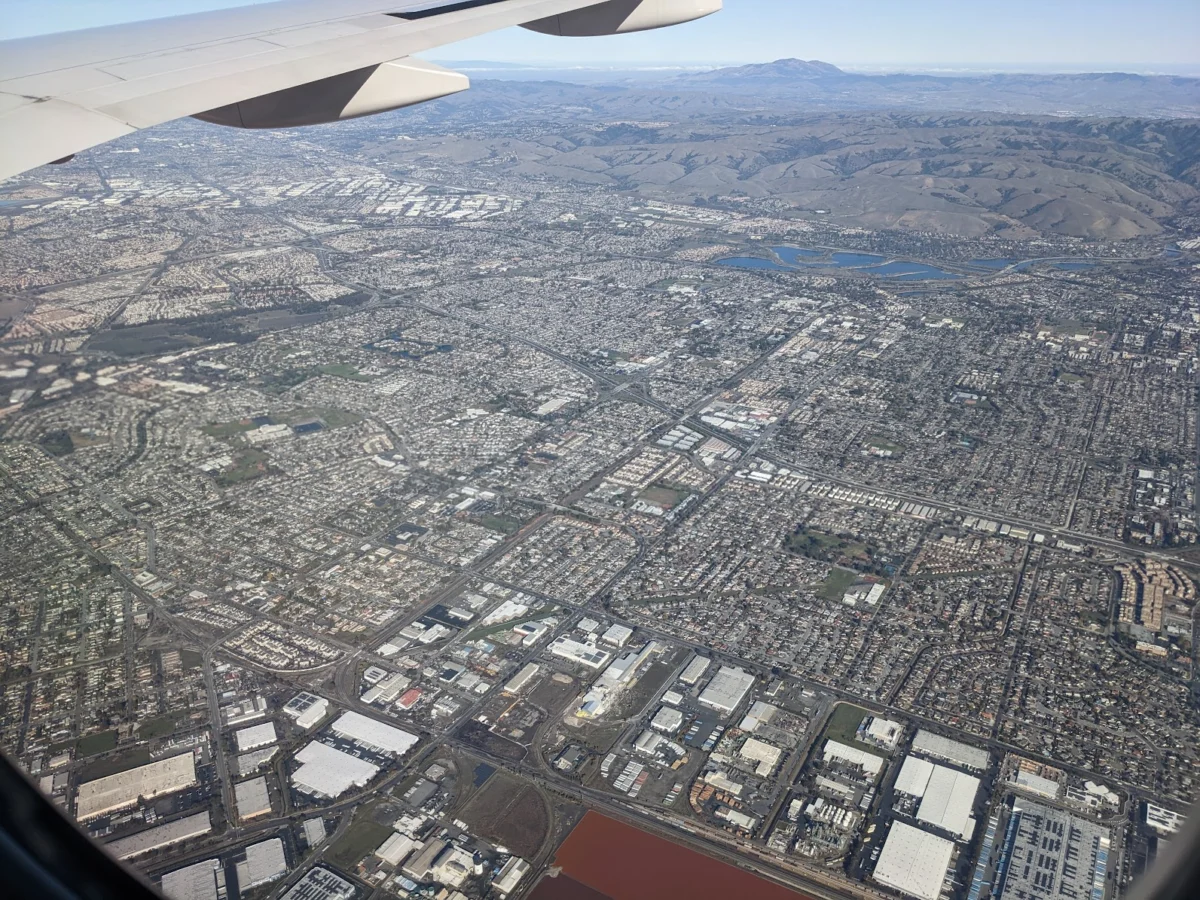
A recent deep dive by a prominent voice in the financial independence movement has brought into sharp focus the pervasive human tendency to perceive one’s immediate circumstances as "normal," regardless of their inherent logic or financial implications. This phenomenon, dubbed the "bubble of normal," highlights how vastly different lifestyles can be perceived as standard within their respective enclaves, leading to either robust financial health or persistent economic struggle, even among high-income earners. The observation stems from a contrasting experience between a community dedicated to purposeful money management and the high-consumption culture observed during a trip to the San Francisco Bay Area.
For years, the founder of a widely-followed financial independence blog has cultivated an environment where conscious spending and robust savings are the norm. This "Mustachian" community, characterized by its members’ ability to achieve significant financial independence, often sees individuals featured in national financial media outlets for their wealth-building strategies. Within this bubble, shared values of frugality, mutual aid (such as helping with home renovations), and resourceful acquisition of goods (like finding value on platforms such as Craigslist) foster a collective sense of financial security and freedom from material stress. This localized success had, for a time, led to the assumption that such principles of intentional living might have become widespread across American society.

A Glimpse Beyond the Bubble: The San Francisco Bay Area Case Study
However, a recent trip to San Francisco, often referred to as "The City" by its residents, served as a stark re-evaluation of this assumption. The Bay Area, a sprawling megalopolis encompassing eight million people across thousands of square miles, presents a unique socio-economic landscape. It is a region where both immense innovation and striking contradictions in human behavior are simultaneously evident, making it an ideal "human science laboratory" for studying consumer habits.
The economic realities of the Bay Area are frequently cited for their intensity. The median house price hovers around $1.5 million, with entry-level homes in less desirable areas starting at $750,000 (often necessitating long commutes and tolerating trash-strewn streets or requiring fortified security measures), while premium properties command upwards of $3 million. Daily expenses reflect this elevated cost of living: gasoline has been observed at $6.00 per gallon, a slice of pizza at a modest establishment can cost $7.00, and professional services are similarly inflated. A new homeowner, for instance, reported paying $90 per hour for housekeeping, while a brunch for three at a casual outdoor restaurant could easily reach $148, including tip.
Perhaps more indicative of the region’s consumption patterns are individual financial decisions. A young finance professional, earning a high salary, reportedly considered downsizing from two luxury vehicles to one seven-passenger Mercedes SUV, primarily to eliminate a second $1,200 per month car payment and free up a $200 monthly parking space. Such anecdotes underscore a prevailing sentiment among many residents: "This is just a high cost of living area so it’s impossible to get ahead."
Challenging the High-Cost Narrative: Overlooked Efficiencies
Despite the common lament, a closer examination reveals significant inconsistencies in this narrative. Observers noted that while many services and housing costs carried inflated price tags, basic necessities like groceries appeared only marginally higher than in more affordable regions of the country. For example, prices at major retailers like Costco were found to be only a few percentage points above national averages.
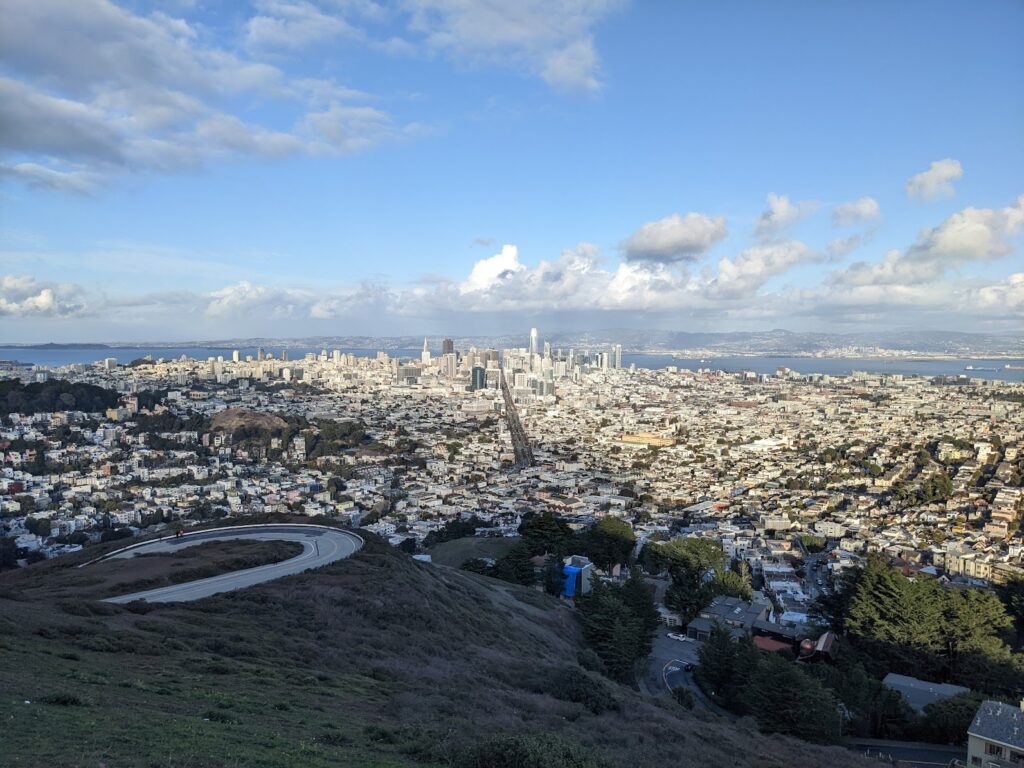
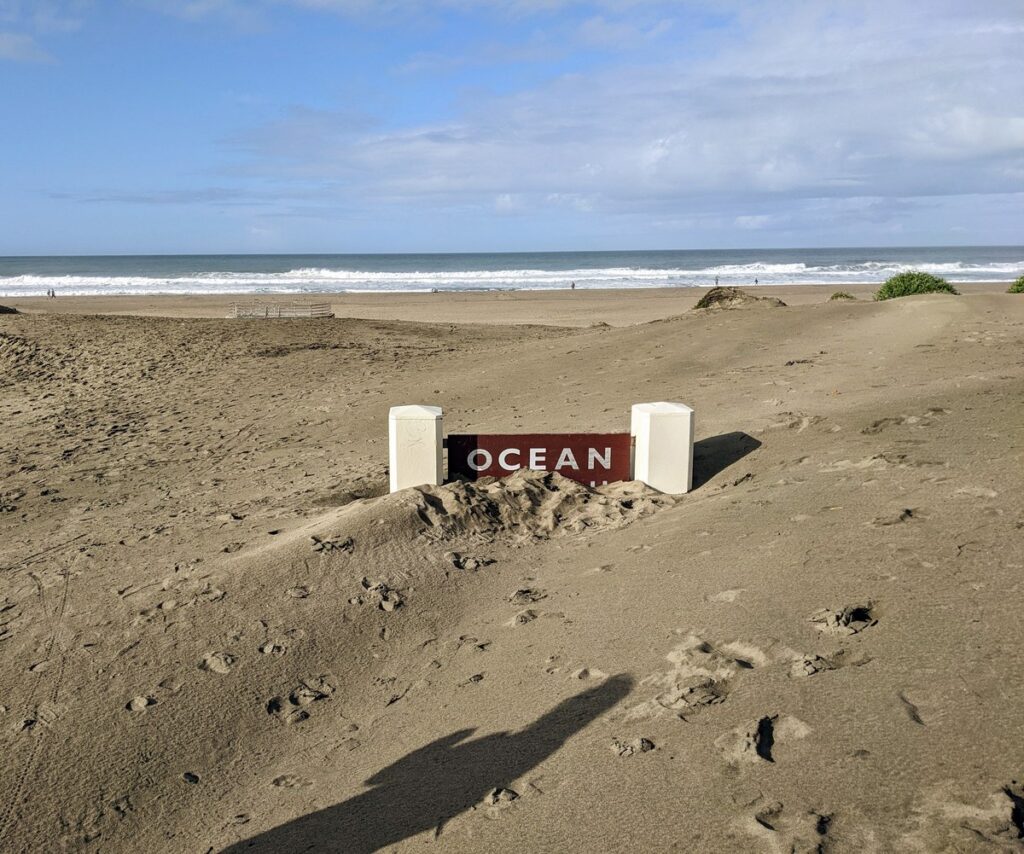
Furthermore, the Bay Area boasts inherent natural advantages that are often underutilized. The Northern California climate is remarkably temperate, with leaves and flowers blooming year-round, and edible plants frequently yielding free fruits and vegetables. The mild weather often negates the need for extensive home heating or air conditioning, representing a substantial saving. Cycling is feasible year-round, with conditions rarely exceeding mildly cool rain or mist, a stark contrast to regions with harsh winters. Recreational activities, such as exploring vast parks, hiking along ocean shores, and walking through scenic neighborhoods, are abundant and entirely free, offering significant health and wellness benefits.
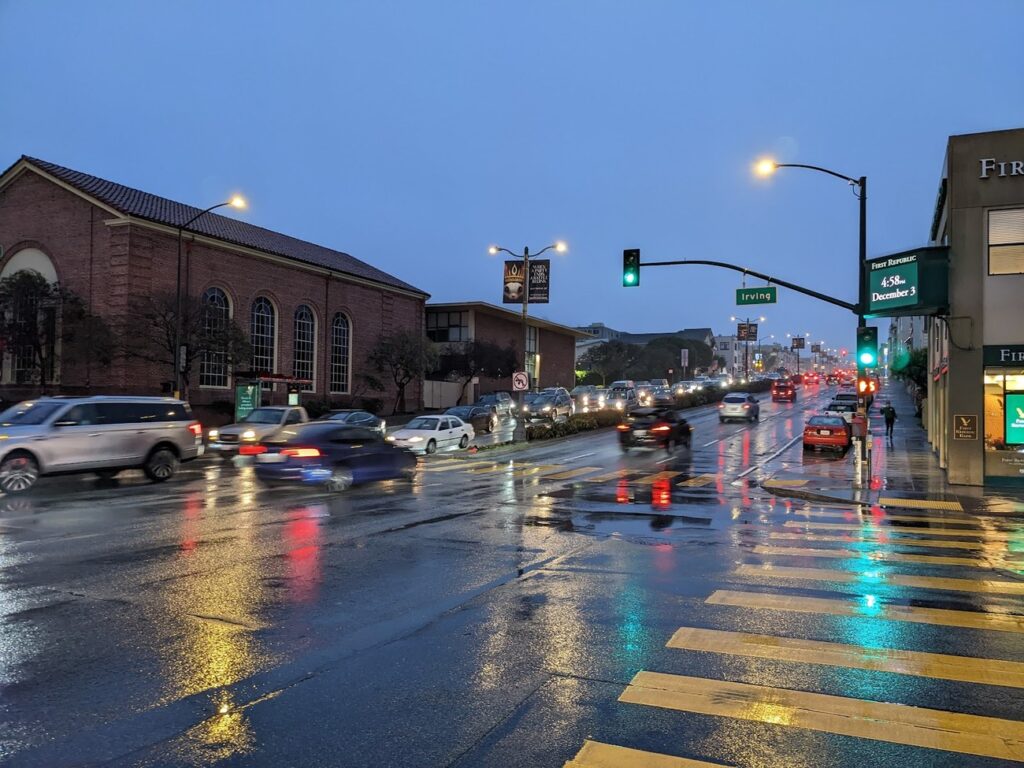
Yet, a pervasive cultural tendency sees many residents opting for costly, less efficient alternatives. Despite ideal conditions for active transportation, many individuals avoid even slight inclement weather, choosing to drive cars that often prove to be the slowest and most expensive mode of transport due to congestion and parking challenges. Meals are frequently consumed at restaurants, and expensive indulgences, such as $150 bottles of wine, are considered reasonable. The preference for living far from work and enrolling in distant activities further entrenches reliance on vehicular transport.
The Societal Cost of Unexamined Norms: Infrastructure and Health
This widespread reliance on automobiles and car-centric lifestyles has profound societal consequences. The Californian government’s infrastructure spending reflects this consumer trend, investing heavily in "titanic roads," "cathedral-like networks of overlapping arched bridges," and "ocean-sized parking lots." These massive investments are, in essence, subsidies for personal vehicle use, designed to accommodate and normalize what could be considered an inefficient and environmentally damaging mode of transport.
The implications extend beyond financial strain. The car-dependent culture contributes to thousands of traffic fatalities annually, necessitating extensive public resources for law enforcement, emergency medical services, and fire departments. Moreover, the sedentary lifestyle associated with prolonged daily commuting in cars is a significant contributor to public health crises, including heart disease and diabetes, leading to millions of premature deaths and placing immense strain on healthcare systems, requiring more hospitals, doctors, and surgeons. Ironically, residents bear the cost of this infrastructure and its consequences through some of the nation’s highest tax rates, often then spending the remainder of their income on expensive vehicles and fuel to navigate the very system their habits perpetuate.
According to a 2016 article on Streetsblog, while San Francisco is among the top cities for walking to work (around ten percent), California as a whole reported only about a 3.9% walk-plus-bike-to-work rate. This data supports the observation that despite urban density and favorable climate, active commuting remains a minority practice, with the majority adopting car-centric behaviors without fully evaluating more effective options.

The Universal "Normalcy Bias"
The "California Effect," while magnified, is presented not as an anomaly but as a heightened manifestation of a global phenomenon: the "Everywhere Effect." This refers to the astonishing wasted opportunity for billions globally who are trapped in and perpetuate illogical, self-defeating systems within modern affluent societies. The core insight is that all of us live in a bubble which we incorrectly perceive as "normal."
This concept is rooted in human psychology. The brain rapidly adapts to its environment, rewiring itself to accept recurring stimuli or circumstances as standard. This "normalcy bias" can be observed across a spectrum of human experiences:
- In communities where millionaire early retirees drive old cars and perform their own household chores, such practices are considered normal.
- In San Francisco, 25-year-old tech workers with $200,000 starting salaries who carry credit card debt and car loans also perceive their financial situation as normal.
- As recounted by researcher Lex Fridman, Ukrainian individuals living in war-torn occupied zones often reported feeling safe despite frequent bombings and the loss of loved ones, having adapted to even the extreme reality of war as their "normal."
- From individuals spending five hours daily on screens to ultra-endurance athletes, alcoholics consuming significant amounts before midday, or elite gamers and gymnasts with unparalleled neural control – each group’s extreme habits are normalized within their specific contexts.
The profound implication is that one’s current life is not inherently "normal" but rather a "super weird and super specific" construct shaped by adaptation. This understanding unlocks the potential for radical transformation. Since the human brain adapts quickly, individuals can consciously choose to introduce "right" things into their lives—health, fitness, sensible spending, continuous learning, robust socializing, and altruism—and these, too, will quickly become their new normal.
Creating a New Normal: A Path to Financial and Life Independence
This realization offers a powerful framework for personal empowerment. By identifying elements in one’s life that are expensive, detrimental to physical or mental health, or both, individuals can begin to challenge their perceived normalcy. Imagining a fulfilled, self-actualized person who thrives without these detrimental elements prompts critical self-reflection.

The assignment, therefore, is to critically examine one’s own "bubble," studying the "California Effect" within personal lifestyle choices. This involves identifying areas where "ridiculousness masquerades as normalcy" and actively seeking ways to extract the best aspects of one’s environment while shedding unnecessary downsides. The ultimate goal is to consciously design and cultivate an entirely new "bubble of normal" – one that is conducive to optimal well-being, financial independence, and a life of genuine fulfillment. This simple yet profound mindset is posited as the fundamental backbone not only of achieving Financial Independence but also of constructing the best possible life overall.

