
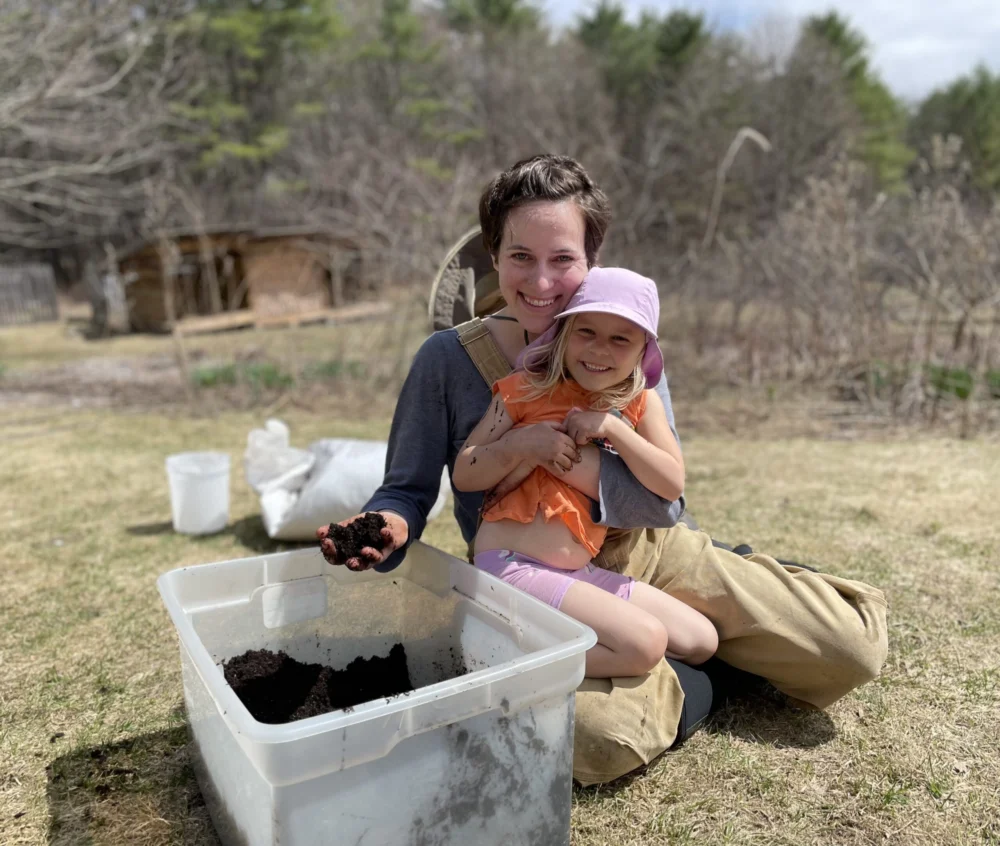
The transition from urban centers to rural environments, often characterized as the "Back-to-the-Land" movement, has seen a resurgence in the 21st century as families seek sustainability, financial independence, and a departure from the "rat race" of corporate life. A prominent case study in this demographic shift is the experience of the creators of Frugalwoods, who relocated to a 66-acre homestead in rural Vermont in May 2016. After seven years of active management, the transition offers significant data on the discrepancies between the idealized vision of total food self-sufficiency and the practical labor requirements of maintaining a productive rural estate. The findings suggest a necessary paradigm shift from total subsistence to a balanced, community-integrated model of rural living.
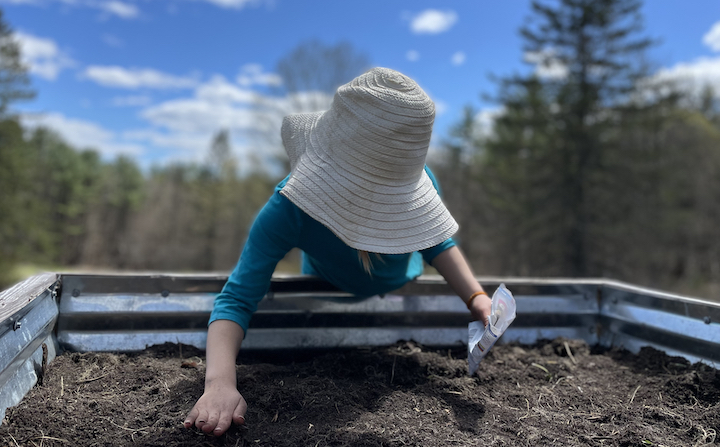
The Idealistic Framework of Modern Homesteading
The initial impetus for many rural migrations is rooted in the desire for total autonomy over food systems. In the Frugalwoods case, the primary objective was to leverage 66 acres of Vermont forest and field to provide for the entirety of the family’s nutritional needs. This "Little House on the Prairie" archetype—modernized with medical and technological advancements—envisioned a comprehensive cycle of growing, harvesting, and preserving fruits and vegetables, supplemented by livestock such as meat chickens, pigs, goats, and dairy cows.
Theoretically, such a model is viable. However, the labor-to-yield ratio often remains obscured until the implementation phase. For many new homesteaders, the romanticized vision of singing to rows of flourishing vegetables is quickly replaced by the "specifics" of rural hardship: the loss of power and water during week-long winter ice storms and the unrelenting demands of the harvest cycle.
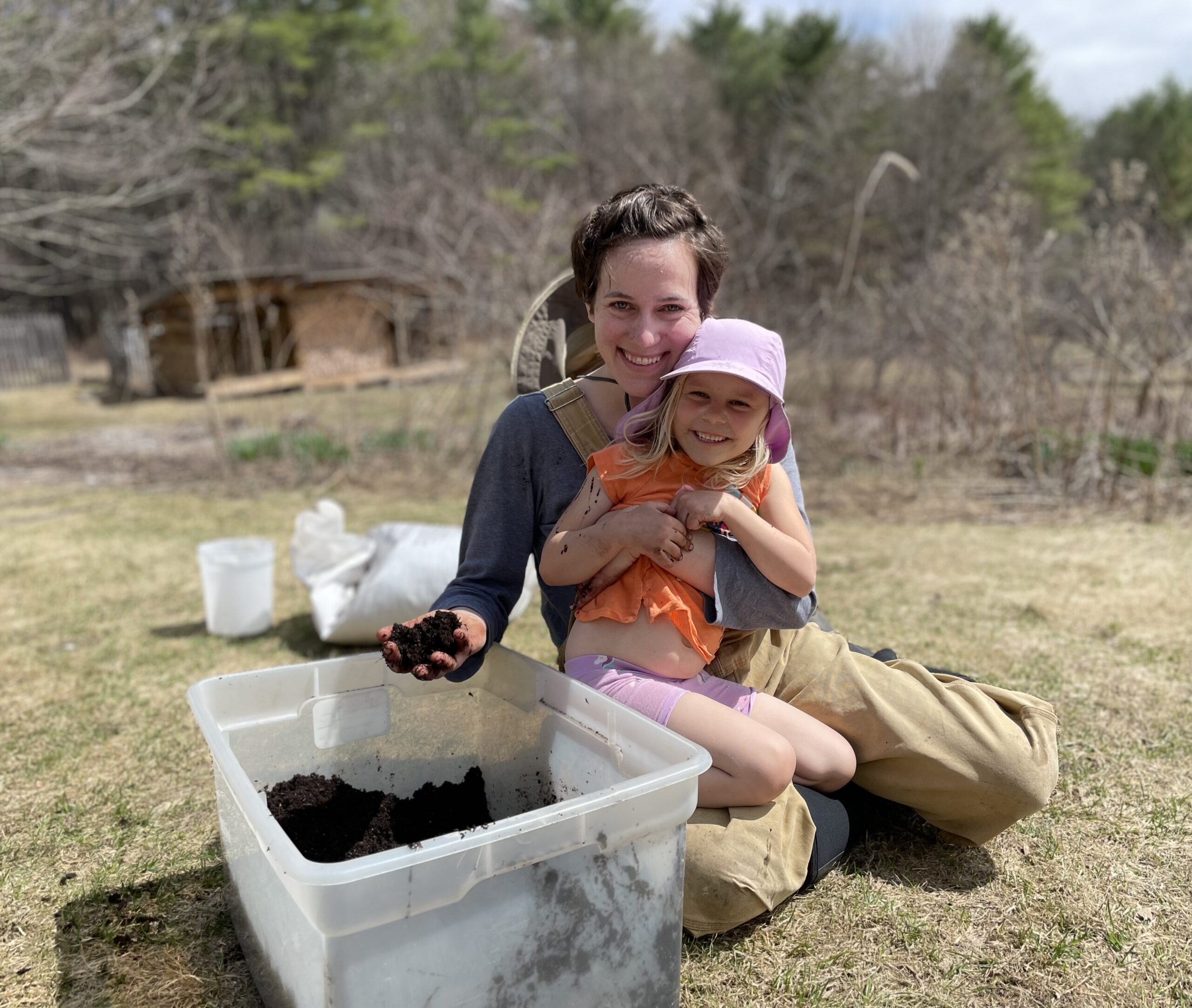
Chronology of a Homestead: 2016 to 2023
The timeline of the Vermont homestead reveals a distinct evolution from aggressive expansion to strategic reduction.
2016–2017: The Infrastructure Phase
Upon arrival in May 2016, the focus was on establishing the "Big" vegetable garden. This period was marked by significant capital and labor investment, including the installation of fencing to mitigate wildlife pressure and the preparation of soil for annual crops. The initial years were characterized by a "steep learning curve" regarding Vermont’s specific soil composition and short growing season.

2018: The Pivot Point – The Kale and Chard Apocalypse
The year 2018 serves as a critical data point in the study of homesteader burnout. The subjects planted, weeded, and harvested 80 kale and chard plants. While the yield was exceptionally high, the labor required for preservation was unsustainable. The process involved:
- Harvesting: Hours of manual labor in the field.
- Cleaning: Utilizing baby pools and industrial tubs as rinsing stations.
- Processing: Stemming, chopping, and blanching thousands of leaves.
- Storage: Vacuum sealing and freezing the processed greens.
The "Apocalypse" demonstrated that even with successful crop yields, the "bottleneck" of preservation can lead to significant waste. A portion of the hard-won harvest eventually expired before it could be consumed, highlighting the difficulty of accurately calculating annual consumption rates for a single household.

2020–2022: Refinement and Raised Beds
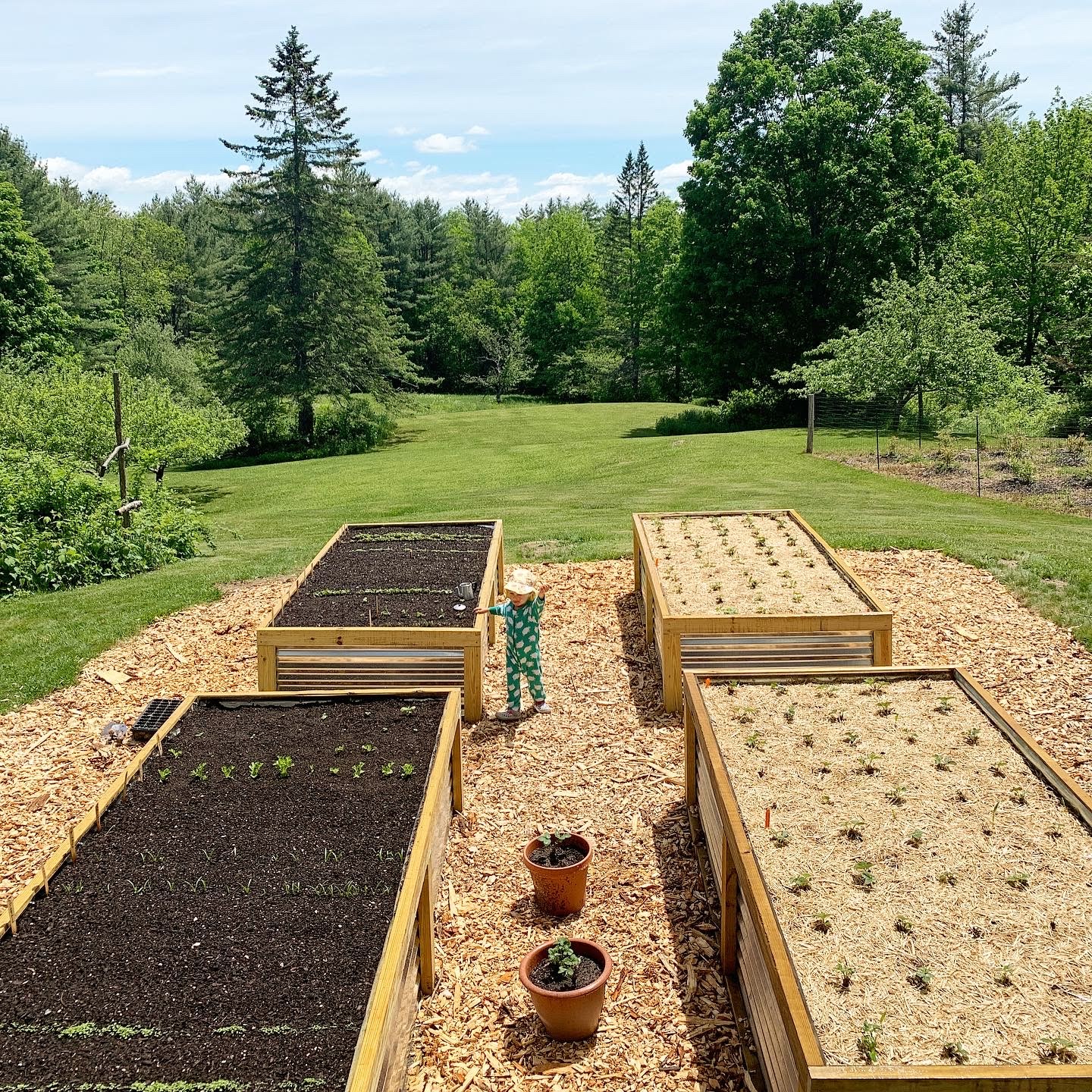
By 2020, the subjects shifted toward a more ergonomic and proximity-based gardening model. Nate Willard constructed four raised beds near the primary residence to facilitate "kitchen gardening"—the practice of growing high-use herbs and greens within easy reach for daily cooking. This period also saw the introduction of cattle panels as vertical trellises for tomatoes and snap peas, a move designed to reduce the labor-intensive task of individual plant staking.
2023: The Seven-Year Retrospective
As of May 2023, the homestead has reached a state of "maintenance" rather than "expansion." The subjects have largely abandoned the goal of 100% food self-sufficiency in favor of a hybrid model that supports local agricultural neighbors.

Supporting Data: The Realities of Perennial and Annual Agriculture
The Vermont homestead currently manages three distinct food-growing areas, each presenting unique challenges.
1. Annual Vegetable Production
The "Big" garden continues to produce tomatoes, beans, squash, peas, cucumbers, and peppers. However, the scale has been adjusted to prevent the labor-surplus issues seen in 2018. The inclusion of "kid rows" serves as an educational tool rather than a primary production source, emphasizing the shift from subsistence to lifestyle.

2. Perennial Fruit Systems
The subjects have invested heavily in perennial crops, which include:
- Orchard Trees: Apples, pears, plums, peaches, and cherries.
- Bush Fruits: Blueberries, elderberries, and raspberries.
- Ground Perennials: Strawberries, rhubarb, and asparagus.
Data from the seven-year period indicates that perennial systems are a long-term investment with high risk. Apple trees typically require six years to reach bearing age, while blueberry bushes require at least two years.

3. Wildlife Pressure and Environmental Factors
The "Clever Varmint Patrol" (CVP)—a term used to describe local wildlife such as turkeys, deer, and rodents—represents a significant variable in crop yield. In multiple seasons, the CVP successfully harvested 100% of the plum and cherry crops the moment they reached peak ripeness. Environmental factors, including late-spring frosts and fluctuating precipitation levels, further complicate the reliability of these food sources.
Economic and Psychosocial Analysis of the "Homesteading Trap"
The transition from urban employment to rural self-sufficiency is often intended to reclaim time. However, a factual analysis of the labor requirements suggests that total self-sufficiency can become a "full-time, all-consuming job" during the harvest season.

The Labor-Desk Equivalence
A key finding in the Frugalwoods case study is the realization that "chaining oneself to a vegetable garden is no different than chaining oneself to a desk." A garden with 80+ plants exerts time-bound pressures that do not account for the owner’s energy, health, or alternative plans. For those who moved to the country to escape "rat race" pressures, the shift to high-intensity subsistence farming can inadvertently recreate the very stress they sought to avoid.
Supporting the Local Food Economy
An unintended but positive consequence of reduced self-sufficiency is the increased support for local professional farmers. By acknowledging that full-time farmers are more efficient and better equipped to manage large-scale production, homesteaders can contribute to the local economy while reclaiming their own time. This "specialization of labor" model proves more sustainable for the individual and the community.

Chronology of Preservation Strategies
As the homesteaders moved away from industrial-scale canning, they adopted more efficient preservation methods suited for a "moderate" lifestyle:
- Dehydration: Used primarily for herbs and greens.
- Freezing: The preferred method for berries and blanched vegetables due to its lower time requirement compared to water-bath canning.
- Cider Pressing: A high-yield method for processing surplus apples.
- Fermentation: Small-batch pickling rather than 100-quart marathons.
Broader Impact and Implications for Rural Migration
The Frugalwoods experience serves as a cautionary yet encouraging template for future rural migrants. The "Seven-Year Itch" in this context is not a desire to leave, but a desire to refine.
Acceptance as a Final Stage
The final stage of successful homesteading appears to be "acceptance"—the relinquishing of the "perfect homesteader" image in favor of a functional reality. This involves accepting that one may not like being in a kitchen canning for 12 hours a day, and that such a dislike is not a failure of the rural ideal, but a refinement of it.
Practical Advice for Prospective Homesteaders
Based on the data gathered from 2016 to 2023, prospective rural residents should consider the following:

- Scale Slowly: Avoid the "80-plant" mistake by scaling annual gardens based on documented consumption rather than theoretical desire.
- Prioritize Infrastructure: Invest in fencing and ergonomic raised beds early to reduce long-term physical strain.
- Diversify Food Sources: Maintain a relationship with local farmers to ensure food security without the burden of total production.
- Value Time as a Resource: Calculate the "cost" of home-grown food not just in seeds and soil, but in the hourly labor required for harvest and preservation.
In conclusion, the evolution of the Frugalwoods homestead from an idealistic "Little House" vision to a pragmatic, balanced rural life highlights the importance of flexibility. While the dream of growing all of one’s food remains a powerful motivator for rural migration, the reality of a sustainable life in the woods often requires a mix of self-reliance, community integration, and the wisdom to know when the "varmint patrol" has won the season.

