

Nearly nineteen years into an unconventional early retirement, a prominent figure in the financial independence movement has articulated a nuanced perspective on the complete freedom often associated with this lifestyle, describing it as a double-edged sword that, while liberating, can inadvertently undermine personal discipline and productivity. This revelation challenges the idealized vision of early retirement as a perpetual state of blissful self-actualization, highlighting the critical role of intrinsic motivation and mental fortitude in leveraging newfound autonomy effectively.
The Evolution of Retirement: Beyond Leisure
The concept of early retirement, particularly popularized by the Financial Independence, Retire Early (FIRE) movement, advocates for accumulating sufficient wealth to cover living expenses, thereby eliminating the need for traditional employment decades before conventional retirement age. Proponents of FIRE, like the author of this reflection, often highlight the immense upside: unparalleled freedom to dedicate time to family, health, personal passions, and community engagement. For this individual, it meant raising a son from birth through his eighteenth birthday without career compromises, alongside investing thousands of hours into home building, adventures, social connections, and consistent online content creation. This initial phase exemplifies the aspirational goals of many pursuing FIRE: reclaiming time for a life aligned with core values, free from the constraints of a conventional work schedule.
However, as the author progressed deeper into this autonomous existence, a subtle yet significant flaw emerged. The absence of external obligations meant a pervasive ability to avoid anything undesirable. This observation touches upon a less-discussed psychological aspect of extreme freedom: the potential for it to erode the very self-discipline that often characterizes individuals successful in achieving early retirement. While a life free from unwanted tasks sounds idyllic, psychological research on motivation and human behavior suggests that a complete lack of external pressure can lead to a decline in internal drive, a phenomenon sometimes referred to as the "paradox of choice" or the challenges of unstructured time. Without deadlines, accountability, or the inherent demands of a job, individuals must cultivate an even stronger internal compass to maintain purpose and productivity.
A Personal Reckoning: The Erosion of Discipline
For the better part of his early retirement, the author successfully navigated this landscape. His role as a father, coupled with ambitious projects like building and restoring multiple houses, undertaking intense travel, public speaking, and prolific blogging, demonstrated a natural equilibrium between freedom and sustained productivity. This period showcased a robust capacity for self-management, where the intrinsic rewards of these activities were sufficient motivators.
However, in recent years, a noticeable shift occurred. The author observed a gradual deceleration, finding it increasingly difficult to summon the focus and energy required for demanding tasks. The once-constant engagement in construction projects or the laser-like focus on writing compelling articles began to wane, replaced by an increasing tendency to retreat to the couch, seeking distraction through digital devices and wishing for the energy to pursue more fulfilling activities. This internal conflict between desired action and actual behavior became a source of growing concern.
In response, he proactively engaged in studying health and wellness, integrating new knowledge into daily habits aimed at boosting energy, focus, and motivation. Strategies like embracing daily routines, avoiding excessive comfort, and optimizing physical well-being were adopted. While these practices initially yielded positive results, a pattern of inconsistency emerged. New, effective habits would be incorporated successfully for a time, only to be gradually abandoned as the brain "invented various excuses to stop doing them consistently." This led to a disjunction between knowledge and accomplishment, a common challenge in personal development where understanding principles doesn’t automatically translate into consistent application.
The Epiphany: Confronting the Moment of Hesitation
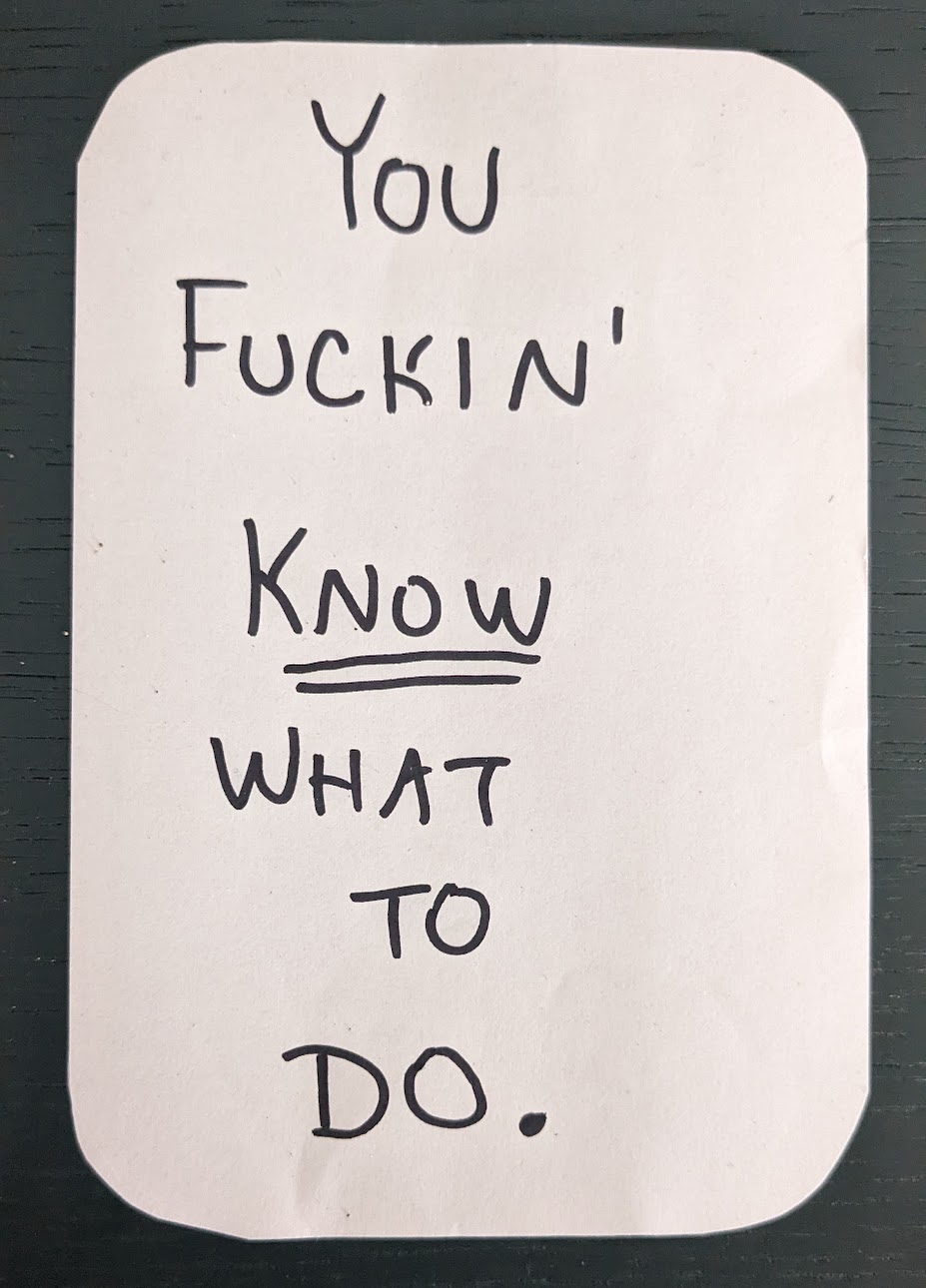
The critical turning point arrived a few months ago, when the author recognized a profound self-sabotage: he was excessively using his freedom to avoid doing things he didn’t feel like doing. This insight revealed that freedom, while liberating from undesirable external constraints, could become a detriment if it prevented engagement with challenging but ultimately rewarding internal pursuits. The distinction was stark: freedom from a dissatisfying job is invaluable, but if that freedom merely leads to passive consumption and avoidance of self-improvement, its potential is squandered.
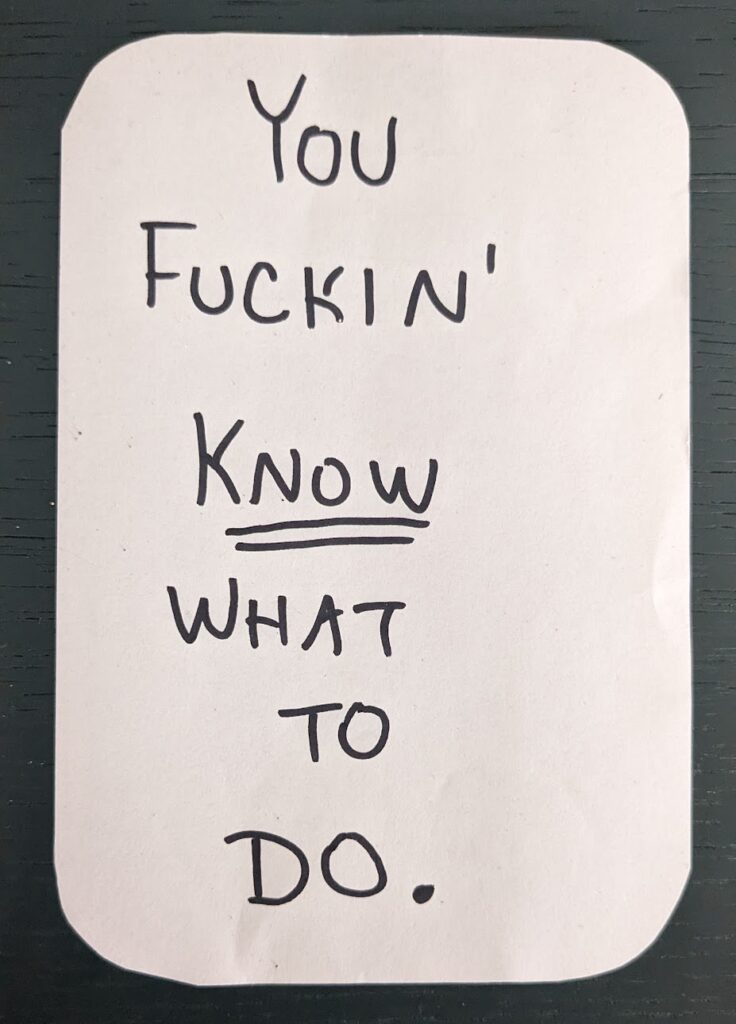
This realization brought into sharp focus the difference between easy, comforting activities (like household chores or casual socializing) and harder, more impactful ones that demand significant planning, energy, or focus. The latter, despite being the bedrock of a truly fulfilling life for the author, were consistently being sidestepped.
A particularly illustrative example was regular weight training. Despite knowing its profound benefits across all life domains, the author found himself caught in a cycle of elaborate pre-planning and conditional commitment:
"I want to get in a really good weight training workout today.
But I don’t feel like doing a workout because it’s hard.
So I’ll try to grease the wheels for myself so it’s easier to achieve.
I’ll pick the perfect time of day when the weather is nice, and my energy level is high.
I’ll set up my gym in advance the night before.
And when that golden moment of perfect conditions hits,
I’ll hit the gym!"
This elaborate internal dialogue often resulted in missed workouts, inconsistent effort, and, predictably, lackluster fitness. The "golden moment" rarely arrived with the desired frequency.
The transformative shift involved replacing this procrastination-laden thought process with an immediate, decisive action trigger:
"I want to work out today.
I don’t feel like it.
^^^ AHA!! I JUST CAUGHT MYSELF TRYING TO SELF SABOTAGE! ^^^
I am now already putting on my shoes and walking to the gym."

This new approach identified the moment of hesitation not as an excuse to defer, but as an immediate signal for action. It’s a counter-intuitive strategy at first, running directly towards discomfort rather than away from it. This mechanism, while simple, leverages principles of behavioral psychology where recognizing a negative impulse (hesitation) is used as a cue to initiate a positive, desired behavior, bypassing the cognitive loop of rationalization and excuse-making.
Forging Discipline: The Goggins Effect and Other Inspirations
This personal breakthrough was significantly bolstered by external inspiration, particularly from individuals who embody extreme self-discipline and push human limits. While the author’s social circle included high-achievers who found his schedule "too easy," the truly catalytic force came from an unexpected source: David Goggins.
Goggins, a retired Navy SEAL, ultra-endurance athlete, and author, is widely recognized for his philosophy of overcoming immense psychological and physical barriers. His life story, marked by a severely abusive childhood and a subsequent compulsive drive to conquer extreme hardship, presents a stark contrast to the author’s comfortable early retirement. Goggins’s achievements are staggering: enduring multiple hellish Navy SEAL training phases, completing dozens of ultra-marathons and ultra-triathlons, and setting a world record for pull-ups (4,025 in 24 hours). These feats often involved pushing his body to near-failure, breaking bones, and suffering severe physiological distress.
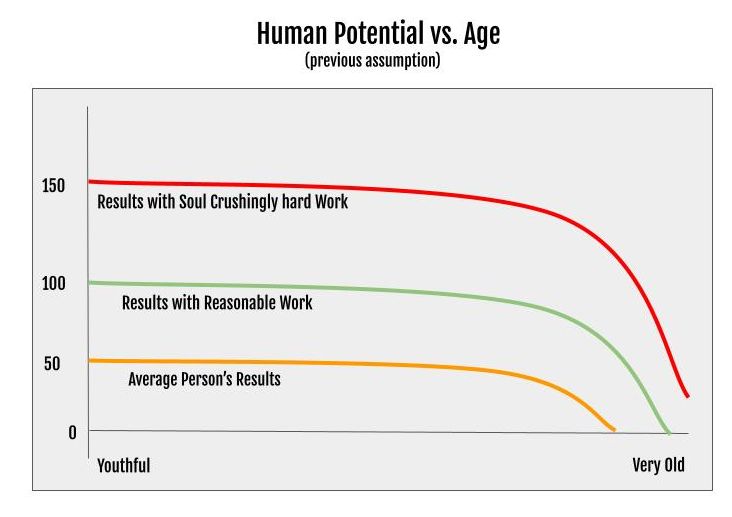
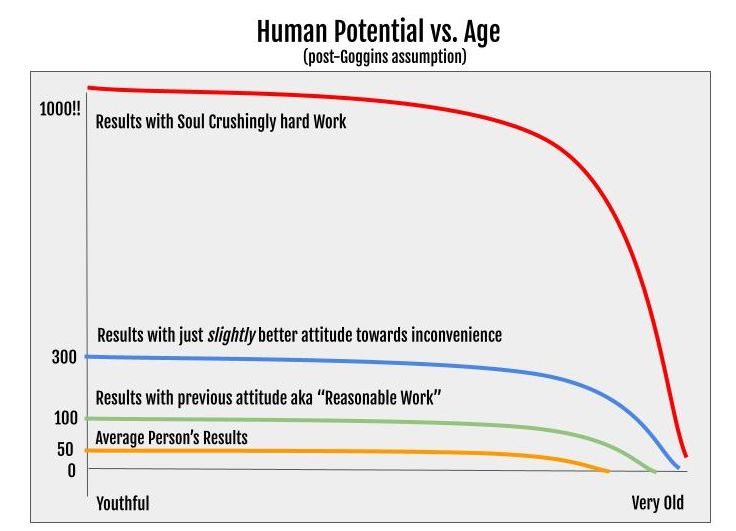
Exposure to Goggins’s story, through a podcast interview, provided a powerful re-framing device. While the author expressed no desire to emulate Goggins’s extreme lifestyle, the core message resonated deeply: that most perceived barriers in life are primarily mental, not physical or externally imposed. This realization, visually represented by a shift in perspective from a limited, constrained view of potential to an expansive, limitless one, was profoundly empowering. It suggested that personal capabilities are far greater than typically assumed, and that the "comfort zone" is often a self-imposed prison.
Beyond Goggins, the author also sought inspiration from other figures known for their rigorous approaches to life and self-improvement, including Peter Attia (a physician focused on longevity and optimal health) and Jocko Willink (a former Navy SEAL officer, author, and proponent of "Extreme Ownership" and radical personal responsibility). These individuals, despite varied backgrounds and philosophical nuances, consistently advocate for discipline, proactive engagement, and pushing beyond perceived limitations. The author’s approach was pragmatic: absorb messages that resonate and discard the rest, regardless of critiques like "Bro Science" or "Toxic Masculinity." The focus remained on extracting actionable insights that foster personal growth and productivity.
Tangible Gains and Broader Implications for the FIRE Community
The adoption of the "catch yourself at the moment of hesitance" technique, coupled with the renewed inspiration from figures like Goggins, yielded concrete and impressive results. The author achieved daily gym attendance, leading to a gain of ten pounds of lean muscle mass in four months, a return to strength and flexibility comparable to his mid-twenties, and improved joint health. This success extended beyond physical fitness, motivating more frequent running, increased visits to his coworking space for focused work and socializing, and, notably, the disciplined effort required to write this very article. The inherent challenge of choosing productive work over more immediately thrilling activities, a constant battle in a life of complete freedom, was being consistently won.
This personal journey carries significant implications for the broader FIRE community and anyone contemplating early retirement. It underscores that achieving financial independence is merely the first step; the subsequent challenge lies in effectively utilizing that freedom. Without external structures, individuals must cultivate robust internal discipline, purpose, and self-motivation to avoid falling into a state of passive contentment or unproductive leisure. The author’s experience suggests that true self-actualization in early retirement demands a proactive, disciplined approach to personal development, often requiring engagement with challenging activities that foster growth rather than simply avoiding discomfort.
Furthermore, this narrative contributes to a more nuanced understanding of "retirement." It moves beyond the traditional image of passive leisure and suggests a model where retirement can be a dynamic phase of intense personal growth, self-mastery, and continued contribution, provided individuals actively cultivate the mental fortitude to leverage their autonomy purposefully.
Conclusion: The Ongoing Quest for Self-Mastery
The transformative power of internalizing a simple, yet profound, message about confronting hesitation has been a game-changer for this early retiree. By consciously reframing moments of reluctance as triggers for immediate action and drawing inspiration from individuals who exemplify extreme discipline, the author has reignited his capacity for productivity and personal growth. This ongoing quest for self-mastery, fueled by a renewed understanding that personal barriers are largely mental, offers a compelling blueprint for maximizing the benefits of an autonomous life. It serves as a powerful reminder that while external freedom is a coveted prize, true fulfillment often hinges on the internal discipline to continuously challenge oneself and leverage that freedom for meaningful engagement and continuous self-improvement.

