
Despite achieving significant financial independence and considerable wealth, the founder of the popular personal finance blog Mr. Money Mustache (real name Pete Adeney) continues to adhere to the core principles of frugality and self-sufficiency that first propelled him into the public eye. This steadfast commitment comes amidst ongoing discussions from some quarters that suggest his elevated financial status might have rendered him out of touch with the struggles of the average individual, questioning whether he still practices the money-saving habits he advocates. However, Adeney asserts that his daily life, and that of his dedicated community, known as Mustachians, stands as a testament to the enduring efficacy and intrinsic enjoyment derived from these practices. His lifestyle, far from being a sacrifice, is presented as an intentional cultivation of efficiency, creativity, and self-improvement, which inherently leads to both a more fulfilling life and reduced expenses.
Background and Context: The Genesis of Mustachianism and the FIRE Movement
Mr. Money Mustache burst onto the personal finance scene in 2011, quickly becoming a foundational voice in the burgeoning Financial Independence, Retire Early (FIRE) movement. The movement, which gained significant traction in the subsequent decade, champions aggressive savings and investments to achieve financial autonomy much earlier than traditional retirement age. Adeney himself retired from a software engineering career at the age of 30, having accumulated enough wealth to live comfortably without relying on employment income. His blog served as a radical counter-narrative to consumer culture, advocating for a lifestyle built on conscious spending, DIY skills, and an overall reduction of unnecessary consumption.
The philosophy underpinning Mustachianism diverges significantly from conventional financial advice. While standard guidance often focuses on maximizing income and saving a percentage of it, with the implication that greater wealth allows for greater indulgence (often termed "FatFIRE"), Mustachianism emphasizes a fundamental shift in values. It proposes that true wealth is found not in endless acquisition but in the mastery of one’s resources, fostering a deep appreciation for efficiency and practical skills. This approach posits that by improving one’s life in terms of skill, health, and community engagement, monthly expenses naturally decrease over time, leading to a richer, more enjoyable existence irrespective of one’s net worth. This intrinsic motivation, rather than a forced austerity, is what Adeney argues makes the Mustachian path uniquely sustainable and effective.
Addressing the "Out of Touch" Critique: A Continued Commitment to Core Principles
The criticism often leveled against public figures in the FIRE community, particularly those who have achieved considerable financial success, is that their advice becomes less relevant to individuals still grappling with debt or low incomes. The sentiment, "He’s too rich to understand the common person’s plight," suggests a disconnect between the guru and the aspirant. Adeney acknowledges this potential for misunderstanding, recognizing it as an inherent aspect of sharing personal details online. However, he robustly refutes the notion that his wealth has altered his fundamental habits or values. He contends that his financial success is a direct result of these enduring habits, not an excuse to abandon them.
To illustrate this point, Adeney outlines six specific areas of his contemporary life where he continues to practice and genuinely enjoy money-saving activities. These examples serve not only as a defense against his critics but also as a practical demonstration of Mustachian principles in action. For each practice, he provides an estimated savings per decade, calculated using the "rule of 172." This rule, a simplified financial heuristic, suggests that a recurring monthly expense, when multiplied by 172, approximates its compounded value over ten years if that money were instead invested at an average rate of return (e.g., 7%). This long-term perspective underscores the significant cumulative impact of seemingly small daily choices.
Practical Manifestations of Enduring Frugality
-
Self-Sufficiency in Home Maintenance and Improvement:
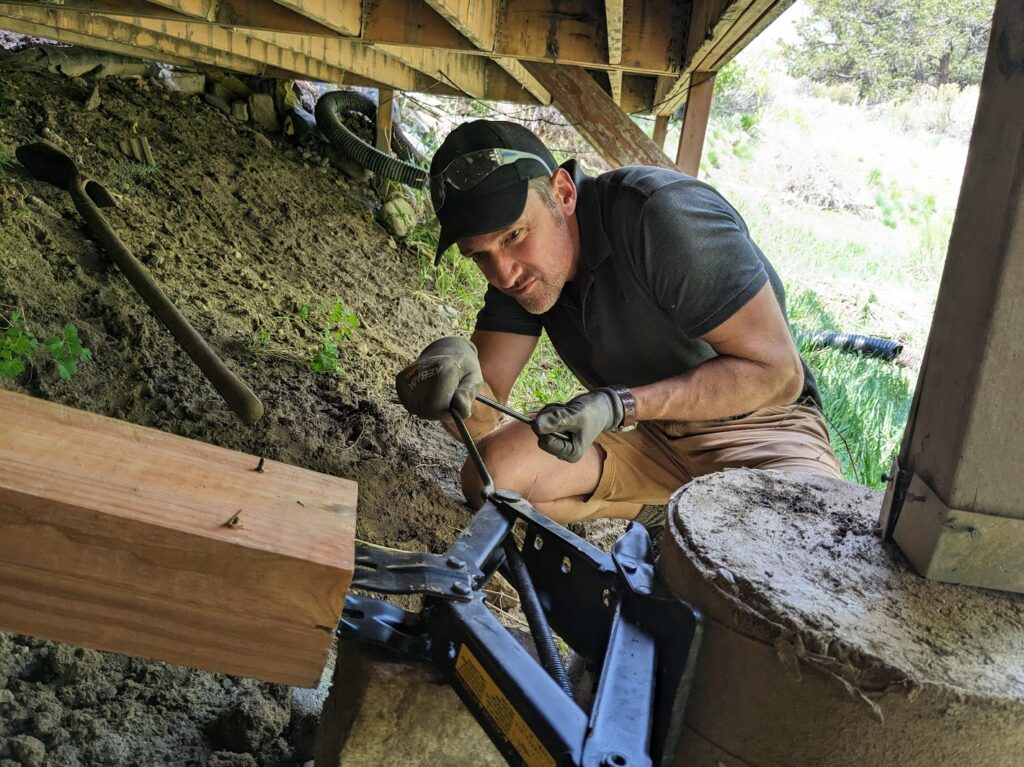
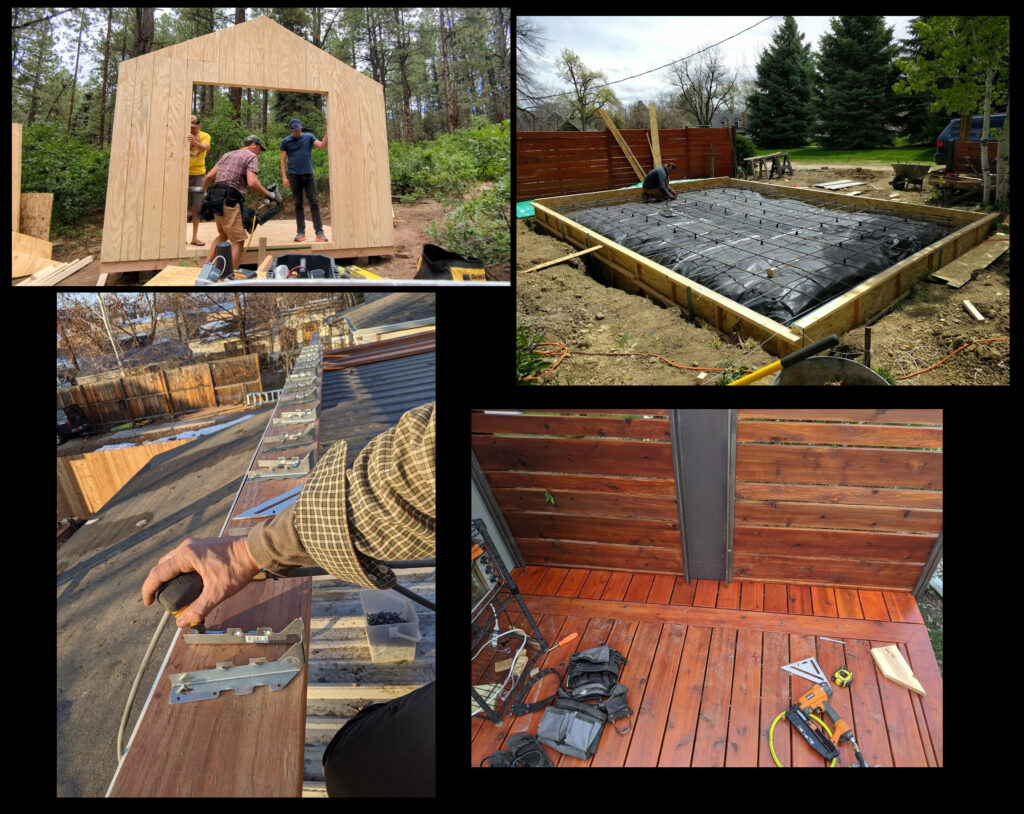
Adeney champions a philosophy of self-reliance, particularly concerning one’s living environment. His personal enjoyment stems from not just inhabiting functional and aesthetically pleasing spaces but also from the process of creating and improving them. This involves actively engaging in redesigning and renovating properties, both his own and those of friends. His enthusiasm extends to teaching others to develop similar skills, fostering a sense of empowerment and reducing dependence on costly external contractors. In the United States, homeowners typically spend between 1% and 4% of their home’s value annually on maintenance and repairs, with individual projects like kitchen remodels costing tens of thousands of dollars. By undertaking such projects himself, Adeney estimates an average saving of $20,000 per year, which, compounded over a decade, equates to approximately $287,000. This practice not only saves substantial funds but also cultivates valuable skills, enhances property value, and builds community through shared labor and knowledge. -
Leveraging Community and Second-Hand Markets:
While the convenience of immediate acquisition through online retail is undeniable, Adeney highlights the superior value and social benefits of sourcing goods through second-hand markets and community networks. Platforms like Craigslist, Facebook Marketplace, and NextDoor’s "Buy Nothing" groups facilitate the sharing and repurposing of items, fostering a circular economy. In his local community, the MMM-HQ Discord server serves as a vibrant hub for approximately 200 individuals who exchange advice, offer assistance on DIY projects, and facilitate the giving away or selling of unwanted items. This approach significantly reduces the need for new purchases, which can often be obtained at a fraction of the cost, or even for free, from others. The environmental benefits of reduced consumption and waste are also substantial. Through consistent engagement with these platforms, Adeney estimates an annual saving (and earning) of several thousand dollars, translating to roughly $42,000 per decade in compounded wealth. This demonstrates how conscious consumption can simultaneously benefit one’s finances, local community, and the environment. -
Prioritizing Active Transportation (Bikes over Cars):
A cornerstone of Mr. Money Mustache’s early teachings was the emphatic advocacy for bicycle transportation. As detailed in his seminal article "The True Cost of Commuting," automobiles are estimated to cost at least 50 cents per mile to operate when accounting for all factors, including depreciation, insurance, fuel, and maintenance. Bicycles, in contrast, offer significantly lower operational costs. Despite his wealth, Adeney continues to use bicycles or walk for at least 95% of his local trips, amounting to approximately 2,000 miles per year. While the direct savings from this specific usage are estimated at $14,000 per decade, the broader implications are far more significant. Beyond financial savings, active transportation dramatically improves physical and mental health, reduces carbon emissions, and fosters a more connected relationship with one’s local environment. The average annual cost of car ownership in the US hovers around $10,000, illustrating the potential for substantial savings for individuals who significantly reduce their reliance on automobiles.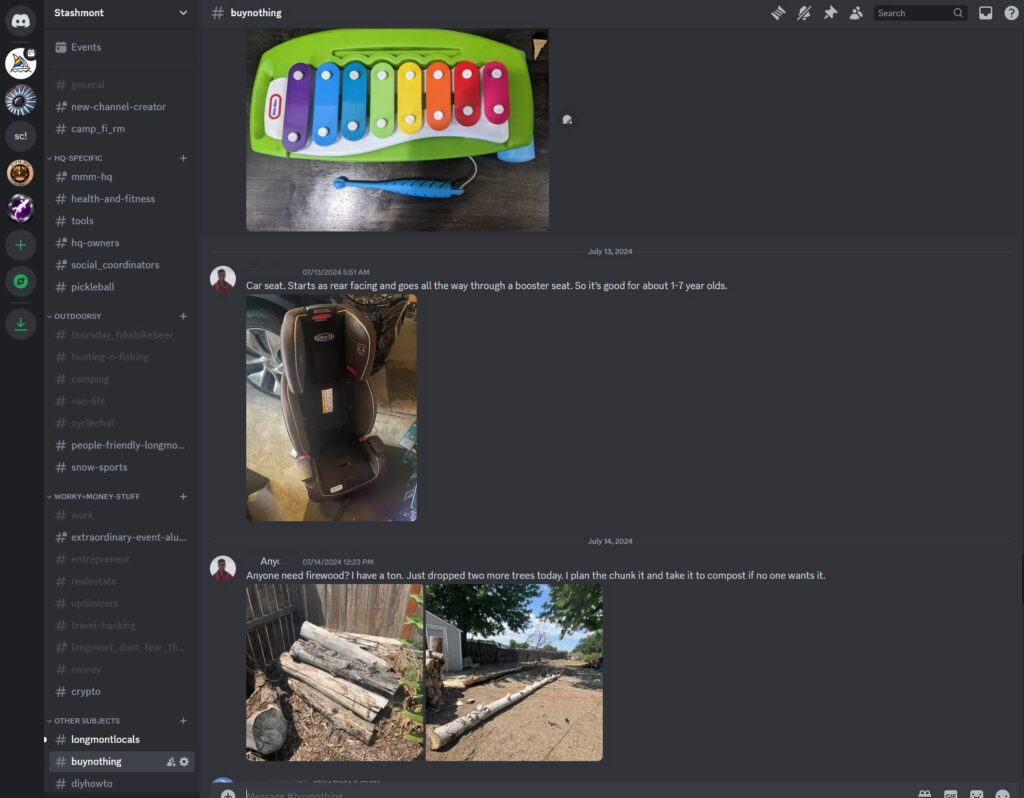
-
Embracing Physical Effort (Muscle over Motor):
Adeney consciously opts for physical exertion whenever possible, choosing stairs over elevators, running a golf course instead of using a cart, and performing manual labor like moving furniture, shoveling snow, or raking leaves rather than hiring help or using powered machinery. This decision is framed not as a chore but as a deliberate choice for "more health and fitness." The financial benefits, while harder to quantify precisely, are substantial. The average annual healthcare spending per person in the U.S. is approximately $13,000. By maintaining a high level of physical fitness and avoiding illness, Adeney reports near-zero lifetime costs related to medication or chronic illness, alongside increased energy and productivity. Conservatively estimating these health-related savings and benefits at $10,000 per year, this translates to an estimated $140,000 per decade. This practice underscores the profound connection between physical activity, long-term health, and financial well-being, highlighting that investing in one’s body can be one of the most lucrative "investments" of all. -
Energy Efficiency and "Glamping" at Home:
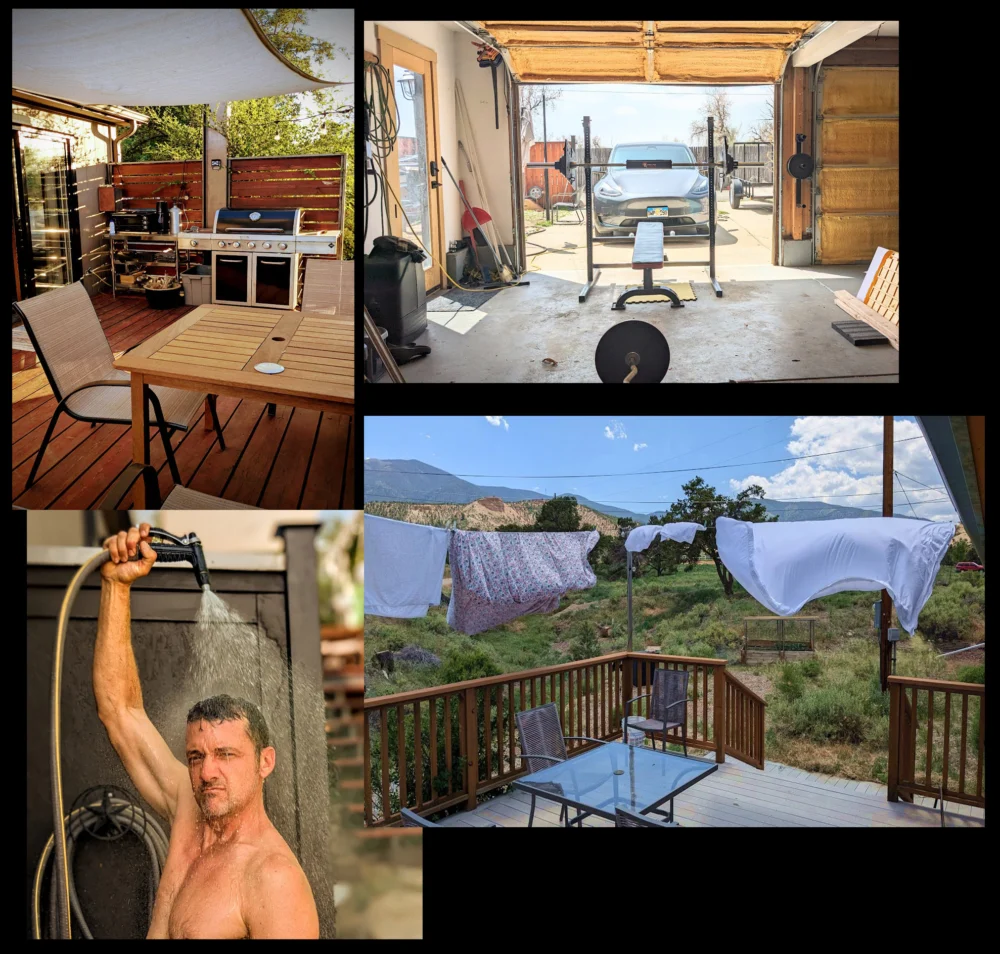
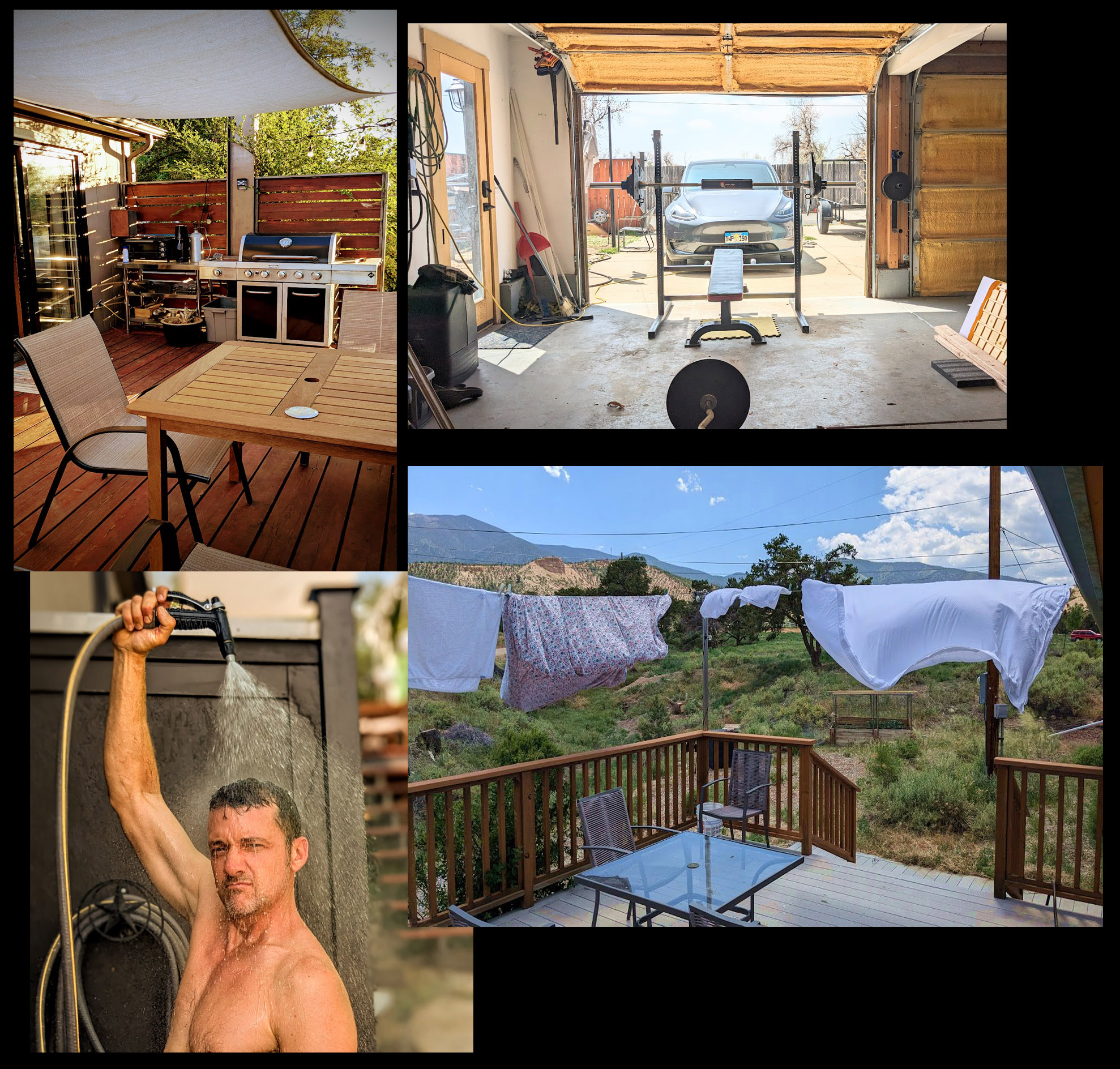
Adeney describes his personality as a unique blend of engineer, carpenter, artist, and mad scientist, combined with a devoted homebody. This confluence of traits manifests in his approach to home energy management, which he jokingly refers to as running his home like a "glamping retreat." This involves continuous experimentation and improvement, from significant structural modifications like installing passive solar windows and sliding doors to smaller, seasonal adjustments. Examples include line-drying laundry, using outdoor showers and kitchens in warm weather, and maintaining a homemade gym. While the combined average gas and electric bill in his area is around $250 per month, his usage amounts to approximately $75. This translates to an estimated $30,000 in compounded savings over a decade. Beyond the financial benefits, this approach reflects a deeper enjoyment of living in harmony with the seasons and the environment, demonstrating that energy efficiency can be a source of personal satisfaction rather than mere cost-cutting. -
Prioritizing Local Living over Constant Travel:
In an era where constant travel is often equated with a fulfilling life, Adeney observes a paradox: many friends are frequently away on trips, often expressing a desire to spend more time at home. He advocates for a more discerning approach to travel, emphasizing the value of local engagement and "home time." By consciously saying "no thanks" to excessive travel and "yes please" to local activities, he experiences numerous benefits: stronger community ties, reduced carbon footprint, less stress, and a deeper appreciation for his immediate surroundings. For a family of four, replacing just two weeks of extensive travel with quality time at home could save an estimated $5,000 per year in direct costs and an additional $5,000 per year in incidental benefits such as enhanced health and local friendships. This cumulative effect leads to a remarkable $143,000 increase in wealth per decade. While acknowledging the inherent value of travel for broadening horizons, Adeney stresses the importance of balance, advocating for selective, enriching trips while cherishing the richness of home and local community life.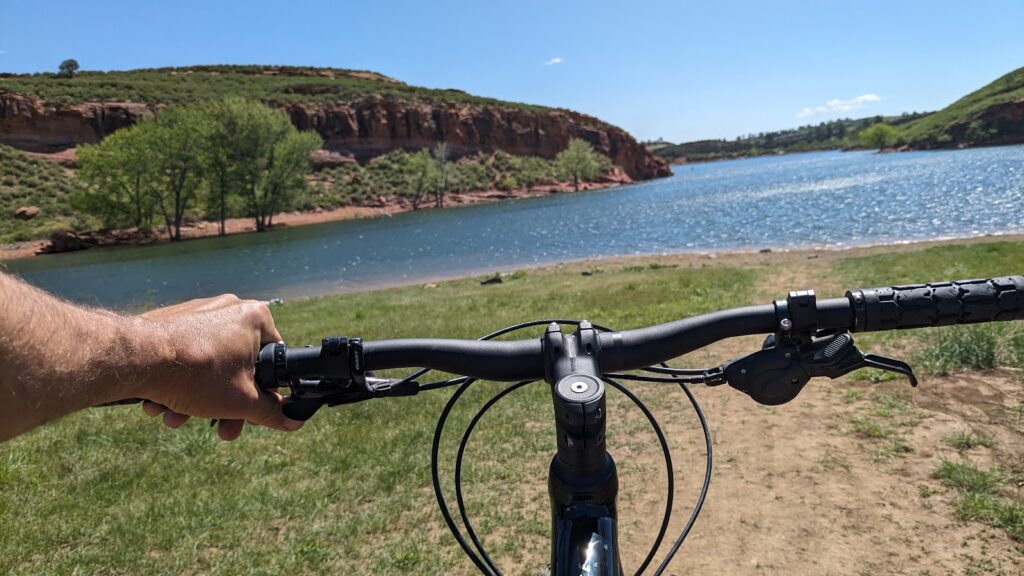
Cumulative Impact and Broader Implications
Cumulatively, these six practices, which Adeney genuinely enjoys and integrates into his daily life, account for an estimated compounded wealth increase of $656,000 every decade. This figure is particularly striking when contrasted with the median wealth held by many American seniors as they approach retirement, often after more than four decades in the workforce. Adeney asserts that a significant portion of his recent wealth accumulation is directly attributable to these consistent, enjoyable habits, which he has maintained both before and after achieving financial independence.
The Mr. Money Mustache phenomenon, therefore, extends beyond mere financial advice; it represents a cultural movement towards mindful living, self-reliance, and community resilience. It demonstrates that financial independence is not solely about accumulating vast sums of money but about cultivating a lifestyle that is inherently efficient, fulfilling, and sustainable. The examples provided highlight that even for those who are financially secure, the principles of frugality, DIY, active living, and community engagement continue to yield substantial benefits, both monetary and non-monetary.

This enduring commitment to Mustachian principles suggests a shift in societal values, where practical skills, sustainable living, and robust community ties are increasingly valued alongside traditional markers of wealth. It offers a compelling counter-narrative to consumerism, demonstrating that a life of abundance can be found not in endless spending but in intentional choices that prioritize well-being, skill development, and a deep appreciation for what one already possesses or can create. The invitation for readers to share their own "quirks and frugal indulgences" further underscores the idea that this approach is not a rigid dogma but a flexible framework for personal discovery and shared improvement, tapping into the innate human drive for curiosity and problem-solving.

