
A recent critique from a reader has sparked a vital discussion within the Financial Independence, Retire Early (FIRE) community, challenging the applicability of its foundational tenets in the post-2019 economic environment. The reader posited that much of the prevailing FIRE advice originates from individuals who benefited from high-paying tech salaries and significantly lower housing costs prior to the pandemic, rendering strategies like "house hacking" or "buying a fixer-upper" largely inaccessible to those currently navigating elevated prices, higher interest rates, and complex zoning regulations. This sentiment underscores a growing concern about whether the path to financial independence remains viable for a broader demographic, particularly those without six-figure incomes or existing homeownership.
The Catalyst: A Reader’s Critical Inquiry
The commentary specifically highlighted a perceived disconnect: "While I still find some of MMM’s advice relevant, it seems like every FI blogger out there worked in tech 20 years ago, pulled down a 6 figure salary and bought a house for a bag of potatoes before 2019." The reader articulated a feeling of being left behind, stating, "I wasn’t smart enough to find FI when I was young so I sometimes feel like a lot of their advice is not going to help me or others who don’t already own a home and don’t have six-figure salaries in this post-pandemic world." Furthermore, the critique pointed to practical barriers, noting that common strategies like Accessory Dwelling Units (ADUs) or multi-unit conversions are often restricted by local zoning ordinances, citing an example of a cousin unable to live in a trailer on his 60 acres of land. This direct challenge prompts a re-evaluation of how enduring the core principles of financial independence truly are.

Historical Context of the FIRE Movement
The FIRE movement, popularized over the last two decades, advocates for aggressive saving and investing to achieve financial independence and retire much earlier than traditional retirement age. Its core philosophy revolves around maximizing the gap between income and expenses, often aiming for a savings rate of 50% or more, to build a sufficient investment portfolio that can generate passive income to cover living expenses. Proponents of FIRE emphasize frugality, conscious spending, and smart financial decisions. However, the movement has faced periodic scrutiny, with critics often declaring it "obsolete" during various economic shifts, including the dot-com bust, the 2008 financial crisis, and periods of market volatility. Each time, its adherents have adapted strategies, demonstrating a resilience often rooted in fundamental financial discipline.
Economic Headwinds: Post-2019 Challenges
The current debate centers on two primary economic shifts: the rise in housing costs and the ongoing relevance of high salaries.
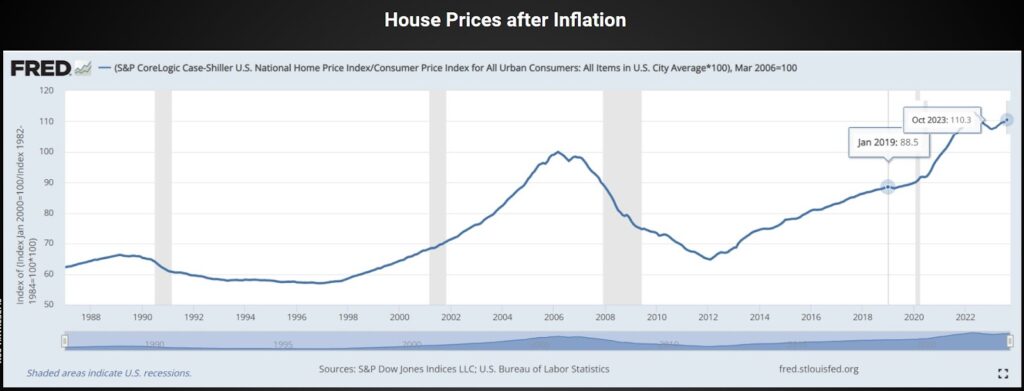
- Housing Market Dynamics: Data from the St. Louis Federal Reserve indicates that, adjusted for inflation, U.S. house prices are approximately 25% more expensive now than at the start of 2019. While this represents a significant increase, it’s notable that prices are only about 10% higher than the previous peak in early 2006, suggesting that the current surge is part of a longer-term upward trend, albeit accelerated in recent years. This national average, however, masks substantial regional disparities. In highly desirable areas, such as Longmont, Colorado, median home prices have tripled since 2011, reaching around $540,000. This disproportionate growth means that for many, homeownership in their local market has become significantly less attainable relative to average incomes. The surge has been fueled by a combination of factors, including historically low interest rates post-pandemic, limited housing supply, increased demand from remote workers migrating to more desirable areas, and heightened investor activity.
- Interest Rate Impact: Compounding the issue of escalating home prices, rising interest rates significantly increase the cost of borrowing for mortgages. A higher interest rate means larger monthly payments for the same loan amount, effectively reducing purchasing power and making homeownership less affordable, even for those who can manage a down payment. This creates a dual challenge: higher prices and higher financing costs.
- Income Disparities: The critique also highlighted the advantage held by individuals in high-earning professions, particularly in the tech sector. While maximizing income is undeniably a powerful lever for accelerating financial independence, the core philosophy of many FIRE advocates, including Mr. Money Mustache, emphasizes that high income alone is not a guarantee of financial security. The existence of high-earning professionals who struggle financially after decades of work underscores the principle that spending habits often dictate financial outcomes more than income levels. The focus, therefore, remains on waste reduction and efficient, joyful living, skills that are universally beneficial regardless of income bracket.
- Regulatory Obstacles: Local zoning laws and regulations present tangible barriers to creative housing solutions. Restrictions on ADUs, multi-unit conversions, or even alternative housing structures like trailers on private land, as highlighted by the reader, limit options for individuals seeking to reduce housing costs through innovative means. These regulations, often designed to maintain neighborhood character or property values, inadvertently hinder affordable housing development and entrepreneurial approaches to homeownership.
Reaffirming Core Principles: The Mustachian Philosophy
Despite these contemporary challenges, proponents argue that the fundamental principles of the FIRE movement remain robust and adaptable. The emphasis shifts from specific tactics (like buying a cheap house in 2005) to overarching strategies of financial optimization and conscious living.
- Emphasis on Spending Efficiency: The core of the Mustachian philosophy centers on ruthlessly eliminating waste and streamlining spending without compromising quality of life. This involves questioning every expenditure, seeking value, and prioritizing experiences over material possessions. For instance, choosing efficient transportation, cooking at home, and engaging in free or low-cost hobbies contribute significantly to a high savings rate, regardless of market conditions. These skills are critical for all income levels, becoming even more potent for those with moderate earnings.
- The Power of Income Maximization (and its limits): While the article acknowledges the benefit of higher incomes, it consistently redirects focus to spending habits. It posits that an individual’s ability to retain and invest their income is paramount. Strategies for increasing income, such as skill development, career advancement, or entrepreneurial ventures, are encouraged. However, the core message remains that even substantial earnings can be squandered without disciplined spending and a clear financial vision.
Strategic Adaptations: Navigating the Housing Landscape
Given the current housing climate, the FIRE movement encourages a proactive and data-driven approach to housing decisions, moving beyond conventional assumptions.
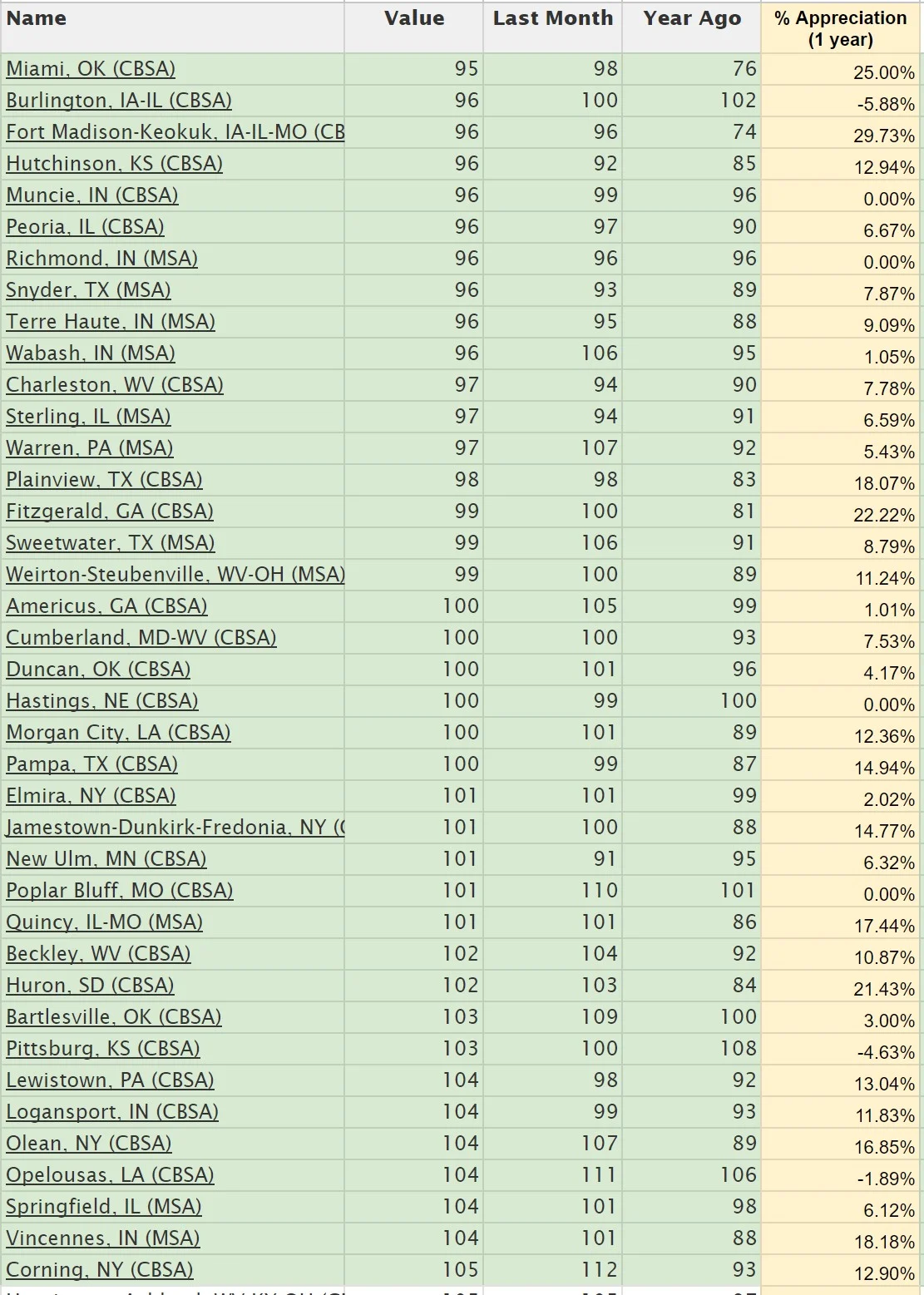
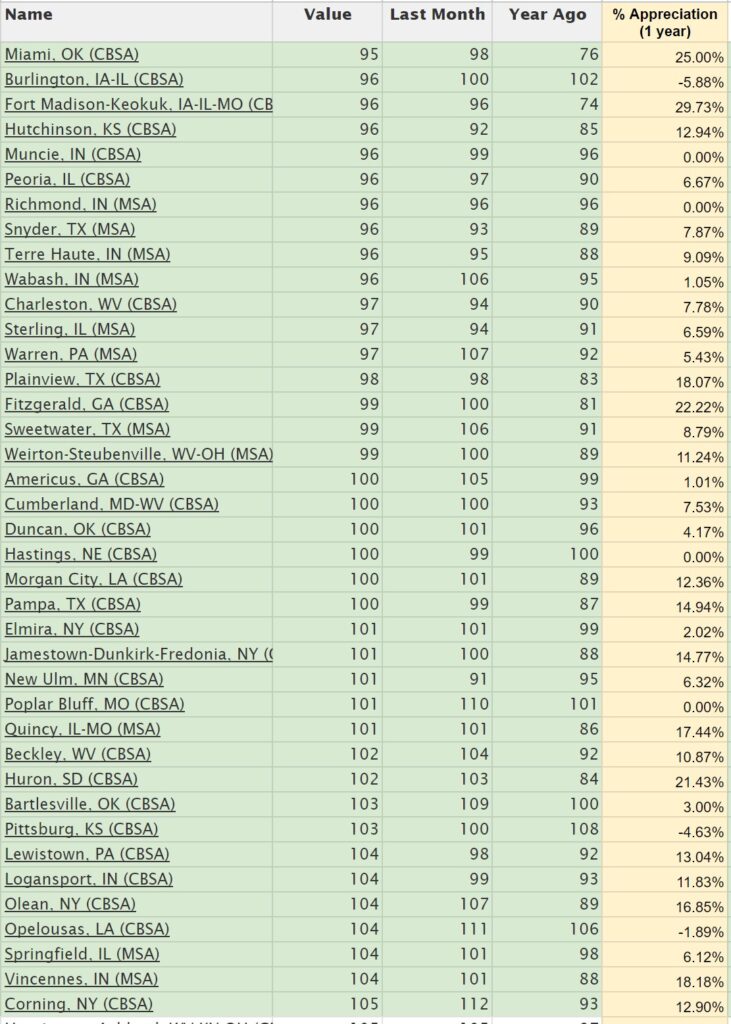
- Data-Driven Decision Making: Leveraging tools like the St. Louis Federal Reserve’s housing data (which tracks price per square foot across metro areas) allows individuals to make informed choices. This quantitative analysis moves beyond emotional attachments to a specific location and provides an objective baseline for comparing housing markets. For instance, a hypothetical comparison between Longmont, Colorado (approx. $450/sq ft) and other cities reveals significant cost discrepancies.
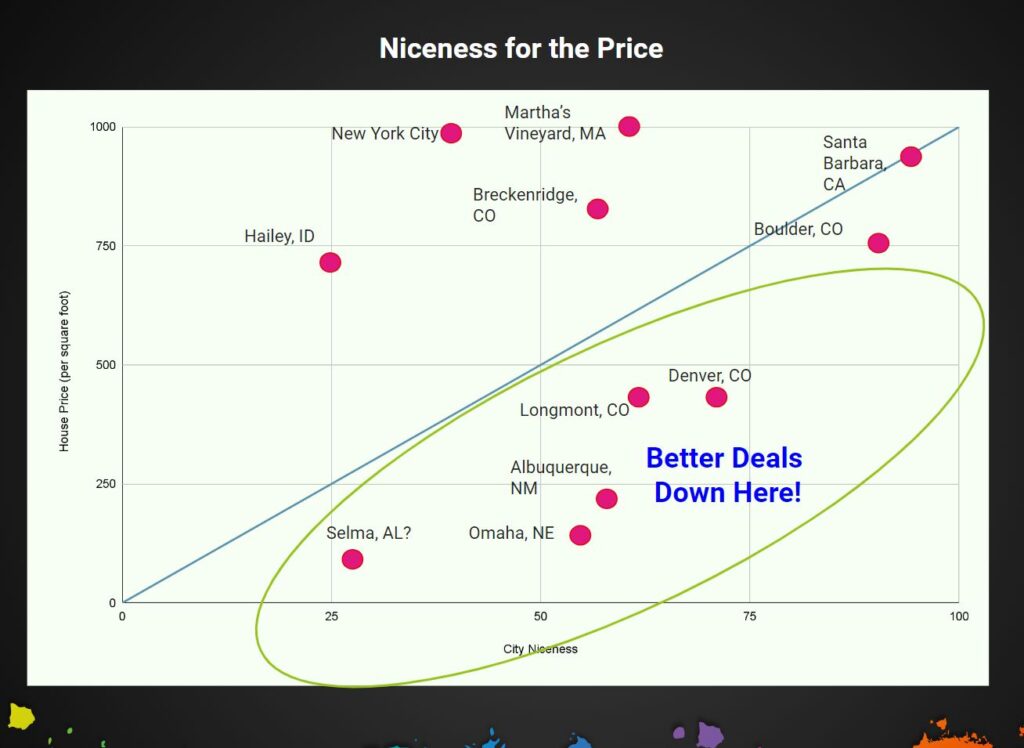
- The Role of Geographic Arbitrage (Domestic): The concept of "house shopping with your middle finger" encourages individuals to defy cultural norms that dictate staying in one’s birth city regardless of cost. Geographic arbitrage within the United States involves intentionally relocating to areas with a lower cost of living, particularly lower housing prices, to accelerate financial independence. While emotional ties to a location are strong, the financial benefits of moving from a high-cost-of-living area to a more affordable one can be transformative. This strategy necessitates a thorough evaluation of various cities, weighing factors like amenities, job opportunities (if still working), climate, and community feel against housing costs. For example, comparing Longmont, CO, with its $540,000 median home price, against cities like Albuquerque (potentially lower cost) or even other Colorado cities like Denver (offering different value propositions at similar price points) illustrates this choice. The analysis also highlights "mid-cheap metros" where a 2,000 sq ft house might be available for $200,000, underscoring the vast disparity in U.S. housing markets.
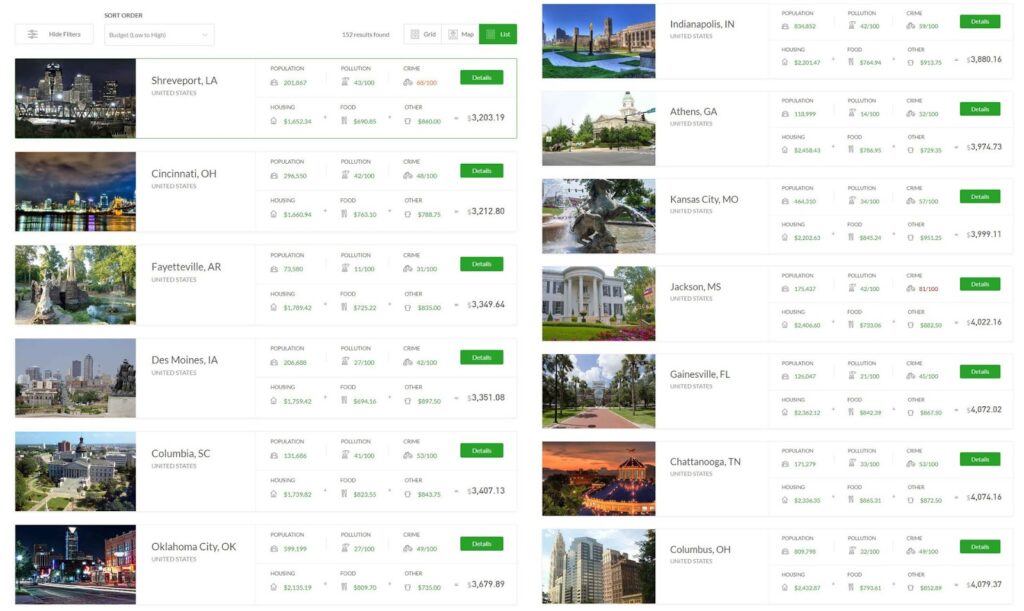
- Exploring International Options (The Earth Awaits): For those willing to cast a wider net, international relocation represents an even more potent form of geographic arbitrage. Websites like "The Earth Awaits" provide comprehensive data on cost of living, climate, and quality of life across various global locations. A hypothetical search for a two-person family in North America with a budget of $0-$6000/month and mild winters might yield cities like Fayetteville, Columbia, or Chattanooga, offering significantly lower living expenses compared to many U.S. urban centers. Expanding this search to South America further reveals numerous affordable and attractive options, such as Medellin (Colombia), Buenos Aires (Argentina), or Santiago (Chile), which can drastically alter the timeline for achieving financial independence. These international locales often offer a high quality of life, rich cultural experiences, and access to natural beauty at a fraction of the cost found in many developed nations.
Overcoming Relocation Hurdles
The prospect of moving, especially internationally, can appear daunting due to complexities surrounding visas, laws, cultural integration, and logistical challenges. However, proponents frame these as "Adulting Puzzles" – a series of manageable tasks that, while requiring effort, pale in comparison to the long-term burden of financial stress or prolonged working years. These include researching visa requirements, understanding local laws, navigating healthcare systems, and adapting to new social norms. The learning curve, while steep, is often cited as a growth opportunity that broadens perspectives and builds resilience. The investment of time and effort in planning a move can yield substantial financial and lifestyle dividends, liberating individuals from the constraints of high-cost areas.
The Evolving Face of FIRE: Implications for Future Generations
The current economic environment necessitates an evolution in how the FIRE movement is perceived and practiced. It underscores that the path to financial independence is not a one-size-fits-all formula but rather a flexible framework requiring continuous adaptation. For younger generations and those without historical advantages, the emphasis shifts even more profoundly towards:
- Extreme Frugality and Conscious Consumption: Mastering the art of living well on less becomes a non-negotiable skill.
- Geographic Flexibility: A willingness to relocate, domestically or internationally, is increasingly a strategic advantage, if not a necessity.
- Skill Development and Income Diversification: While not the sole focus, enhancing earning potential and exploring multiple income streams remain important complementary strategies.
- Community and Resource Sharing: Collective living arrangements, shared resources, and community support can mitigate individual cost burdens.
The enduring lesson from the FIRE movement, particularly in challenging economic times, is that financial independence is primarily a choice rooted in mindset and strategic action, rather than an outcome solely dependent on external economic conditions. By embracing data-driven decision-making, challenging societal norms, and being open to significant life changes like relocation, individuals can continue to chart a course toward early financial freedom, even as the economic landscape continues to shift. The conversation sparked by the reader’s critique ultimately reinforces the dynamic and adaptable nature of the pursuit of financial independence.

