
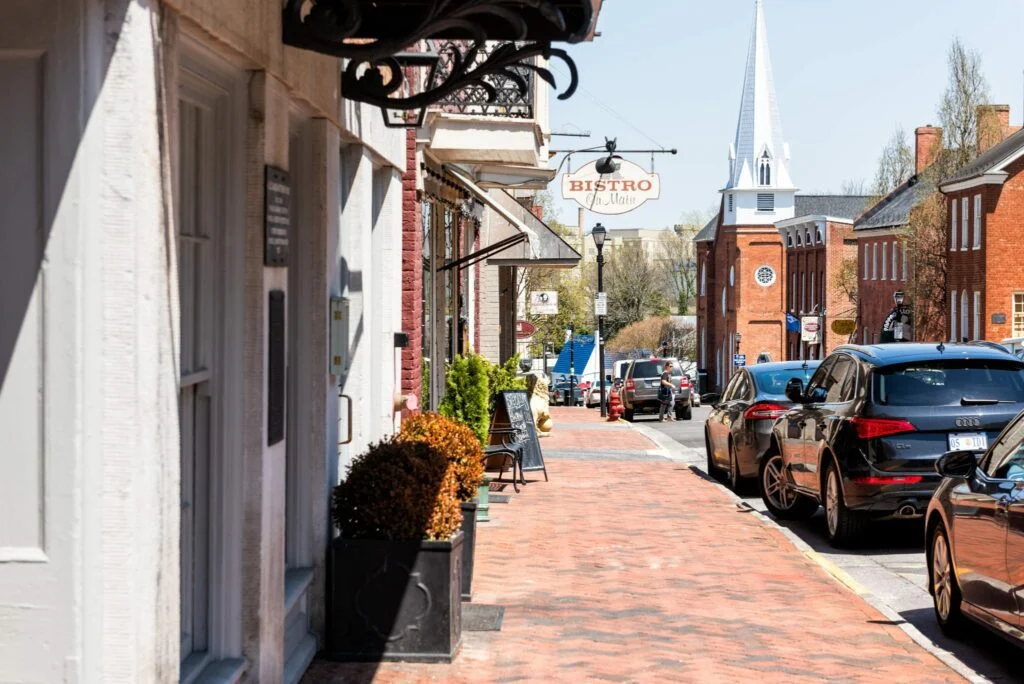
The prospect of retirement often ushers in a newfound freedom, a significant aspect of which is the ability to choose one’s place of residence, liberated from the geographical constraints of employment. This transition, however, can present a complex decision-making process. As individuals contemplate this pivotal life change, a growing emphasis is being placed on "livability" as a paramount factor in selecting a retirement destination. This concept transcends mere climate or cost of living, encompassing a holistic view of community infrastructure, accessibility, and social integration.
To navigate this complex landscape, individuals have historically relied on a variety of methods. For instance, Matt Pittman and Kris Jennings diligently monitor annual "best places to retire" lists published by various media outlets, seeking to distill insights from curated rankings. Meanwhile, Katherine and Barry Johnson dedicate their weekend afternoons to immersing themselves in travelogues and exploring "retire here" websites, gathering visual and anecdotal information to inform their choices. Rob Kirby and his partner John have even developed a personalized system, a proprietary Excel spreadsheet they playfully call "Could We Retire Here?", which they employ during their travels to meticulously evaluate potential hometowns against a detailed checklist of their specific needs, including proximity to a cooperative living arrangement and a university.
In response to this evolving need for comprehensive and data-driven decision-making, AARP has launched an innovative online tool designed to assist prospective retirees. The Livability Index—Great Neighborhoods for All Ages, accessible at livabilityindex.aarp.org, provides a user-friendly platform for comparing and contrasting neighborhoods across the United States based on a broad spectrum of livability factors. This tool represents a significant step forward in empowering individuals to make informed decisions about where they will spend their retirement years.
The Paramountcy of Livability in Retirement Planning
The significance of livability in the context of aging and retirement cannot be overstated. Jay Haapala, AARP Minnesota Associate State Director for Community Engagement, emphasizes, "Because where we live as we age is a good indicator of how well and even how long we’ll live." This statement underscores the profound impact of one’s environment on overall well-being and longevity. Haapala further elaborates, "All places are not equal in this way, and there’s much more to livability than nice weather. Plus, when we plan for older adults, we plan for everyone." This inclusive perspective highlights that communities designed with the needs of older adults in mind often benefit individuals of all ages and abilities, fostering a more robust and equitable society.
Defining a Livable Community: A Multifaceted Approach
According to AARP’s framework, a livable community is characterized by its capacity to support individuals of all ages, abilities, and income levels, enabling them to thrive. This encompasses several key pillars:
- Affordability: The financial feasibility of living in a community, including housing costs, transportation expenses, and the general cost of goods and services. This is particularly crucial for retirees who may be living on fixed incomes.
- Access to Services: The availability and proximity of essential services such as healthcare facilities, grocery stores, pharmacies, and social services. Ease of access is paramount, especially for those with mobility challenges.
- Transportation: The existence of diverse and accessible transportation options, including public transit, walkable streets, and safe pedestrian and cycling infrastructure. This promotes independence and reduces reliance on personal vehicles.
- Housing Options: The availability of a variety of housing types to suit different needs and preferences, such as single-family homes, apartments, condominiums, and specialized senior living facilities. This allows individuals to age in place or find suitable accommodations as their needs change.
- Opportunities for Engagement: The presence of social, recreational, and civic engagement opportunities that foster a sense of belonging and community. This includes parks, community centers, volunteer organizations, and cultural events.
- Safety and Security: A community environment that prioritizes the safety and security of its residents, with low crime rates and well-maintained public spaces.
- Health and Well-being: Access to healthy food options, recreational facilities, and environments that promote physical and mental well-being.
Leveraging the Livability Index for Informed Decisions
The AARP Livability Index empowers users to conduct detailed assessments of potential retirement locations. The process is straightforward: by entering an address, city, state, or ZIP code, users can access a comprehensive score (ranging from 0 to 100) for a given community. This score is derived from an analysis of seven key areas that significantly influence an individual’s quality of life.
These seven critical areas, as measured by the Livability Index, include:
- Housing: This metric evaluates the affordability and availability of diverse housing options, considering factors like the proportion of income spent on housing costs and the variety of housing types available.
- Neighborhoods: This category assesses the walkability, accessibility to amenities, and overall quality of the neighborhood environment, including factors like the presence of sidewalks, parks, and retail services within a certain radius.
- Transportation: This component examines the accessibility and affordability of various transportation modes, including public transit routes, frequency of service, and the availability of pedestrian and cycling infrastructure.
- Environment: This area focuses on the quality of the natural and built environment, considering factors such as air and water quality, access to green spaces, and the presence of environmental hazards.
- Health: This metric assesses access to healthcare services, including the availability of hospitals, doctors, and specialists, as well as factors contributing to overall community health, such as access to healthy food and recreational opportunities.
- Civic Engagement: This component measures opportunities for community involvement, such as the presence of volunteer organizations, community events, and voting participation rates, reflecting the social fabric of a community.
- Economy: This area considers the economic vitality of a community, including employment opportunities, median income levels, and the cost of living, which are crucial for financial planning during retirement.
The Livability Index offers advanced customization features, allowing users to compare up to three locations side-by-side and tailor the results to their specific priorities. "You can even see how the west side of a town differs from the east side," notes Haapala. "Plus, you can drill down into the specific criteria that are important to you." This granular level of detail allows for highly personalized evaluations. For instance, an individual passionate about literature can ascertain the proximity of a potential residence to a public library and assess the frequency of author readings or literary events. Similarly, a retiree who relies on public transportation to visit grandchildren can evaluate the stroller-friendliness and accessibility of the city’s transit system, even if they no longer drive.
Broader Implications and Future Outlook
The development and widespread adoption of tools like the AARP Livability Index carry significant implications for urban planning, public policy, and individual well-being. By providing concrete data and objective metrics, these resources can influence how communities are designed and developed to better serve an aging population. This, in turn, can lead to more inclusive, accessible, and supportive environments for all residents.
The current global context, marked by the ongoing pandemic, has further amplified the importance of such tools. With many individuals spending more time at home and facing travel restrictions, virtual exploration of potential retirement destinations has become an essential strategy. The Livability Index offers a safe and effective way to conduct preliminary research and gain a comprehensive understanding of a community’s attributes without the need for physical presence.
The underlying philosophy of planning for older adults benefits everyone. As communities become more accessible, walkable, and rich in social engagement for seniors, they inherently become more desirable and functional for families with young children, individuals with disabilities, and indeed, all members of society. This holistic approach to community development fosters intergenerational connections and strengthens the social fabric, creating more vibrant and resilient places to live.
As individuals approach retirement, the decision of where to settle is a deeply personal one. However, by embracing data-driven insights and prioritizing the multifaceted concept of livability, prospective retirees can make more informed choices that align with their desired lifestyle, ensuring a fulfilling and well-supported future. The AARP Livability Index serves as a powerful catalyst in this crucial process, offering a pathway to discovering not just a place to live, but a place to truly thrive.
Bev Bachel, the author of this article, is a freelance writer and an AARP member who finds great value in the livability of her Minneapolis neighborhood. She is also recognized for her book, What Do You Really Want? How to Set a Goal and Go for It: A Guide for Teens, demonstrating a commitment to empowering individuals in their life-planning endeavors.

