
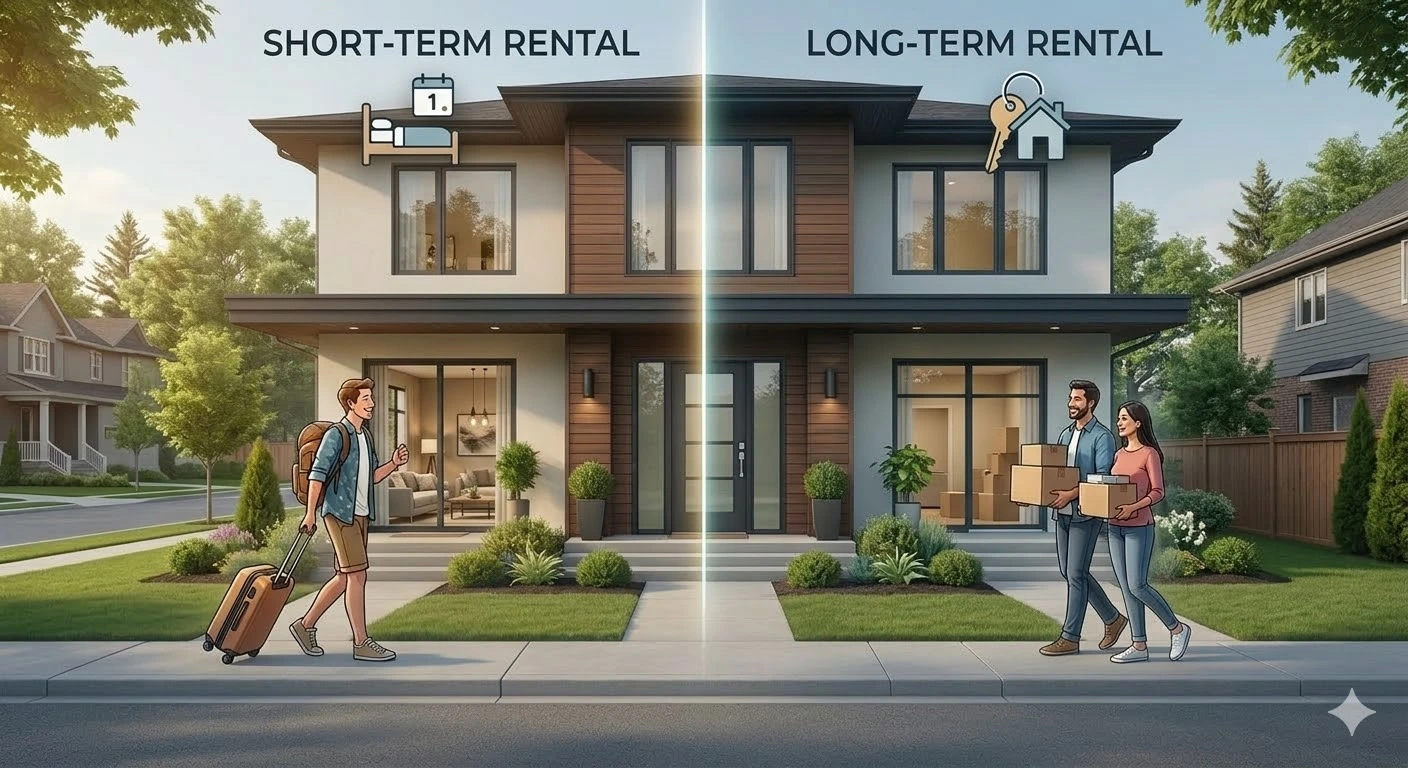
Just a few years ago, the allure of short-term rental properties, particularly through platforms like Airbnb, painted a picture of effortless passive income. College students were reportedly supplementing their earnings by renting out spare bedrooms, and the narrative of quick, accessible cash flow was widespread. This perception, amplified by the surge in travel demand during the post-pandemic boom of 2021-2022, drew a significant influx of real estate investors. The prevailing sentiment was that acquiring a property in almost any location, listing it on Airbnb, and voilà – a new cash-flowing asset was added to one’s portfolio. Data from that period often supported this notion, with market averages indicating that short-term rentals frequently outperformed their long-term counterparts in numerous U.S. markets.
However, the landscape has dramatically shifted by 2026. In many of these once-lucrative markets, short-term rental occupancy rates and revenue growth have decelerated, coinciding with a notable increase in regulatory oversight. The notion of short-term rentals as a purely passive income stream has largely evaporated, with many investors now recognizing it as a full-fledged business requiring active management. Simultaneously, the traditional long-term rental market, while historically offering stability, has also presented its own set of emerging challenges. Amidst this evolving dynamic, a third category, the mid-term rental, has gained prominence, further complicating the decision-making process for investors. The era of a clear-cut, universally superior rental strategy appears to be over, necessitating a more nuanced and data-driven approach.
Real estate investors today are compelled to rigorously re-evaluate their options, weighing the distinct advantages and disadvantages of each rental strategy. This critical assessment now extends beyond mere potential returns to encompass a complex interplay of legal frameworks, escalating costs, shifting demographic trends, occupant management, and the fundamental nature of the investment itself—whether active or passive.
The Shifting Tides of Regulation: Laws Governing Rental Properties
Historically, the regulatory environment for short-term rentals lagged significantly behind their burgeoning popularity. This regulatory vacuum made it considerably easier to enter the short-term rental market compared to traditional long-term rentals, which had been subject to established landlord-tenant laws for decades. However, by 2026, this disparity has largely diminished. Most housing markets, especially those heavily reliant on tourism, now have comprehensive short-term rental regulations in place. Cities like New York City, Honolulu, Santa Monica, New Orleans, and San Francisco have implemented what are often described as "de-facto" bans, enacting such stringent laws that they effectively prohibit most short-term rental operations.
These regulations can encompass a wide array of requirements, including:
- Licensing and Permit Fees: Annual or one-time fees to operate legally.
- Zoning Restrictions: Limitations on where short-term rentals can be established.
- Occupancy Limits: Caps on the number of guests allowed.
- Safety Standards: Requirements for fire safety equipment, inspections, and accessibility.
- Tax Obligations: Specific local taxes levied on short-term rental income.
- Noise and Nuisance Ordinances: Rules designed to mitigate guest disturbances to permanent residents.
- Minimum Stay Requirements: Mandates for rentals to be a certain duration.
For real estate investors in 2026, the ability to navigate and comply with this intricate web of regulations is paramount. The cost and complexity of ensuring legal compliance can significantly impact profitability and even the feasibility of operating a short-term rental. Resources like Mashvisor’s portal offer a consolidated view of U.S.-wide short-term rental regulations, providing a vital tool for investors to quickly assess the legality of their intended ventures.
However, the regulatory evolution is not confined to the short-term rental market. Traditional, long-term rental properties are also experiencing a tightening of legal frameworks in many major cities. While landlords have historically adhered to location-specific laws dating back to the early 20th century, 2026 has seen the emergence of new legislation increasingly tilting the balance in favor of tenants, thereby increasing costs and operational complexities for landlords.
Examples of evolving long-term rental laws include:
- California: The Tenant Protection Act of 2019 (AB 1482) introduced statewide rent control and just cause eviction protections, limiting annual rent increases and requiring specific reasons for termination. More recent legislative efforts continue to explore further tenant protections.
- Washington: Laws have been enacted to limit late fees, require relocation assistance for no-fault evictions, and establish caps on rent increases.
The trend of states enacting tenant-friendly legislation suggests that even markets not currently at the forefront of these changes may see similar laws adopted in the future. Consequently, real estate investors must conduct thorough due diligence on the legal landscape, irrespective of their chosen rental strategy. A comprehensive understanding of applicable laws is no longer a recommendation but a necessity.
The Escalating Costs of Real Estate Investment
The financial commitment associated with real estate investment has intensified across the board. While short-term rentals have consistently been the more capital-intensive option, the overall cost of owning and operating rental properties has risen for both short-term and long-term strategies. General increases in U.S. home prices, coupled with higher property taxes, elevated mortgage rates, and escalating insurance premiums, contribute to a more challenging financial environment.
For short-term rental properties, the cost implications of regulatory changes are substantial. Investors may face:
- Permit and Registration Fees: Many jurisdictions now require annual fees for operating short-term rentals, adding a fixed overhead.
- Fines for Violations: Non-compliance with any of the myriad regulations can result in substantial financial penalties.
- Additional Taxes: Some areas are implementing specific taxes on short-term rental revenue.
- Platform Fee Increases: Airbnb, for instance, introduced new platform fees in 2025, directly impacting host profitability.
Beyond these regulatory-driven costs, market saturation has introduced a new layer of expense. The competitive nature of the short-term rental market means that simply providing a place to stay is often insufficient. For example, in popular tourist destinations like Gatlinburg, Tennessee, certain amenities, such as a hot tub, have become baseline expectations for an Airbnb listing, representing an additional capital investment required to remain competitive. This constant need to differentiate and enhance property appeal incurs ongoing costs.
Consequently, operating a vacation rental property in 2026 is demonstrably more expensive than it was just a few years prior.
In the realm of long-term rental properties, rising costs are also evident. New tenant protection laws often mandate upgrades, such as ensuring a working stove and refrigerator, which can represent significant upfront expenses. Furthermore, tenants’ increasing awareness of energy efficiency necessitates investments in more sustainable and energy-efficient features for rental properties, contributing to higher operational overheads.
The initial setup and ongoing expenses for both rental strategies are no longer what they once were. Real estate investors must meticulously re-evaluate these costs, moving beyond general estimates to obtain precise financial projections. A comprehensive understanding of both anticipated income and expenditures is crucial for determining which strategy will yield the most favorable cash flow before committing capital.
The Strategic Importance of Location in Rental Investment
The impact of location on rental property performance has always been significant, but in 2026, the considerations have become more complex. Beyond the legal implications discussed earlier, investors must analyze evolving market dynamics and demographic shifts.
Travel trends are in constant flux, and the issue of market saturation adds another critical layer to location-based decisions. For traditional long-term rentals, data indicates a continued migration towards the Southeast and Mountain West regions of the United States, a trend often referred to as the "Sunbelt migration." This contrasts with the preference for larger urban centers that dominated a decade ago. Understanding where people are moving is only part of the equation; the crucial next step is determining how to strategically position a rental asset within these shifting demographic patterns.
Daryl Fairweather, Chief Economist for Redfin, offers valuable insights into these market dynamics. When asked about markets likely to see conversions from short-term to long-term rentals, Fairweather suggests that these conversions are most probable in areas where short-term rental economics are weakening or regulations are tightening. "Conversions are most likely where short-term economics weaken or regulations tighten," she explains. "This means if the revenue from short-term rentals starts to fall, but the underlying demand for long-term housing in that area remains strong, investors will naturally shift their properties to long-term leases." She further elaborates that "conversions cluster where STR revenue softens but long-term fundamentals remain solid."
Conversely, Fairweather notes that some markets will continue to favor short-term rentals. "Yes, some markets will still favor STRs," she states. The success of these ventures, however, is increasingly contingent on sophisticated operational strategies. "STR success depends on professional management, dynamic pricing, and consistent demand," Fairweather emphasizes. She cautions that "passive Airbnb investments in random towns are risky." This underscores the need for investors to thoroughly research and understand the specific market dynamics that support either short-term or long-term rental profitability.
Understanding the Occupant: Guest vs. Tenant Dynamics
A key differentiator that historically attracted investors to short-term rentals was the perception of the temporary guest as a less problematic occupant compared to long-term tenants. The assumption was that transient guests would not present the common challenges associated with long-term tenancy, such as:
- Wear and Tear: Minimal long-term damage to the property.
- Evictions: The complex and costly process of removing problematic tenants.
- Property Damage: Reduced risk of extensive vandalism or neglect.
- Maintenance Issues: Fewer ongoing, day-to-day repair requests.
- Tenant Disputes: Limited opportunities for conflicts between landlord and tenant.
The idealized image of the Airbnb guest as the perfect occupant, however, has been challenged by a growing number of documented "horror stories" shared online. These accounts detail instances of:
- Property Damage: Guests causing significant destruction to furnishings and the property itself.
- Theft: Items being stolen from the rental.
- Parties and Disturbances: Unauthorized gatherings leading to noise complaints and potential legal issues.
- Illegal Activities: Guests engaging in prohibited behavior on the premises.
- Overcrowding: Exceeding occupancy limits, potentially violating local ordinances.
Beyond these behavioral risks, the operational costs of accommodating short-term guests are substantial. Providing high-speed internet, hotel-like amenities, and frequent professional cleaning contribute to higher ongoing expenses compared to long-term rentals.
In 2026, the dichotomy between "ideal" and "problematic" occupants is less clear-cut. Both short-term guests and long-term tenants require distinct management approaches and present unique sets of potential issues and associated costs. Real estate investors must critically assess their capacity to manage these different dynamics, factoring in risk mitigation strategies and contingency plans for potential challenges inherent in each occupancy type.
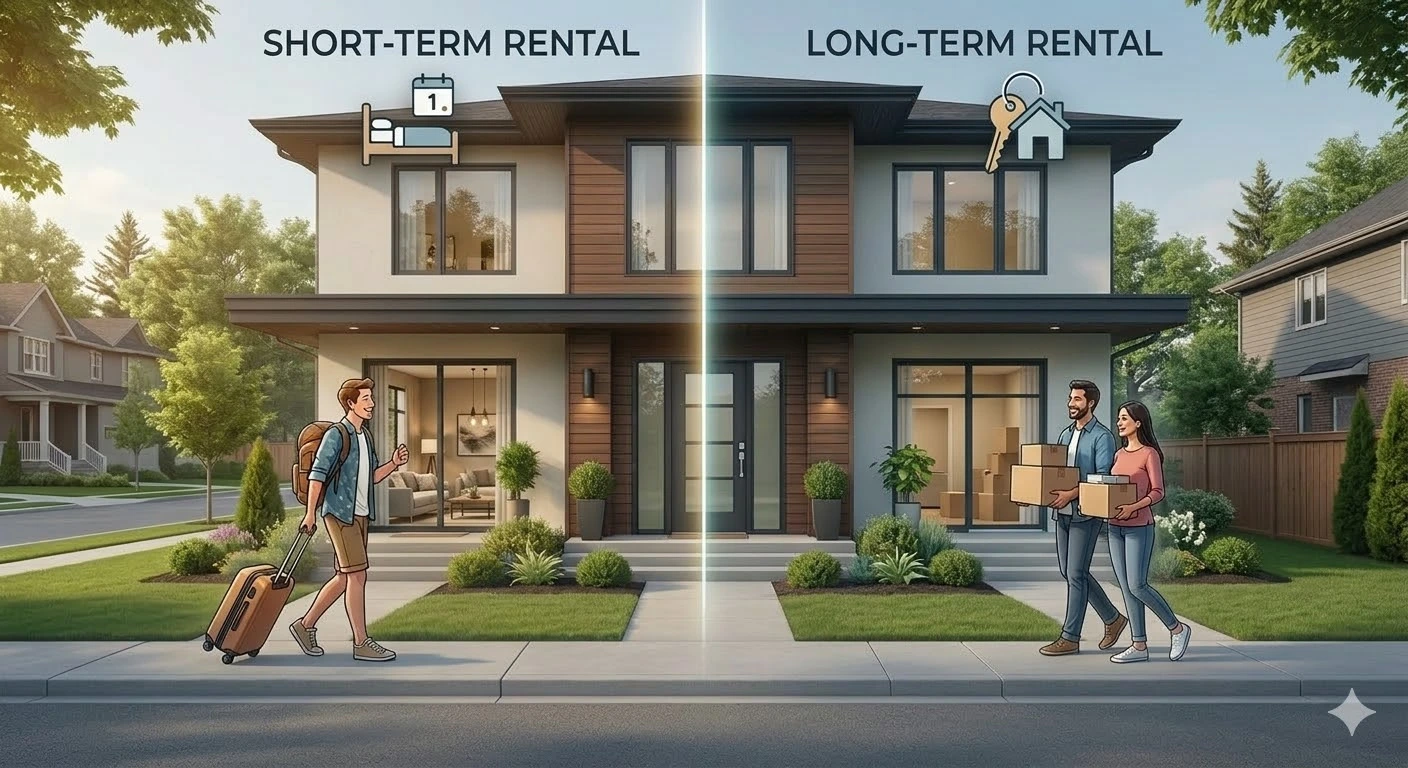
The Reality of Effort: Active Management vs. Perceived Passivity
The initial appeal of short-term rentals was heavily rooted in the promise of passive income. However, engagement with online communities and forums for Airbnb and short-term rental hosts reveals a dominant theme: the realization that operating a hospitality business demands significant effort. For hosts who choose to manage their properties directly rather than outsourcing to a property manager, the investment becomes decidedly active.
Similarly, being a landlord of a long-term rental property is also recognized as an active endeavor. While the perception of short-term rentals as passive has largely faded, traditional rentals have always been known to require substantial effort at specific junctures, such as managing tenant turnover, handling emergency maintenance calls, and navigating the eviction process.
Both investment types can be transformed into a more passive undertaking by hiring a professional property manager. However, the decision to do so hinges on the profitability of the investment and whether management fees would unduly erode cash flow. Typically, property management fees for long-term rentals (often single-family homes) range from 8% to 12% of the monthly rental income. For short-term rentals, these fees are considerably higher, usually falling between 15% and 25% of monthly income, reflecting the increased complexity and demands of managing transient guests.
Ultimately, neither being a short-term rental host nor a long-term landlord is inherently passive. Real estate investors must realistically assess their capacity for day-to-day operations and the time commitment involved. Alternatively, incorporating property management costs upfront into investment property analysis is essential for achieving a truly passive rental income stream.
The Emerging Third Option: The Mid-Term Rental Property
The investment decision in 2026 is no longer a simple binary choice between short-term and long-term rentals. A significant third option has entered the market: the mid-term rental property. Also known as monthly rentals, mid-term rentals typically span a duration of one to six months, and sometimes up to twelve months. They occupy a middle ground, offering a blend of flexibility and stability.
The primary occupants of mid-term rentals are often traveling professionals, particularly nurses and other healthcare workers who require temporary housing. Other common tenants include individuals on extended business trips, digital nomads seeking a base for a few months, and people in the process of relocating.
Due to this specific tenant demographic, mid-term rentals tend to thrive in particular locations:
- Areas with Large Hospitals or Healthcare Networks: Catering to traveling medical professionals.
- Cities with Significant Business Travel: Accommodating corporate travelers.
- University Towns: Providing housing for visiting scholars or faculty.
- Areas Experiencing Economic Growth or Development Projects: Housing for temporary workers.
A significant advantage of mid-term rentals is their ability to often circumvent the stringent regulations that plague short-term rentals. While short-term rentals face complex rules in many markets, mid-term rentals generally fall under less restrictive frameworks. Furthermore, although short-term rentals may command higher average daily rates (ADRs), mid-term rentals often exhibit higher occupancy rates. This, combined with reduced turnover costs and fewer cleaning fees compared to short-term rentals, can translate into greater overall profitability within the same real estate market.
When compared to traditional long-term rental properties, mid-term rentals offer greater flexibility and are typically furnished. This convenience often leads tenants to pay a premium, with reports indicating rents between $600 to $800 higher per month than for comparable long-term leases. The emergence of this hybrid strategy presents real estate investors with another compelling avenue for generating consistent cash flow, requiring a re-evaluation of which option best suits specific markets where all three strategies are viable.
Charting the Course: Choosing the Right Rental Strategy
The decision of which rental strategy to adopt is fundamentally influenced by an investor’s location and risk tolerance. However, the ultimate objective remains consistent: to achieve the highest possible cash flow and return on investment. To make an informed decision in 2026, investors must leverage reliable market data. This includes analyzing Airbnb occupancy rates, long-term rent estimates, and historical performance trends to accurately project profitability before acquiring a property.
Tools like Mashvisor’s real estate investment platform provide access to comprehensive short-term and long-term rental data, enabling investors to quickly assess the potential performance of any given listing. For mid-term rentals, combining data from these platforms with supplemental market intelligence can facilitate accurate future earnings calculations.
The Next Strategic Move: Re-evaluating Existing Portfolios
For some real estate investors, 2026 represents a critical juncture for re-evaluating their current rental property holdings. A once-thriving short-term rental property might now be struggling in an oversaturated market, leading to significantly diminished profit margins. Alternatively, newly enacted regulations may render the operation of such a business legally untenable.
Investors who determine that exiting the short-term rental market is the most prudent course of action must then decide on their next strategic move: converting the property to a long-term rental or selling it outright.
Convert or Sell Your Rental Property? A Strategic Decision
This decision is far from straightforward and requires a meticulous examination of prevailing real estate market trends and the investor’s financial circumstances. Is the current market conducive to a profitable sale, or would holding onto the property mean foregoing potential gains? Can the investor afford to hold the property while awaiting a sale, or would carrying costs lead to negative cash flow? Critically, how are long-term rentals performing in the same market?
Daryl Fairweather of Redfin offers guidance on when an investor might consider selling a vacation property instead of converting it. "An investor should consider selling when the property no longer justifies the complexity and risk of short-term rentals or when the capital could be better used elsewhere," she advises. She further elaborates that investors should "sell if the property no longer provides strong returns, market prices are favorable, or regulations make your STR strategy unprofitable." This perspective highlights the importance of a holistic financial and operational assessment.
If the real estate market conditions support a successful conversion to a long-term rental, Fairweather suggests focusing on several key areas:
- Strategic Business Decision: Treating the conversion as a deliberate business move, not an afterthought.
- Market Research: Understanding local rental demand and competitor pricing.
- Property Preparation: Ensuring the property meets long-term rental standards and tenant expectations.
- Pricing Strategy: Setting competitive rental rates that reflect market value and ongoing costs.
"Long-term rentals offer predictability over upside," Fairweather concludes. "Treat the conversion as a strategic business decision."
Conclusion: Data-Driven Decisions in a Dynamic Market
The rental property market in 2026 is characterized by significant shifts, affecting both short-term and long-term investment strategies. However, the fundamental principle of opportunity remains constant. Real estate investment prospects are abundant, but they demand a more discerning and data-driven approach. Investors must be more selective and leverage robust market data to inform their decisions.
For those committed to a particular strategy, the imperative is to identify the right real estate market and the most suitable property within that market. Utilizing analytical tools like Mashvisor can significantly aid in this process, providing the necessary data to discern which rental strategy is poised to perform best for any given listing. The future of successful real estate investment lies in adapting to these evolving dynamics and making informed, strategic choices.
Frequently Asked Questions
1. Can short-term rentals still be profitable in 2026?
Yes, short-term rentals can still be profitable in 2026, but profitability is highly dependent on factors such as location, prevailing regulations, occupancy rates, and operational costs. In tourism-driven markets with robust demand, Airbnb rentals may indeed generate higher income than traditional leases. However, investors must conduct thorough due diligence on local laws and market competition before committing capital.
2. What is the difference in profitability between short-term and long-term rentals?
Short-term rentals often yield higher revenue on a per-night basis, but long-term rentals offer more stable, predictable monthly income and generally incur lower management costs. The most profitable strategy is context-dependent, influenced by local tourism demand, rental regulations, property prices, and anticipated occupancy rates.
3. How do short-term, mid-term, and long-term rentals differ?
Short-term rentals are typically booked for a few nights or weeks via platforms like Airbnb. Mid-term rentals generally range from 1 to 6 months and are popular with traveling professionals or digital nomads. Long-term rentals are traditional leases lasting 6 to 12 months or more, providing landlords with consistent, stable income.
4. Is Airbnb a better investment than long-term rentals?
Airbnb can generate higher income in high-demand markets, particularly in tourist destinations. However, it necessitates more active management, higher operating expenses, and strict adherence to local regulations. Long-term rentals typically offer more predictable cash flow and fewer day-to-day management responsibilities.
5. How should investors choose between short-term and long-term rental strategies?
Investors should compare projected rental income, occupancy rates, operating costs, and local regulations before selecting a rental strategy. Analyzing historical rental data and market trends is crucial for determining whether a property is likely to perform better as a short-term or long-term rental.

