

The implementation of early childhood financial literacy programs has gained significant traction among educators and parents seeking to prepare the next generation for an increasingly complex global economy. In the rural landscape of Vermont, a localized approach to this education has emerged, utilizing traditional community events such as county fairs and school-sanctioned book fairs as practical laboratories for economic theory. By transitioning from passive observers to active market participants, children as young as five and seven are beginning to navigate the fundamental principles of earning, debt, and discretionary spending. This structured approach, often referred to as a "family money philosophy," seeks to demystify the mechanics of currency and labor, providing a scaffolded educational experience that evolves with the child’s cognitive development.
The County Fair as a Micro-Economic Environment
The annual county fair in Vermont serves as more than a cultural touchstone; it represents a concentrated environment of high-pressure consumerism. For families participating in financial literacy training, these events provide a "panorama of consumerism" where the scarcity of time and resources meets an abundance of choice. Observers note that such environments are ideal for testing a child’s ability to manage limited funds. The strategy employed by some Vermont families involves a clear demarcation between essential needs and discretionary wants. Under this model, parents provide the foundational necessities—admission fees, nutritious meals, and basic transportation—while the children are responsible for financing "extras" such as souvenirs, specialized treats, and midway games.

This bifurcation of responsibility forces children to evaluate the opportunity cost of every purchase. For instance, at the most recent fair, a seven-year-old subject, identified in case studies as "Kidwoods," and a five-year-old, "Littlewoods," were tasked with managing their own accumulated capital. This real-world application of theory allows children to experience the psychological weight of a transaction, a concept often missing from abstract classroom lessons.
The Labor-for-Capital Exchange Model
To participate in the fair’s economy, children must first acquire capital through a structured labor market within the home. This model rejects the traditional "allowance" system, which provides funds regardless of output, in favor of a "fair market value" chore system. Tasks are categorized into two distinct groups: unpaid communal duties and paid service-based labor.
Unpaid communal duties are defined as activities that contribute to the maintenance of the individual or the shared living space. These include:

- Self-care tasks such as putting away personal laundry.
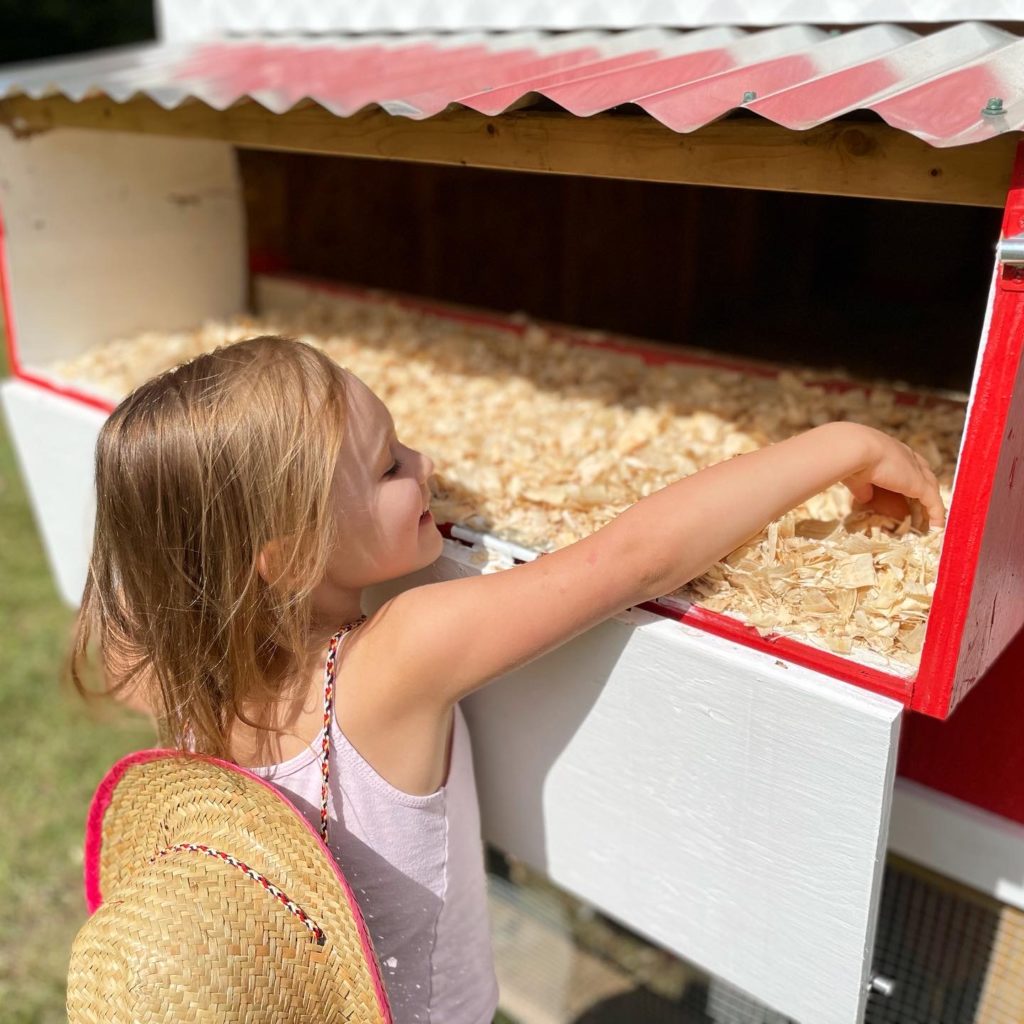
- Daily agricultural contributions, such as collecting eggs from poultry or managing compost.
- Maintenance of personal quarters and common dining areas.
Conversely, paid labor involves tasks that provide a broader benefit to the household or alleviate the workload of the parents. Current market rates within these Vermont households suggest a flexible pricing structure, often subject to negotiation between the "employer" (parent) and the "employee" (child). Examples of compensated tasks include:
- Organizing communal kitchen cabinetry (recently valued at a $10 lump sum for a total reorganization).
- Assisting with heavy agricultural or maintenance work, such as moving wood, stacking lumber, or weeding gardens.
- Sanitation tasks, including cleaning bathrooms or emptying house-wide trash receptacles.
Data suggests that this model encourages negotiation skills and a deeper understanding of the relationship between time, effort, and financial reward. However, the system maintains strict quality control; compensation is only rendered if the task is completed to a professional standard, teaching the importance of thoroughness in a professional environment.
Debt Management Case Study: The Inflatable Unicorn Incident
One of the most significant pedagogical moments in this financial education occurred during the previous year’s fair circuit, involving the purchase of a $13 inflatable toy. When the elder child desired an item exceeding her current liquidity by $4, the parents opted to act as a lending institution rather than a benefactor. This created a real-world debt scenario.
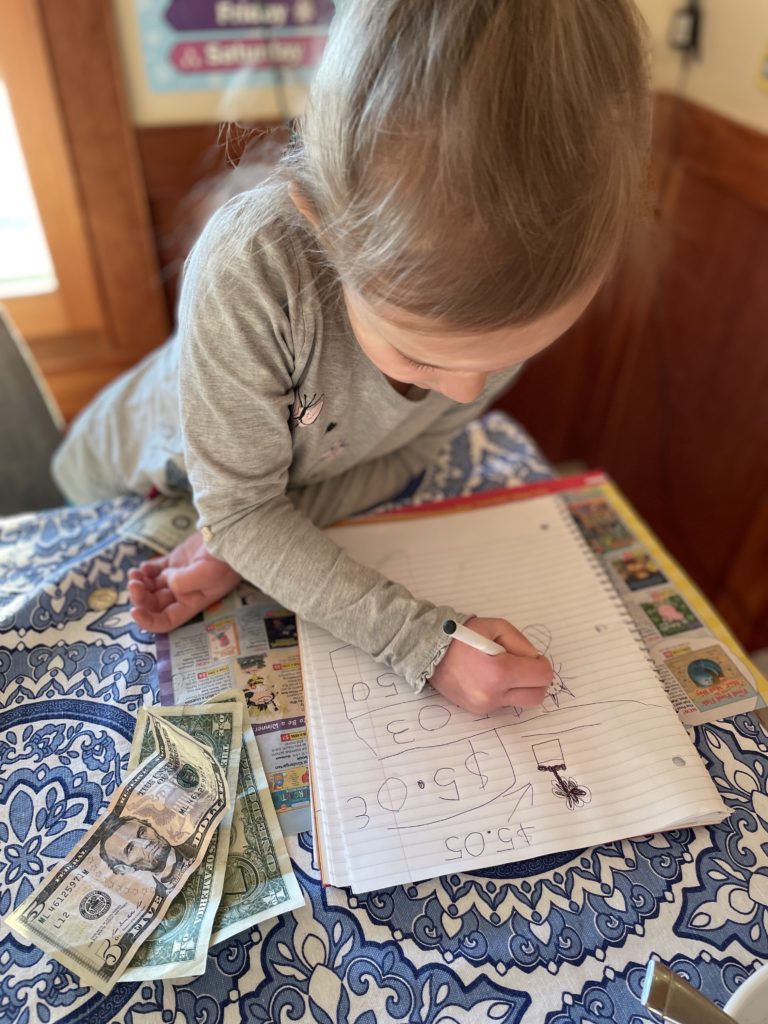
The child was permitted to purchase the item using a $4 loan from the "Bank of Parental Units," with the caveat that the debt must be serviced through mandatory labor. The subsequent realization—that she was required to perform chores to pay for an item she already possessed—provided a visceral lesson in the "disutility" of debt. The subject noted that working for "nothing" (repaying a past purchase) was significantly less rewarding than working for future capital. Analysts of childhood development suggest that this experience is crucial; by allowing a child to fail or experience the burden of debt in a controlled, low-stakes environment, parents can prevent much larger financial catastrophes in adulthood. Since this incident, reports indicate that the subjects have not entered into further debt agreements, showing a marked shift toward pre-purchase saving.
Comparative Shopping and Market Research
The financial curriculum extends beyond the fairgrounds into academic environments, specifically the Scholastic Book Fair. While the household maintains a high volume of literature sourced from libraries and secondary markets (used book sales), the school book fair represents a premium retail environment. Children are encouraged to use fliers to perform comparative shopping, evaluating whether the "new" price of a book at the fair justifies the expenditure of their hard-earned chore money versus waiting for a library copy or a thrifted version.
This practice introduces the concept of "delayed gratification," a key indicator of future financial success. By requiring children to pay for their own "special" books or museum gift shop trinkets, parents are fostering an analytical mindset. The children must ask: "Is this item worth three hours of weeding?" This internal monologue is the basis of sophisticated consumer behavior.
Demographic Context and Broader Economic Implications
The necessity for such home-based education is underscored by national data regarding financial literacy. According to the Council for Economic Education, only 25 states currently require high school students to take a course in personal finance. This gap in the formal education system places the burden of financial preparation on the family unit.
In Vermont, where the economy is heavily influenced by agricultural cycles and small-scale entrepreneurship, these lessons take on added relevance. Teaching children to view money as a "tool" rather than a measure of "self-worth or emotional wellness" aligns with broader movements toward fiscal responsibility and "frugalism." By demystifying the adult world of meetings, tea, coffee, and keyboards—and explaining that these activities are the source of the family’s grocery and housing funds—parents are stripping away the anxiety often associated with household finances.
Future Developments: The Introduction of Compound Interest
The next phase of this educational scaffold involves moving beyond simple cash transactions toward the concept of long-term savings. The "Bank of Parental Units" is reportedly preparing to launch a savings account program that offers "parental interest" on balances. This initiative aims to address the current trend where the children spend the majority of their earnings on immediate rewards, such as $7 shared desserts at local farm pizza nights.

By offering a high internal rate of return (IRR) on saved chore money, the parents hope to demonstrate the power of compound interest. This transition from a "spending-centric" model to a "savings-centric" model represents the final stage of early childhood financial literacy, bridging the gap between basic counting and sophisticated wealth management.
Conclusion and Expert Outlook
The Vermont model of childhood financial education serves as a compelling case study in experiential learning. By integrating economic theory into the fabric of daily life—from the chicken coop to the county fair—parents are equipping their children with a robust toolkit for navigating the modern world. The key findings from this ongoing experiment suggest that:
- Ownership is Essential: Children who are responsible for their own wallets and "spending sojourns" develop a higher level of situational awareness and responsibility.
- Debt Should Be Felt: Experiencing the burden of debt at age six or seven can prevent the accumulation of high-interest consumer debt at age twenty-six or twenty-seven.
- Transparency Reduces Anxiety: Openly discussing the link between professional labor and the ability to purchase groceries removes the "taboo" nature of money, leading to a more objective understanding of economics.
As these young subjects move toward opening their first formal bank accounts, the foundational lessons of the Vermont county fair will likely serve as a permanent reference point for their future financial decisions. The goal, as stated by proponents of this method, is not merely to save money, but to master it as a tool for a stable and contented life.

