
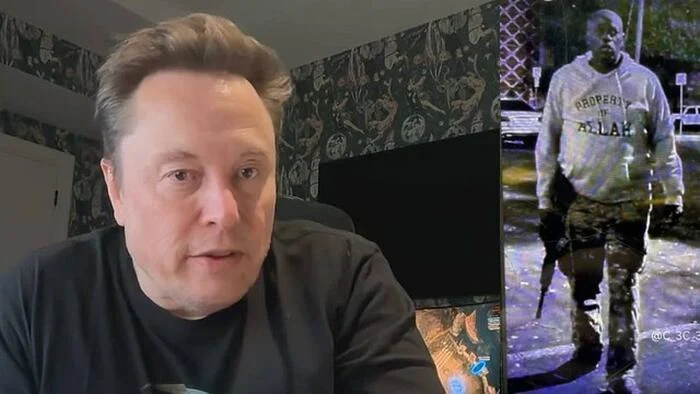
The Austin community, still grappling with the tragic events of a March 2026 shooting that claimed three lives, has been confronted with new, deeply unsettling revelations. Entrepreneur Elon Musk has confirmed that Ndiaga Diagne, the 53-year-old Senegal-born naturalized citizen identified as the perpetrator of the downtown Austin bar attack, was a former employee at Tesla’s Gigafactory Texas. This disclosure, made during an interview with biographer Walter Isaacson, adds a critical layer of context to the shooter’s history, linking the horrific public violence to a prior incident of workplace aggression that allegedly led to his termination. The unfolding narrative raises profound questions about employer responsibility, immigration screening processes, and the warning signs that may precede acts of extreme violence.
The Austin Tragedy: A Night of Unspeakable Violence
On March 1, 2026, the vibrant nightlife district of West Sixth Street in downtown Austin, a popular strip frequented by University of Texas students and young professionals, was shattered by an unprovoked act of mass violence. Shortly before 2 a.m., Ndiaga Diagne drove a black Cadillac SUV past Buford’s Backyard Beer Garden, a bustling establishment. With hazard lights flashing, he reportedly rolled down his window and began firing a handgun indiscriminately into the patio and sidewalk crowd. The initial volley of shots sent patrons scrambling for cover, transforming a lively scene into one of terror and chaos.
Diagne then parked his vehicle, exited, and continued his rampage along the street, this time armed with an AR-style rifle. Eyewitness accounts described a scene of pandemonium as he fired into crowds, causing widespread panic and injuries. Austin police officers, renowned for their rapid response in such critical incidents, arrived on the scene within approximately one minute of the initial reports. Their swift intervention led to a confrontation with Diagne, during which he was fatally shot, bringing an end to his deadly assault.
The aftermath revealed a devastating toll: three individuals were killed, and approximately 15 others sustained injuries, some severe. The victims were identified as Ryder Harrington, a 19-year-old former Texas Tech student; Savitha Shanmugasundaram, a 21-year-old University of Texas student; and Jorge Pederson, 30. Their untimely deaths sent shockwaves through the local community and beyond, leaving families and friends to grapple with unimaginable grief and a pervasive sense of injustice. The incident reignited national debates surrounding gun violence, public safety in entertainment districts, and the underlying factors contributing to such horrific events.
The Shooter’s Path: Immigration, Prior Incidents, and Naturalization
Ndiaga Diagne, a resident of Pflugerville, Texas, had a documented history that included both a pathway to U.S. citizenship and a record of prior legal infractions. Born in Senegal, Diagne first entered the United States in 2000 on a tourist visa. His immigration status evolved over the years, leading to him obtaining a green card in 2006 after marrying a U.S. citizen. Seven years later, in 2013, he achieved naturalization, becoming a U.S. citizen. This progression through the immigration system highlights the multi-stage process individuals undergo to legally reside and ultimately become citizens of the United States, a process that typically involves background checks at various junctures.
However, Diagne’s personal history was not without blemishes. Records indicate a prior criminal record, including a 2022 hit-and-run incident that was initially reduced to a misdemeanor and subsequently dismissed after a period of probation. Furthermore, allegations of domestic violence were also part of his history. While the specific details and outcomes of these allegations were not immediately made public, their existence paints a picture of a man with a propensity for aggressive behavior preceding the Austin shooting. The legal purchase of the firearms used in the attack, which occurred in San Antonio in 2017, underscores a critical aspect of gun control laws in the United States, where prior non-felony offenses may not necessarily preclude an individual from legally acquiring weapons.
The Tesla Connection: A Precursor to Violence at Gigafactory Texas
The most recent and perhaps most disturbing revelation concerning Diagne’s background emerged from the highest levels of one of America’s most prominent companies. Elon Musk, CEO of Tesla, confirmed that Ndiaga Diagne was indeed a former employee at Tesla’s Gigafactory Texas, the sprawling manufacturing facility located near Austin. According to Musk, Diagne was employed at the factory until December of the previous year, just months before the shooting.
The reason for Diagne’s termination was directly linked to an incident of violent workplace assault. Musk recounted the event in an interview, stating, "We had someone who was working at the Tesla factory in Austin until December of last year. He was fired because he assaulted a woman who stepped on his prayer rug in the factory." Musk elaborated on the circumstances, explaining that the female coworker "wasn’t expecting anyone to be praying in the factory, and he was praying in the factory. She accidentally stepped on his prayer rug, and he assaulted her, violently assaulted her. So he was fired for that." The gravity of this incident, a physical assault stemming from a seemingly accidental interaction, served as a stark precursor to the later, more devastating public violence. This event, occurring within the confines of a major American corporation, highlights complex issues surrounding religious accommodation in the workplace, cultural sensitivity, and the critical importance of addressing warning signs of aggression.
Elon Musk’s Stark Revelation and its Broader Implications
Elon Musk’s confirmation of Diagne’s employment history and the details of his termination sent immediate ripples through the ongoing public discourse surrounding the Austin shooting. During his interview with biographer Walter Isaacson on The Builders, after detailing the workplace assault and subsequent firing, Musk paused before delivering a potent and direct statement: "Now, I think we shouldn’t let people like that into the country." This comment explicitly linked the shooter’s past behavior to broader immigration policy debates, suggesting a need for more stringent screening processes for individuals exhibiting signs of intolerance or violent tendencies.
Musk’s statement immediately polarized public opinion, drawing both support from those advocating for stricter immigration enforcement and criticism from those who view such remarks as overly broad or discriminatory. His words, however, undeniably injected a new dimension into the conversation surrounding the Austin tragedy, shifting focus from solely gun control or mental health to the immigration status and behavioral patterns of perpetrators. The connection between a workplace incident involving religious sensitivity and a later act of mass violence underscores the challenging nature of identifying and mitigating risks associated with individuals who may harbor extreme ideologies or exhibit violent reactions to perceived slights.
The Civil Lawsuit Against Tesla: Allegations of Withholding Information
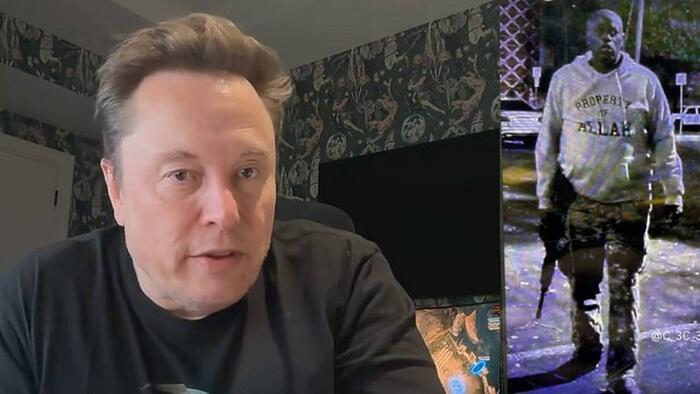
Further complicating the narrative is a civil lawsuit filed against Tesla by Lillian Brady, a 65-year-old Tesla employee. Brady alleges that on December 4, 2025, Diagne violently assaulted her without provocation while he was praying on a walking path in a common area of the Gigafactory. She claims Diagne grabbed her and threw her to the ground. Brady reported the assault to both Tesla management and local authorities. However, a central contention of her lawsuit, filed in Travis County, is that Tesla allegedly withheld Diagne’s identity, thereby preventing her from pursuing criminal charges against him at the time.
Brady stated she only connected Diagne to the Austin shooting when she recognized his face in news coverage following the March tragedy. Her attorney, Bob Hilliard, articulated the profound questions raised by these allegations: "We already know the shooter violently assaulted a Tesla employee months before the Sixth Street shooting and Tesla had the shooter’s name and information about that earlier attack – why they chose not to act or warn law enforcement raises very serious questions the public deserves an answer to." Brady herself expressed her belief that Tesla’s handling of the incident was "unethical" and that identifying him earlier "maybe all this could have been avoided."
Tesla has not publicly confirmed the employment details or commented directly on the specifics of the civil lawsuit. The company did, however, obtain arbitration for the suit, a legal maneuver that typically moves disputes out of public court proceedings and into private, binding arbitration. This action, while legally permissible, means that the full details of the alleged assault and Tesla’s internal response may not be aired in a public forum, potentially leaving some of the "serious questions" raised by Brady and her attorney unanswered for the broader public. Austin Police Chief Lisa Davis confirmed that her department had no prior contact with Diagne, suggesting that if Tesla had reported the incident, it might not have included sufficient information to identify the perpetrator to law enforcement at the time.
Investigation and Motive: Unraveling the Shooter’s Mindset
The investigation into Ndiaga Diagne’s motives and actions was a multi-faceted effort involving local law enforcement and federal agencies, including the FBI. Immediately following the shooting, a Quran was discovered in Diagne’s SUV, a detail that, coupled with his "Property of Allah" hoodie and an Iranian-flag shirt worn during the attack, prompted initial speculation about potential links to international terrorism or religiously motivated extremism.
The FBI’s subsequent investigation, however, concluded that Diagne acted alone, finding no evidence of direction, funding, or support from a foreign terrorist organization. This determination, while ruling out direct organizational ties, did not entirely dismiss the ideological components observed. Investigators noted "indicators potentially tied to the conflict involving Iran and Diagne’s admiration for Iran’s former leadership." This suggests a possible internal radicalization or identification with certain geopolitical narratives, even if not directly orchestrated by an external group. Crucially, the FBI confirmed that Diagne had not been on their radar prior to the attack, highlighting the challenge of identifying individuals who may be self-radicalizing or prone to violence without external indicators.
The "Legacy Media", as termed by some commentators, initially focused on broader themes such as mental health issues or the wider geopolitical conflict involving Iran, while some social media channels emphasized the specific details of Diagne’s attire and the prior workplace assault. This divergence in emphasis points to ongoing debates about how media outlets frame acts of violence, particularly when they involve complex factors such as immigration, religious identity, and mental health. The photo of Diagne in the "Property of Allah" hoodie circulated widely on social media, becoming a focal point for discussions about his motivations.
Broader Implications: Workplace Safety, Immigration, and Societal Responsibility
The Ndiaga Diagne case transcends the immediate tragedy, opening up critical discussions on several societal fronts.
-
Workplace Safety and Employer Liability: The civil lawsuit against Tesla underscores the significant responsibilities employers bear in maintaining a safe work environment and adequately responding to incidents of violence or aggression. The alleged failure to fully identify Diagne to authorities after the prayer rug incident raises questions about the scope of an employer’s duty to protect employees and, potentially, the wider public from individuals exhibiting violent tendencies. It highlights the delicate balance between employee privacy, workplace accommodation, and public safety.
-
Immigration Policy Debate: Elon Musk’s direct statement, "we shouldn’t let people like that into the country," squarely places the incident within the contentious national debate on immigration policy. While Diagne was a naturalized citizen, his history of prior criminal incidents and the violent workplace assault, which occurred years after his naturalization, fuel arguments for more robust screening mechanisms, not just at entry points but potentially for monitoring naturalized citizens who exhibit patterns of concerning behavior. Critics of such calls, however, emphasize the legal complexities and potential for discrimination inherent in retrospective monitoring or revoking citizenship based on later conduct.
-
Gun Control Discourse: Diagne’s legal purchase of firearms in 2017, despite a prior criminal record (though one that was ultimately dismissed or reduced to a misdemeanor), inevitably re-enters the conversation surrounding gun control laws. This aspect of the case spotlights the limitations of current background check systems in preventing individuals with histories of non-felony aggression or domestic violence allegations from acquiring deadly weapons.
-
Identifying Warning Signs and Preventing Violence: The case illustrates a critical gap between private employers spotting clear warning signs of violence, potentially tied to religious intolerance or general aggression, and an immigration or law enforcement system that may not have the legal framework or information to intervene effectively until after a catastrophic event. Diagne’s history of family violence allegations, the hit-and-run, and the factory incident were not secret. Yet, he remained in the country, obtained firearms legally, and was able to work at a major American manufacturer until the prayer-rug assault forced his termination.
Conclusion: Unanswered Questions and Lingering Concerns
The tragic events on Austin’s Sixth Street, combined with Elon Musk’s revelation and the subsequent civil lawsuit, paint a complex and disturbing picture. While the FBI concluded Diagne acted alone, this finding does not diminish the pattern of escalating aggression visible in his history, nor does it erase the preventable nature of the earlier violence. The case forces a difficult examination of how society identifies, assesses, and responds to individuals who exhibit clear warning signs of potential danger.
The questions raised by this tragedy are multifaceted: What constitutes sufficient warning for an employer to take more drastic action? How can immigration systems be refined without infringing on civil liberties? And what responsibility does society bear in addressing the underlying factors that can lead an individual to such extreme acts of violence? As the community continues to heal and the legal processes unfold, the Ndiaga Diagne case stands as a stark reminder of the interconnectedness of individual actions, corporate responsibilities, and systemic challenges in ensuring public safety. The call to screen for individuals whose ideological incompatibility with the rule of law and equal treatment of others is evident, particularly when the alternative is more senseless loss of life, remains a powerful and pressing concern.

