
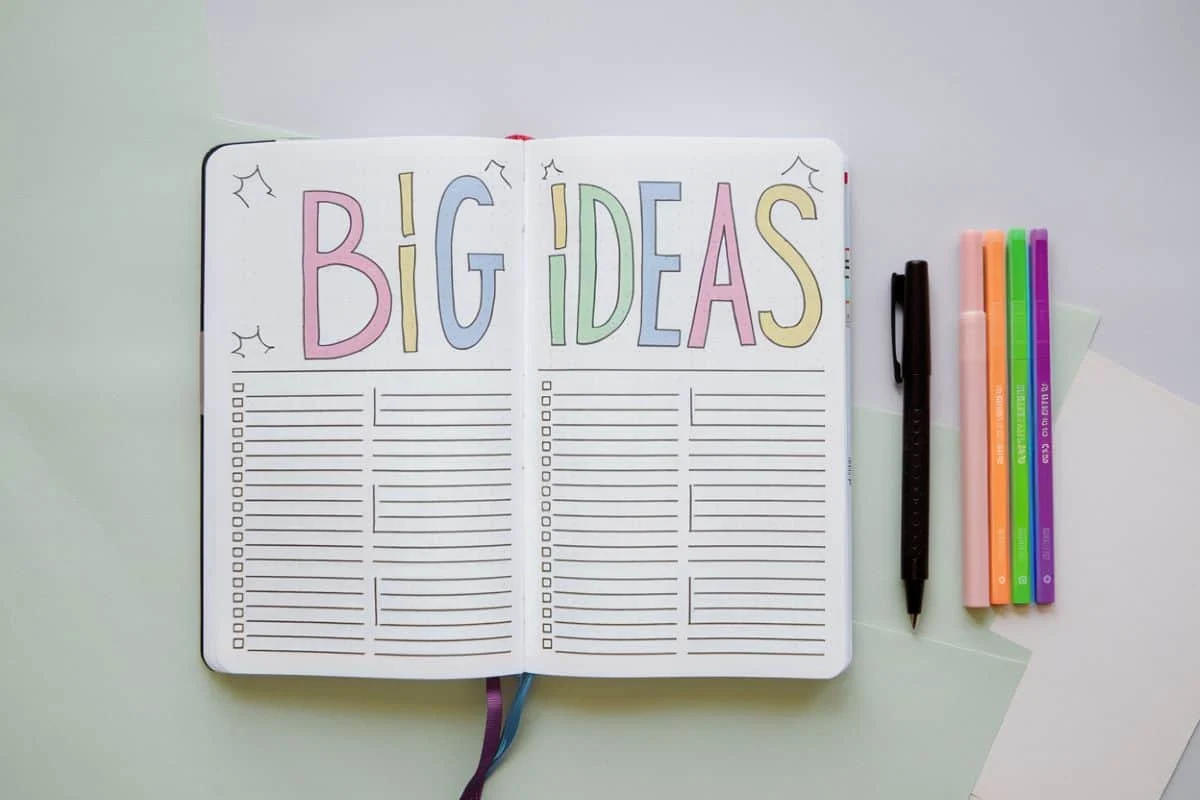
The world of bullet journaling, often abbreviated as BUJO, offers a dynamic and deeply personal approach to organization, productivity, and self-expression. While the system’s inherent flexibility is its greatest strength, it can also present an initial hurdle for newcomers, leading to feelings of overwhelm. The core principle of bullet journaling, as envisioned by its creator Ryder Carroll, is to serve as a customizable tool that adapts to the user’s needs, rather than the user conforming to a rigid pre-designed format. This article delves into the foundational elements of bullet journaling and presents a comprehensive array of 97 page ideas, categorized to inspire and facilitate the creation of a functional, inspirational, and creative personal planning system.
Understanding the Bullet Journal System
At its heart, a bullet journal is a method of analog note-taking that blends task management, scheduling, habit tracking, and reflective journaling into a single, cohesive notebook. Unlike traditional planners with predetermined layouts, a bullet journal is built from the ground up by the user, allowing for unparalleled personalization. The system utilizes a unique language of "rapid logging," employing bullet points and symbols to quickly capture tasks, events, and notes. This symbolic language, combined with a modular structure, empowers individuals to tailor their journals for a wide range of purposes, from enhancing productivity and fostering creativity to promoting personal growth and managing finances. The underlying philosophy emphasizes intentionality and mindfulness, encouraging users to be present and deliberate in their planning and reflection.
The Multifaceted Benefits of Bullet Journaling
The appeal of bullet journaling extends far beyond mere organization. It serves as a powerful tool for cultivating mindfulness and focus in an increasingly digital and distracting world. By engaging in analog note-taking, users can reduce stress, improve their attention spans, and gain a clearer perspective on their priorities. The act of physically writing down tasks and goals can enhance memory retention and commitment. Furthermore, the visual and tactile nature of journaling fosters a deeper connection with one’s thoughts and aspirations. Studies on the benefits of journaling have indicated improvements in emotional regulation, problem-solving abilities, and overall well-being. The bullet journal system, in particular, offers a structured yet adaptable framework to harness these benefits, enabling users to make intentional progress in both their personal and professional lives.

Establishing a Functional Bullet Journal: Foundational Principles
To navigate the seemingly endless possibilities of bullet journaling without succumbing to overwhelm, the key lies in a phased approach. It is crucial to prioritize functionality over perfection, especially in the initial stages. The system is designed to be a practical tool, not an artistic endeavor, though artistic expression can certainly be integrated as desired.
1. Selecting Your Essential Tools
The beauty of bullet journaling lies in its simplicity. To begin, one needs only a notebook and a pen. Dot grid notebooks are particularly popular among bullet journalists due to the subtle guidance they offer without imposing restrictive lines, allowing for flexibility in layout design. High-quality pens that offer a smooth writing experience and minimal ink bleed-through are recommended for a more enjoyable and effective journaling process. The choice of notebook can range from budget-friendly options to premium journals, depending on personal preference and financial considerations. Pre-numbered pages can be a convenience, but manual numbering is a straightforward alternative. The essential criterion is a reliable writing instrument and a blank canvas for your organizational and creative endeavors.
2. Constructing the Core Framework: Essential Layouts
Every effective bullet journal, regardless of its complexity, benefits from a few foundational pages that establish order and navigability. These "spreads" serve as the backbone of the system, providing structure for the rest of the journal’s content.
-
The Index: This crucial page acts as a table of contents for your bullet journal. As you add new spreads and content, you will log their titles and corresponding page numbers in the index. This ensures that you can quickly locate specific entries, whether it’s a particular month’s calendar, a habit tracker, or a creative brainstorming page. A well-maintained index is vital for the long-term usability and efficiency of your bullet journal.

-
The Future Log: This spread provides an overview of upcoming months, typically spanning six months to a year. It’s where you can jot down important dates, appointments, birthdays, and events that fall beyond the current month’s monthly log. This allows for proactive planning and helps you to see upcoming commitments at a glance, preventing any surprises.
-
The Monthly Log: This section serves as a calendar and task list for the current month. It typically includes a calendar view for appointments and events and a separate list for tasks that need to be accomplished within that month. This provides a focused view of your immediate commitments and to-do items.
-
The Daily Log: This is the most frequently used section of the bullet journal. Here, you’ll employ rapid logging to record tasks, events, and notes as they occur throughout the day. The flexibility of the daily log means it can be as brief or as detailed as you need it to be on any given day.
These core layouts form the essential structure of any bullet journal, ensuring that the system is both functional and easy to navigate. Once these basics are in place, the true creative potential of bullet journaling can be explored.

A Compendium of 97 BUJO Ideas to Ignite Your Journaling Journey
The following categorized list offers a broad spectrum of page ideas to inspire and populate your bullet journal. These suggestions are designed to cater to diverse interests and needs, encouraging both practical organization and creative exploration.
Wellness and Self-Care Page Ideas
Prioritizing well-being is paramount, and a bullet journal can be an invaluable companion in this endeavor. These pages help to foster a mindful approach to health and personal care.
- Mood Tracker: Visually represent your daily emotional state, identifying patterns and triggers.
- Gratitude Log: Dedicate space to record things you are thankful for, cultivating a positive mindset.
- Sleep Tracker: Monitor sleep duration and quality to identify factors influencing your rest.
- Hydration Tracker: Ensure you’re meeting your daily water intake goals.
- Meditation Tracker: Track mindfulness practices and note their effects.
- Exercise Log: Record workouts, duration, and intensity to stay motivated.
- Meal Planner: Plan your weekly meals to promote healthier eating habits and reduce food waste.
- Recipe Collection: Compile favorite recipes for easy access.
- Affirmation Pages: Write down positive affirmations to reinforce self-belief.
- Self-Care Ideas List: A running list of activities that recharge and rejuvenate you.
- Dream Journal: Record and analyze your dreams for personal insights.
- Symptom Tracker: For those managing chronic conditions, track symptoms and potential relief strategies.
- Water Intake Tracker: Simple visual representation of daily water consumption.
- Vitamin/Supplement Tracker: Keep track of daily intake.
- Mental Health Check-in: Dedicated space for processing thoughts and emotions.
Finance and Budgeting Pages
Financial literacy and disciplined management are key to achieving financial goals. Bullet journals can transform the often daunting task of managing money into a more accessible and engaging process.
- Budget Tracker: Allocate funds to different categories and monitor spending.
- Savings Tracker: Visualize progress towards savings goals.
- Debt Payoff Tracker: Chart your journey to becoming debt-free.
- Bill Payment Tracker: Ensure timely payment of all recurring bills.
- Income Tracker: Record all sources of income.
- Expense Tracker: Detailed logging of daily or weekly expenditures.
- Net Worth Tracker: Monitor your overall financial health over time.
- Financial Goals: Outline short-term and long-term financial aspirations.
- Investment Portfolio Overview: A high-level view of your investments.
- Sinking Funds Tracker: For planned future expenses like holidays or car maintenance.
- Wishlist: Keep track of desired purchases to avoid impulsive spending.
- Subscription Tracker: List all recurring subscriptions to identify potential savings.
- Cash Envelope System Tracker: For those using the cash envelope method for budgeting.
- No-Spend Challenge Tracker: Monitor periods of intentionally not spending money.
- Financial Wins: Celebrate milestones and achievements in your financial journey.
Personal Development Page Ideas
Investing in personal growth is a continuous journey, and a bullet journal can serve as a dedicated space for self-reflection, learning, and skill development.

- Goal Setting Pages: Define SMART (Specific, Measurable, Achievable, Relevant, Time-bound) goals.
- Habit Tracker: Monitor the formation and consistency of desired habits.
- Skill Development Tracker: Outline and track progress in learning new skills.
- Book Reading List: Catalog books to read and track progress.
- Podcast/Video Learning Log: Note down insightful episodes or educational content.
- Journal Prompts: Dedicated pages for reflective writing on specific themes.
- Daily/Weekly/Monthly Reflections: Summarize experiences, lessons learned, and insights.
- Personal Growth Goals: Outline aspirations for self-improvement.
- Strength and Weakness Analysis: Identify personal strengths and areas for development.
- Mindfulness Exercises Log: Track meditation, breathing exercises, or other mindfulness practices.
- Vision Board Pages: Visually represent your aspirations and dreams.
- Bucket List: Document experiences you want to have.
- Personal Values Exploration: Define and reflect on your core values.
- Learning Journal: Document new knowledge and insights gained.
- Progress Reports: Review achievements and areas for improvement.
Creative Outlet Pages
Bullet journaling is also a canvas for creativity. These pages allow for artistic expression, idea generation, and the exploration of hobbies.
- Doodle Pages: Freely sketch and doodle to de-stress and express creativity.
- Inspiration Board: Collect images, quotes, and ideas that inspire you.
- Brainstorming Pages: Dedicated space for generating ideas for projects, stories, or art.
- Creative Writing Prompts: Pages filled with prompts to spark fictional or personal writing.
- Color Palettes: Experiment with color combinations for artistic projects.
- Sketchbook Pages: Practice drawing and sketching various subjects.
- Lettering Practice: Improve your handwriting and calligraphy skills.
- Mood Board for Projects: Create visual representations of the aesthetic for creative projects.
- Quote Collection: Jot down inspiring quotes.
- Dream Board: A visual representation of future aspirations.
- Art Study Pages: Analyze and learn from different art styles or artists.
- Collage Pages: Combine images and text for visual storytelling.
- Bullet Journal Theme Ideas: Plan future themes for your journal spreads.
- Story Ideas Log: Keep track of plot bunnies and character concepts.
- Mind Map Pages: Visually organize thoughts and ideas around a central topic.
Home and Organization Pages
Maintaining a tidy and functional living space can significantly impact overall well-being. These pages help to streamline household tasks and organization.
- Cleaning Schedule: Detail daily, weekly, and monthly cleaning tasks.
- Decluttering Tracker: Plan and track decluttering projects room by room.
- Wardrobe Inventory: Catalog your clothing items.
- Meal Planning: Organize weekly meals to save time and money.
- Grocery List: Create organized lists for shopping trips.
- Home Maintenance Checklist: Track essential upkeep tasks for your home.
- Contact List: Important phone numbers and addresses.
- Pet Care Log: Track feeding, vet appointments, and grooming for pets.
- Gardening Journal: Plan and record planting, watering, and harvesting.
- Pantry Inventory: Keep track of food items to avoid overbuying.
- Packing Lists: Create templates for different types of trips.
- Home Project Planner: Outline and track home improvement projects.
- Digital Declutter Tracker: Plan for organizing digital files and accounts.
- Gift Ideas List: Keep track of gift ideas for friends and family.
- Household Chores Chart: Assign and track chores for family members.
Travel and Adventure Page Ideas
Documenting travels and planning adventures can be a joyful aspect of bullet journaling, creating lasting memories and facilitating future explorations.
- Travel Bucket List: List destinations you aspire to visit.
- Trip Planner: Outline itineraries, accommodations, and activities for upcoming trips.
- Packing Lists: Customized lists for various travel scenarios.
- Travel Journal: Document daily experiences, observations, and reflections during a trip.
- Souvenir Tracker: List memorable items collected during travels.
- Restaurant/Foodie Log: Record memorable dining experiences.
- Road Trip Planner: Detail routes, stops, and essential supplies for road trips.
- Adventure Ideas: Brainstorm exciting activities and experiences.
- Budget Tracker for Travel: Plan and monitor expenses for trips.
- Language Learning Tracker: For travelers aiming to learn a new language.
- Places Visited Map: Visually mark countries or cities you’ve explored.
- Travel Memories Page: Dedicate space to highlight favorite travel moments.
- Travel Photography Log: Note down details of memorable photos taken.
- Local Exploration Ideas: Discover and plan outings in your own city or region.
- Post-Trip Reflection: Summarize lessons learned and favorite aspects of a journey.
Relationships and Social Life Pages
Nurturing connections with others is vital for a fulfilling life. These pages help to manage social interactions and strengthen relationships.

- Birthday Tracker: Ensure you remember and acknowledge important birthdays.
- Anniversary Tracker: Keep track of significant dates for loved ones.
- Contact Log: Maintain a list of important people in your life.
- Social Events Planner: Organize gatherings and social outings.
- Friendship Log: Reflect on and appreciate your friendships.
- Conversation Starters: Ideas for engaging in meaningful conversations.
- Date Night Ideas: Plan quality time with a partner.
- Family Tree: A visual representation of your family history.
- Acts of Kindness Log: Track positive interactions and gestures.
- Thank You Card List: Remember to send appreciation notes.
- Networking Tracker: Log professional contacts and follow-ups.
- Relationship Goals: Outline aspirations for personal and professional relationships.
- Letters to Loved Ones: Space to draft personal letters.
- Social Media Detox Tracker: Monitor periods of reduced social media usage.
- Gratitude for People: Specifically acknowledge individuals you are grateful for.
Academic and Professional Pages
For students and professionals, a bullet journal can be an indispensable tool for managing workloads, tracking progress, and achieving career or academic milestones.
- Assignment Tracker: Log deadlines and requirements for academic assignments.
- Study Schedule: Plan dedicated study times for different subjects.
- Exam Planner: Strategize for upcoming exams, allocating time for revision.
- Project Management Pages: Break down large projects into smaller, manageable tasks.
- Meeting Notes: Record key discussions, decisions, and action items from meetings.
- Professional Development Goals: Outline aspirations for career advancement.
- Skill Inventory: List current skills and identify areas for growth.
- Networking Log: Track professional contacts and follow-up actions.
- Job Application Tracker: Monitor applications, interviews, and follow-ups.
- Time Management Log: Analyze how time is spent to improve efficiency.
- Work/Life Balance Tracker: Assess and adjust the balance between professional and personal life.
- Client/Project Overview: Summarize key information for ongoing projects.
- Professional Reading List: Catalog books and articles relevant to your field.
- Conference/Workshop Planner: Organize notes and takeaways from professional development events.
- Action Plan Pages: Detail steps to achieve specific academic or professional objectives.
Miscellaneous and Fun Page Ideas
Beyond the practical, a bullet journal can be a space for whimsy, personal reflection, and tracking unique interests.
- Favorites List: Compile lists of favorite movies, music, books, foods, etc.
- Bucket List: A comprehensive list of experiences to pursue.
- Wishlist: Items you hope to acquire in the future.
- Funny Moments Log: Record amusing anecdotes and memories.
- "Things I Love" List: A collection of things that bring joy.
- Personal Awards: Acknowledge your own achievements, big or small.
- Dream Vacation Ideas: Detailed plans for aspirational getaways.
- Quote Collection: Inspiring or memorable quotes.
- Personal Affirmations: Positive statements to boost self-esteem.
- "If You Could…" Scenarios: Explore hypothetical situations and your responses.
- Pet Peeves: A lighthearted way to note minor annoyances.
- Random Thoughts Log: Capture fleeting ideas and observations.
- Future Self Letter: Write a letter to your future self.
- "Currently" Page: What you are currently reading, watching, listening to, etc.
- Random Acts of Kindness Tracker: Document good deeds performed.
Planning and Scheduling Page Ideas
Effective planning is the cornerstone of productivity, and these pages offer various ways to structure your time and tasks.
- Annual Review: Reflect on the past year’s accomplishments and challenges.
- Quarterly Goals: Set overarching objectives for each quarter.
- Weekly Spreads: Detailed planning for each week, including tasks and appointments.
- Daily To-Do Lists: Focused lists for daily tasks.
- Time Blocking: Allocate specific time slots for different activities.
- Event Planning: Organize details for parties, meetings, or other events.
- Project Timelines: Visualize the progression of projects.
- Goal Progress Tracker: Monitor advancement towards specific goals.
- Priority Matrix: Categorize tasks based on urgency and importance.
- Brain Dump Pages: Clear your mind by writing down all outstanding tasks and ideas.
- Future Planning Spread: Look ahead to upcoming months and years.
- Decision Tracker: Log important decisions and their rationale.
- Delegation Tracker: For managing tasks assigned to others.
- "What If" Scenarios: Plan for potential challenges or changes.
- Weekly Review: Reflect on the past week’s productivity and adjust for the next.
Embracing the Bullet Journal Ethos: Simplicity, Experimentation, and Personalization
The journey of bullet journaling is one of continuous discovery. The provided list of 97 ideas is a starting point, a wellspring of inspiration to tailor the system to your unique life. The fundamental principle remains: your bullet journal should serve you, not the other way around. Begin with the core layouts and gradually incorporate new pages that resonate with your immediate needs and evolving interests. Embrace experimentation; not every spread will be a perfect fit, and that’s perfectly acceptable. The beauty lies in the iterative process of refinement, where functionality and personal preference guide the evolution of your journal.

Conclusion: Your Bullet Journal, Your Personal Ecosystem
A bullet journal is far more than just a notebook; it is a dynamic, personalized ecosystem for organization, creativity, and profound self-discovery. Whether your aim is to meticulously track your finances, cultivate mindful self-care practices, unleash your creative potential, or simply bring order to your daily life, the bullet journal offers an adaptable framework. By starting with the essential building blocks and progressively integrating new spreads that align with your aspirations, you can transform your journal into an indispensable tool for staying inspired, productive, and in control of your life’s narrative. The true power of bullet journaling lies in its capacity to be as simple or as intricate as you desire, ensuring it remains a relevant and valuable companion on your personal journey.

