
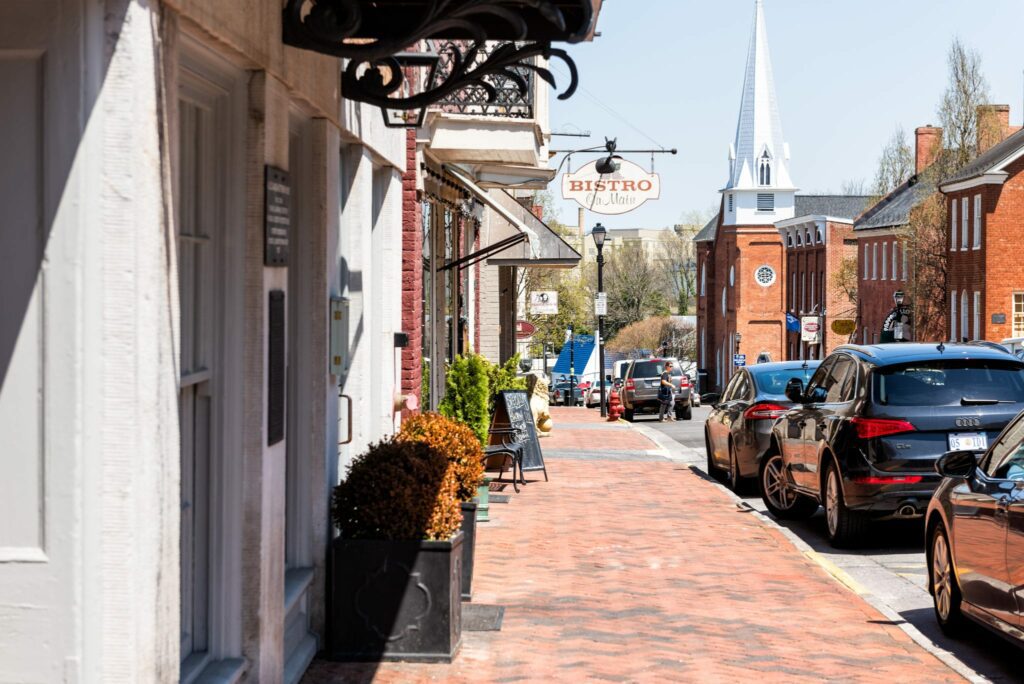

The prospect of retirement often unlocks a profound freedom: the ability to choose where to establish one’s home, unburdened by the geographical constraints of a career. This newfound autonomy, however, can present a complex decision-making process. For many, the journey begins with extensive research, from poring over annual "best places to retire" lists compiled by various publications to meticulously curating "retire here" websites, as exemplified by individuals like Katherine and Barry Johnson. Others, like Matt Pittman and Kris Jennings, keep a close watch on these recurring advisories. Rob Kirby and his partner John have even developed a personalized system, a proprietary Excel spreadsheet game dubbed "Could We Retire Here?" that they utilize during their travels to systematically evaluate potential future hometowns, prioritizing specific amenities such as co-housing opportunities and proximity to academic institutions.
In this landscape of personal exploration and data-driven decision-making, a significant new resource has emerged to assist individuals in this crucial life transition: The Livability Index – Great Neighborhoods for All Ages. Developed by the American Association of Retired Persons (AARP), this online tool offers a sophisticated yet accessible platform for comparing and contrasting neighborhoods across the United States based on a comprehensive suite of livability factors.
The Paramount Importance of Livability
Jay Haapala, AARP Minnesota Associate State Director for Community Engagement, underscores the critical significance of livability in the retirement planning process. "Because where we live as we age is a good indicator of how well and even how long we’ll live," Haapala stated. He elaborated that not all locations are created equal in fostering a high quality of life for older adults, emphasizing that livability extends far beyond favorable climate conditions. Furthermore, Haapala noted the inclusive philosophy behind AARP’s approach: "When we plan for older adults, we plan for everyone." This principle recognizes that communities designed to be accessible and supportive for seniors often benefit residents of all ages and abilities, fostering a more vibrant and inclusive society.
Defining a Livable Community
According to AARP’s framework, a truly livable community is characterized by an environment where individuals of all ages, abilities, and socioeconomic backgrounds can thrive. This encompasses several key pillars:
- Housing: Availability of diverse housing options, including affordable, accessible, and age-appropriate residences that allow individuals to remain in their homes and communities as they age. This includes considerations for home maintenance, modifications, and the presence of supportive housing models.
- Transportation: Robust and accessible transportation networks that provide residents with mobility and independence. This includes options beyond private vehicles, such as reliable public transit, safe pedestrian and cycling infrastructure, and services catering to those with limited mobility.
- Health and Healthcare: Proximity to quality healthcare services, including hospitals, clinics, and specialized care providers, as well as access to preventative health programs and wellness resources. The availability of in-home care services and support for chronic disease management are also crucial.
- Community Support and Engagement: Opportunities for social interaction, civic participation, and volunteerism. This includes accessible community centers, libraries, cultural institutions, and programs that foster intergenerational connections and combat social isolation.
- Environment and Recreation: Access to safe and well-maintained public spaces, parks, and recreational facilities. This also encompasses environmental quality, including air and water safety, and opportunities for outdoor activities that promote physical and mental well-being.
- Economic Opportunities: Access to employment, volunteer, and educational opportunities that can contribute to financial security and personal fulfillment, as well as a local economy that supports residents’ needs.
- Inclusivity and Civic Participation: A community culture that values diversity, promotes equity, and encourages the active participation of all residents in decision-making processes that affect their lives.
Navigating The Livability Index: A Data-Driven Approach
The Livability Index provides a user-friendly interface for assessing these crucial aspects of community life. By simply inputting an address, city, state, or ZIP code, users can generate a comprehensive score, ranging from 0 to 100, reflecting a community’s performance across seven critical areas that directly impact quality of life. These key areas, as outlined by the index, include:
- Housing: This metric evaluates the affordability, accessibility, and variety of housing options available, considering factors such as the proportion of accessible housing units and the cost burden for different income levels.
- Transportation: This component assesses the availability and accessibility of public transit, the safety of pedestrian and cycling infrastructure, and the overall ease of getting around without a personal vehicle.
- Health: This category examines access to healthcare providers, hospitals, and specialized medical services, as well as the prevalence of healthy lifestyle opportunities and the overall health of the population.
- Community: This aspect focuses on the social fabric of a neighborhood, measuring factors such as opportunities for civic engagement, access to libraries and community centers, and the presence of programs that foster social connection.
- Environment: This metric considers the quality of the natural and built environment, including access to parks and green spaces, air and water quality, and the safety of the neighborhood.
- Technology: This increasingly important factor evaluates access to broadband internet services and the digital literacy of the population, recognizing the growing role of technology in daily life and community access.
- Opportunities: This broad category encompasses economic prospects, educational resources, and access to services that promote personal growth and fulfillment, such as job training programs and lifelong learning opportunities.
The Livability Index empowers users with the ability to conduct detailed comparisons, allowing them to evaluate up to three distinct locations side-by-side. This feature is particularly valuable for retirement planning, enabling individuals to weigh the relative strengths and weaknesses of different potential destinations. Furthermore, the platform offers a high degree of customization, enabling users to tailor the results to their specific priorities and preferences.
"You can even see how the west side of a town differs from the east side," Haapala explained, highlighting the granularity of the data available. "Plus, you can drill down into the specific criteria that are important to you." This capacity for detailed analysis allows for highly personalized decision-making. For instance, an avid reader who enjoys attending author events could ascertain the proximity of a potential new residence to a public library. Similarly, an individual who relies on public transportation to visit grandchildren could assess the stroller-friendliness and overall accessibility of a city’s transit system.
Implications for Retirement Planning and Community Development
The advent of The Livability Index represents a significant advancement in retirement planning tools. By shifting the focus from simplistic rankings to a nuanced understanding of community characteristics, the index encourages a more holistic approach to selecting a retirement destination. This data-driven methodology can help individuals make informed decisions that align with their long-term well-being, financial stability, and desired lifestyle.
The implications of such a tool extend beyond individual retirement choices. For urban planners, policymakers, and community developers, The Livability Index offers valuable insights into areas where improvements are needed to better serve aging populations and create more inclusive environments for all residents. By identifying disparities in livability across neighborhoods and cities, the index can serve as a catalyst for targeted interventions and policy development aimed at enhancing housing affordability, expanding transportation options, improving access to healthcare, and fostering greater community engagement.
The COVID-19 pandemic has further amplified the importance of such tools, as travel restrictions and health concerns have limited in-person exploration of potential retirement locations. The Livability Index provides a crucial means for individuals to conduct thorough virtual assessments of communities from the safety and convenience of their current homes.
Bev Bachel, a freelance writer and AARP member, whose own Minneapolis neighborhood she describes as highly livable, authors this piece. Her experience as an author of "What Do You Really Want? How to Set a Goal and Go for It: A Guide for Teens," suggests a keen understanding of goal-oriented planning, a skill directly transferable to the complex decision of choosing a retirement location. The integration of AARP’s Livability Index into the retirement planning process offers a systematic and comprehensive approach, empowering individuals to not only dream about their retirement but to actively build it in a community that truly supports their aspirations and well-being.