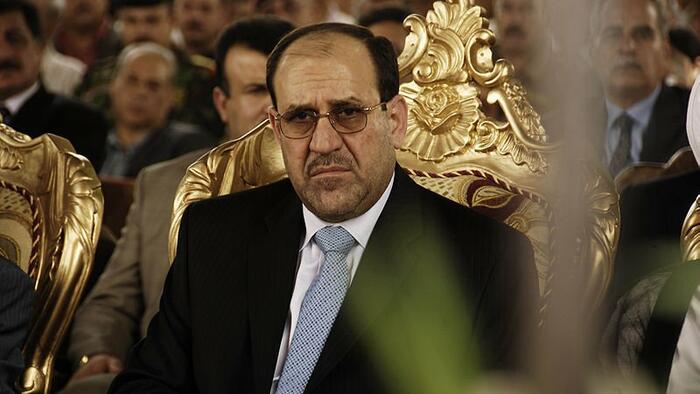

Iraq’s political landscape is once again gripped by a severe diplomatic standoff, as the United States, through President Trump, has issued an unequivocal demand for the Coordination Framework (CF) to withdraw Nouri al-Maliki’s nomination for prime minister. This ultimatum, reportedly setting a deadline of Friday, February 27, comes with the threat of "unspecified repercussions," raising the stakes significantly, especially in the wake of a reported US attack on Tehran. The situation underscores the persistent challenges in Iraqi sovereignty, government formation, and the broader geopolitical pressures shaping the Middle East.
The current crisis represents a dramatic escalation of an already tense situation. Just days prior, the US had issued a similar "final deadline" for Maliki’s withdrawal, which passed without any immediate, visible consequences beyond continued US disapproval. This repeated defiance by the Coordination Framework highlights a deep-seated resistance within influential Iraqi political circles to perceived foreign interference in their internal affairs. With only 24 hours remaining before the latest deadline, the CF has publicly stated its firm intention not to allow the US to dictate Iraq’s leadership. Furthermore, Iraqi political sources indicate that the Framework does not even plan to convene another meeting on the premiership until the following week, signaling a deliberate disregard for the US ultimatum.
The Escalating Standoff and US Demands
The core of the dispute revolves around Nouri al-Maliki, who previously served as Iraq’s Prime Minister from 2006 to 2014. President Trump has vehemently opposed Maliki’s potential return to power, citing his "insane policies and ideologies." While the specific concerns underpinning this strong condemnation are not fully detailed in public statements, they are widely understood to relate to Maliki’s controversial tenure, which saw significant sectarian tensions, accusations of corruption, and a perceived alignment with Iranian interests. During his previous premiership, Maliki was criticized for consolidating power, marginalizing Sunni political figures, and failing to adequately address the rise of ISIS in 2014, events that severely destabilized Iraq.
The US position reflects a broader strategic interest in Iraq: preventing the emergence of a government perceived as hostile to American interests, overly influenced by Iran, or detrimental to Iraq’s internal stability and inclusive governance. The repeated deadlines and the escalating rhetoric, including reports of US Envoy Tom Barrack delivering a face-to-face ultimatum offering a "golden ticket" of safe exit and personal immunity in exchange for withdrawal, underscore the gravity with which Washington views Maliki’s potential return. The alternative, according to these reports, would be "crippling sanctions," a powerful tool of US foreign policy.
Nouri al-Maliki: A Contentious Figure
Nouri al-Maliki’s political career is deeply intertwined with post-Saddam Iraq. A prominent figure in the Dawa Party, he emerged as prime minister in 2006, navigating a deeply fractured political landscape following the US-led invasion. His two terms were marked by efforts to rebuild the Iraqi state, improve security, and balance complex sectarian and ethnic demands. However, his tenure also attracted significant criticism. Opponents accused him of authoritarian tendencies, sectarian policies that alienated the Sunni minority, and fostering an environment ripe for corruption. His leadership during the lead-up to the 2014 ISIS surge, when large swathes of Iraqi territory fell to the extremist group, remains a contentious point in his legacy.
Despite the controversies and his party, the State of Law Coalition, securing only about 6% of the seats in the last general election, Maliki retains significant influence. His political acumen, extensive network, and the fragmentation of other blocs have positioned him as a leading candidate within the Coordination Framework. Crucially, he has reportedly garnered support from various Kurdish factions, a key demographic in Iraqi coalition-building. Moreover, the current Prime Minister, Mohammed al-Sudani, a leading figure within the Coordination Framework, has indicated he does not intend to serve another term, seemingly paving the way for Maliki’s candidacy to be accepted by the largest party within the Framework. The absence of another "serious candidate" from within the Framework further solidifies Maliki’s position, presenting a dilemma for those seeking to oppose him without a viable alternative.
The Coordination Framework and Iraqi Political Dynamics
The Coordination Framework is a powerful Shiite political alliance in Iraq, comprising several major parties, including those closely aligned with Iran. As the largest bloc in Iraq’s deeply divided parliament, its decision-making holds immense weight in the formation of any government. The Framework’s insistence on Maliki’s nomination, despite fierce US opposition, can be interpreted on multiple levels. Firstly, it asserts Iraqi sovereignty and resistance to external dictates, a sentiment that resonates widely across the political spectrum. Secondly, it reflects the internal dynamics and power struggles within the Shiite political establishment, where Maliki continues to wield significant influence and command loyalty. Thirdly, it could be a strategic move to leverage US pressure, potentially aiming to extract concessions or demonstrate strength in the face of foreign intervention.
The Iraqi political system, a parliamentary democracy, is inherently complex and often characterized by prolonged negotiations and power-sharing agreements. Since the 2003 invasion, post-election government formation has become a recurring theme of protracted deadlocks, often stretching for months or even over a year. This complexity stems from deep sectarian, ethnic, and ideological divisions, requiring broad consensus to form a stable ruling coalition. The current situation is no exception, with the Coordination Framework struggling to present a candidate palatable to all factions while simultaneously resisting perceived external pressure. The Framework’s assertion that "US will not decide Iraq’s prime minister" is a clear articulation of this resolve, echoing a broader nationalist sentiment within Iraq that chafes under foreign influence.
A Pattern of Deadlines and Defiance
The current diplomatic imbroglio is not an isolated incident but rather fits into a pattern of US attempts to influence Iraqi political outcomes, often met with varying degrees of resistance. The recent past has seen multiple "deadlines" issued by Washington regarding Maliki’s nomination, each passing without the desired outcome for the US. This repeated failure to enforce deadlines could diminish US credibility and embolden Iraqi political actors to continue their course, calculating that the "unspecified repercussions" might not materialize or might be manageable.
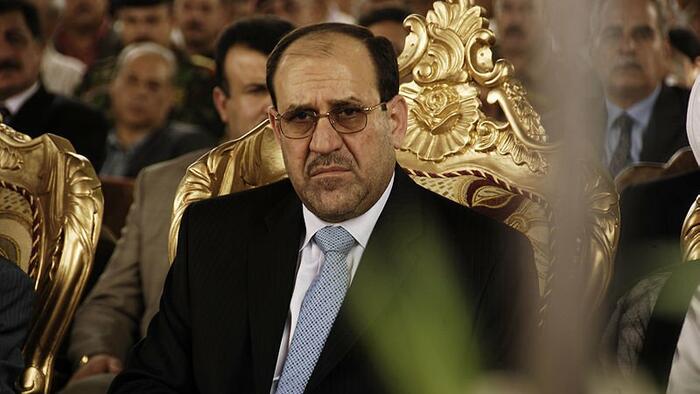
The public nature of these ultimatums, often relayed through diplomatic channels but quickly leaked or announced, also plays a role in Iraqi domestic politics. For the Coordination Framework, defying the US can be a point of strength, appealing to nationalist sentiments and demonstrating independence. This dynamic creates a challenging environment for US diplomacy, where overt pressure can sometimes be counterproductive, hardening positions rather than softening them.
The Broader Regional Context and US Concerns
The mention of a US attack on Tehran dramatically elevates the stakes of this political standoff, placing it within a much larger, and potentially more dangerous, regional conflict. If such an attack has indeed occurred, it signifies a profound escalation of tensions between the US and Iran, transforming the political maneuvering in Iraq from a domestic leadership dispute into a critical front in a broader geopolitical confrontation.
In this context, the US’s opposition to Maliki takes on added urgency. Maliki is widely perceived as having strong ties to Iran, a perception reinforced by his past policies and alliances. A Maliki premiership, especially during a period of open hostilities between the US and Iran, would likely be seen by Washington as a significant strategic setback, potentially strengthening Iran’s influence over Iraq’s government, security forces, and economic policies. This concern is not new; successive US administrations have grappled with Iran’s multifaceted influence in Iraq, which ranges from political parties and militias to economic ties. The current situation suggests that the US views Maliki’s return as a direct threat to its efforts to contain Iranian power in the region and to maintain a degree of stability in Iraq that aligns with American interests.
The "unspecified repercussions" hinted at by the US could, in this heightened regional climate, range from severe economic sanctions targeting individuals and entities associated with Maliki and the Coordination Framework, to a re-evaluation of US military presence in Iraq, or even more direct forms of pressure. Given the reported attack on Tehran, the possibility of a proxy conflict intensifying in Iraq, with various factions aligning with either US or Iranian interests, becomes a very real and dangerous prospect.
Potential Repercussions and Future Outlook
The immediate future of Iraqi politics appears to be heading towards a prolonged stalemate, with the US demand clashing directly with the Coordination Framework’s resolve. If the deadline passes without Maliki’s withdrawal, the nature of the "unspecified repercussions" will become critical. Sanctions could severely impact Iraq’s already fragile economy, potentially leading to widespread public discontent. Diplomatic isolation, while less immediately damaging, could hinder Iraq’s ability to engage with the international community and attract much-needed investment for reconstruction and development.
Moreover, the internal divisions within Iraq could deepen. While defying the US might appeal to nationalist sentiments, prolonged political instability and potential economic hardship could also fuel popular protests, reminiscent of past anti-government demonstrations. The challenge for the Coordination Framework lies in balancing the assertion of sovereignty with the practical need for international cooperation and internal stability.
For the US, the repeated issuance of ultimatums without immediate, decisive follow-through risks eroding its diplomatic leverage in Iraq. However, the context of a potential conflict with Iran means that the "unspecified repercussions" could be far more severe and consequential than in previous instances, potentially involving a significant shift in US policy towards Iraq.
Challenges of Iraqi Government Formation
The current deadlock is a stark reminder of the inherent difficulties in forming a stable government in Iraq. The system, designed to prevent the dominance of any single group, often results in protracted negotiations where every major bloc seeks to maximize its share of power and influence. The absence of a clear, alternative candidate within the Coordination Framework who could unite disparate factions and be acceptable to the US complicates matters further. Even if the Framework were to yield to US pressure, finding a replacement for Maliki who commands similar support and can successfully form a government would be an arduous task.
Historically, these prolonged government formation periods have led to periods of political paralysis, hindering essential reforms, economic development, and the provision of public services. For the Iraqi populace, who have endured decades of conflict, instability, and corruption, the current impasse offers little hope for immediate improvements in their daily lives.
In conclusion, the US demand for Nouri al-Maliki’s withdrawal from the prime ministerial race has plunged Iraq into another deep political crisis. This standoff is not merely about a single political figure but encapsulates fundamental questions of Iraqi sovereignty, the extent of foreign influence, and the future trajectory of a nation caught between powerful regional and international actors. Coupled with the alarming context of a reported US attack on Tehran, the situation portends not only continued political instability in Iraq but also a significant escalation of regional tensions, with unpredictable and potentially far-reaching consequences for the entire Middle East. The coming days, particularly after the Friday deadline, will be crucial in determining whether diplomacy or confrontation will prevail in this high-stakes geopolitical chess match.