
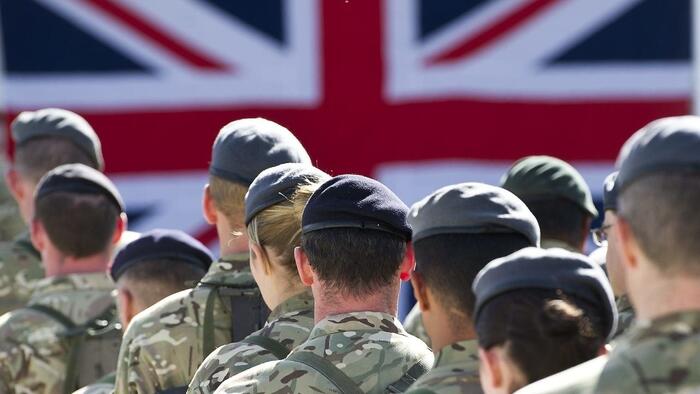

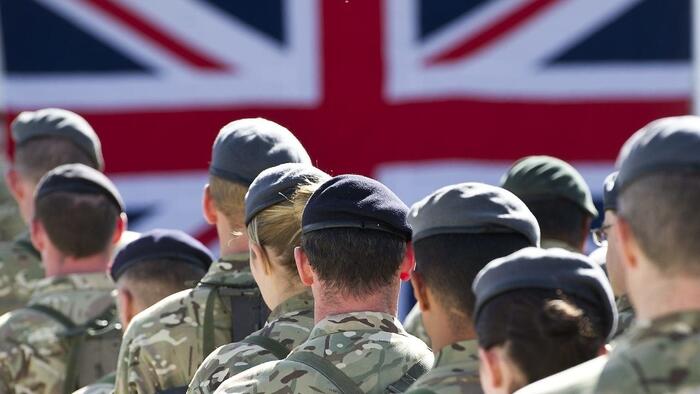
As the Middle East grapples with an unprecedented escalation of hostilities, marked by devastating strikes in Iran and retaliatory actions across the Gulf, the United Kingdom’s Ministry of Defence (MoD) finds itself at the center of a domestic controversy. A survey circulated to military personnel, probing opinions on relaxing appearance standards to include makeup, nail polish, and longer hair for male soldiers, has sparked widespread criticism, drawing accusations of misplaced priorities amidst a rapidly deteriorating global security landscape. The timing of this internal consultation, framed as a move towards "gender-free" policies, has been deemed particularly ill-judged given the grave geopolitical events unfolding.
The survey, reportedly originating from Army HQ in Andover, proposes a comprehensive review of uniform regulations, extending to areas like hair length, jewelry, and even facial aesthetics such as fillers and microblading, applicable across all genders. This initiative builds upon a series of recent shifts within UK military policy, including the reversal of a long-standing ban on beards in 2024 and discussions in 2019 by then-Defence Secretary Ben Wallace about allowing men to use camouflage-colored makeup. Further back, in 2017, the MoD issued instructions emphasizing the avoidance of gender-specific language, such as "best man for the job," in official communications.
The Middle East Ablaze: A Region on Edge
The backdrop to this internal UK military debate is a Middle East teetering on the brink of wider conflict. Reports from the region paint a grim picture:
- US and Israeli Strikes on Iran: Coordinated military operations by US and Israeli forces have reportedly targeted Iranian oil depots, resulting in massive infernos described as "fire rain" over Tehran. These strikes followed the dramatic death of Ayatollah Ali Khamenei in a daylight assault, a development that has profoundly destabilized the Iranian regime and ignited a furious response. The targeting of critical infrastructure, particularly oil facilities, underscores the strategic economic dimensions of the conflict, aiming to cripple Iran’s revenue streams and military capabilities.
- Iranian Retaliation and Regional Spread: Iran has swiftly retaliated, launching a barrage of missiles and drones targeting key assets in the United Arab Emirates and Israel. Dubai’s iconic skyscrapers and airports have reportedly been hit, resulting in civilian casualties and widespread panic, highlighting the unprecedented reach and destructive potential of modern missile technology. The targeting of civilian infrastructure represents a dangerous escalation, raising fears of a broader regional war.
- Strait of Hormuz Closure and Energy Crisis: In a critical move with global economic ramifications, Iran has closed the Strait of Hormuz, a vital chokepoint for approximately 20% of the world’s petroleum liquids consumption. This closure has immediately sent shockwaves through international energy markets, with oil prices soaring and concerns mounting over global supply chains. For the UK, the situation is particularly dire, with reports indicating only days’ worth of gas reserves remaining, underscoring the severe vulnerability of European energy security to Middle Eastern instability.
- Humanitarian Concerns: Beyond the immediate military and economic impact, the escalating conflict has sparked a growing humanitarian crisis. Civilian casualties are mounting, displacement is increasing, and international aid organizations are struggling to access affected areas. Calls for de-escalation from the United Nations and various international bodies have largely gone unheeded as the cycle of violence continues.
Domestic Backlash and Conflicting Narratives
Against this volatile international canvas, the MoD’s appearance standards survey has been met with incredulity and sharp criticism from various quarters within the UK. Shadow Defence Minister Mark Francois voiced a widely held sentiment, stating pointedly, "Upgrading to mascara from camouflage cream is hardly likely to deter Putin." His remarks encapsulate the frustration among critics who perceive the survey as a distraction from the fundamental mission of the armed forces—combat readiness and national defense—at a time of heightened global threats.
However, an Army spokesman offered a contrasting perspective, attempting to downplay the significance of the survey and clarify the Army’s priorities. "As the Chief of the General Staff has said, the Army is focused on enhancing our lethality and fighting readiness. There are no plans to change policy – and this was not an official Army survey," the spokesman asserted. This statement, however, created further confusion, given that the survey was reported to originate from Army HQ in Andover, raising questions about internal communication and the authority behind such initiatives. Critics argue that even if not "official policy," the mere circulation of such a questionnaire during a global crisis reflects a disconnect between the military’s leadership and the urgent realities of modern warfare.
The "Special Relationship" Under Strain: Trump’s Rebuke
The UK’s handling of the Iran crisis has also drawn sharp criticism from its most significant ally, the United States, specifically from former President Donald Trump. In a series of acerbic social media posts, Trump publicly lambasted UK Prime Minister Keir Starmer for what he characterized as a tardy and indecisive response to the unfolding conflict.
Trump’s rebuke was particularly stinging regarding Britain’s initial offer to send aircraft carriers to the Middle East. "The United Kingdom, our once Great Ally, maybe the Greatest of them all, is finally giving serious thought to sending two aircraft carriers to the Middle East. That’s OK, Prime Minister Starmer, we don’t need them any longer – But we will remember. We don’t need people that join Wars after we’ve already won!" Trump declared. This statement not only dismissed the UK’s military contribution but also implied a lasting diplomatic cost for Starmer’s perceived hesitation, further highlighting the strains on the "special relationship" between Washington and London.
The former US President went on to draw an unfavorable comparison between Starmer and wartime leader Winston Churchill, remarking, "Starmer was no Winston Churchill." This historical analogy was intended to underscore what Trump viewed as a profound failure of leadership and resolve by the current UK Prime Minister.
Starmer’s U-Turn and Blair’s Admonition
Trump’s public dressing-down followed Starmer’s initial stance, which saw the UK exclude itself from early strikes on Iran and deny the US immediate use of its bases for offensive operations. However, facing mounting international pressure and the escalating reality of the conflict, Starmer has since executed a significant policy reversal.
The Prime Minister has now authorized the deployment of the HMS Prince of Wales aircraft carrier and additional Typhoon jets to the region. Crucially, he has also granted permission for US forces to use UK bases for "specific and limited defensive" strikes against Iranian missiles, explicitly including operations from RAF Fairford and Diego Garcia to intercept threats to regional allies. This dramatic shift represents a recalibration of UK foreign policy, moving from a cautious non-interventionist stance to a more active role in supporting its allies.
Adding to the pressure on Starmer, former Prime Minister Tony Blair has publicly and privately urged a more robust and unequivocal backing of the United States. At a private event, where his remarks were intended to remain confidential but were subsequently reported, Blair stressed the enduring importance of the US alliance. "We should have backed America from the very beginning," he stated, adding, "You better show up!"
Blair further elaborated on the indispensable nature of the US-UK relationship: "We have got to be very clear about this as a country. We’re depending on the American alliance for our country. They are not just an ally, they are an indispensable ally, right? It’s not a question of whether it’s this president or that president. If they are your ally and they are an indispensable ally cornerstone for your security… you had better show up." He advised Starmer to be "strong and out there and clear" on foreign policy, implicitly criticizing the Prime Minister’s earlier equivocation. Blair’s intervention, given his historical record of aligning the UK closely with US foreign policy, adds significant weight to the narrative of Starmer’s perceived indecisiveness.
Broader Implications and Future Outlook
The convergence of these events—the escalating conflict in Iran, the controversial MoD survey, Trump’s sharp criticisms, and Starmer’s policy reversal—highlights profound fractures within UK leadership and raises critical questions about the nation’s strategic direction.
- Military Morale and Focus: The MoD survey, regardless of its official status, has undoubtedly created a public relations challenge for the UK armed forces. At a time when focus should be entirely on readiness and operational capabilities, the debate over appearance standards risks undermining public confidence and potentially distracting personnel. Defence analysts suggest that while inclusivity is important, the timing of such discussions needs to be carefully managed to avoid perceptions of a military out of touch with geopolitical realities.
- Geopolitical Alignment: Starmer’s initial hesitation and subsequent u-turn could have lasting implications for the UK’s standing with key allies, particularly the US. While the deployment of assets and permission for base use demonstrate a renewed commitment, the initial delay may have damaged trust. The "special relationship," a cornerstone of UK foreign policy for decades, appears to be under significant stress, particularly under a potentially returning Trump administration.
- Energy Security and Economic Stability: The closure of the Strait of Hormuz presents an immediate and severe economic threat to the UK and global markets. The reliance on Middle Eastern oil and gas supplies exposes the vulnerability of national economies to regional conflicts. This crisis is likely to accelerate calls for greater energy independence and diversification, potentially reviving debates around nuclear power and renewable energy sources.
- Domestic Political Fallout: For Keir Starmer, the handling of the Iran crisis could prove to be a defining moment of his premiership. His perceived initial hesitancy, followed by a dramatic policy shift, risks portraying him as indecisive or reactive rather than proactive. The criticisms from a former US President and a former Labour Prime Minister could weaken his domestic standing and provide ammunition for political opponents.
- Future of Diplomacy: Starmer maintains that the UK will not pursue "regime change from the skies," emphasizing a negotiated end to the conflict where Iran abandons nuclear ambitions and regional destabilization efforts. However, with the region in open conflict, the path to a diplomatic resolution appears increasingly fraught and distant. The immediate priority remains de-escalation and the protection of shipping lanes and civilian populations.
The confluence of these factors places the UK at a critical juncture, navigating complex international relations while simultaneously addressing internal debates about the very nature and focus of its military. The decisions made in the coming weeks and months will undoubtedly shape the UK’s role on the global stage for years to come.