
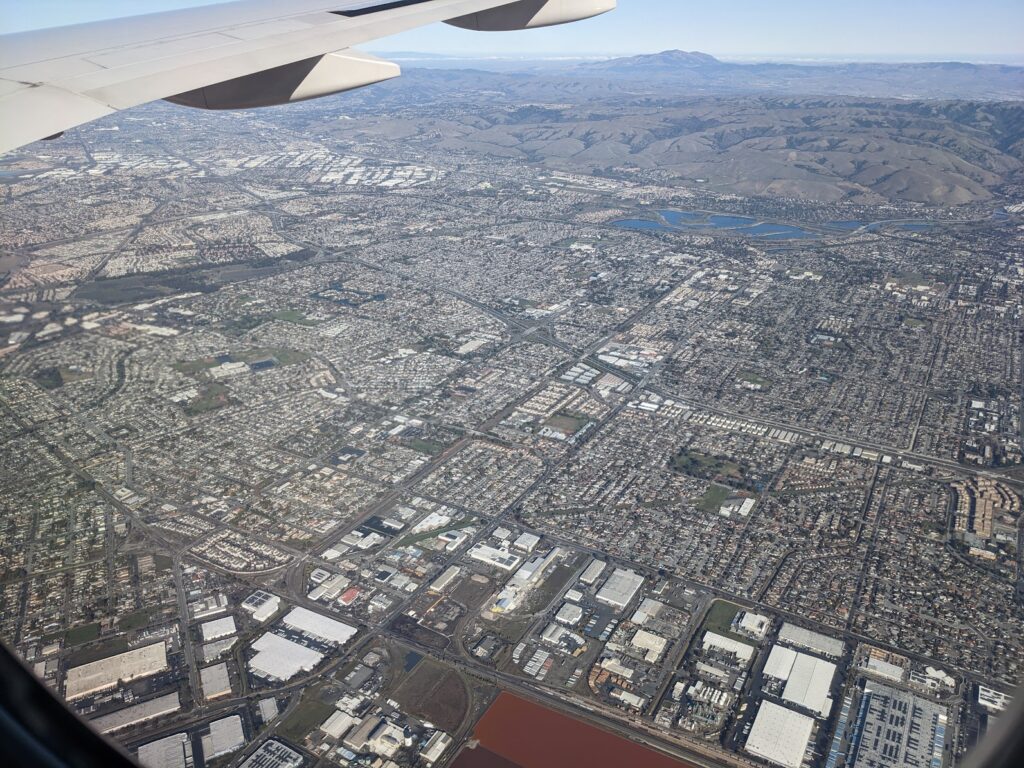

The conventional wisdom often dictates that economic realities are fixed, particularly in high-cost regions, yet a recent journey into the heart of San Francisco has cast a stark light on how deeply ingrained perceptions of "normalcy" can obscure opportunities for financial well-being and a richer quality of life. This observation emerges from a community where intentional financial independence (FI) is the norm, offering a contrasting lens through which to examine the prevailing consumer culture in one of America’s most affluent yet challenging urban landscapes.
For individuals deeply embedded in the "Mustachian" philosophy, a lifestyle characterized by extreme frugality, purposeful spending, and early retirement, a unique societal bubble forms. Within this self-selected group, prudent financial management, robust savings, and a collective disregard for conventional consumerist pressures become the standard. Neighbors collaborate on home renovations, share resources like tools or fresh produce, and celebrate "golden scores" from secondhand markets rather than luxury purchases. This environment fosters a sense of financial security and freedom from material stress, leading its members, including the author, to mistakenly assume such principles are universally understood and adopted across American society. This perspective, however, was sharply challenged during a recent immersion into the realities of life in the San Francisco Bay Area.

A Glimpse Beyond the Bubble: San Francisco’s Economic Paradox
A short trip to San Francisco, affectionately termed "The City" by locals, revealed a world strikingly different from the intentional frugality of the FI community. The Bay Area, a sprawling megalopolis encompassing eight million people across thousands of square miles, presents a complex tapestry of affluence and struggle. It serves as a living laboratory for observing both humanity’s aspirational drive and its susceptibility to lifestyle inflation. The region is synonymous with innovation and high salaries, particularly within the tech sector, yet it simultaneously exemplifies some of the nation’s most pronounced economic challenges and seemingly normalized excessive consumption.
The Economic Realities of the Bay Area
The cost of living in the Bay Area is notoriously high, a fact supported by numerous economic indicators. The median home price hovers around $1.5 million, a figure that dramatically understates the variations across neighborhoods. While some areas might offer homes starting at $750,000, these often come with caveats such as lengthy commutes, visible urban decay, and heightened security concerns. Conversely, desirable locales command prices upwards of $3 million, reflecting a deeply stratified housing market.

Beyond housing, everyday expenses reflect this elevated cost structure. Gasoline prices have frequently peaked around $6.00 per gallon in recent years, significantly above national averages. Dining out, a common practice for many residents, can be prohibitive; a casual slice of pizza at a modest establishment might cost $7.00, and a brunch for three can easily exceed $150, including tip. Services are similarly priced, with anecdotal reports of housekeeping companies charging $90 per hour. Even among high-earning professionals, financial strain is palpable. A young finance professional, for instance, grappled with two seven-passenger Mercedes SUVs, each incurring a $1,200 monthly payment, alongside an additional $200 parking fee for one vehicle—a stark illustration of how rapidly expenses can escalate despite substantial incomes.
Everyday Expenses and Lifestyle Choices
This environment leads many Bay Area residents to adopt a pervasive narrative: "This is just a high cost of living area, so it’s impossible to get ahead." This sentiment, while seemingly rational given the sticker shock of many goods and services, often overlooks an array of cost-effective alternatives and natural advantages unique to the region. The perception that financial struggle is inevitable in such an expensive locale can become a self-fulfilling prophecy, masking opportunities for significant savings and an improved quality of life.
Challenging the "High Cost of Living" Narrative
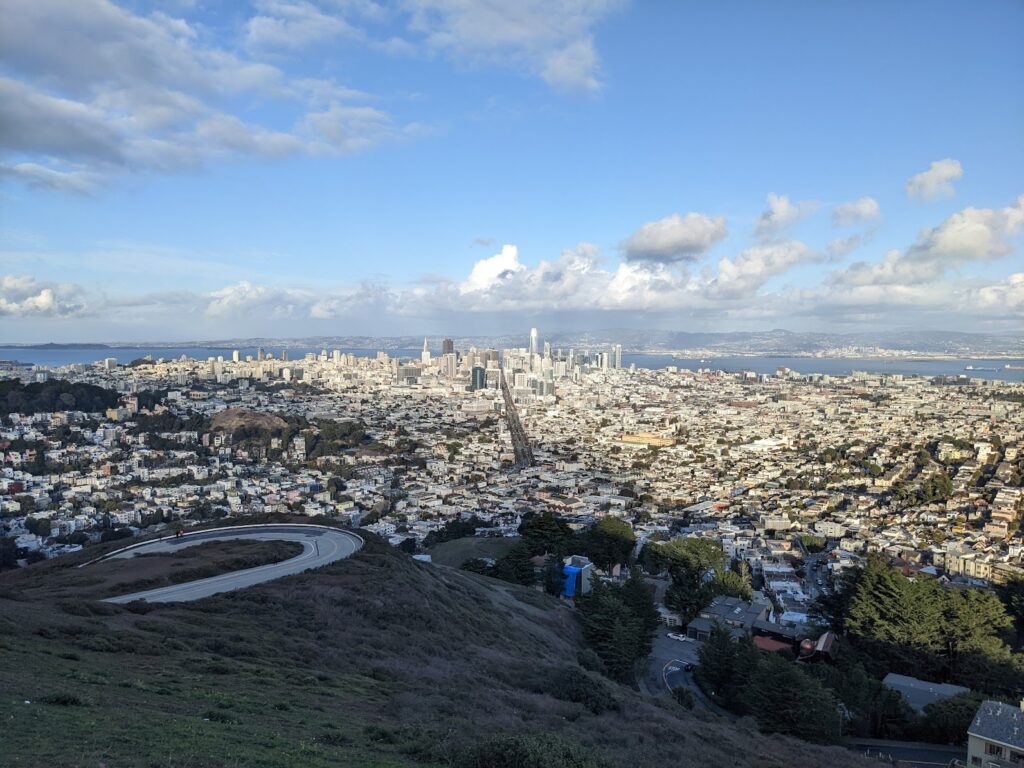
Despite the outwardly exorbitant costs, a closer examination reveals numerous "holes" in the narrative of unavoidable expense. The Bay Area is blessed with a remarkably mild climate, offering verdant landscapes and pleasant temperatures year-round. This natural amenity presents significant opportunities for free, health-promoting activities that are often underutilized.
Underutilized Assets and Sustainable Alternatives
During the visit, leisure time was predominantly spent walking and hiking in the region’s abundant parks, along scenic cliffs, and by the ocean shores. These activities, costing "absolutely nothing," provided immense physical and mental benefits, fostering lean bodies, robust appetites, and countless happy memories. Yet, these experiences stood in stark contrast to the complaints heard from others about prohibitive car traffic, expensive rideshare services, or the perceived impracticality of walking or biking in a city known for its hills. This highlights a fundamental disconnect: accessible, free, and healthy alternatives are often dismissed in favor of costly and less efficient options.
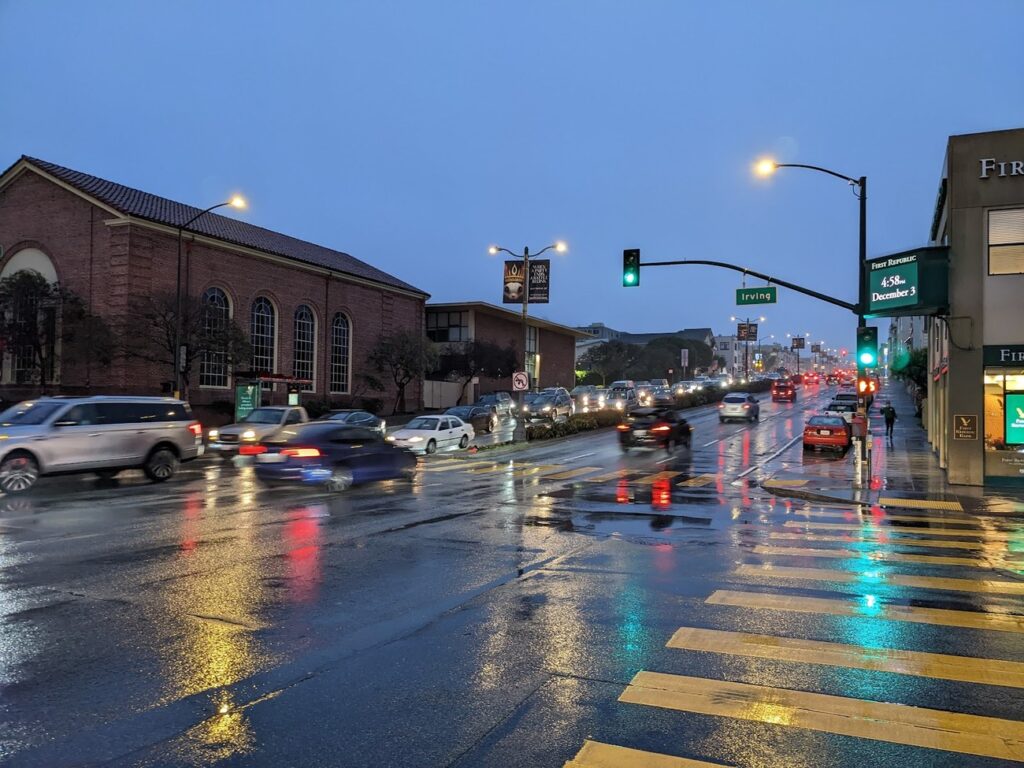
Furthermore, the mild Northern California climate, where leaves and flowers bloom year-round and heating or air conditioning is rarely essential, is a significant financial and environmental advantage. This climate is ideal for year-round active transportation, with conditions rarely more challenging than a mild rain or mist. In stark comparison, individuals from colder climates often express immense joy at the absence of snow and ice, readily embracing outdoor activities at the slightest hint of favorable weather. Yet, in California, there is a widespread tendency to avoid even minor weather variations, prioritize car travel, dine out frequently, and engage in activities far from home and work.
Interestingly, grocery store prices, even in the Bay Area, were found to be only marginally higher than in more affordable regions of the country. This suggests that while housing and services are inflated, the fundamental cost of nutritious food remains relatively stable, offering a significant area for potential savings through home cooking.
The "California Effect" and Systemic Normalization
The observations in the Bay Area reveal a magnified version of what could be termed the "Everywhere Effect"—a widespread human tendency to normalize prevailing societal systems, regardless of their inherent inefficiency or detrimental impacts. California’s infrastructure provides a striking example. The state government continuously invests in colossal road networks, multi-layered bridges, and vast parking lots, effectively subsidizing and perpetuating a car-centric culture. This infrastructure is designed to accommodate what the author describes as "massive, stupid, personal racing lounges that people call ‘cars’," reflecting a collective failure to critically evaluate the necessity and consequences of this mode of transportation.

The Hidden Costs of Convenience
The reliance on personal vehicles carries immense hidden costs. Beyond the direct financial burden of car payments, fuel, maintenance, and insurance, there are profound societal and environmental repercussions. Car crashes account for thousands of violent deaths annually, necessitating vast networks of police, ambulances, and fire services. The sedentary lifestyle associated with prolonged daily commutes contributes to millions of premature deaths from heart disease, diabetes, and related conditions, placing an enormous strain on healthcare systems, requiring additional hospitals, doctors, and surgeons. These societal costs are ultimately borne by taxpayers through some of the nation’s highest tax rates.
The cycle is self-reinforcing: people spend significant portions of their income on expensive cars and gasoline to navigate the very road networks that consume vast tracts of beautiful land, transform serene environments into "screaming, crashing, toxic din," and ultimately diminish overall quality of life. This phenomenon is not unique to California but is amplified there, serving as a powerful illustration of how illogical and self-defeating systems can become deeply entrenched and perceived as "normal."
The Psychology of "Normalcy"
The profound realization stemming from these observations is that everyone lives within a "bubble" that is incorrectly perceived as "normal." This fundamental aspect of human psychology, where the brain rapidly adapts and rewires itself to recurring stimuli, underpins both our ability to survive and our tendency to overlook systemic inefficiencies or personal habits that may not serve our best interests.
Adapting to Extremes: From Frugality to Conflict
The examples of this normalization are varied and striking. The Mr. Money Mustache community, comprising millionaire early retirees who still prefer older cars and do their own housework, considers their frugal lifestyle entirely normal. Conversely, San Francisco’s 25-year-old tech workers, earning starting salaries of $200,000, may carry significant credit card and car loan debt, yet perceive this financial reality as normal within their peer group.
Beyond financial bubbles, this phenomenon extends to even more extreme circumstances. Lex Fridman, a researcher, recounted interviewing Ukrainian citizens in war zones who, despite frequent bombings and the loss of loved ones, largely perceived their living conditions as "safe." They had normalized war. Similarly, examples abound in personal habits and extreme pursuits: from individuals who binge-watch television for five hours daily to ultra-endurance athletes who run multiple marathons consecutively, or those with severe addictions. In each case, repeated exposure to a specific stimulus, however unusual or extreme, leads the human brain to conclude: "This is normal."

This powerful adaptive capacity, while essential for survival, also means that individuals often fail to question the foundational assumptions of their daily lives. The "super weird and super specific" nature of one’s current existence is rarely acknowledged, creating a barrier to intentional change and improvement.
Breaking the Bubble: A Call to Conscious Living
The ultimate lesson from this journey is a profound one: "No, your current life is not normal." It is a highly specific, often arbitrary construct that has been normalized through repeated exposure and social conditioning. The liberating implication is that this construct is not immutable; it can be fundamentally altered. The human brain’s remarkable adaptability ensures that individuals can adjust to entirely new circumstances, provided they are intentionally introduced.
Reimagining "Normal": Towards Intentional Lifestyles
This understanding unlocks an immense life opportunity. By consciously choosing to integrate beneficial elements into one’s life—such as health, fitness, sensible spending, continuous learning, robust social connections, and community service—these positive habits can become the new "normal" just as quickly as less desirable ones like excessive screen time, sugary drinks, or accumulating debt.
The assignment for individuals, therefore, is to critically examine their own lives: identify what is expensive, detrimental to physical or mental health, or both. Reflect on how "normal" these elements feel, then envision a different reality—a happy, successful, self-actualized individual who thrives without these perceived necessities. This exercise reveals the "California Effect" within one’s own lifestyle, highlighting areas where ridiculousness masquerades as normalcy.
The path to financial independence and a truly optimized life lies in actively discerning the best aspects of one’s environment while shedding unnecessary downsides. It involves a conscious effort to construct an entirely new "bubble of normal" – one that is purposefully designed to serve individual well-being, financial health, and overall fulfillment. This simple yet profound mindset is not merely the backbone of financial independence but the blueprint for crafting the best possible life.