
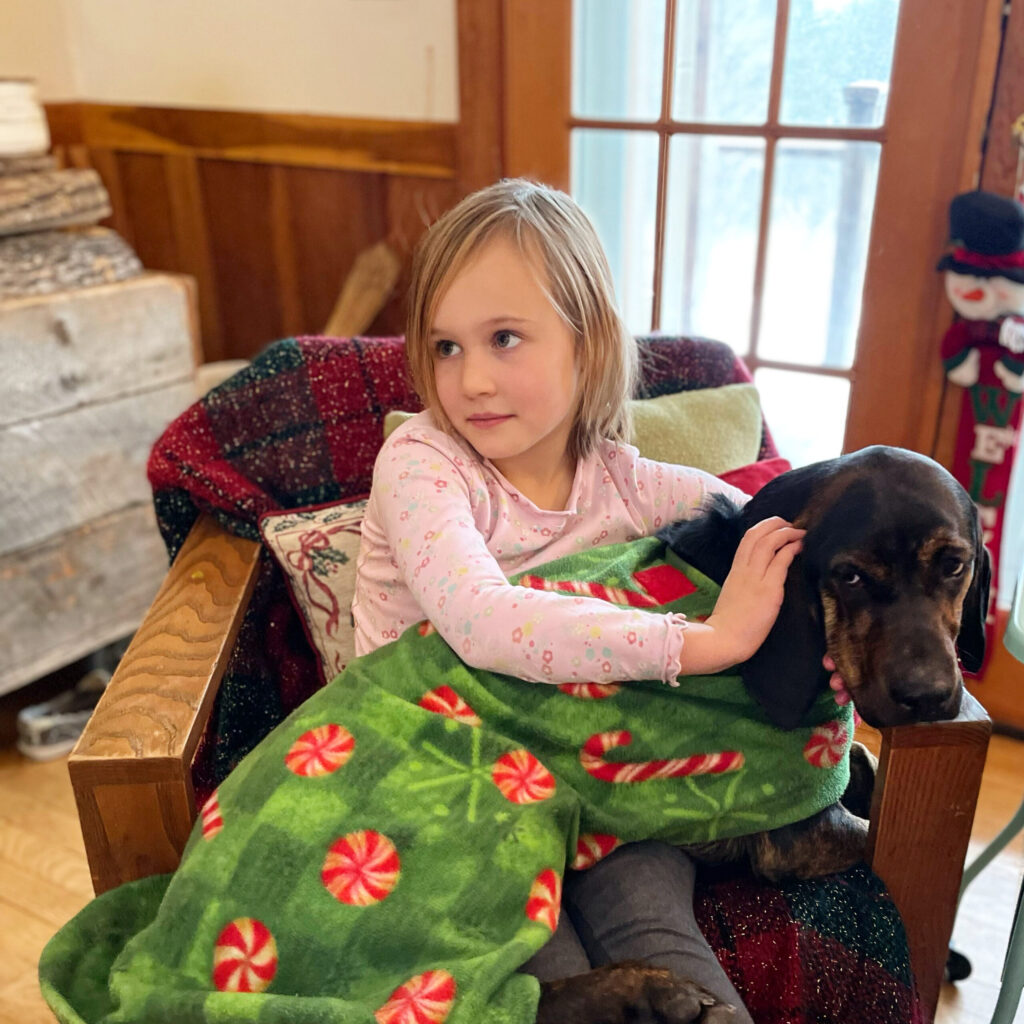

The adoption of a rescue animal is frequently framed as a linear narrative of salvation and domestic harmony; however, the case of Genevieve, a hound discovered in rural Vermont, serves as a complex case study in the limitations of behavioral intervention and the significant financial burdens of high-needs pet ownership. In late 2022, a Vermont-based family documented their four-month attempt to integrate a stray hound into their household, a process that ultimately required a difficult decision to rehome the animal due to intractable separation anxiety. This report examines the chronology of the adoption, the multi-disciplinary efforts to mitigate the dog’s behavioral distress, and the broader implications for families balancing active lifestyles with the demands of specialized animal care.
The Discovery and Initial Integration of Genevieve
In late September 2022, a female hound, later named Genevieve (colloquially "Gigi"), was discovered on a private property in Vermont. The animal appeared emaciated, covered in abrasions, and lacked any form of identification, including tags or a microchip. Despite local advertisements and outreach efforts by the finders, no owner came forward to claim the animal. Veterinary professionals and the family involved hypothesized that the dog had been part of a bear-hunting pack, a common occurrence in the region, and had become separated from her group during a hunt.

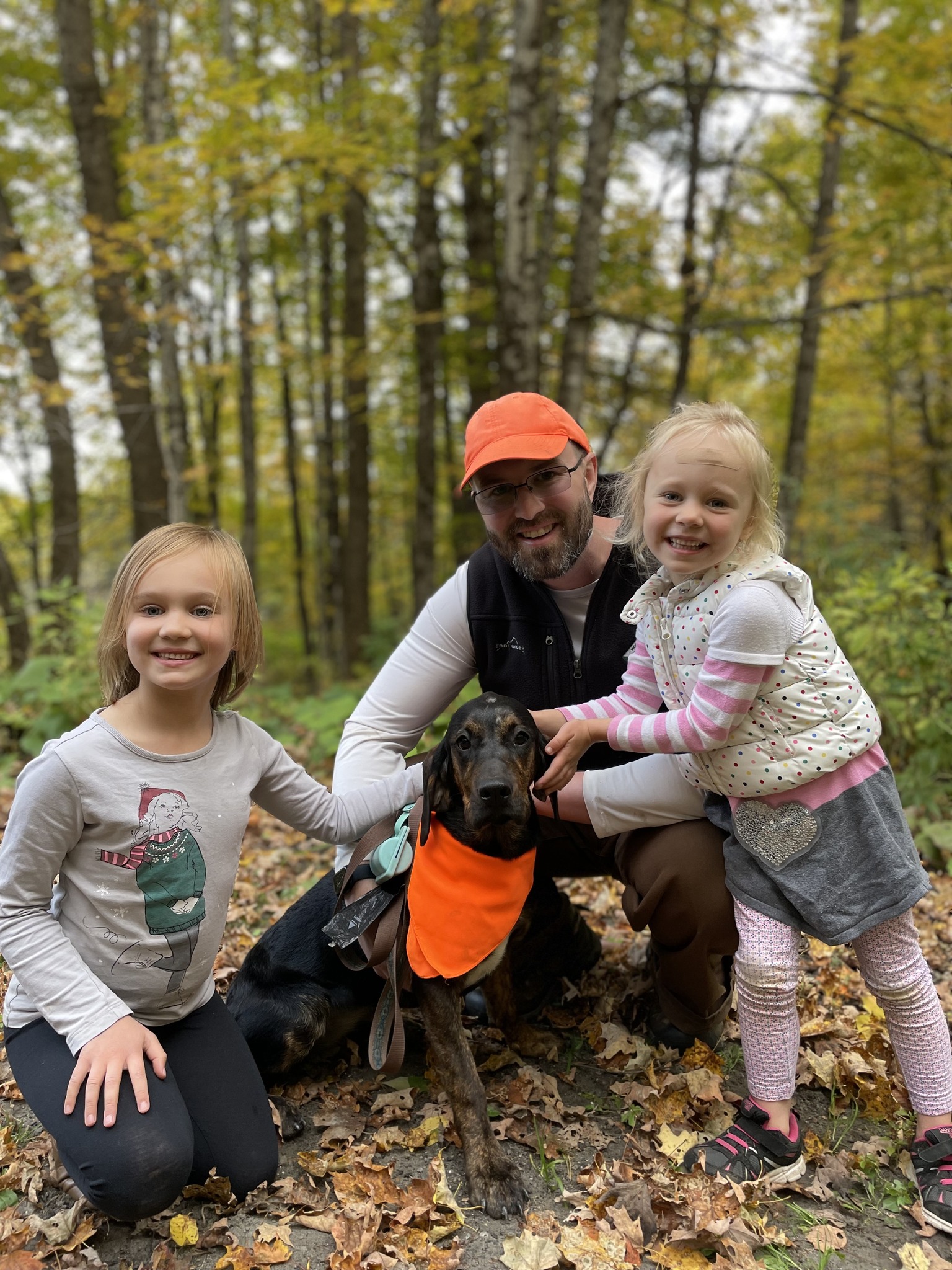
Recognizing the potential for the animal to be processed through an overextended shelter system, the family—who had previously owned a retired racing greyhound—officially adopted Gigi on October 3, 2022. Initial assessments suggested the dog was well-adjusted to human interaction; she was reported to be quiet, responsive to basic commands, and physically capable of joining the family on strenuous outdoor activities. However, as the family attempted to resume their standard daily routines, a severe behavioral pathology became evident: an absolute inability to remain solitary.
Chronology of Behavioral Interventions
The family’s attempt to manage Gigi’s separation anxiety spanned approximately 120 days and involved three primary tiers of intervention: behavioral modification, technological assistance, and pharmacological treatment.
Behavioral Training and Desensitization
Under the guidance of a professional dog trainer, the family implemented a rigorous desensitization protocol. This involved leaving the home for incrementally increasing durations, starting with intervals as brief as 30 seconds. The goal was to reward the animal for remaining calm during the owner’s absence. Despite consistent application of these techniques, the dog was unable to surpass a five-minute threshold of solitude before entering a state of physiological and psychological panic. Experts noted that while the dog was exceptionally calm in the presence of humans, the "panic response" to isolation was deep-seated and resistant to traditional positive reinforcement.
Technological Monitoring and Remote Interaction
To provide data for the trainer and attempt remote soothing, the family installed a surveillance system. This evolved into the use of a specialized camera-and-treat-dispenser unit, allowing the owners to monitor the dog’s behavior in real-time and dispense rewards remotely. The data collected via these devices confirmed the severity of the condition; Gigi exhibited pacing, vocalization, and involuntary elimination (both urination and defecation) within minutes of the family’s departure. The technological intervention provided evidence of the distress but failed to alleviate the underlying anxiety.
Medical and Pharmacological Approaches
When behavioral and technological methods proved insufficient, the family consulted veterinary professionals for medical support. A tiered pharmacological approach was initiated, beginning with mild anti-anxiety medications. When these yielded no measurable improvement, the regimen was escalated to include mild sedatives and, eventually, tranquilizers. According to the family’s records, none of these pharmaceutical interventions successfully mitigated the dog’s panic attacks during periods of isolation.
Financial Analysis of High-Needs Adoption
The financial commitment required to support a high-needs rescue animal is often underestimated by prospective owners. In the case of Genevieve, the family expended a total of $2,373.25 over a four-month period. This figure represents a significant departure from the average annual cost of a healthy, well-adjusted dog, which the family previously calculated at approximately $930 per year for their former pet.

Itemized Expenditure Breakdown
The following data illustrates the costs associated with the rescue and attempted rehabilitation of Genevieve:
- Veterinary and Medical Care: $952.98 (Includes initial vaccinations, de-worming, microchipping, diagnostic tests, and multiple rounds of behavioral medications).
- Rehoming and Spaying Support: $600.00 (The family covered the costs for the rescue organization to ensure the dog was spayed and fostered appropriately).
- Maintenance and Supplies: $386.92 (Food, beds, treats, toys, and specialized winter gear such as snow booties and high-visibility vests).
- Behavioral Training and Monitoring: $278.77 (Professional trainer sessions and the purchase of two separate camera systems).
- Administrative and Holiday Costs: $154.58 (Town licensing and seasonal items).
This data underscores the "hidden" costs of pet ownership. While the initial acquisition of a stray may seem cost-effective, the lack of medical history and the presence of specialized behavioral needs can lead to expenditures that exceed $500 per month.
The Decision to Rehome: Impact on Family Dynamics
The decision to surrender Gigi to a foster-based rescue organization in early 2023 was driven by the unsustainable impact on the family’s quality of life. The dog’s condition created a "zero-solitude" requirement, meaning at least one adult was required to remain at home at all times. This restriction prevented the family from attending church, school events, and recreational activities as a cohesive unit.

Furthermore, the "panic-induced elimination" meant that upon returning home—even from short errands—the family was frequently required to perform extensive sanitation of the animal and her environment. The psychological toll on the parents and the internalization of this stress by the children (ages 5 and 7) led to the conclusion that the household was no longer a healthy environment for the humans or the animal.
Broader Impact and Implications for Rescue Organizations
Upon Gigi’s entry into a specialized rescue organization, a critical discovery was made regarding her behavior. The rescue reported that Gigi was capable of being left alone in a house provided that other dogs were present. This confirmed the "pack animal" theory; as a probable former hunting dog, Gigi viewed solitude not just as a stressor, but as an existential threat. Her "pack" requirement could be satisfied by either humans or other canines, but never by an empty house.
This outcome highlights a vital lesson in the animal rescue community: the importance of "fit" over "effort." Despite the family’s significant emotional and financial investment, their status as a single-dog household made them fundamentally incompatible with Gigi’s specific psychological needs. Genevieve has since been successfully adopted into a home with multiple other dogs, where she is reported to be thriving.
Environmental Context: The Vermont Floods
The family’s experience with Gigi occurred against a backdrop of regional challenges, including the recent severe flooding in Vermont. While the family reported that their residence remained dry, the torrential rains caused significant damage to local infrastructure, including the destruction of their quarter-mile-long driveway. These environmental stressors further highlight the necessity for pet owners to have "lifestyle flexibility"—a luxury that high-needs animals often inadvertently restrict.
Conclusion
The story of Genevieve serves as a sobering reminder of the complexities inherent in animal rescue. It challenges the "failure" stigma often associated with rehoming, suggesting instead that recognizing a fundamental mismatch in needs is an act of responsible stewardship. The case demonstrates that even with unlimited compassion and significant financial resources, certain behavioral pathologies require a specific environmental "pack" structure that not every family can provide. For the Vermont family, the transition to "dog-sitting" for friends has provided a sustainable way to maintain a connection with animals without compromising the family’s ability to engage with the world as a whole. For Genevieve, the transition to a multi-dog household provided the one thing that medical science and human training could not: the constant presence of a pack.