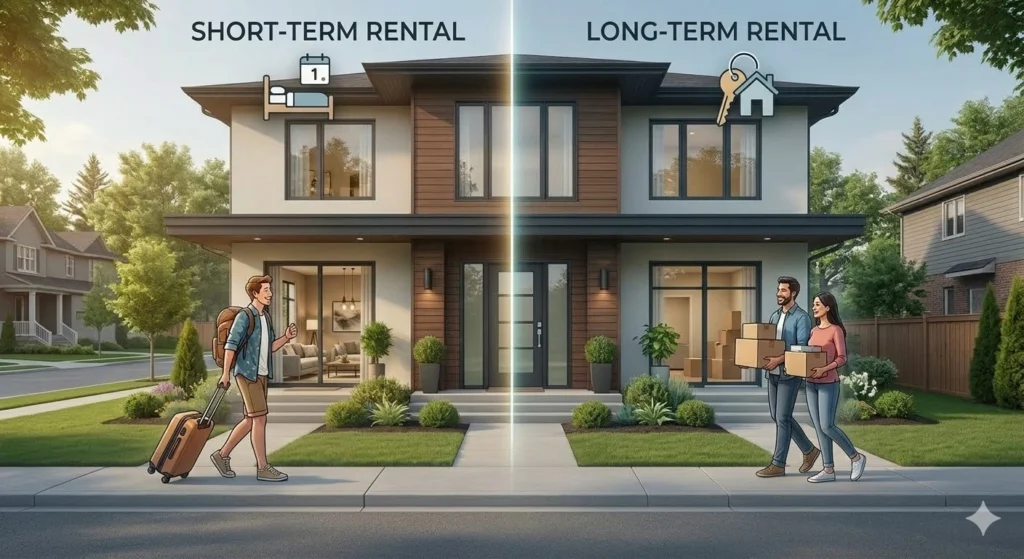

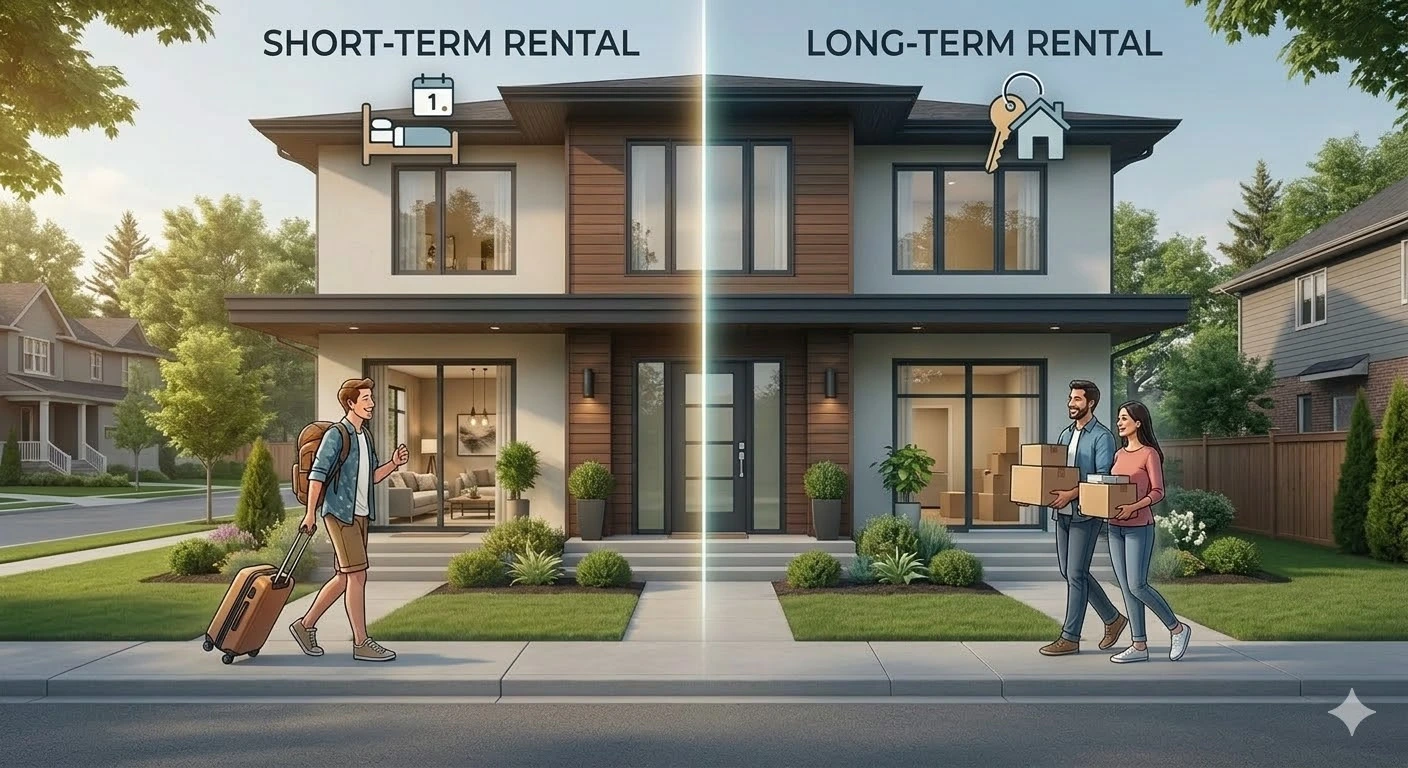
Just a few years ago, the allure of short-term rental properties, particularly through platforms like Airbnb, promised a straightforward path to passive income. The narrative was compelling: college students furnishing spare rooms and generating significant cash flow, and seasoned real estate investors capitalizing on a burgeoning travel market. This perception was amplified during the post-pandemic travel surge of 2021-2022, when data frequently indicated that short-term rentals outperformed their long-term counterparts in many U.S. locales. However, as 2026 unfolds, this once-predictable investment strategy has undergone a profound transformation. The market is now characterized by decelerating occupancy and revenue growth for short-term rentals, coupled with a significant increase in regulatory scrutiny. Consequently, the notion of passive income from vacation rentals has largely evaporated, giving way to the understanding that operating a successful short-term rental is now a full-fledged business.
This evolution has prompted a critical re-evaluation among real estate investors. The traditional long-term rental market, while offering a degree of stability, is not without its own set of challenges. Amidst this evolving dynamic, a third significant player has emerged: the mid-term rental. This diversification of options means that the clear-cut winner of previous years is no longer apparent, necessitating a more nuanced and data-driven approach to investment strategy. Real estate investors today must meticulously weigh their choices, considering a multifaceted array of factors that were once secondary or even negligible.
The Evolving Regulatory Environment: A Tightening Grip on Short-Term Rentals
Historically, the legal framework governing new business strategies often lags behind their rapid adoption. This was demonstrably true for the short-term rental market. Initially, many locations lacked specific regulations, making it comparatively easier to enter the short-term rental space. By 2026, however, this landscape has dramatically shifted. Most housing markets, especially those popular with tourists, now have established regulations for short-term rentals. Cities like New York City, Honolulu, Santa Monica, New Orleans, and San Francisco have, in effect, implemented near-bans through highly restrictive ordinances, making the operation of short-term rentals prohibitively difficult or impossible.
These regulations encompass a wide spectrum of requirements, including but not limited to:
- Licensing and Permit Requirements: Many municipalities now mandate obtaining special licenses or permits to operate a short-term rental, often involving annual fees and renewal processes.
- Zoning Restrictions: Regulations may limit where short-term rentals can be established, often excluding them from residential-only zones or requiring specific conditional use permits.
- Occupancy Limits: Rules are frequently put in place regarding the maximum number of guests allowed per property, impacting revenue potential.
- Health and Safety Standards: Hosts may be required to meet specific safety codes, including fire safety measures, smoke detectors, and carbon monoxide detectors.
- Taxes: Short-term rentals are increasingly subject to occupancy taxes, tourism taxes, and sales taxes, which can vary significantly by locality.
- Lease Agreement Requirements: Some jurisdictions dictate specific clauses or terms that must be included in rental agreements for short-term stays.
- Advertising Restrictions: In some areas, there are limitations on how short-term rentals can be advertised, including requirements for displaying permit numbers.
For investors in 2026, the capacity to navigate and comply with these complex legal frameworks is a paramount concern. The proliferation of these regulations has, for many, simplified the decision-making process between short-term and long-term rentals.
However, the legal landscape for traditional, long-term rentals is also not static. While landlords have been subject to location-specific laws since the early 20th century, the current environment is witnessing the emergence of new legislation that often tilts the balance further in favor of tenants, thereby increasing operational costs and complexities for landlords. Examples of evolving tenant-protective laws include:
- Rent Control and Stabilization Measures: States like California have enacted robust rent control policies that limit the amount landlords can increase rent annually, impacting long-term profit projections.
- Just Cause Eviction Ordinances: Many cities and states now require landlords to provide specific, legally recognized reasons for evicting a tenant, making the eviction process more arduous and time-consuming.
- Enhanced Tenant Protections During Emergencies: Legislation enacted in response to events like the COVID-19 pandemic has, in some instances, provided extended eviction moratoriums or grace periods for rent payments, creating financial uncertainty for landlords.
- Mandatory Amenities and Habitability Standards: New laws often mandate stricter habitability standards, requiring landlords to provide specific amenities such as working stoves, refrigerators, and increasingly, energy-efficient appliances and systems.
- Increased Notice Requirements: Landlords may face longer notice periods for lease terminations, unit turnovers, or entry into a tenant’s dwelling.
States such as California and Washington have been at the forefront of these legislative shifts. In California, for instance, Assembly Bill 1482 introduced statewide rent caps and just cause eviction protections for many rental properties. In Washington, laws have been enacted to limit late fees on rent and increase the notice period required for rent increases or lease terminations. The trend suggests that as these laws prove effective in one major state, others are likely to follow suit. Therefore, a comprehensive understanding of local and state-level legal requirements is essential for any investor, regardless of their chosen rental strategy.
Escalating Costs Across the Board: The Financial Realities of Rental Property Investment
The financial equation for real estate investment has also become more challenging. While short-term rentals have historically represented a more significant upfront investment, this disparity has been amplified by rising costs across both rental strategies. General U.S. home prices have climbed, and this is compounded by increases in property taxes, mortgage rates, and insurance premiums.
For short-term rental properties, the financial burden is further inflated by regulatory compliance. Annual fees for permits and registrations, substantial fines for non-compliance, and additional local taxes are now commonplace. Furthermore, platform fees, such as those introduced by Airbnb in 2025, add another layer of operational expense. Beyond these direct costs, the competitive nature of the short-term rental market necessitates greater investment in property amenities and presentation. What was once considered a desirable amenity, such as a hot tub in a Gatlinburg, TN Airbnb, is now often considered a baseline expectation. The effort to stand out in an increasingly crowded market translates directly into higher upfront and ongoing costs. This means that owning a vacation rental property in 2026 is considerably more expensive than it was just a few years prior.
Long-term rental properties are also experiencing escalating overhead. New laws often mandate the provision of essential appliances like working stoves and refrigerators, increasing initial setup costs. Moreover, tenants are increasingly prioritizing energy efficiency, compelling landlords to invest in upgrades that reduce utility consumption, such as better insulation, energy-efficient windows, and modern HVAC systems. These investments, while beneficial in the long run, represent a significant upfront capital outlay. Consequently, both start-up and ongoing costs for traditional rentals are no longer what they once were. Investors must move beyond general estimates and conduct thorough, data-backed cost analyses for both income and expenses to determine the true cash-flow potential of each strategy before making a decision.
Strategic Location Selection: Navigating Shifting Demographics and Travel Trends
The choice of market remains a critical determinant of success for any rental property investment. Beyond the legal implications, investors must now consider evolving demographic shifts and travel patterns. Travel trends are dynamic, and the issue of market saturation for short-term rentals adds another layer of complexity to the decision-making process.
For traditional long-term rentals, demographic data reveals significant migration patterns. Prospective tenants are increasingly moving to the Southeastern and Mountain West regions of the U.S., a trend that contrasts with the prior decade’s focus on larger, established urban centers. Understanding where people are moving is only one piece of the puzzle; effectively positioning an asset within these markets is the true challenge.
Daryl Fairweather, Chief Economist for Redfin, offers insights into these market dynamics. She suggests that conversions from short-term to long-term rentals are most likely to occur in markets where short-term rental economics are weakening or regulations are tightening. The key indicator for such conversions is when short-term rental revenue softens, but the underlying fundamentals for long-term rentals remain robust. Conversely, markets where short-term rentals may continue to outperform long-term rentals are typically characterized by a strong professional management presence, dynamic pricing strategies, and consistent, high-demand tourism. Fairweather emphasizes that passive Airbnb investments in less-established towns are increasingly risky. This underscores the need for investors to meticulously research and understand the specific market dynamics and trends before committing capital.
The Occupant Factor: Re-evaluating Guest Expectations and Responsibilities
A significant draw for early real estate investors in short-term rentals was the perceived simplicity of dealing with temporary guests. The assumption was that transient occupants would pose fewer issues than long-term tenants, avoiding common landlord headaches such as prolonged vacancies, tenant disputes, property damage beyond normal wear and tear, and the complexities of eviction proceedings. The Airbnb guest, in this idealized view, represented the quintessential low-maintenance renter.
However, the reality has proven to be far more complex. A growing number of "Airbnb horror stories" have surfaced, detailing incidents ranging from disruptive parties and property damage to theft and even criminal activity. These experiences highlight the inherent unpredictability of short-term guests. Furthermore, the operational costs associated with hosting short-term guests are substantial. Providing high-speed internet, stocking hotel-like amenities, and ensuring professional, frequent cleaning all contribute to higher operating expenses compared to long-term rentals.
In 2026, it is no longer a simple matter of one occupant type being inherently superior to the other. Both short-term guests and long-term tenants require unique management approaches and come with their own associated costs and risks. Real estate investors must critically assess their capacity to manage these distinct demands, developing robust risk mitigation strategies for potential issues that may arise with either.
The Shifting Effort: From Passive Dreams to Active Realities
The perception of short-term rentals as a source of effortless passive income has been a significant casualty of market evolution. Online communities and forums for short-term rental hosts are rife with complaints from individuals who underestimated the significant effort required to operate a hospitality business. Running an Airbnb or similar property without outsourcing property management transforms the investment from passive to active.
Similarly, being a landlord for a long-term rental has always been an active endeavor. While the perceived "passive" nature of short-term rentals was a major selling point, traditional rentals have always demanded considerable effort at various junctures, including managing tenant turnover, handling emergency maintenance, and, in some cases, navigating the difficult process of evictions.
Both investment types can be made more passive through the engagement of professional property managers. However, this comes at a cost that can significantly impact cash flow. Property management fees for long-term rentals typically range from 8% to 12% of monthly rental income, whereas for short-term rentals, these fees can be substantially higher, often between 15% and 25%. This means that neither hosting short-term guests nor being a long-term landlord is inherently passive. Investors must realistically assess their tolerance for day-to-day operations and time commitment, or accurately factor in management costs when conducting investment property analysis to achieve a truly passive income stream.
The Rise of the Mid-Term Rental: A Promising Hybrid Strategy
The investment decision is no longer a binary choice between short-term and long-term rentals. A compelling third option has emerged and gained significant traction: the mid-term rental. Defined as a rental property leased for a period of one month or more, up to six months, and sometimes even closer to a year, mid-term rentals occupy a strategic middle ground. This segment is particularly attractive to traveling nurses and other healthcare professionals, individuals on extended business trips or long holidays, digital nomads, and those in the process of relocating.
Mid-term rentals thrive in specific locations that cater to these demographics, including:
- Areas with Large Hospitals and Healthcare Facilities: These locations attract a consistent influx of traveling medical professionals.
- Cities with Major Corporate Presence: Business travelers on extended assignments often seek mid-term housing.
- University Towns: Visiting scholars, faculty, or students on semester-long programs can be ideal tenants.
- Areas Experiencing Population Growth or Relocation: Individuals transitioning to a new city often require temporary housing.
A significant advantage of mid-term rentals is their ability to often circumvent the stringent regulations that govern traditional short-term rentals. While the average daily rates for short-term rentals might be higher, mid-term rentals typically boast higher occupancy rates. This, combined with lower turnover costs and reduced cleaning fees compared to short-term rentals, can translate into superior overall profitability within the same real estate market. Furthermore, mid-term rentals, like their short-term counterparts, are usually furnished and offer greater flexibility than long-term leases. Consequently, tenants are often willing to pay a premium, sometimes $600 to $800 more per month, for the convenience of a temporary, furnished lease. The emergence of this third rental strategy presents investors with another viable avenue for generating cash flow, demanding a re-evaluation of which option best aligns with market opportunities.
Strategic Realignment: Converting or Selling Underperforming Short-Term Rentals
For a segment of real estate investors, 2026 represents a critical juncture for re-evaluating existing rental properties. A once-lucrative short-term rental may now be operating in an oversaturated market, leading to diminished profit margins. Alternatively, new regulations may have rendered the operation of this business model legally untenable. Following a thorough assessment of the situation, investors facing these challenges must decide on their next course of action: convert the property to a long-term rental or sell it outright.
The decision to convert or sell is not a simple one and necessitates a deep dive into current real estate market trends and an honest appraisal of one’s financial standing. Is the current market opportune for a sale, or would selling prematurely mean forfeiting potential future profits? Can the investor afford to hold the property while awaiting a favorable sale, or will the carrying costs lead to negative cash flow? Crucially, how are long-term rentals performing in the same market where the short-term rental is struggling?
Daryl Fairweather offers guidance on when an investor might consider selling a vacation property rather than converting it. She advises selling when the property no longer justifies the complexity and inherent risks associated with short-term rentals, or when the capital invested could be deployed more effectively elsewhere. Key indicators for selling include properties that no longer yield strong returns, market prices that are favorable for a sale, or regulatory environments that have rendered the short-term rental strategy unprofitable.
If the market conditions and financial analysis support a conversion to a long-term rental, Fairweather suggests focusing on four key areas:
- Market Analysis: Thoroughly research the local long-term rental market to understand demand, vacancy rates, and competitive rental prices.
- Tenant Screening: Implement a rigorous tenant screening process to select reliable renters who are likely to pay rent on time and maintain the property.
- Lease Agreements: Utilize comprehensive and legally sound lease agreements that clearly outline the terms and conditions of the tenancy.
- Property Maintenance: Maintain the property to a high standard to ensure tenant satisfaction and minimize costly repairs down the line.
Fairweather concludes that long-term rentals offer predictability and stability over the potential for higher, but more volatile, upside. Approaching the conversion as a strategic business decision, rather than an impulsive reaction, is paramount.
Final Considerations for the Savvy Investor
The real estate investment landscape has undeniably evolved, impacting both the short-term and long-term rental markets. However, opportunities for profitable real estate investment persist. The key in 2026 and beyond lies in a more discerning approach, guided by robust data analysis. Whether an investor remains committed to a specific strategy or is open to exploring new avenues, thorough market research and data-driven decision-making are essential. Utilizing platforms and tools that provide reliable market data, including Airbnb occupancy rates, long-term rent estimates, and historical performance trends, empowers investors to identify the most profitable strategies before committing capital. The future of real estate investment hinges on adaptability, informed choices, and a keen understanding of the ever-changing market dynamics.