
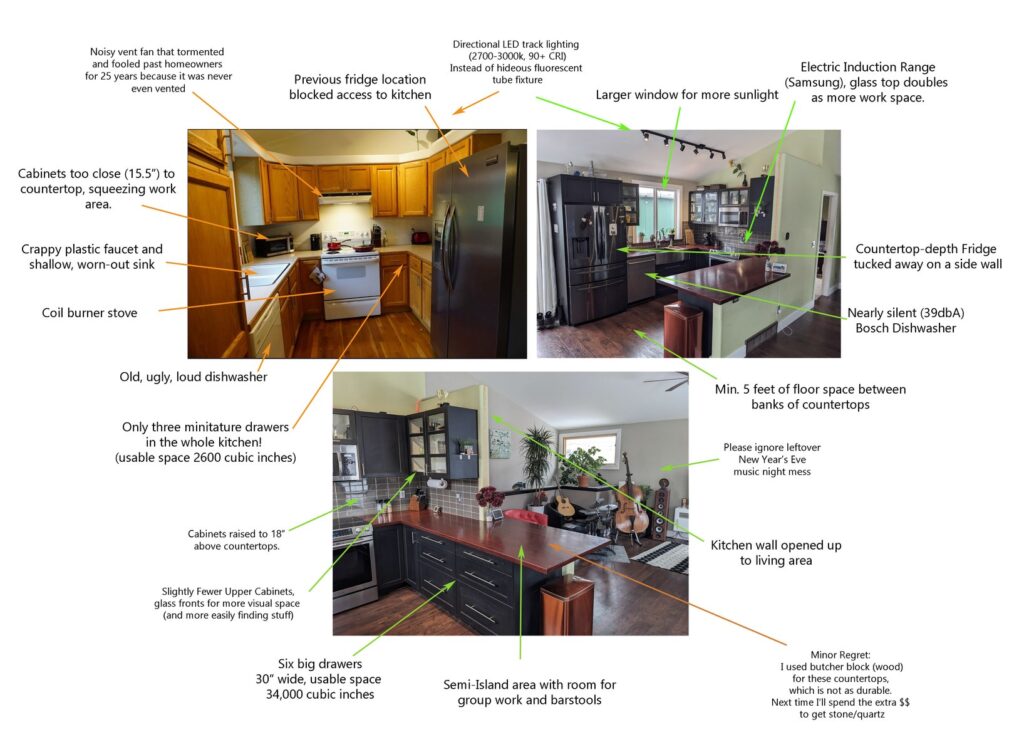

In an era marked by escalating housing costs and a persistent shortage of skilled tradespeople, a growing number of homeowners are turning to do-it-yourself (DIY) kitchen renovations as a strategic method to enhance property value, reduce expenditure, and foster self-reliance. This trend reflects a pragmatic response to market conditions, where a well-executed kitchen remodel can yield substantial financial returns and significantly improve a home’s functionality and aesthetic appeal. The increasing cost of professional services, coupled with the proven return on investment for kitchen upgrades, positions DIY as a powerful tool for financial optimization and property enhancement.
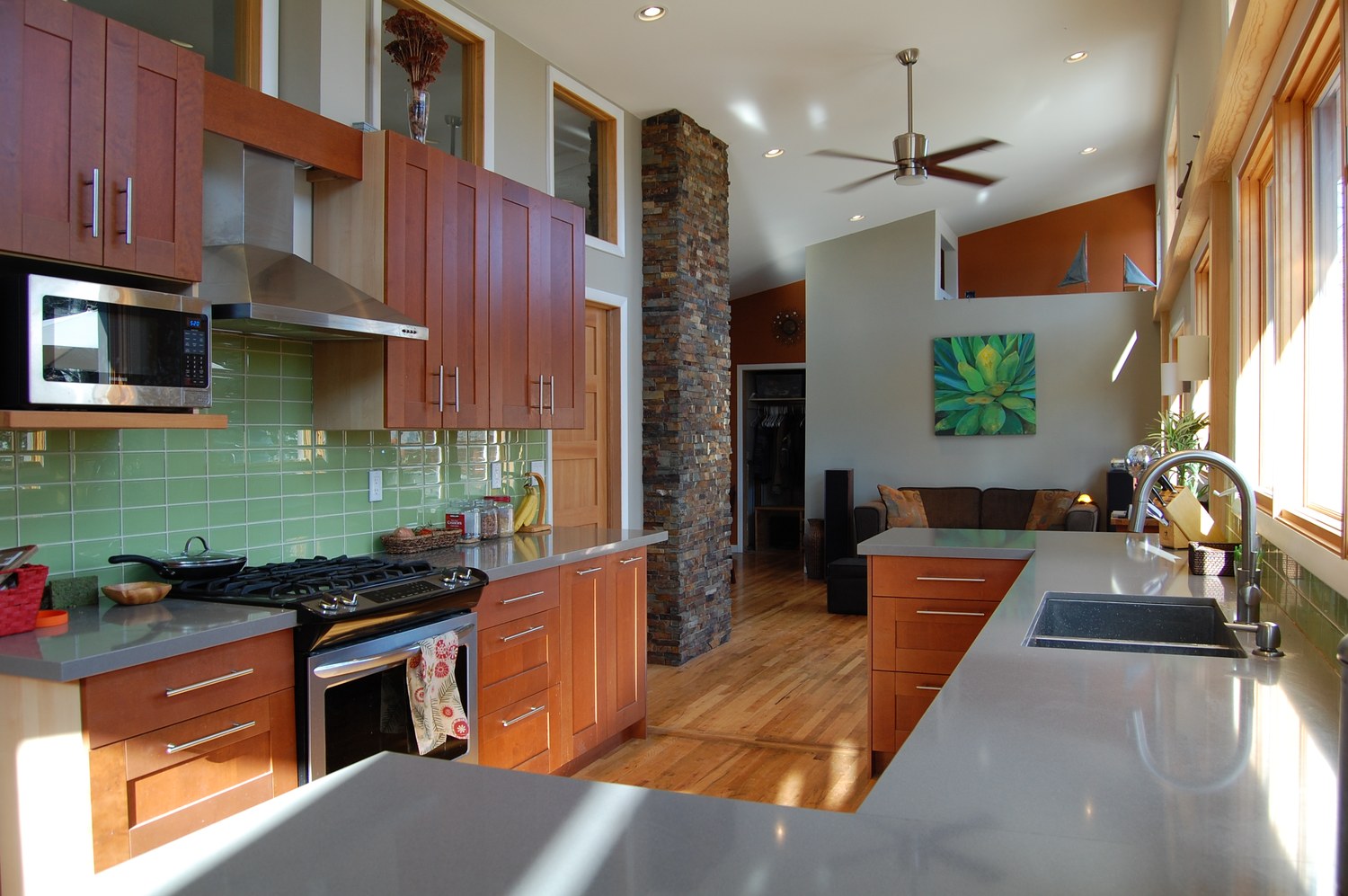
The Kitchen: A Home’s Enduring Heart
The kitchen has long been recognized as the nexus of domestic life, serving beyond its primary function of food preparation and storage. It frequently transforms into a multi-purpose hub for family gatherings, homework sessions, informal meetings, and social events. This central role underscores why the kitchen remains a top priority for homeowners seeking to invest in their properties, making its design and functionality paramount to overall home satisfaction and market desirability. Real estate experts consistently note that kitchen and bathroom remodels offer some of the highest returns on investment, directly influencing buyer interest and sale prices. A 2023 report by Remodeling Magazine’s Cost vs. Value shows that a minor kitchen remodel can recoup around 71% of its cost upon resale, while a major remodel can still offer a significant return, highlighting its enduring appeal to buyers.
Economic Imperatives: High Costs and High Rewards
The decision to undertake a kitchen renovation is often driven by compelling financial considerations. Housing represents the largest expenditure for most households, and this cost has seen a dramatic increase in recent years due to a significant imbalance between supply and demand in many markets. According to the National Association of Realtors, median home prices have risen consistently, making affordability a critical concern for many. Concurrently, the cost of professional renovation services has surged, with estimates for a comprehensive kitchen remodel ranging widely from $25,000 to over $75,000, depending on scale and finishes. Data from HomeAdvisor indicates that the average kitchen remodel costs between $15,000 and $50,000, with high-end projects easily exceeding $75,000.
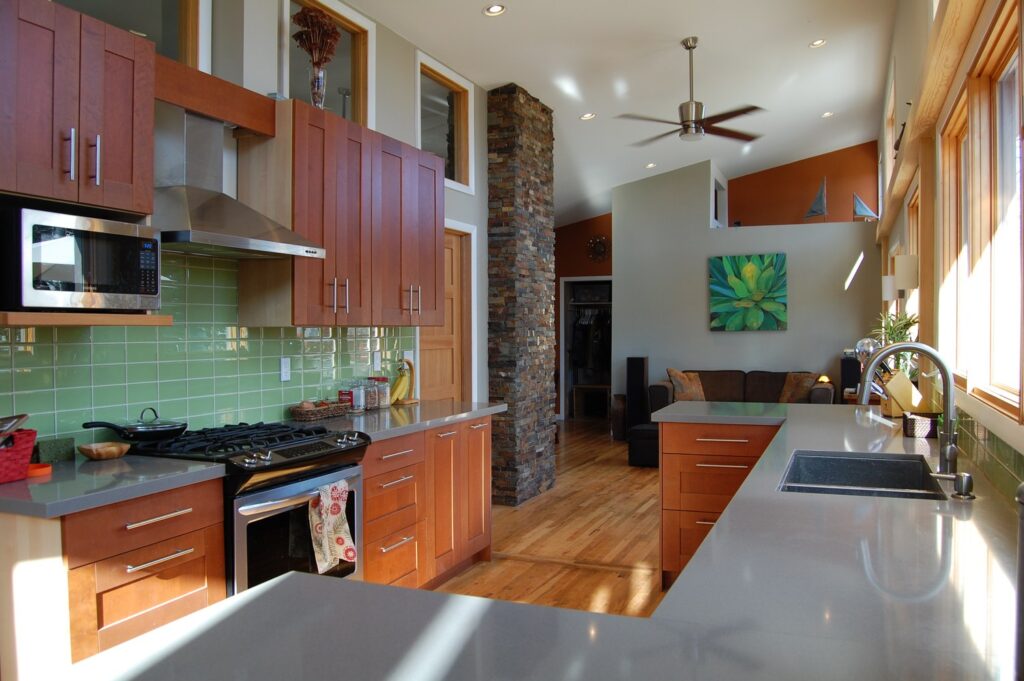
This substantial cost is largely attributable to labor rates for skilled trades, which can translate to an hourly equivalent of $100 to $300. By electing to perform some or all of the work themselves, homeowners can effectively "claim" these labor costs, transforming a significant expense into potential savings or equity. Furthermore, in competitive housing markets, a high-quality kitchen upgrade frequently generates value exceeding its initial investment, often adding more than the $25,000 to $75,000 spent. This appreciation manifests as increased resale value or higher rental income for investment properties, making DIY renovations a financially astute endeavor. For instance, a $20,000 DIY kitchen renovation that avoids $30,000 in labor costs and adds $40,000 to the home’s value represents a significant net gain.
Addressing the Skilled Trades Shortage
The escalating costs of professional renovations are exacerbated by a recognized shortage of qualified tradespeople. While there is an abundance of older homes featuring outdated amenities—such as flimsy sinks, leaky faucets, and faux wood-grain cabinets—there is a scarcity of professionals equipped with the expertise to modernize these spaces to contemporary standards. Reports from the Associated General Contractors of America frequently highlight the difficulty in finding skilled labor, including electricians, plumbers, and carpenters. This scarcity drives up demand and pricing for available skilled labor. The DIY movement, therefore, not only offers a cost-saving alternative for homeowners but also subtly addresses this broader industry challenge by empowering individuals to fill the void themselves. This self-sufficiency reduces reliance on external contractors and fosters a greater understanding of home infrastructure, contributing to a more resilient housing ecosystem.
Navigating Regulations: The Permit Process
A critical preliminary step in any significant home renovation is determining the necessity of a building permit. While regulations vary significantly by jurisdiction—from municipalities where inspectors are vigilant for minor changes to regions with more relaxed oversight—projects involving alterations to plumbing, electrical, or structural components typically require official approval. For example, changing the layout of a kitchen that involves moving a sink or stove may trigger plumbing and electrical permit requirements. Regardless of local enforcement, industry best practice dictates adhering to local building codes to ensure safety, structural integrity, and long-term durability. Proper, code-compliant work prevents future issues, ensures homeowner safety, and maintains the property’s marketability and insurance eligibility. Failing to secure necessary permits can lead to fines, difficulties in selling the home, or even mandatory demolition of unapproved work.
Strategic Planning: Cost, Layout, and Design
Effective kitchen renovation begins with meticulous planning, encompassing budget allocation, layout optimization, and design choices.

-
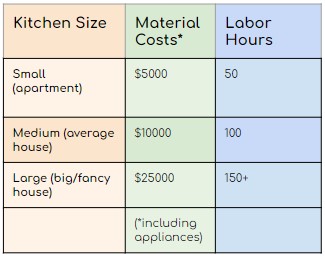
Budgeting for Materials: Material costs constitute a significant portion of the overall budget. A typical small kitchen (under 100 sq ft) might incur $4,000-$7,000 in material costs, while a medium kitchen (100-150 sq ft) could range from $7,000-$15,000, and a large kitchen (over 150 sq ft) could easily exceed $15,000. These figures typically include appliances. Savvy sourcing strategies, such as comparing prices across online retailers like Amazon against traditional hardware stores like Home Depot, purchasing materials in bulk, utilizing open-box items, or exploring local salvage yards, can yield substantial savings. For instance, a recent price check revealed sink traps costing significantly less on Amazon compared to major big-box retailers, illustrating the importance of thorough comparison shopping.
-
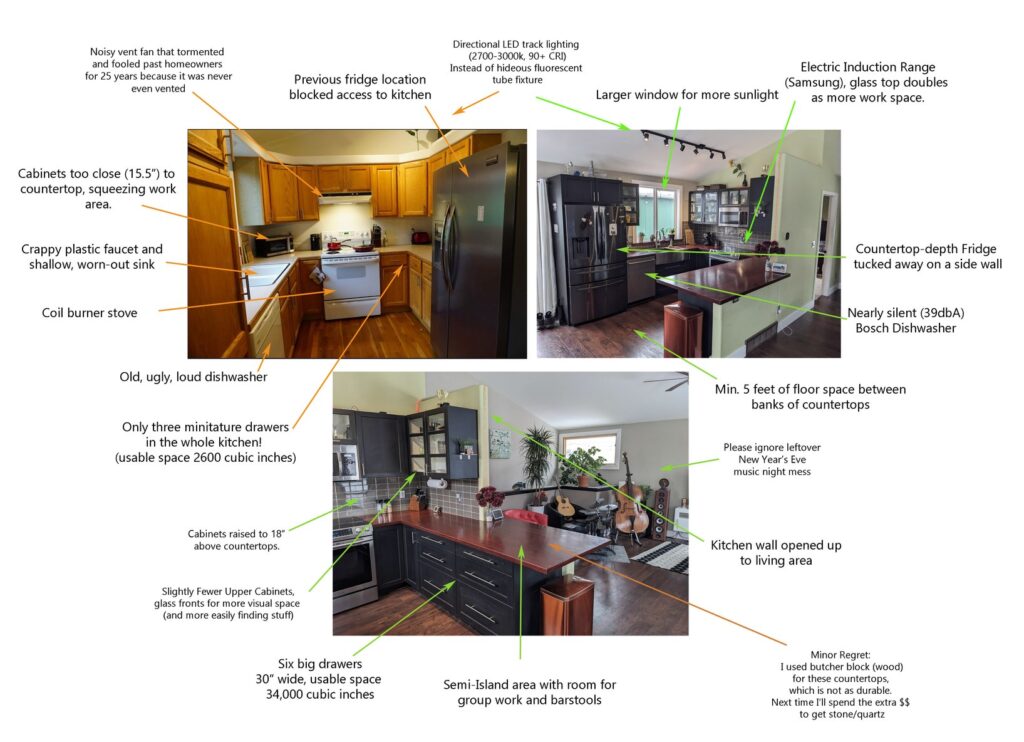
Optimizing Layout and Space: A common characteristic of older homes is a compartmentalized kitchen, often a small, enclosed space. Modern design principles favor open-concept living, which frequently involves removing non-load-bearing walls to create a more expansive and integrated kitchen-living area. This transformation enhances natural light flow, improves social interaction, and provides more functional workspace.
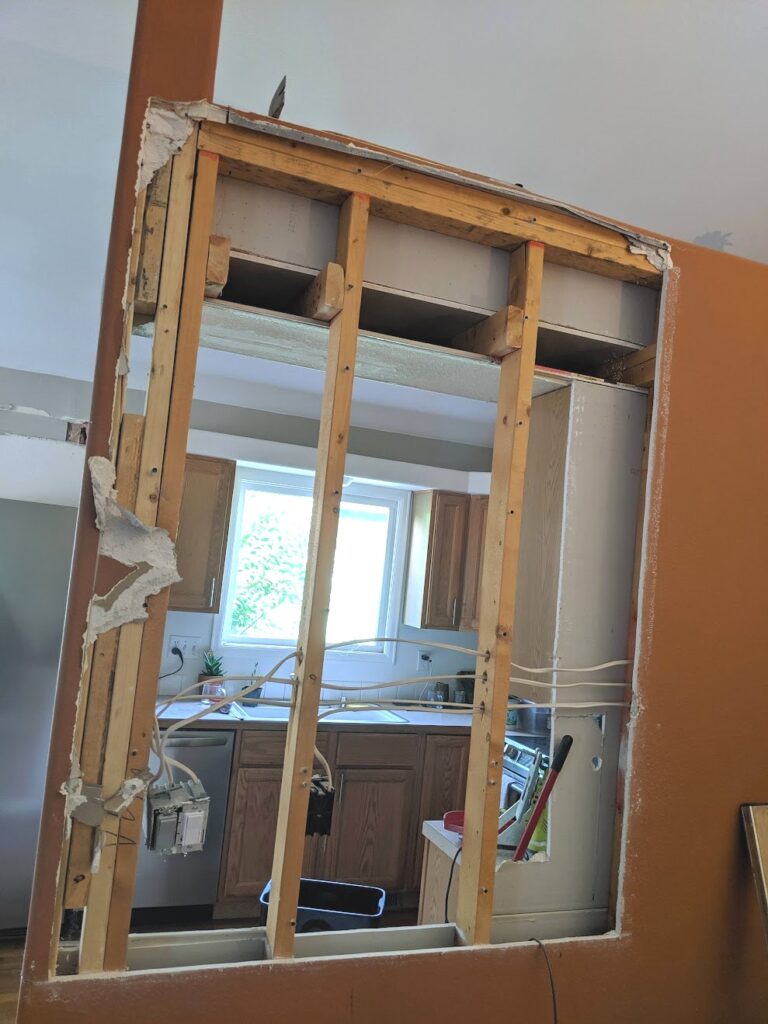
- Identifying Load-Bearing Walls: Determining whether a wall is load-bearing is crucial for safety and structural integrity. Indicators include walls positioned directly above foundations or supporting floor joists, walls running perpendicular to joists, or those with double top plates. Consulting a structural engineer or experienced builder is always recommended for definitive assessment. Removing a load-bearing wall without proper structural support can lead to catastrophic structural failure.
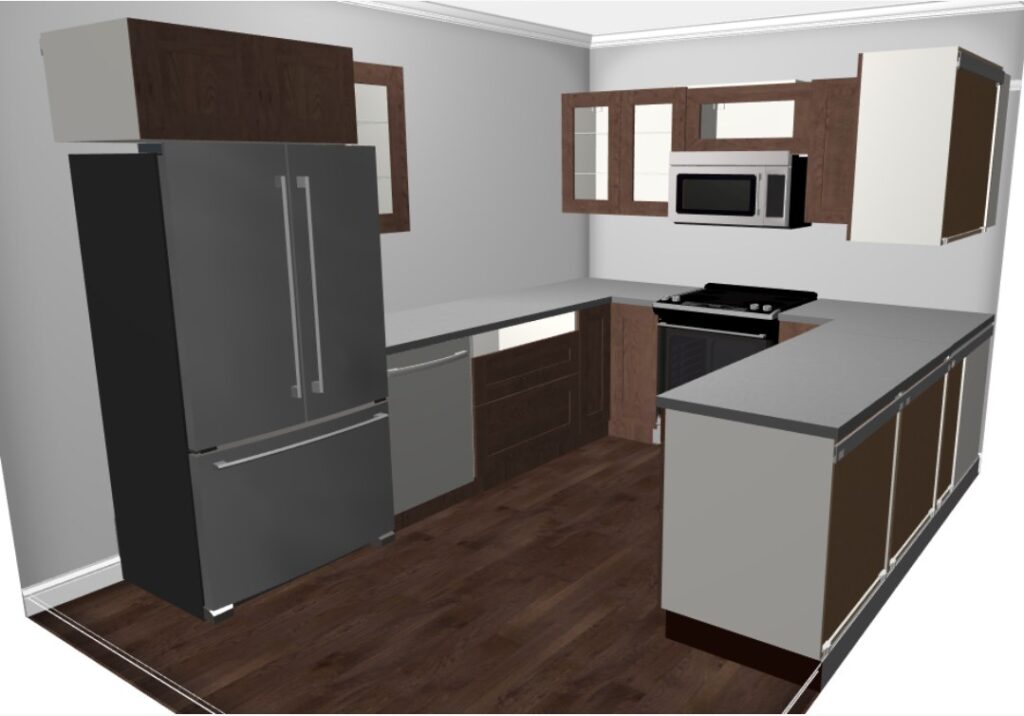
- Design Principles: Key layout considerations include maximizing counter space, ensuring adequate clearance around appliances and work zones, and creating efficient workflow triangles between the sink, refrigerator, and stove. The "kitchen triangle" concept, which minimizes the distance between these three main workstations, remains a cornerstone of functional kitchen design. Tools like the free IKEA Kitchen Planner can be invaluable for visualizing layouts in 3D, allowing homeowners to experiment with different configurations before committing to physical changes. This digital planning can save considerable time and prevent costly errors.
-
Building New Walls: While demolition is often a focus, new walls may be necessary to define new spaces, accommodate utilities, or create pantry areas. These new structures must be built straight, plumb, and square, adhering to structural integrity standards. This ensures that subsequent installations, such as cabinets and countertops, align correctly.
Core Renovation Phases: Plumbing and Electrical
These critical infrastructure components demand precision and adherence to code.
-
Plumbing Systems: While existing plumbing fixtures (sink, dishwasher, refrigerator water line) may remain in their original locations, modern renovations often involve relocating them or adding new connections for islands or additional fixtures. Contemporary plumbing materials like PEX tubing offer ease of installation and flexibility compared to traditional copper or PVC, simplifying the process for DIYers. PEX is easier to cut, join, and route through walls, reducing the complexity of pipe alterations. Key considerations include ensuring proper drainage and ventilation to prevent issues like sewer gas intrusion or slow draining. The installation of a garbage disposal, dishwasher, and refrigerator waterline requires careful planning for water supply and waste disposal, typically routed through a main drain stack and vented according to code.
-
Electrical Systems: Electrical work, while potentially hazardous if mishandled, is manageable for those willing to learn and adhere strictly to the National Electric Code (NEC). The NEC, updated every three years (currently the 2020 NEC), provides comprehensive guidelines for safe electrical installations. Common kitchen electrical tasks include rerouting existing lines from removed walls, adding new outlets for countertop appliances (requiring at least two 20-amp, GFCI-protected circuits every four feet along work surfaces), and potentially installing dedicated circuits for major appliances like refrigerators, dishwashers, and microwaves. Homeowners can perform much of the wiring work themselves, with professional electricians often available for final panel hookups and inspections, balancing cost savings with safety assurance. Essential electrical details include planning for adequate task and ambient lighting, installing exhaust fan wiring, and ensuring proper ventilation for cooking appliances. Smoke and carbon monoxide detectors, often required by code, should also be integrated into the electrical plan.

Finishing Touches: Drywall, Flooring, Cabinets, and Countertops
Once the hidden infrastructure is complete, the focus shifts to visible aesthetics and functionality.
-
Drywall Installation: Covering new framing and utility runs with drywall marks a significant visual milestone. Proper technique involves precise measurement, clean cuts, secure fastening, and meticulous taping and mudding to create a seamless surface. Achieving a smooth finish is crucial for the final paint application. A coat of primer or base paint prepares the walls for the final finish, ensuring even absorption and better adhesion of subsequent paint layers.
-
Flooring: The choice of flooring is crucial for both aesthetics and durability. Engineered wood and Luxury Vinyl Plank (LVP) offer attractive, resilient, and relatively easy-to-install options, gaining popularity for their water resistance and authentic look. For maximum durability in high-traffic environments, traditional ceramic or porcelain tiles remain the gold standard, offering superior water resistance and longevity, particularly in homes with children or pets. The subfloor must be properly prepared and leveled before any new flooring is laid.
-
Cabinets: Cabinet installation is often seen as the most exciting phase. Systems like IKEA’s proprietary metal rail system simplify installation, allowing for precise leveling and adjustment, making it particularly DIY-friendly. Conventional cabinets require careful leveling with shims and secure fastening to wall studs to ensure stability and a professional finish. Custom cabinets offer tailored solutions but come at a higher cost, while semi-custom and stock cabinets provide a balance of design flexibility and affordability.

-
Countertops: Stone countertops (quartz or granite) are a popular choice due to their aesthetic appeal, durability, and ease of maintenance, despite their higher cost ($60-$120 per square foot). While more budget-friendly alternatives like solid wood or various tile options exist, the long-term satisfaction and added value of stone often outweigh the initial expense. The daily worry about scratching a wooden surface, for instance, can diminish the perceived value over time, while the one-time cost of stone quickly fades into memory, leaving only the benefit of a durable, beautiful surface. Precision templating is essential for stone countertops, typically done by professional fabricators even if the homeowner installs the cabinets.
-
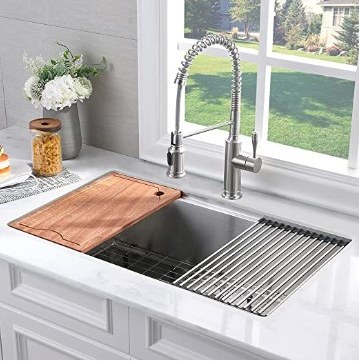
Sinks and Faucets: The market for sinks and faucets has seen remarkable changes, with modern, high-quality options becoming increasingly affordable. Large, contemporary stainless steel sinks can be found for under $300, and stylish faucets for under $100, a significant reduction from prices two decades ago. This affordability allows homeowners to select premium-looking fixtures without a premium price tag. Proper sink drain installation, often a source of clutter, can be streamlined using modern fittings to create a tidy and functional under-sink area, including a P-trap for odor prevention and connection points for dishwashers and garbage disposals.

-
Appliances: The appliance market has experienced deflation in terms of features-to-price ratio, with quality and technology improving while prices remain stable or decrease. The used appliance market offers even greater savings, with units often available for 75% less than new. However, caution is advised; thorough testing and inspection are paramount, especially for items like dishwashers that may have hidden defects or refrigerators with compressor issues. Refrigerators and ovens are generally safer used purchases due to their robust construction and simpler mechanics. Care must be taken to avoid used appliances that have been exposed to freezing temperatures, as water lines and valves can burst, leading to complex and messy repairs. Many online marketplaces and local appliance stores offer used options, but buyer vigilance is key.
Final Touches and Value Maximization
The last steps transform a functional kitchen into a refined living space.
- Backsplashes: Tiling a backsplash adds a significant aesthetic upgrade and practical protection against splashes. Extending tiles to full height can dramatically enhance the perception of luxury and finish, contributing disproportionately to a home’s market appeal. Modern trends often favor subway tiles or intricate patterns, adding character to the space.
- Paint and Lighting: Fresh paint revitalizes the space, and strategically chosen lighting (under-cabinet, pendant, recessed) enhances both ambiance and functionality. LED lighting offers energy efficiency and a wide range of color temperatures to suit any design.
- Hardware and Shelving: Thoughtful selection of cabinet pulls, knobs, and open shelving can complete the design, adding personal flair and practical storage. These seemingly small details can have a significant impact on the overall feel and perceived quality of the kitchen.
Implications for Homeowners and the Housing Market
The burgeoning interest in DIY kitchen renovations highlights a broader trend towards self-empowerment in homeownership. By acquiring and applying construction skills, individuals not only save substantial sums but also gain a deeper understanding and appreciation for their homes. This shift is particularly impactful in a challenging housing market, where every dollar saved and every dollar of value added can make a significant difference. It represents a practical strategy for financial independence, enabling homeowners to actively shape their living environments and secure their financial futures. The skills learned are transferable, extending beyond the kitchen to other areas of the home, such as bathrooms, effectively creating the capacity to transform entire living spaces. This approach to home improvement ultimately contributes to a more resilient and adaptable homeowner base, capable of navigating market fluctuations and maximizing their most significant asset.
Conclusion
The comprehensive process of renovating a kitchen, while demanding, offers profound rewards—from the tangible financial benefits of reduced labor costs and increased property value to the intangible satisfaction of creating a personalized, highly functional space. This deep dive into the practical steps and underlying economic drivers of kitchen remodeling underscores its growing importance as a cornerstone of modern homeownership, empowering individuals to take control of their living spaces and financial well-being. As housing costs continue to challenge budgets, the DIY kitchen renovation emerges not merely as a project, but as a strategic investment in both property and personal capability.