


Nearly nineteen years into early retirement, a prominent voice within the Financial Independence, Retire Early (FIRE) movement has shed light on an often-unacknowledged challenge of this highly sought-after lifestyle: the potential for complete freedom to become a double-edged sword, inadvertently leading to a decline in personal discipline and motivation. While the initial years of unfettered autonomy were marked by intense engagement in family life, personal projects, and community building, a recent period has revealed a subtle but significant erosion of the drive to undertake more challenging, albeit rewarding, endeavors. This experience highlights a critical psychological facet of self-management in the absence of external pressures, prompting a re-evaluation of how individuals harness their freedom to cultivate sustained purpose and accomplishment.
The Lure and Limits of Unfettered Autonomy
The dream of early retirement, often epitomized by the FIRE movement, promises liberation from the conventional nine-to-five grind, offering individuals the ultimate control over their time and activities. For many, this translates into fulfilling pursuits: raising children without compromise, dedicating thousands of hours to family, health, friendships, and personal adventures, alongside creative ventures like writing and community engagement. The early years of this particular early retiree’s journey exemplified this ideal, balancing an intense "Dad job" with extensive home renovation projects, adventurous travel, public speaking, and prolific blog writing. This period demonstrated a natural equilibrium where freedom fueled productive and meaningful engagement.
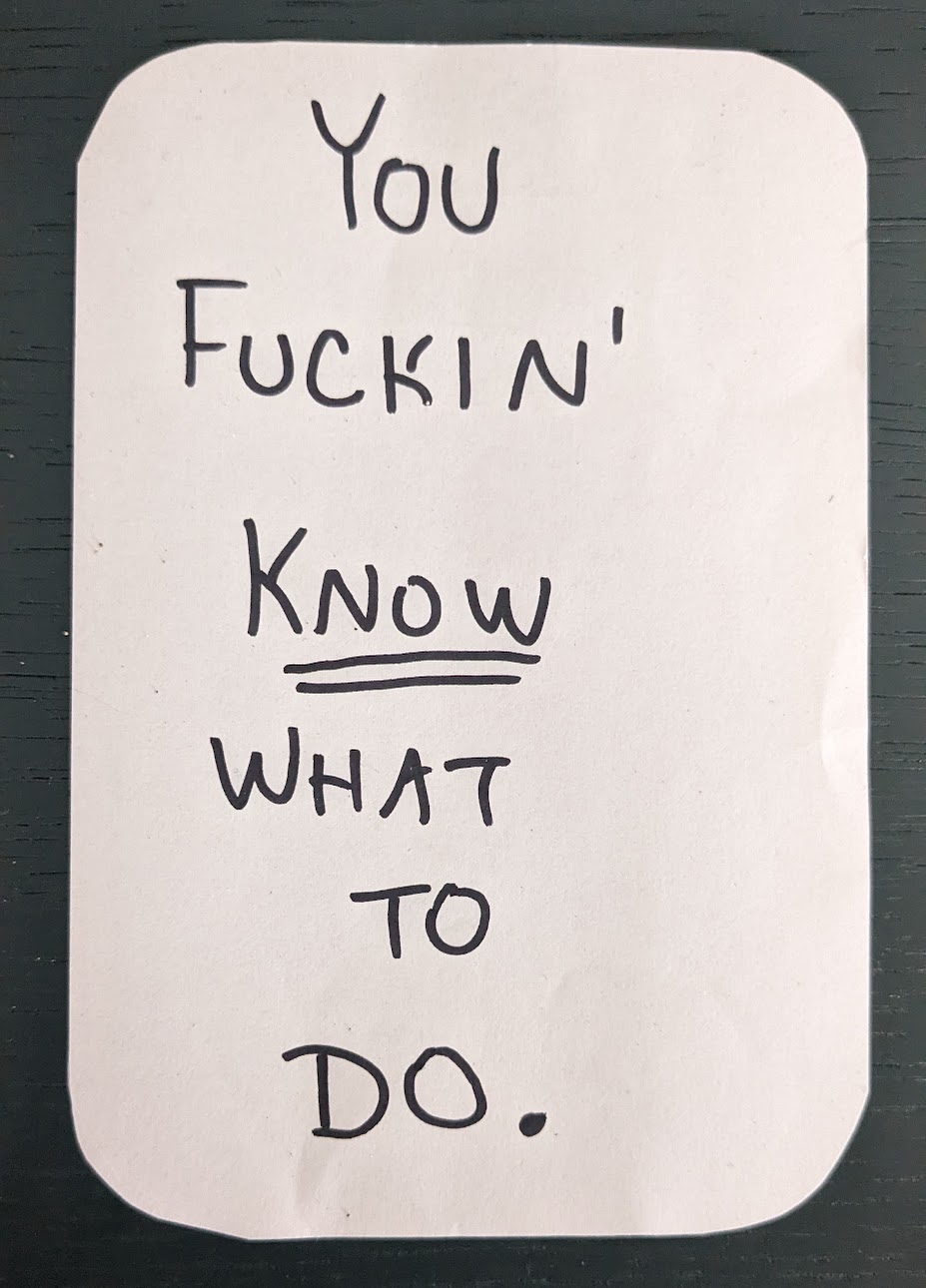
However, the inherent flaw identified by this long-term retiree is the insidious absence of compulsion: "I never have to do anything I don’t want to do." While seemingly utopian, this condition, when combined with financial security, can expose an individual’s true strengths and weaknesses. Psychological research consistently demonstrates that human motivation is often a complex interplay of intrinsic desire and extrinsic pressure. Without the latter, even deeply valued activities can fall by the wayside. The spectrum of outcomes observed in such free environments ranges from profound personal growth, such as establishing and managing philanthropic foundations dedicated to medical and clean energy advancements, to the potential for unproductive inertia, characterized by excessive indulgence and distraction. This divergence underscores that the efficacy of freedom is not universal but deeply personal, contingent on an individual’s innate self-discipline and purpose.
A Personal Journey Through the Motivation Maze
In recent years, the described experience mirrored a gradual deceleration. The vibrant energy once directed towards construction sites or laser-focused writing sessions began to wane. Afternoons increasingly found the individual retreating to the couch, seeking distraction through digital devices, and merely wishing for the energy and focus to pursue more enjoyable and productive tasks. This shift signaled a critical juncture where self-awareness prompted proactive measures.
Initial attempts to combat this inertia involved extensive research into health and wellness, focusing on daily habits and consciously avoiding excessive comfort. These strategies, documented in earlier articles, proved effective in principle. However, a persistent pattern emerged: new, beneficial routines would be adopted, yield results for a period, but then gradually succumb to a barrage of self-invented excuses. This cycle led to a growing repository of knowledge without a commensurate level of consistent accomplishment, a common pitfall in self-improvement endeavors. Behavioral psychology highlights that while knowledge is a prerequisite for change, it is insufficient without robust mechanisms for sustained action, particularly when immediate gratification or comfort beckons.
The pivotal realization, emerging just a few months prior, was an uncomfortable truth: the greatest life advantage—complete freedom—was being inadvertently weaponized against personal progress. The freedom to avoid doing things that felt difficult or unappealing had become a primary mode of operation. This self-sabotage manifested in prioritizing easy, agreeable tasks—like routine household chores or casual social interactions—while systematically sidestepping those requiring more planning, energy, or focused effort, despite these being the very activities that underpinned a deeply satisfying life. This pattern underscores a crucial distinction: freedom is not merely the absence of constraint, but an opportunity that demands deliberate and constructive application. Without it, the advantages of early retirement risk being squandered, potentially making the structured demands of a traditional job more productive in comparison.
The "Hesitation as a Trigger" Methodology
A profound shift in strategy emerged from this realization, centered on a counter-intuitive yet highly effective approach to self-discipline. The traditional method for initiating desirable but challenging activities, such as a rigorous workout, often involved an elaborate mental preparation: "I want to work out today. But I don’t feel like it, so I’ll try to make it easier by picking the perfect time, setting up in advance, and waiting for that golden moment of high energy." This conditional approach, reliant on ideal circumstances and emotional alignment, frequently led to inconsistency, with workouts sometimes spaced over a week apart, resulting in predictable "lackluster fitness."
The new methodology, by contrast, is starkly direct: "I want to work out today. I don’t feel like it. ^^^ AHA!! I JUST CAUGHT MYSELF TRYING TO SELF SABOTAGE! ^^^ I am now already putting on my shoes and walking to the gym." The key insight here is to identify the precise moment of hesitation or discomfort not as a signal to retreat, but as an immediate, non-negotiable trigger for action. This technique bypasses the cognitive wrestling match, short-circuiting the brain’s tendency to invent excuses.

This approach aligns with principles from behavioral science regarding habit formation and overcoming procrastination. The "2-minute rule" or the concept of "identity-based habits" (acting like the person you want to be) resonate strongly with this method. By making the initial step so small and immediate, the barrier to entry is drastically reduced. Furthermore, leveraging an unpleasant internal state (hesitation) as a direct cue for action transforms a perceived weakness into a powerful motivator. Research on self-efficacy and goal attainment consistently shows that consistently taking small, uncomfortable steps builds momentum and reinforces a sense of control, leading to greater long-term adherence than relying on fleeting motivation. This strategy is not confined to physical exercise; it is applicable to any task that one desires to accomplish but consistently avoids due to perceived difficulty or lack of immediate appeal.
The Influence of Extreme Discipline: The David Goggins Effect
While self-reflection and refined strategies were instrumental, a significant catalyst for this transformative shift came from an external source: the extreme discipline exemplified by individuals like David Goggins. An interview with Goggins, a former Navy SEAL, ultra-endurance athlete, and motivational speaker, provided a stark contrast that recalibrated the perception of personal limits. Goggins’ life story, marked by profound childhood trauma and a subsequent relentless pursuit of overcoming self-imposed and external barriers, offers a unique perspective on human potential.
His achievements are staggering: pushing through multiple near-death experiences to qualify for the Navy SEALs, enduring self-inflicted injuries from extreme athletic endeavors like running 240 miles in four days without sleep, and setting a world record of 4,025 pull-ups in 24 hours. These feats, while not intended for direct emulation, serve as a potent reminder that many perceived limitations are predominantly mental constructs rather than inherent physical or environmental constraints. Goggins’ philosophy, often distilled into direct, uncompromising statements, underscores the idea that individuals "already know what to do" and that true progress lies in confronting discomfort head-on.
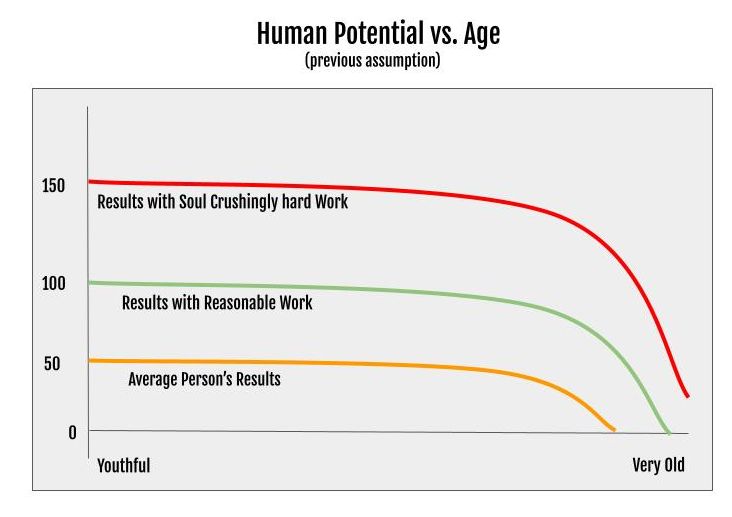
The impact of Goggins’ narrative was profound, putting the early retiree’s "under-achieving life" into sharp perspective. While any desire to adopt Goggins’ level of extreme hardship was absent, his story empowered a crucial understanding: the vast majority of personal barriers are psychological. This insight transformed a previously limited view of personal capacity into an expansive realization, suggesting that the true potential for growth and achievement is far greater than commonly assumed. This concept is supported by psychological research on growth mindsets, where individuals who believe their abilities can be developed through dedication and hard work tend to achieve more than those with fixed mindsets.
Tangible Outcomes and Broader Implications
The immediate application of the "hesitation as a trigger" principle, fueled by this renewed perspective, yielded remarkable results. Consistent daily gym attendance became achievable, transforming both desired and undesired urges into immediate prompts for action. Within four months, the individual reported gaining ten pounds of lean muscle mass, reclaiming strength and flexibility reminiscent of their mid-twenties, and experiencing a significant improvement in overall joint health. This physical rejuvenation underscores the direct correlation between consistent effort and tangible progress.
Beyond physical fitness, the technique was successfully applied to other areas, including increased running frequency, more consistent visits to a coworking space for professional work and social engagement, and even the motivation to complete the very article detailing these insights. This demonstrates the versatility of the approach in addressing various forms of procrastination and inertia across different domains of life. The experience also subtly highlights a nuanced understanding of work-life balance in early retirement: while excessive engagement can be detrimental, finding and maintaining a "right level" of productive activity requires significant self-discipline, especially when numerous easier and more thrilling alternatives are available.
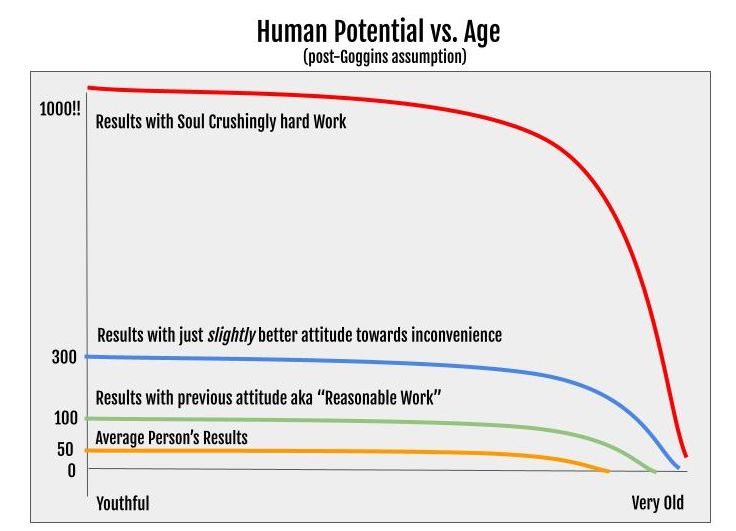
This case study offers significant implications for the broader FIRE community and anyone grappling with self-motivation in a world increasingly devoid of external mandates. It posits that true freedom is not merely the absence of obligation but the disciplined application of one’s will towards chosen, meaningful objectives. For those in early retirement, the challenge shifts from meeting external demands to cultivating robust internal drivers. This requires continuous self-assessment, a willingness to confront uncomfortable truths about one’s habits, and a proactive search for inspiration.
The ongoing process of "refilling the inspiration tank" through exposure to other disciplined individuals, such as through audiobooks by Goggins, Peter Attia’s "Outlive," and Jocko Willink’s "Extreme Ownership," reinforces this framework. While some of these sources might be colloquially labeled as "Bro Science" or attract critiques of "Toxic Masculinity," the journalistic analysis here focuses on their functional efficacy for the individual in question. The key takeaway is the strategic absorption of messages that resonate and discarding the rest, emphasizing the importance of identifying and drawing energy from exemplars of success, strength, and discipline.
Ultimately, this personal journey through the complexities of early retirement’s freedom underscores a universal truth: sustained growth and fulfillment, even in the most autonomous of lifestyles, necessitate a continuous commitment to self-mastery. It serves as a compelling narrative for individuals to critically evaluate their relationship with freedom, not as an endpoint for effort, but as an amplified platform for purposeful, self-directed action. The path to reclaiming purpose in the face of limitless options lies in transforming moments of hesitation into catalysts for progress, paving the way for a life that is not just free, but profoundly accomplished.