
Mr. Money Mustache, the influential figure behind the Financial Independence, Retire Early (FIRE) movement, recently concluded a two-year experiment in conscious spending, revealing that despite an intentional shift towards a more abundant lifestyle, his annual expenditures remained remarkably low. This re-evaluation, which began with the controversial purchase of a Tesla Model Y, challenges perceptions of wealth, frugality, and the sustainable limits of post-retirement spending for those who have achieved financial independence.
Background: The Ascendance of Financial Independence
Pete Adeney, known to millions as Mr. Money Mustache, established himself as a prominent voice in personal finance through his blog, launched in 2011. His philosophy advocates for extreme frugality, high savings rates, and a minimalist approach to consumption, enabling individuals to retire decades earlier than traditional models suggest. Adeney himself retired from a software engineering career in his early 30s, embodying the principles he espoused. His writing often combines practical financial advice with philosophical musings on consumerism, environmental impact, and the pursuit of a meaningful life beyond the conventional work-until-65 paradigm. The FIRE movement, heavily influenced by his work, has grown exponentially, inspiring countless individuals to re-evaluate their relationship with money and work.
The Genesis of the Experiment: A Deliberate Shift
In April 2023, Mr. Money Mustache published a blog post titled "Why Buy Model Y," announcing a deliberate departure from his historically stringent frugality. He articulated an intention to "try" spending more money, with the acquisition of a Tesla Model Y as the initial, symbolic step. This move garnered significant attention, and in some corners of his dedicated readership, a degree of consternation. For many, the purchase of a relatively high-cost electric vehicle, even one with long-term savings potential, appeared to contradict the very tenets of austere living that had defined his brand.

At the time, Mr. Adeney reflected on his motivation, describing it as an assertion of enlightened middle-aged self-actualization, an adjustment of habits to embrace the "Good Life" for the next several decades. This psychological shift marked a pivotal moment, moving from an era defined by aggressive savings and minimal outflow to one exploring the practical implications of a substantial, financially independent net worth.
Two Years of Abundance: A Lifestyle Transformation
Over the subsequent two years, Mr. Adeney embarked on a conscious effort to enjoy the fruits of his financial freedom. His spending habits evolved, reflecting a newfound willingness to prioritize convenience, quality, and experiential enrichment over absolute cost minimization. This period, from 2023 to 2024, was characterized by a distinct shift in consumer choices:
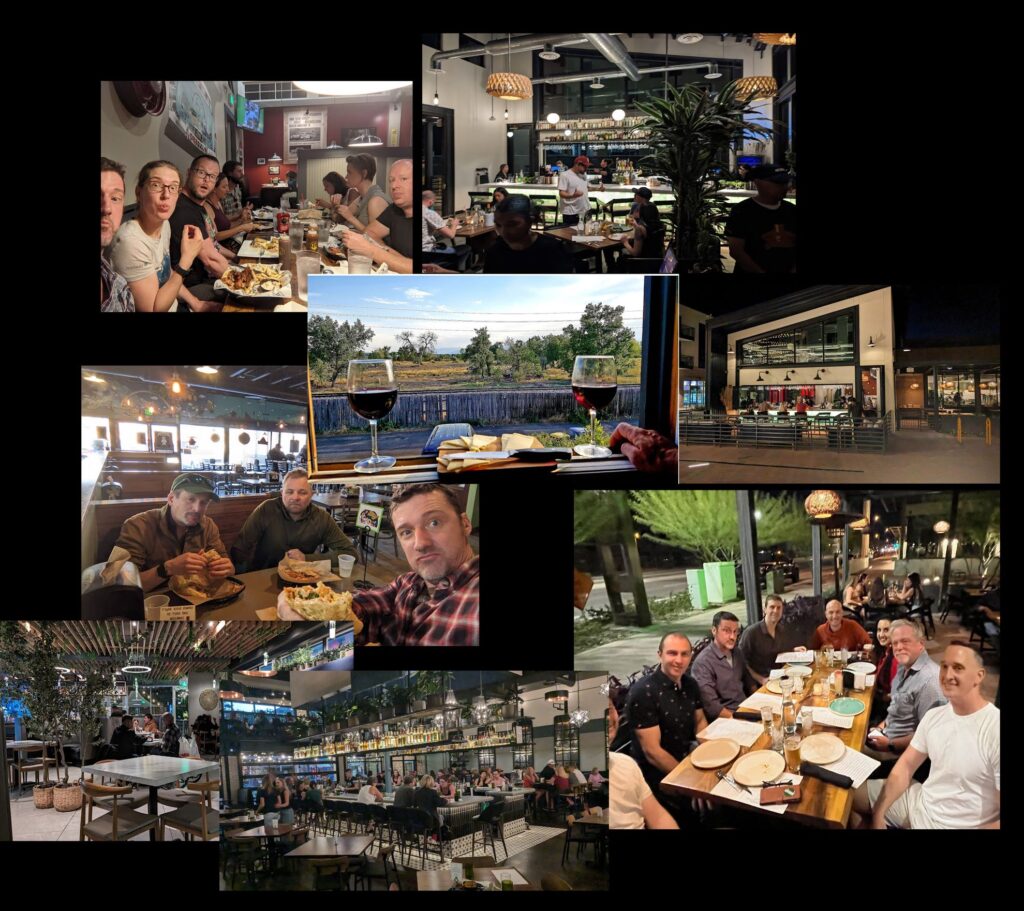
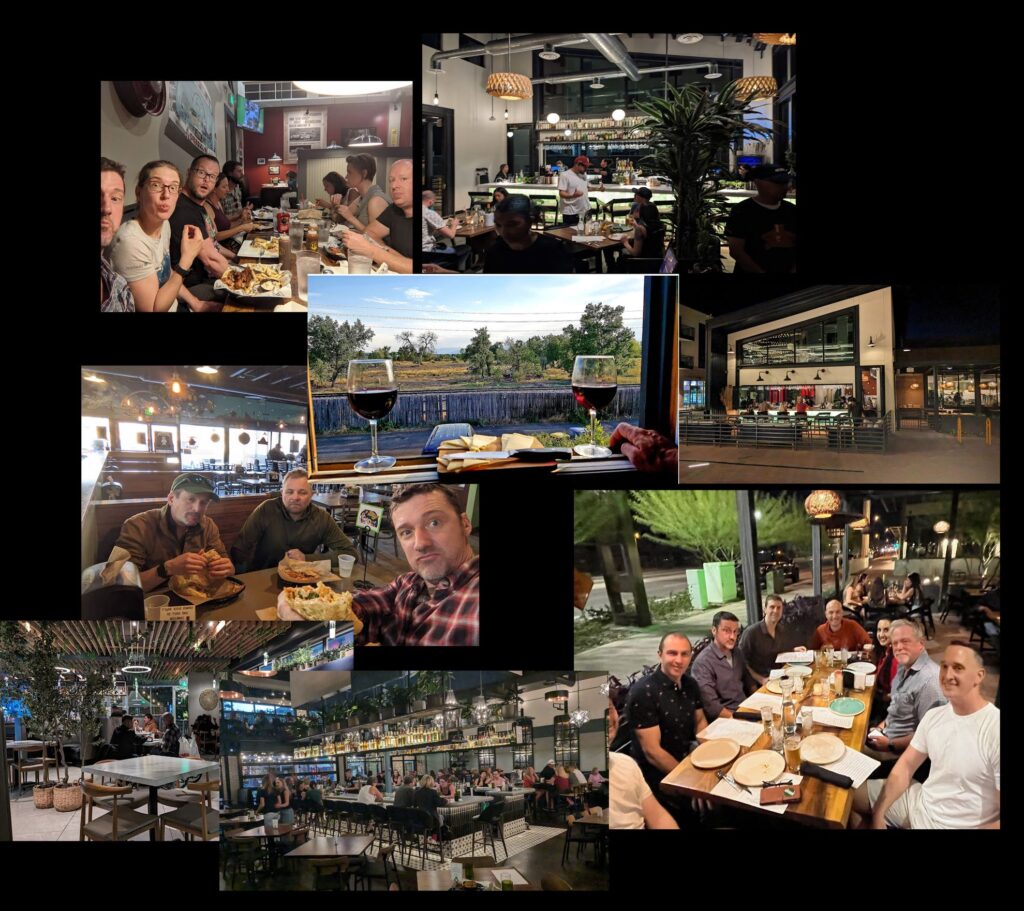
- Dining and Travel: Previously a bastion of home-cooked meals, his culinary habits expanded to include dining out in "stylish restaurants," chosen for their quality and experience rather than just utility. Travel accommodations were booked based on "niceness" rather than "cheapness," and he opted for "reduced torture" seats on airplanes, indicating a preference for comfort over strict economy.
- Retail Choices: Grocery shopping, once likely confined to the most cost-effective options, saw him frequenting premium stores like Whole Foods, accepting double the price for convenience, while still maintaining memberships at bulk retailers like Sam’s Club and Costco.
- Experiences and Leisure: A significant portion of this increased spending was directed towards leisure and cultural experiences. Highlights included attending multiple late-night EDM concerts with his son and visiting three Meowwolf immersive art venues, culminating in a Christmas Day road trip from Tempe, Arizona, to Las Vegas.
- Social Engagement: Having spent much of the year as a single man, Mr. Adeney reported a wide-open schedule that facilitated meeting friends, exploring new places, and engaging in spontaneous social opportunities, further contributing to a sense of "adventurous transition."
This period felt expansive, described as "much more than twelve months," due to the richness of experiences and freedom of movement. Despite the perceived increase in expenditure, Mr. Adeney initially chose not to meticulously track his spending, enjoying the "abundance mindset" without the immediate pressure of an audit.
The Unveiling of the Numbers: A Surprising Outcome
The impetus for a detailed financial review arose recently during an informal coaching session with a friend, prompting both to tally their annual spending for comparison. Upon compiling and analyzing his transactions into a spreadsheet, the results were, by his own admission, surprising.
While his overall spending did indeed increase, particularly in travel and leisure categories, the "big-picture effect was still pretty minimal." His annual expenses rose from approximately $20,000 to about $30,000. It is crucial to note that this figure does not include housing costs, as his primary residence has been paid off for many years.
To put this in perspective, the average annual expenditure for a consumer unit in the United States was $72,967 in 2022, according to the U.S. Bureau of Labor Statistics. Even with his increased spending, Mr. Adeney’s outlay remains significantly below the national average. Furthermore, a $30,000 annual expenditure can be comfortably sustained by a $1 million investment nest egg using a conservative 3% withdrawal rate, well within the safety parameters of the FIRE movement’s "4% rule." Mr. Adeney indicated his investments are "quite a bit higher" than this threshold, especially following recent periods of strong economic growth and a bullish stock market, implying he remains substantially under budget relative to his wealth.
Detailed Expenditure Breakdown (2024)
A granular look at Mr. Adeney’s 2024 spending reveals the distribution of his $30,026.76 total:
- Groceries: $5,960.39 – This covers expenses for himself, his young adult son (about half the time), and guests, reflecting a continued emphasis on home cooking as a primary food source, albeit with some premium choices.
- Restaurants: $2,243.59 – Allocated specifically for "special fun rather than just getting food," underscoring the shift towards experiential dining.
- Travel: $6,158.77 – The largest discretionary category, reflecting the "abundance mindset" and including business travel for events like Camp FI and other conferences. This marks a notable increase from previous years.
- Utilities: $1,909.51 – Standard household operational costs.
- Amazon/House: $3,554.10 – A complex category where approximately 75% represents construction materials for clients (often friends), reimbursed via invoice, blurring the lines between personal and business expenses.
- Booze: $250.67 – Primarily for entertaining guests, indicating a social rather than habitual consumption pattern.
- Healthcare: $3,536.66 – A critical insight into alternative healthcare models. This cost is managed through a combination of Sedera Health Sharing ($201 per month for a high-deductible plan) and a Direct Primary Care (DPC) subscription ($107 per month). This innovative approach offers personalized support with zero deductible for typical medical needs and protection against larger bills, often at a lower cost than traditional insurance plans. For comparison, the average annual premium for single coverage health insurance in the U.S. can exceed $8,000, making Mr. Adeney’s strategy remarkably cost-effective.
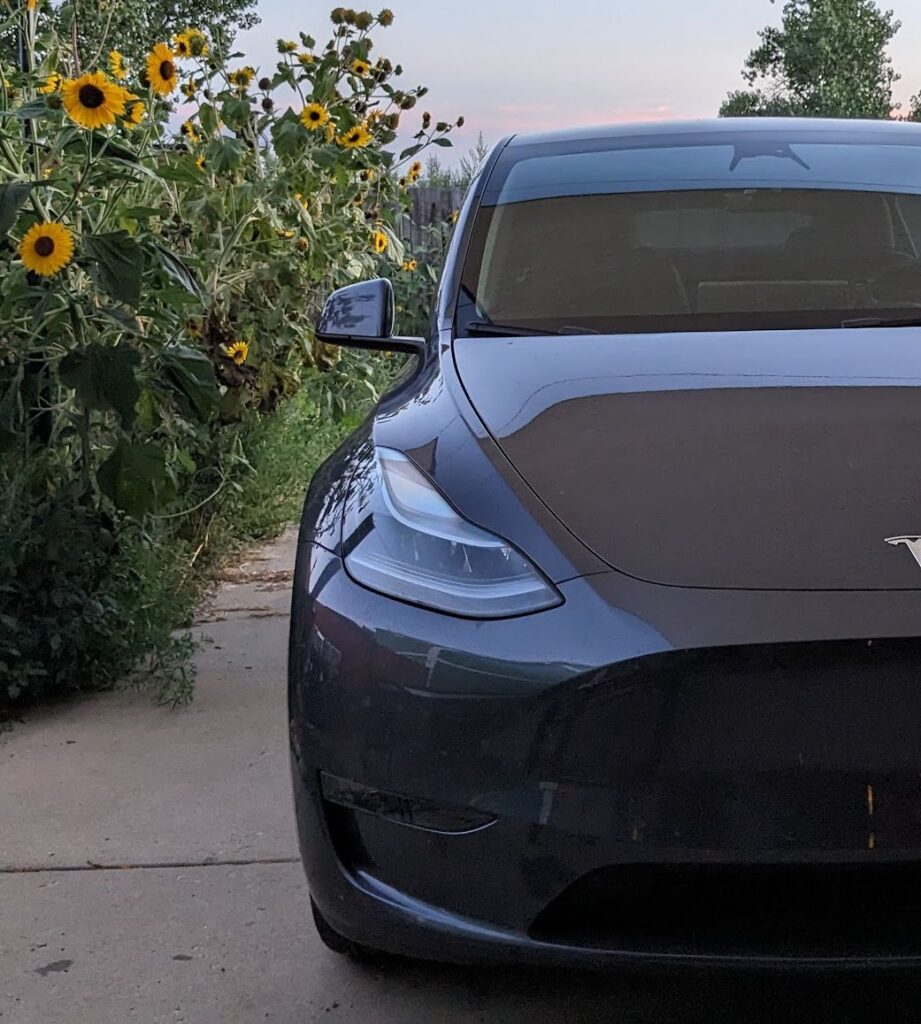
- Automobile: $2,425.21 – Covers car insurance and registration for his Tesla Model Y. Notably, this figure excludes depreciation, which would add a significant sum if factored in.
- Phone+Internet: $1,410.56 – Including a $50 Gigabit internet service and a Google Fi mobile plan (around $25-30 monthly), highlighting efficient utility management.
- Property Taxes: $2,577.30 – A relatively reasonable cost given the estimated $500,000-$600,000 value of homes in his neighborhood, demonstrating effective property tax management.
Comparing this to his 2019 spending of approximately $20,000, the increase to $30,000 is modest, particularly when accounting for inflation over the past five years (which saw the Consumer Price Index rise by over 20% between 2019 and 2024). While travel and leisure spending increased, expenditures on home renovation decreased, partly due to his increased time away from home. Health insurance also represents a new, significant category that was not present in his self-insured past.
The Pillars of Sustained Frugality: Unseen Savings
Mr. Adeney’s ability to maintain such low overall spending, even with an "abundance mindset," hinges on several foundational elements:
- Elimination of Housing Costs: The most significant factor is the absence of mortgage payments or rent. A paid-off home in an appreciating market provides substantial financial leverage and peace of mind. He also avoids house insurance costs, further boosting the effective return on his initial home payoff. While acknowledging the financial argument that investing mortgage funds at low interest rates might have yielded greater returns, he prioritizes the psychological benefit of being debt-free.
- DIY Ethic: His hands-on approach to home maintenance means no expenses for lawn care, plumbing, tree pruning, or general handyman services, contrasting sharply with typical homeowner costs.
- Proactive Health Management: His low healthcare expenditures are directly linked to a conscious, proactive approach to health. By prioritizing "maximum health" through lifestyle choices, he minimizes the need for extensive medical interventions, thereby reducing reliance on the healthcare system.
The Pursuit of Optimal Living: Addressing "Persistent Problems"
Mr. Adeney introduced a principle of happiness: "Fixing your persistent problems is more effective than just doubling down on things that are already good in your life." He asserts that his family, friends, relationships, health, food, and daily activities are already optimized. His primary "annoyance" is physical chaos, stemming from his space-intensive hobbies (construction, music) within his "pretty small house," which he describes as "maxed out."
He expresses a desire to double his workshop space from the current 440 square feet (a typical two-car garage) to around 1,000 square feet. However, this ambition is tempered by his deep satisfaction with his current location, neighbors, and views. This dilemma highlights a common challenge for those in early retirement: balancing desires for material improvement with the contentment derived from existing circumstances and community ties.
Longer-term, the idea of a "mountain compound" with natural features remains a distant aspiration, shelved due to an already "overbooked with joyful things" schedule and the ongoing demands of his current home and HQ Coworking space. This illustrates a mature approach to financial freedom, where new acquisitions are weighed against existing commitments and the potential for increased complexity rather than solely financial feasibility.
Implications for the FIRE Community and Beyond

Mr. Money Mustache’s spending experiment offers several profound insights for the FIRE movement and general financial planning:
- Redefining "Frugality" in Retirement: The experiment suggests that financial independence does not necessitate a lifetime of extreme frugality. Once a substantial nest egg is built, a degree of conscious "abundance" can be integrated without jeopardizing long-term financial security. It challenges the notion that early retirement must equate to perpetual deprivation.
- The Power of Low Fixed Costs: The most significant takeaway remains the transformative impact of eliminating major fixed costs, particularly housing. This single factor liberates a substantial portion of income or investment returns, making even a modest increase in discretionary spending largely insignificant in the broader financial picture.
- The "Enough" Question: Even for a seasoned frugalist, consciously increasing spending proved difficult to impact his overall financial sustainability meaningfully. This underscores the concept of "enough"—that beyond a certain point, additional spending offers diminishing returns in terms of happiness or life satisfaction, reinforcing the idea that true wealth lies in time and freedom, not endless consumption.
- Mindset Evolution: The shift from a "scarcity" or "saving" mindset to an "abundance" mindset, while not dramatically altering his bottom line, demonstrably enhanced his enjoyment of life. This highlights the psychological evolution that often accompanies financial independence, moving beyond the initial drive for accumulation to a phase of thoughtful deployment of resources for well-being.
- Alternative Healthcare Models: His successful utilization of Direct Primary Care and health-sharing organizations provides a compelling, real-world example of how individuals can manage healthcare costs effectively outside of traditional employer-sponsored or marketplace plans, a critical concern for early retirees.
Financial experts often observe that spending habits, once deeply ingrained, are challenging to alter, even for the financially independent. Mr. Adeney’s experiment demonstrates this, showing that even with a conscious effort to spend more, his core habits and foundational financial structure kept his expenditures well within sustainable limits.
A Look Ahead: Embracing 2025
Mr. Adeney expressed enthusiasm for 2025, anticipating continued "abundance and piles of challenging stuff on my to-do list." He remains committed to further "life experiments" and continuous learning, inviting his community to reflect on their own balance between "stinginess versus abundance mentality" and "fulfilment versus longing in life."
Temporary Note on EV Market Dynamics:
In a related market observation, the electric vehicle landscape is currently experiencing shifts. Rumors suggest the potential discontinuation of the $7,500 EV federal tax credit in the near future, which could impact purchasing decisions. Both new and used Tesla Model 3 and Model Y prices are reportedly at record lows. Prospective buyers may consider these factors, with additional discounts potentially available through referral programs.
FTC Compliance Note: Mr. Money Mustache uses referral links for some products when possible, meaning his blog may earn a commission if they are utilized. More details are available on his website.