
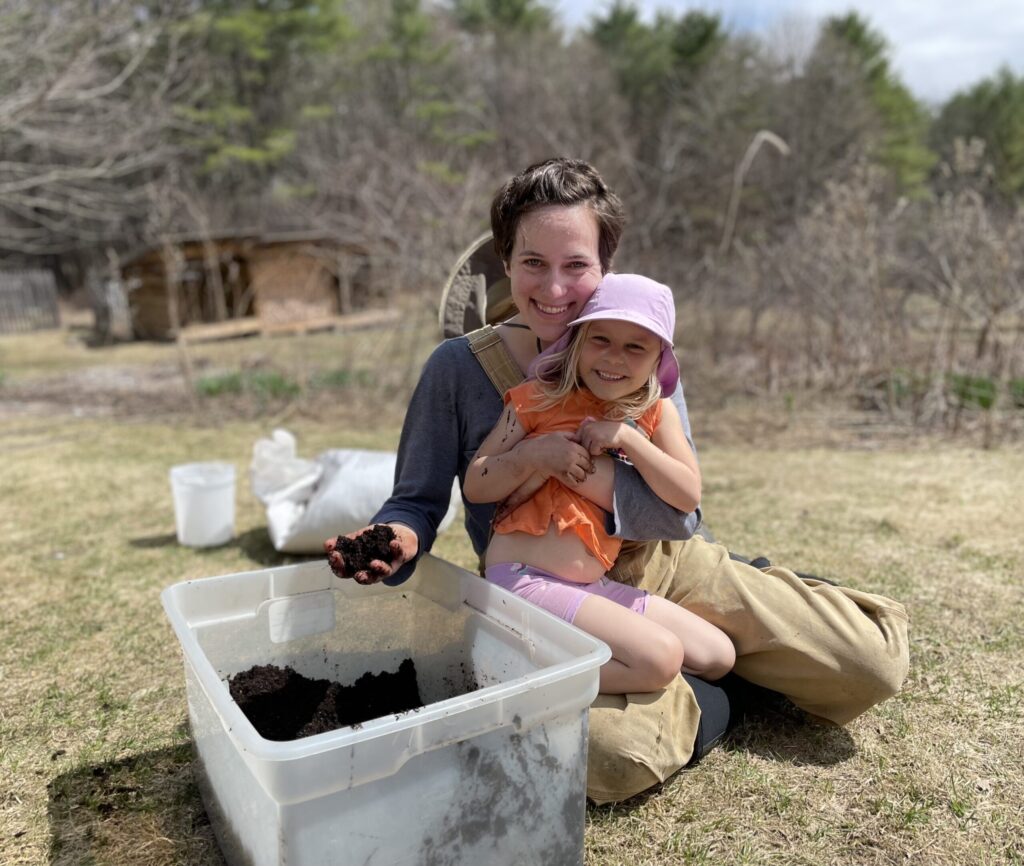

The transition from urban centers to rural homesteads represents a significant demographic shift observed over the last decade, characterized by a desire for increased autonomy and a reduced reliance on commercial supply chains. In May 2016, a prominent case study in this movement began when the founders of the Frugalwoods project relocated to a 66-acre property in rural Vermont. Seven years into this transition, the experience of the Willard family provides a comprehensive data set regarding the practicalities of small-scale agricultural self-sufficiency versus the idealized projections often associated with the "back-to-the-land" movement. Their findings suggest a significant divergence between initial expectations of total food sovereignty and the labor-intensive reality of managing a productive homestead.
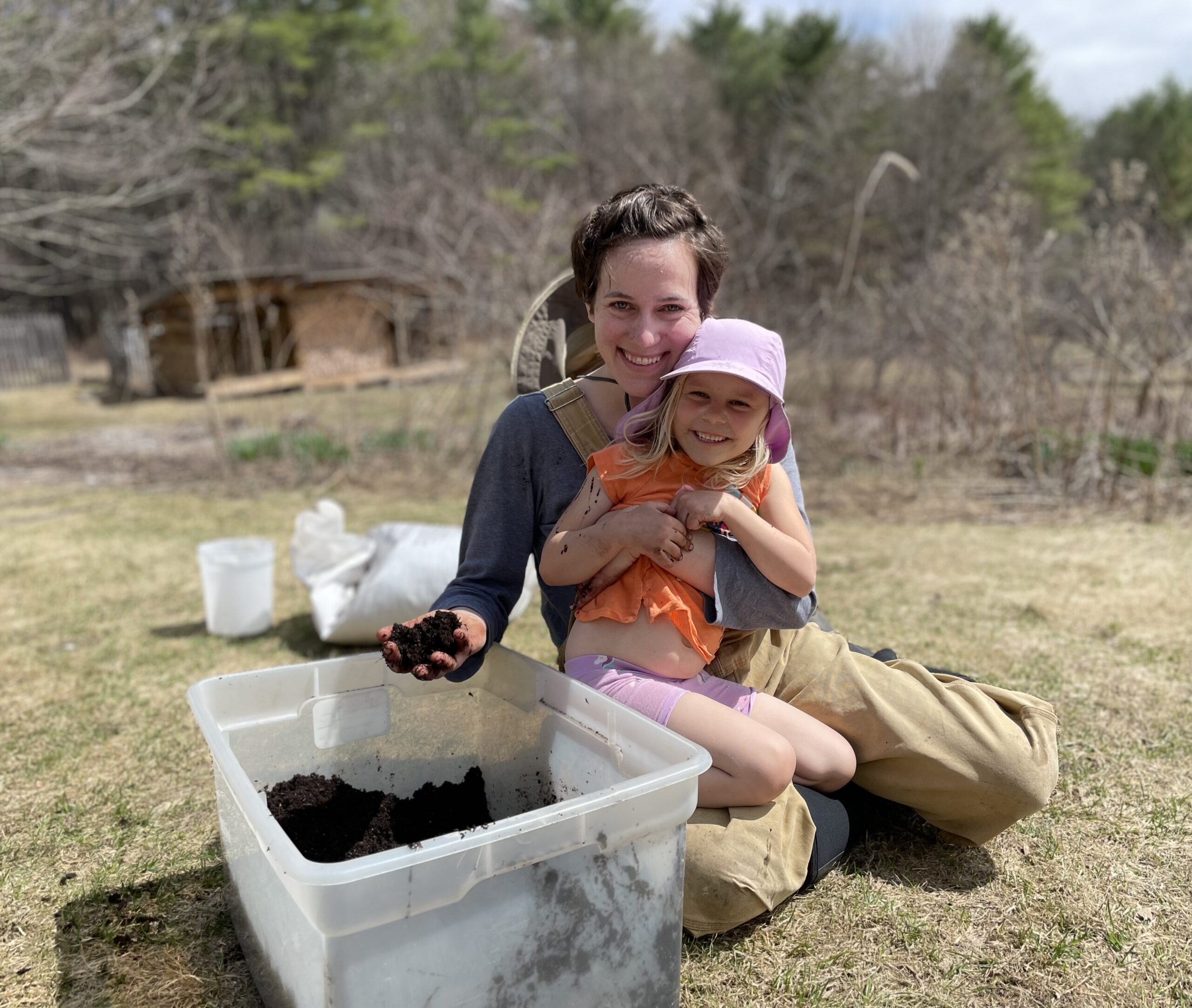
The Discrepancy Between Theoretical and Applied Homesteading
Initial projections for the Vermont homestead were rooted in the concept of total self-sufficiency, a model where a family produces the entirety of their caloric and nutritional needs. This model included the cultivation of a vast array of annual vegetables, the maintenance of perennial fruit orchards, and the potential integration of livestock, including meat chickens, pigs, goats, and dairy cows. This vision aligns with the historical "Little House on the Prairie" archetype, updated for the 21st century with modern medical and technological conveniences.

However, data gathered over the subsequent seven-year period indicates that the labor required to maintain such a system often exceeds the capacity of a standard household without dedicated full-time staff. In professional agricultural terms, the transition from "hobby gardening" to "subsistence farming" involves a geometric increase in labor hours, specifically regarding harvest windows and food preservation. The reality of rural life in Vermont, which includes extreme weather events such as ice storms that can sever power and water access for extended periods, necessitates a more pragmatic approach to land management than initially anticipated.

Chronology of the Agricultural Pivot: 2016–2023
The timeline of the Willard homestead serves as a roadmap for the evolution of modern rural living.

May 2016: Relocation and Infrastructure Assessment
The family moved to the 66-acre Vermont property. The initial phase focused on understanding the land’s topography and the limitations of the local climate, which is characterized by a short growing season and unpredictable frost dates.

2018: The Harvest Crisis and the "Kale Apocalypse"
A pivotal moment in the homestead’s management occurred in 2018. The family attempted to maximize production by planting 80 kale and chard plants. While the yield was high, the labor required to harvest, wash, blanch, and freeze the crop proved overwhelming. This event highlighted the "time-bound pressure" of gardening, where the crop’s maturity dictates the human schedule, often leading to physical exhaustion and logistical failure.

2020: Infrastructure Optimization
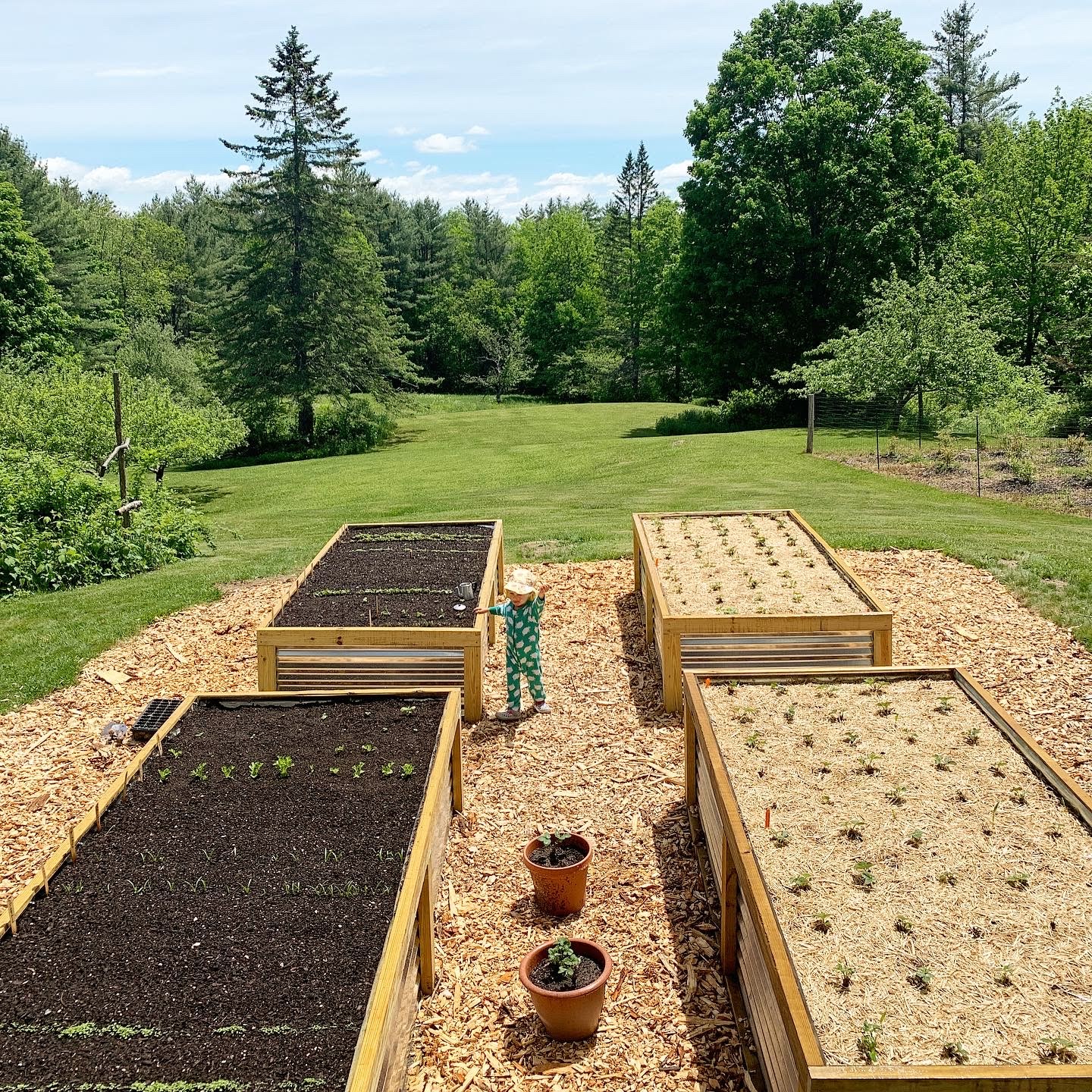
Recognizing the inefficiency of the "big garden" for daily needs, the homesteaders transitioned to a tiered system. This included the construction of four raised beds in close proximity to the primary residence. This move was designed to reduce the "friction" of food production, allowing for easier maintenance and "just-in-time" harvesting for daily meals.

May 2023: The Seven-Year Retrospective
On the seventh anniversary of their rural transition, the homesteaders reported a formal shift in philosophy. The goal of 100% self-sufficiency was replaced by a "balanced production" model. This model prioritizes the joy of cultivation and the education of the next generation over the high-stress demands of total subsistence.

Supporting Data: The Labor and Logistics of Food Preservation
The economic and temporal costs of food preservation are frequently underestimated by novice homesteaders. To preserve a single crop, such as the 2018 kale harvest, the following steps were required:
- Harvesting: Manual labor in the field.
- Cleaning: Multiple rinsing stations (in this case, utilizing a baby pool and large tubs).
- Processing: Stemming and chopping.
- Blanching: Brief immersion in boiling water to stop enzymatic activity.
- Cooling: Rapid immersion in ice water.
- Packaging and Freezing: Storage in vacuum-sealed bags or containers.
When scaled across dozens of crops, this process becomes a full-time occupation during the late summer and autumn months. Furthermore, the homesteaders noted that without industrial-grade storage and precise consumption tracking, a significant percentage of preserved food can go to waste. This realization led to the conclusion that "chaining oneself to a vegetable garden" can be as taxing as traditional office-based employment, often contradicting the original goal of rural relocation: freedom and time autonomy.

Environmental and Biological Challenges
The Vermont homestead faces significant pressure from local wildlife, categorized by the owners as the "Clever Varmint Patrol" (CVP). This biological pressure impacts the viability of certain crops:

- Perennial Fruit: Despite planting apple trees, blueberry bushes, plums, and cherries, the family has struggled with yield. Apple trees require approximately six years to reach production potential, while blueberry bushes require two years.
- Wildlife Impact: Local fauna, including turkeys and various rodents, often harvest fruit the moment it reaches peak ripeness. The cost-benefit analysis of installing professional-grade fencing or netting often proves unfavorable when compared to the price of purchasing produce from local commercial farmers.
- Weather Volatility: Vermont’s climate remains a primary risk factor. Late spring frosts can kill blossoms on fruit trees, while excessive rain or drought can decimate annual vegetable crops.
The Economic and Social Impact of "Moderate Homesteading"
A significant finding of the seven-year analysis is the benefit of supporting the local agricultural economy. By acknowledging their limitations, the Willard family shifted from trying to produce everything to purchasing high-labor items (such as meat and large-scale produce) from neighboring full-time farmers. This approach supports the local rural economy and ensures a more reliable food supply.

From a sociological perspective, the "perfection trap" of social media homesteading—where individuals feel pressured to present an image of total self-reliance—was identified as a source of psychological stress. The transition to "moderate gardening" represents a rejection of these external pressures in favor of a sustainable lifestyle that allows for leisure and community engagement.

Analysis of Implications for Future Rural Migrants
The Frugalwoods case study offers several critical takeaways for individuals considering a move to rural areas for the purpose of homesteading:

- Scale Appropriately: Starting with large-scale production can lead to burnout. Incremental increases in garden size are more sustainable.
- Prioritize Proximity: Raised beds near the home are more likely to be maintained than distant "big gardens."
- Value Time Over Output: If the goal of rural living is freedom, the labor requirements of the land must be balanced against the desired quality of life.
- Acceptance of Loss: In a rural environment, a certain percentage of the harvest will inevitably be lost to weather or wildlife. Professional-grade mitigation is often too expensive for the average homesteader.
Conclusion: A New Definition of Success
The current state of the Willard homestead in 2023 reflects a mature understanding of rural land management. The property now features a mix of perennial food sources (apples, blueberries, elderberries, and raspberries) and manageable annual gardens. The "big garden" remains in use, but with reduced pressure for maximum yield, serving instead as a space for the children to learn agricultural skills through their own dedicated rows.

Ultimately, the seven-year journey from the "Kale Apocalypse" to "Acceptance" demonstrates that the most successful homesteading model may not be one of total isolation and self-sufficiency, but one of balance, community support, and a realistic assessment of human labor capacity. The findings suggest that for many, the "modern-day sustainable paradise" is found not in producing every calorie, but in the freedom to choose which aspects of the land to cultivate and which to leave to the professionals.