
Residential property owners are increasingly opting for "slow renovations," a methodical approach to home improvement that prioritizes structural integrity and financial sustainability over the rapid timelines typical of commercial property flipping. A recent case study of a residential property constructed in 1991 highlights the technical complexities and budgetary considerations involved in removing a central load-bearing wall to create an open-concept living space. This project, which reached a significant milestone in June, serves as a blueprint for balancing professional expertise with do-it-yourself (DIY) labor to manage costs without compromising safety.
The Architectural Challenge: The "Menace Wall"
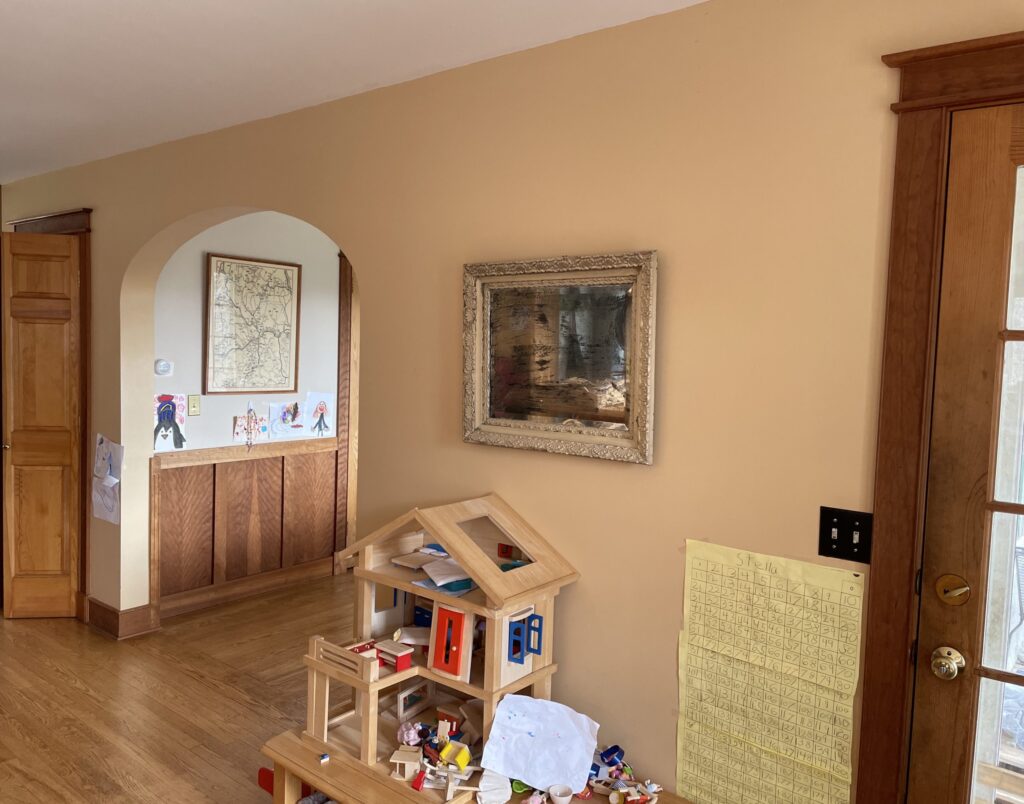
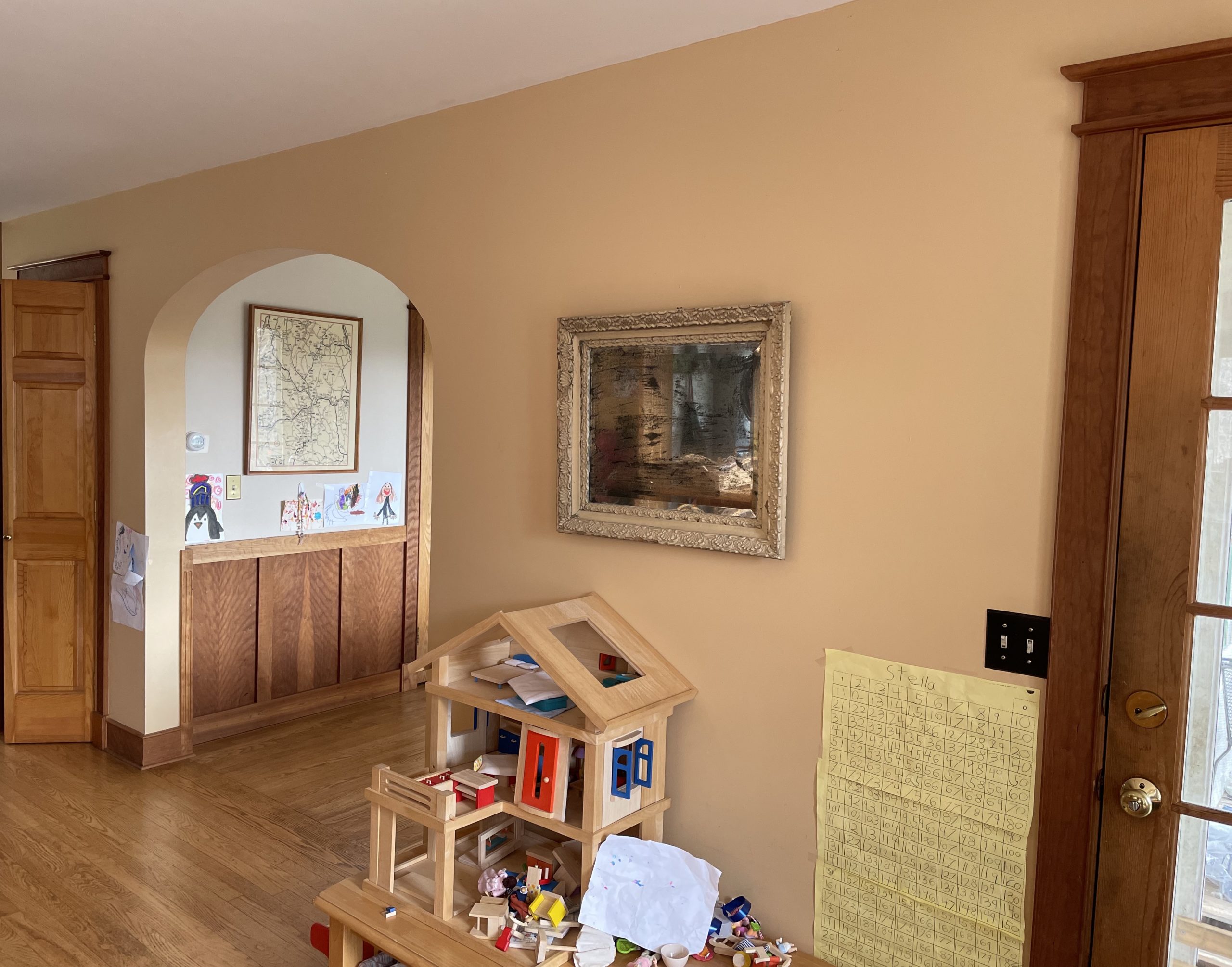
The residence in question featured a prominent wall that partitioned the kitchen and dining areas from the primary living room. Typical of early 1990s architecture, this design prioritized compartmentalized living spaces. However, the wall was not merely a visual or spatial divider; it served as a critical utility hub for the home’s infrastructure.
Upon inspection and subsequent demolition, the homeowners identified four primary systems housed within the structure:

- Structural Load-Bearing Components: The wall supported the weight of the upper floor and roof.
- Plumbing Infrastructure: A main plumbing stack, essential for the home’s waste and vent system, ran vertically through the wall.
- Electrical Systems: A central electrical box and numerous wiring runs were embedded within the drywall.
- HVAC Ductwork: Main heating and cooling vents utilized the wall cavity for airflow distribution to the second story.
The convergence of these four systems made the wall’s removal one of the most intricate and potentially expensive modifications possible within a standard residential framework.
Chronology of a Structural Transformation
The renovation followed a phased timeline designed to mitigate risk and spread financial outlays over several years. This "slow renovation" model allowed the homeowners to evaluate the necessity of each change before committing to the next stage.
Phase I: Planning and Professional Consultation
Before any physical work commenced, the homeowners engaged a licensed architect. In structural modifications, the primary risk is a catastrophic failure of the building’s envelope. The architect performed precise beam calculations to determine the specifications of a replacement support system that would span the new opening. This step is a critical legal and safety requirement in most jurisdictions, ensuring that the redirected load is properly distributed to the foundation.
Phase II: Infrastructure Rerouting
Following the initial demolition—the only phase the homeowners described as "fun" due to its low technical barrier—professional contractors were brought in to handle specialized systems.
- Plumbing: A licensed plumber was tasked with rerouting the plumbing stack. This required a complex "zig-zag" configuration through the ceiling joists and down a corner of the pantry.
- Electrical: An electrician re-routed the primary electrical lines and the central box. This phase also provided an opportunity to address a common deficit in 1990s homes: inadequate overhead lighting. A new recessed light was installed over the dining area, significantly improving the utility of the space for evening activities.
Phase III: The Recessed Beam Installation
The most technically demanding aspect of the project was the installation of a recessed support beam. To maintain a flush ceiling—a hallmark of modern open-concept design—the new beam had to be tucked into the ceiling joists rather than hanging below them.
The execution involved a multi-step carpentry process:
- Temporary Support: A temporary load-bearing wall was constructed to support the ceiling while the original wall was removed.
- The "Ladder" System: The lead carpenter (one of the homeowners) utilized a "ladder" bracing system to incrementally lift the heavy structural beam into position.
- Mechanical Lifting: A bottle jack was employed to provide the necessary force to seat the beam firmly against the upper floor joists.
- Hardware Integration: Simpson brackets and heavy-duty fasteners were used to secure the beam, ensuring it met the architect’s load-bearing specifications.
Financial Analysis: June Expenditure Report
The project’s progress in June coincided with a detailed accounting of household expenses, providing a transparent look at the costs of high-level home improvement. The total expenditure for the month reached $5,044.63, with a significant portion allocated to the wall removal project.
Breakdown of Renovation Costs
- Lumber and Drywall ($703.53): This included the structural beam itself, materials for the temporary support wall, and the new drywall required to patch the ceiling and pantry.
- Tools and Supplies ($600.61): High-level DIY work requires specialized equipment. Purchases included a bottle jack, heavy-duty squares, fasteners, and drywall finishing supplies.
- Professional Electrical Services ($494.98): This covered the labor and materials for rerouting the electrical system and installing new fixtures.
General Household Management
To offset the high costs of renovation, the homeowners employed several "frugal" strategies to maintain a healthy cash flow.

- Utility Optimization: The household utilizes a solar array, reducing the monthly electric bill to a base connection fee of $36.42.
- Telecommunications: By using a Mobile Virtual Network Operator (MVNO), the family reduced their monthly cell phone service for two lines to just $28.24.
- Cash Back Incentives: Using a 2% cash-back rewards credit card for all purchases, the homeowners recouped $88.90 in June, effectively a small discount on their renovation materials.
Technical Analysis and Safety Implications
From a structural engineering perspective, the decision to hire an architect for beam calculations cannot be overstated. When a load-bearing wall is removed, the weight it once carried must be transferred to the ends of the new beam and then down to the foundation. If the beam is undersized, or if the "point loads" at the ends of the beam are not properly supported, the house may experience sagging floors, cracked drywall, or even structural collapse.
The homeowners’ strategy of "hybrid labor"—hiring professionals for plumbing, electrical, and engineering while performing the demo and carpentry themselves—represents a growing trend in the middle-class housing market. This approach allows for high-quality results at a fraction of the cost of a full-service general contractor. However, it requires a high degree of "sweat equity" and a willingness to learn advanced carpentry techniques.
Official Perspectives and Broader Impact
While there are no official statements from municipal building departments in this specific case, industry experts generally agree that open-concept renovations significantly increase a property’s marketability and value. In the post-pandemic era, the "flow" of a home has become a primary concern for buyers who now use their living spaces for work, education, and recreation simultaneously.
The "slow renovation" philosophy also has environmental implications. By choosing to renovate an existing 1991 structure rather than building new, the homeowners are reducing the carbon footprint associated with new construction. The use of leftover materials—such as using chicken coop siding to finish the new pantry wall—further illustrates a commitment to sustainable, low-waste building practices.
Conclusion and Future Outlook
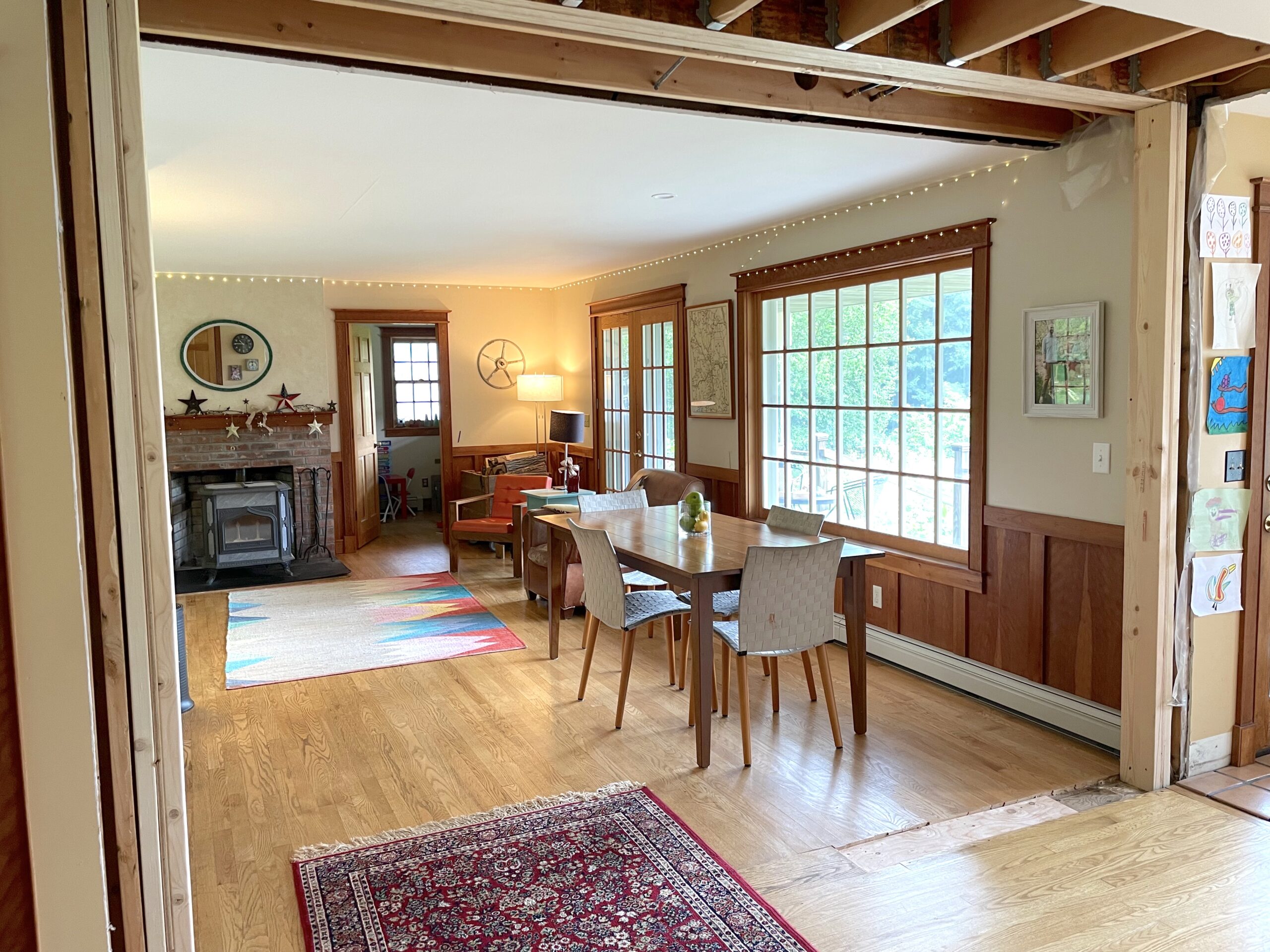
The removal of the structural wall has dramatically improved the spatial dynamics of the home, transforming a series of cramped rooms into a cohesive, light-filled environment. While the project was described as "massive" and "expensive," the homeowners maintain that the 100% improvement in flow and utility justifies the investment.
The project is not yet complete. The final stages will involve intricate drywall finishing, flooring repairs, and a comprehensive painting phase. Furthermore, the homeowners have strategically left a portion of the ceiling open to facilitate future electrical upgrades for an upcoming kitchen remodel. This forward-thinking approach ensures that future renovations will not require destructive "re-work," further preserving the home’s financial and structural integrity. As the residential real estate market continues to evolve, this case study stands as a testament to the efficacy of methodical, well-planned, and fiscally responsible home improvement.