
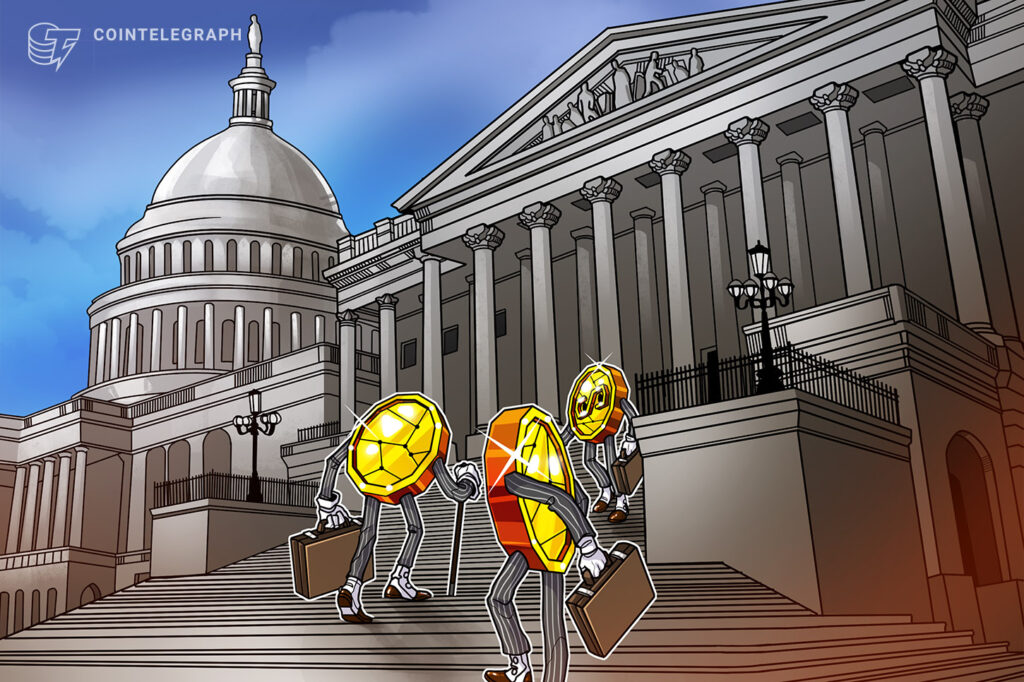

U.S. Senate Majority Leader John Thune has reportedly stated that comprehensive legislation aimed at establishing a market structure for digital assets is unlikely to be considered by the chamber before April. This projection places a significant piece of regulatory reform for the burgeoning cryptocurrency industry on a delayed timeline, amidst other pressing legislative priorities. The announcement, detailed in a Thursday report by Punchbowl News, signals a cautious approach by Senate leadership regarding the contentious and complex digital asset bill.
The primary legislative focus for the Senate in the immediate future, according to Thune, will be the SAVE America Act. This bill, designed to mandate in-person proof of U.S. citizenship for voter registration, is slated to be brought to the floor for a vote next week. Speaking to reporters on Thursday, the Majority Leader emphasized that once the SAVE America Act is addressed, lawmakers would then pivot their attention to the crypto market structure bill, alongside other bipartisan initiatives. "Market structure is a bill that’s, I’m hoping, going to come out of the Banking Committee soon, probably not before, I would say, the April time period," Thune was quoted as saying by Punchbowl News.
This timeline contrasts with earlier sentiments expressed by some within the Senate. In February, Ohio Senator Bernie Moreno had indicated an optimistic outlook, suggesting that market structure legislation could potentially pass Congress by April. The Senate Agriculture Committee has already advanced its version of the bill, a crucial step in the legislative process. However, the Senate Banking Committee has postponed a critical markup session that was necessary to consolidate various legislative proposals into a single, cohesive bill before it could proceed to a floor vote. The delay in the Banking Committee’s action appears to be a key factor contributing to the revised timeline provided by Senator Thune.
The proposed digital asset market structure legislation, which passed the House of Representatives in July under the name the CLARITY Act, aims to significantly enhance the regulatory authority of the U.S. Commodity Futures Trading Commission (CFTC) over digital assets. The CFTC, a federal agency tasked with overseeing derivatives and commodities markets, would gain expanded powers to police this rapidly evolving sector. However, the bill has encountered significant hurdles within the Senate, with lawmakers expressing divergent views on several key provisions. Debates have reportedly centered on issues such as the treatment of tokenized equities, ethical considerations within the digital asset space, and the regulatory framework for stablecoin yields.
The legislative stalemate has drawn the attention of industry stakeholders and even former government officials. Last week, former U.S. President Donald Trump publicly criticized major banks, accusing them of holding the crypto market structure bill "hostage" through their lobbying efforts and objections to certain provisions. These accusations were disseminated through social media posts, highlighting the high stakes and intense lobbying surrounding the legislation. Despite the White House facilitating three separate meetings between representatives from both the cryptocurrency and traditional banking industries, it remained unclear as of Thursday whether any consensus had been reached to unblock the bill’s progress. The lack of a unified front among powerful financial institutions and their varied interests presents a formidable challenge to advancing comprehensive digital asset regulation.
Background and Chronology of the Digital Asset Market Structure Bill
The journey of digital asset market structure legislation through Congress has been a protracted one, marked by bipartisan efforts and significant disagreements. The genesis of current legislative proposals can be traced back to growing concerns among regulators and lawmakers about the increasing systemic risks posed by the digital asset market. These concerns were amplified by periods of extreme volatility, high-profile project collapses, and allegations of market manipulation within the cryptocurrency space.
Key Milestones:
- Early 2023: Initial discussions and working groups formed in both the House and Senate to explore potential regulatory frameworks for digital assets. Lawmakers began to recognize the need for clarity to foster innovation while mitigating risks.
- July 2023: The House of Representatives passed the CLARITY Act, a significant bipartisan bill that sought to provide a clear regulatory path for digital assets. This marked a key legislative victory for proponents of clear digital asset regulation.
- Late 2023 – Early 2024: The Senate began its deliberations, with the Senate Agriculture Committee and the Senate Banking Committee taking lead roles. The Agriculture Committee advanced its version of the bill, but the Banking Committee’s progress was hampered by internal disagreements and the need to reconcile different approaches.
- January 2024: The Senate Banking Committee was scheduled to hold a crucial markup session to combine various proposals and move the legislation forward. This session was postponed, indicating that consensus had not yet been reached.
- February 2024: Senator Bernie Moreno expressed optimism about the bill passing by April, suggesting that some progress was being made behind the scenes.
- March 2024 (Current Reporting): Senate Majority Leader John Thune indicates a revised timeline, pushing potential consideration of the market structure bill to April at the earliest, citing the prioritization of other legislative items like the SAVE America Act.
This timeline illustrates the incremental and often challenging nature of crafting complex financial legislation, especially in a rapidly evolving technological sector. The delays underscore the difficulty in achieving bipartisan consensus on regulatory approaches that balance innovation with investor protection and financial stability.
The SAVE America Act: A Legislative Priority
The SAVE America Act, now positioned as the Senate’s immediate legislative priority, represents a significant shift in the discourse surrounding election integrity. The bill’s core tenet is the requirement for individuals to present proof of U.S. citizenship in person when registering to vote. Proponents argue that this measure is essential to prevent non-citizens from voting and to safeguard the electoral process. They contend that such stringent verification methods will bolster public confidence in election outcomes and ensure that only eligible citizens participate in democracy.
However, the SAVE America Act has also faced considerable criticism and opposition. Opponents argue that the bill could disproportionately disenfranchise eligible voters, particularly those from minority communities, low-income households, or individuals with limited access to identification documents. They express concerns that the in-person requirement could create significant barriers to voter registration, thereby suppressing turnout. Critics also point to existing measures and legal frameworks designed to prevent non-citizen voting, suggesting that the SAVE America Act is an unnecessary and potentially harmful overreach. The debate surrounding this bill highlights a broader national discussion about voting rights, election security, and the balance between access and integrity in the democratic process.
Broader Regulatory Landscape and CBDC Developments
While the digital asset market structure bill navigates its legislative path, other significant developments are occurring within the U.S. regulatory landscape concerning digital currencies. In a separate but related action, the Senate recently voted on Thursday to incorporate an amendment into the 21st Century Road to Housing Act, a housing bill. This amendment specifically prohibits the U.S. Federal Reserve from issuing a central bank digital currency (CBDC). If this amendment is passed into law, the prohibition on a U.S. CBDC would remain in effect until December 2030.
This vote signifies a cautious stance by some lawmakers towards the concept of a U.S. CBDC. Concerns have been raised about potential implications for financial privacy, monetary policy, and the role of commercial banks in the financial system. The amendment reflects a desire to prevent the Federal Reserve from launching a digital dollar without further legislative deliberation and explicit authorization. The debate over CBDCs is global, with many central banks exploring their potential benefits and risks. The U.S. Senate’s move suggests a preference for a more deliberate and legislatively controlled approach to digital currency innovation, prioritizing oversight and public input before any potential issuance.
The Stakes of the Market Structure Bill
The digital asset market structure bill, originating in the House as the CLARITY Act, carries substantial implications for the future of the cryptocurrency industry in the United States. At its core, the legislation seeks to delineate clear lines of authority between existing financial regulators, primarily the CFTC and the Securities and Exchange Commission (SEC), concerning digital assets.
Key Provisions and Debates:
- CFTC Authority: A central tenet of the bill is to grant the CFTC expanded powers to oversee digital asset spot markets. This would bring greater regulatory certainty to a sector that has often operated in a gray area, leading to investor confusion and potential exploitation.
- Tokenized Equities: The treatment of tokenized securities, which represent traditional financial assets on a blockchain, has been a point of contention. Lawmakers are grappling with how to regulate these digital representations to ensure they comply with existing securities laws.
- Stablecoin Yields: The bill aims to establish a framework for stablecoins, digital currencies pegged to the value of fiat currencies. However, disagreements persist over how to regulate the yields generated by stablecoin reserves, a practice that has raised concerns about financial stability and potential market manipulation.
- Ethics and Consumer Protection: Beyond market structure, the legislation is also expected to address consumer protection measures and ethical guidelines for digital asset market participants. This includes provisions related to fraud prevention, disclosure requirements, and safeguarding investor interests.
The prolonged debate and legislative delays suggest that finding common ground on these complex issues is proving to be a significant challenge. The differing perspectives among senators, coupled with the lobbying efforts of various industry groups, have created a legislative logjam. The eventual passage of this bill, or a modified version of it, will have a profound impact on the innovation, investment, and overall development of the digital asset ecosystem within the United States. It could either foster a more robust and secure environment for digital assets or, if poorly crafted, stifle innovation and drive businesses overseas. The coming months will be critical in determining the trajectory of digital asset regulation in the U.S.
The commitment to providing independent and transparent journalism remains paramount. This article adheres to Cointelegraph’s Editorial Policy, aiming for accuracy and timeliness. Readers are encouraged to independently verify information presented herein.