

One week after President Donald Trump publicly committed the United States to covering insurance and providing US Navy escorts for commercial vessels navigating the perilous Strait of Hormuz, Reuters reports a starkly different reality: the US Navy has consistently declined near-daily requests for military protection from the shipping industry. Citing an unacceptably high risk of attacks since the onset of the US-Israeli war on Iran, naval authorities have deemed escorts unfeasible for the foreseeable future. This operational refusal directly contradicts President Trump’s pronouncements, leaving global energy markets in disarray and highlighting a significant disconnect between political rhetoric and military capabilities in a rapidly escalating regional conflict.
The Strategic Chokepoint: A Nexus of Global Energy and Conflict
The Strait of Hormuz, a narrow maritime passage between the Persian Gulf and the Gulf of Oman, stands as the world’s most critical oil chokepoint. Historically, it has been a flashpoint for regional tensions, but its current status as a no-go zone for much of the global shipping industry marks an unprecedented escalation. Approximately 20% of the world’s total petroleum liquids consumption, and roughly one-third of the world’s liquefied natural gas (LNG), transits through this 21-mile wide channel annually. Any disruption here reverberates globally, impacting energy prices, supply chains, and international trade. The ongoing "war on Iran," initiated more than a week ago, has plunged this vital artery into a state of acute instability, transforming it from a routine shipping lane into a dangerous, contested zone. The current halt in shipping prevents the export of around a fifth of the world’s oil supply, sending global oil prices soaring to levels not witnessed since the tumultuous markets of 2022.
Escalation in the Gulf: A Chronology of Conflict and Disruption
The crisis has unfolded rapidly, painting a grim picture of escalating hostilities. The "war on Iran" began just over a week prior to March 10, 2026, marking a severe intensification of long-standing geopolitical tensions between the United States, Israel, and Iran. This conflict has immediately impacted maritime traffic in the Persian Gulf. President Trump’s initial declaration, made just a week before March 10, was intended to reassure the international community and maritime industry. He pledged that the US would not only provide insurance coverage but also US Navy escorts, signaling a robust commitment to maintaining freedom of navigation.
However, the reality on the ground quickly diverged from this promise. Since the war’s commencement, the shipping industry has been making almost daily requests for naval escorts during regular briefings with US Navy and oil industry counterparts. These pleas underscore the profound anxiety and economic pressure faced by shipping companies. Yet, during a briefing on March 10, 2026, the US Navy reiterated its consistent position: escorts are not possible until the risk of attack is substantially reduced. This assessment, according to three unnamed shipping industry sources, remains unchanged.
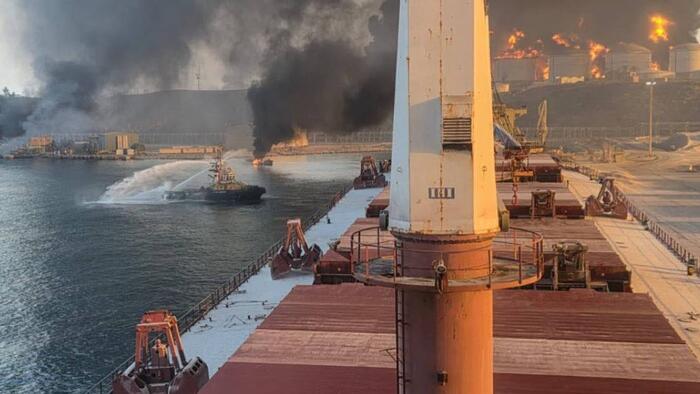
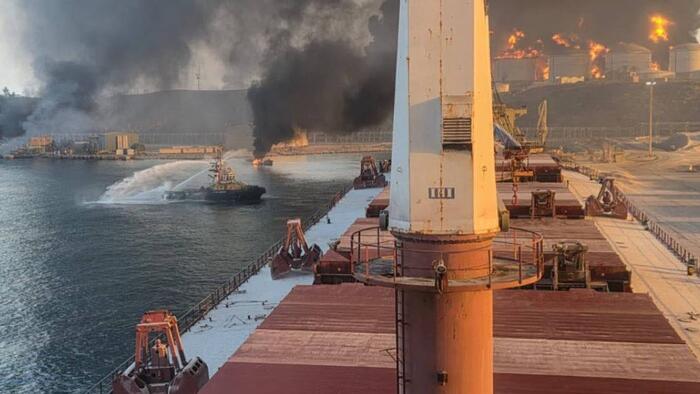
The danger was graphically illustrated on March 11, 2026, with a devastating drone attack on the MINA Petroleum Facility at the Port of Salalah in Oman. Images circulated widely, showing multiple port facilities and oil tanks engulfed in flames, a direct consequence of "one-way attack drones launched by Iran." This incident, occurring on Oman’s coast just outside the Strait of Hormuz, served as a stark reminder of Iran’s reach and willingness to target critical infrastructure in the region.
Further underscoring the immediate threat to shipping, later on March 11, the Thai bulk carrier Mayuree Naree was struck by projectiles approximately 18 kilometers north of Oman while attempting to transit the Strait of Hormuz. Reports from Al Jazeera Breaking News indicated black smoke emanating from the vessel, confirming it was one of three commercial ships targeted that day, with several crew members reported missing. These incidents confirm the severe and immediate risks posed by the ongoing conflict, directly validating the US Navy’s assessment of the prohibitive danger.
US Navy’s Stance and Industry’s Plea: A Widening Chasm
The US Navy’s firm refusal to provide immediate escorts stems from a pragmatic assessment of the operational environment. Senior naval commanders have communicated to shipping and oil industry representatives that the current level of threat, characterized by sophisticated drone attacks, missile capabilities, and potential mining operations, makes conventional escort missions exceptionally hazardous. Deploying US warships to shepherd commercial vessels through a contested strait would expose both the escorts and the escorted ships to unacceptable levels of risk, potentially escalating the conflict further and leading to significant casualties or losses. This position, as conveyed in multiple briefings, prioritizes the safety of naval personnel and the integrity of US assets, even at the cost of immediate commercial relief.
General Dan Caine, Chairman of the Joint Chiefs of Staff, acknowledged the gravity of the situation on March 10, stating that the US military has begun "looking at options" for potentially escorting ships through the Strait, "should it be ordered to do so." This statement, delivered at the Pentagon, suggests an internal deliberation about the feasibility and strategic implications of such operations, but notably falls short of an immediate commitment. A US official, speaking to Reuters, confirmed that the military has not yet escorted any commercial ships through the strait. This clarification was made even more pertinent after US Secretary of Energy Chris Wright prematurely posted on X (formerly Twitter) that the Navy had successfully escorted a vessel, a claim he subsequently deleted, highlighting potential internal miscommunication or an attempt to project confidence amidst uncertainty.
For the shipping industry, the Navy’s stance is a source of immense frustration and mounting economic pressure. Companies are facing unprecedented operational challenges, with hundreds of ships currently anchored outside the Strait, unable to proceed. The daily requests for escorts underscore the industry’s desperate need for a solution to resume vital trade routes. Without military protection, the commercial risk, compounded by soaring insurance premiums and the direct threat of attack, makes transit untenable for most operators. The industry’s concerns extend beyond immediate safety to the long-term viability of established trade routes and the potential for severe economic contraction if the chokepoint remains effectively closed.
The Economic Fallout: Global Oil Markets in Turmoil
The effective closure of the Strait of Hormuz to routine commercial traffic has triggered a significant shockwave across global energy markets. With approximately 20% of the world’s oil supply – roughly 17-18 million barrels per day – unable to transit, crude oil prices have surged dramatically. Both Brent crude, the international benchmark, and West Texas Intermediate (WTI), the US benchmark, have seen rapid increases, reaching highs not observed since the volatility of 2022, when geopolitical events and supply constraints drove prices to over $120 per barrel. Analysts project that if the disruption persists, prices could easily exceed these levels, potentially nearing or surpassing the all-time highs seen during previous crises.
The immediate implications extend beyond crude oil. Liquefied Natural Gas (LNG) shipments, equally reliant on the Strait, are also severely impacted, threatening energy security for major importers in Asia and Europe. This has a cascading effect on global inflation, as higher energy costs feed into transportation, manufacturing, and consumer prices. Industries heavily dependent on oil derivatives, from aviation to petrochemicals, face escalating operational costs, threatening profitability and potentially leading to layoffs or reduced output. Governments worldwide are grappling with the specter of an energy crisis, with calls for the release of strategic petroleum reserves (SPR) likely to intensify if the situation does not de-escalate. However, SPR releases offer only temporary relief and do not address the fundamental issue of disrupted supply routes.
While the majority of shipping traffic remains halted, some vessels have resumed transits. Notably, Iranian Very Large Crude Carriers (VLCCs) and Chinese tankers carrying products reportedly embargoed by Western sanctions have been observed navigating the Strait. This selective movement aligns with Iran’s public declaration that it would only target "western-linked ships," implying a strategic effort to allow allied or sympathetic vessels to pass while deterring those perceived as hostile. This creates a two-tiered system of maritime access, further complicating international efforts to ensure freedom of navigation and highlighting the geopolitical nuances of the conflict.
Iran’s Position and Escalating Threats: A Clear Warning
Iran’s posture in this conflict is uncompromising and defiant. A senior official with Iran’s Revolutionary Guards has publicly stated that the Strait of Hormuz is effectively closed to hostile shipping, and any vessel attempting to pass without authorization risks being fired upon. This stern warning is not mere rhetoric; it has been tragically demonstrated by the recent attacks on commercial vessels like the Mayuree Naree and the drone strikes on Omani oil facilities. Iran views its control over the Strait as a crucial strategic asset, a powerful lever in its confrontation with the US and Israel. The Revolutionary Guards’ explicit threats underscore Iran’s determination to impose a blockade, or at least severely restrict, maritime traffic as a means of exerting pressure and retaliating against perceived aggressions.
The targeting strategy, focusing on "western-linked ships," suggests a calculated approach to maximize economic and political impact on its adversaries while potentially minimizing direct confrontation with non-aligned nations, though the definition of "western-linked" remains broad and open to interpretation. This strategy aims to drive up insurance costs for Western carriers, force re-routing around Africa (adding weeks and significant expense to journeys), and ultimately cripple the economies of nations perceived as hostile, without necessarily engaging in direct naval battles with US warships. The incidents of ships being struck, even outside the immediate confines of the Strait, demonstrate Iran’s expanded operational reach and its willingness to enforce its declared blockade through asymmetric means.
Political Repercussions and Divergent Narratives: Trump’s Rhetoric vs. Reality
President Trump’s repeated assurances regarding the safety of the Strait of Hormuz stand in stark contrast to the grim reality unfolding in the region. On Monday, March 9, at his Mar-a-Lago resort, Trump reiterated, "When the time comes, the U.S. Navy and its partners will escort tankers through the strait, if needed. I hope it’s not going to be needed, but if it’s needed, we’ll escort them right through." Yet, just days later, as images of burning oil facilities and crippled cargo ships circulated globally, Trump asserted, with a striking display of irony, that "you can see great safety in the Strait of Hormuz" when questioned about oil transit security.
Adding to the dissonance, when a reporter asked if Iran had laid mines in the Strait, President Trump replied, "we don’t think so," despite all signs and historical precedents pointing to the contrary, and the general ambiguity of modern naval warfare in a contested area. This divergence between presidential rhetoric and the operational assessments of the US Navy, coupled with verifiable reports of attacks, raises serious questions about the credibility of the administration’s messaging and its grasp of the volatile situation.
Domestically, this disconnect could lead to political fallout, particularly if the energy crisis deepens and impacts American consumers. Internationally, the perceived gap between promises and action could undermine US leadership and create doubt among allies regarding America’s ability to protect vital global interests. The challenge for the administration lies in reconciling its strong public commitments with the complex and dangerous realities faced by military planners on the ground.
International Response and Future Outlook: A Precarious Path Forward
The international community watches the developments in the Strait of Hormuz with growing alarm. Major oil-importing nations, particularly in Asia (such as China, India, Japan, and South Korea) and Europe, are deeply concerned about the stability of their energy supplies. Calls for de-escalation are likely to intensify, alongside discussions on alternative supply routes and strategic oil reserve releases. However, the lack of immediate US naval escorts places these nations in a precarious position, forcing them to consider their own measures for ensuring maritime security or accepting the severe economic consequences of continued disruption.
The future outlook for the Strait of Hormuz remains highly uncertain. While General Caine’s statement suggests that the US military is exploring options, the inherent risks of escort operations in a region bristling with Iranian anti-ship capabilities are immense. Any decision to proceed with escorts would require a significant commitment of naval assets and a willingness to accept potential engagements, carrying the risk of further, broader escalation of the conflict. The immediate priority for the US Navy appears to be containing the conflict and mitigating risks to its own forces, rather than directly challenging Iran’s de facto blockade of Western shipping.
Potential solutions could involve a multinational naval task force, sharing the burden and risk, but such an undertaking would require significant diplomatic effort and consensus among nations with diverse interests. Alternatively, a prolonged closure or highly restricted passage through the Strait could force a fundamental re-evaluation of global energy supply chains, accelerating investments in alternative energy sources and new transport routes, though these are long-term solutions that offer no immediate relief. The current situation in the Strait of Hormuz is a critical test of international resolve, maritime security, and the delicate balance of power in one of the world’s most strategically vital regions.
The Maritime Security Dilemma: Protecting Commerce in a Modern Conflict Zone
The crisis in the Strait of Hormuz underscores the profound challenges of ensuring maritime security in a modern, asymmetric conflict environment. Traditional naval power, while formidable, faces complex threats from relatively inexpensive but highly effective weapons systems such as drones, anti-ship missiles, and naval mines. Iran’s capacity to deploy these assets across the narrow confines of the Strait makes convoy operations exceptionally risky.
Escorting commercial ships through such a hot zone would require comprehensive air defense, anti-submarine warfare capabilities (if mines are suspected), and a robust response to fast attack craft and shore-based missile batteries. The sheer volume of commercial traffic normally transiting the Strait also presents a logistical nightmare for any escort mission, as a limited number of warships would struggle to protect hundreds of vessels. Furthermore, any engagement by escorting navies against Iranian forces risks drawing those navies into direct combat, expanding the scope of the "war on Iran." The dilemma for the US Navy is clear: the cost and risk of providing escorts are currently deemed too high, yet the economic and geopolitical costs of not providing them are also catastrophic. The situation highlights the evolving nature of naval warfare and the vulnerability of global commerce to regional conflicts, even in an era of advanced military technology.