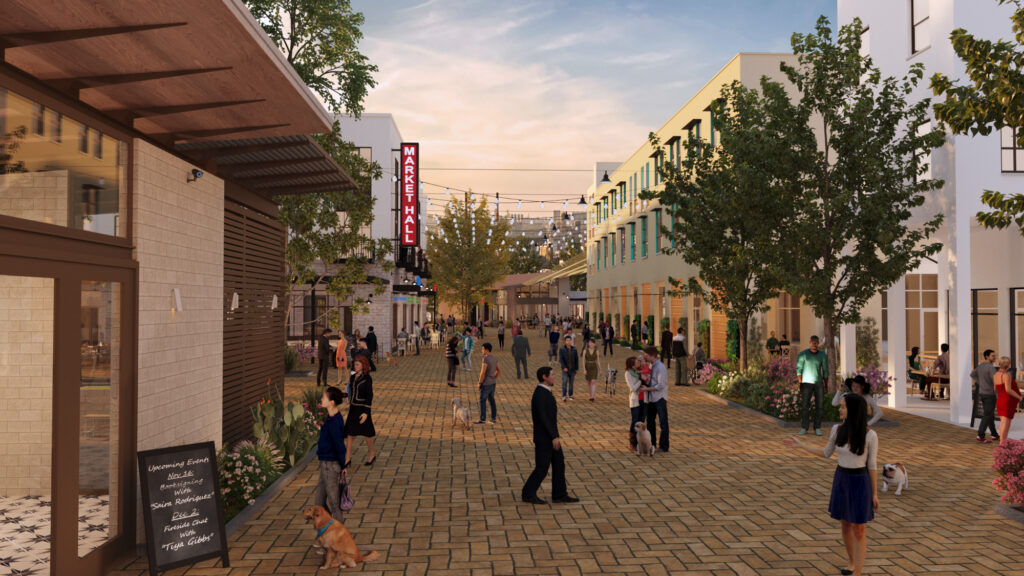

The aspiration to fundamentally reorient urban development, shifting focus from vehicular accommodation to human-centric living, is gaining unprecedented traction among urban planners, economists, and lifestyle advocates. This profound paradigm shift, championed by voices like Mr. Money Mustache, posits that building cities and countries around people rather than cars offers a synergistic convergence of benefits across health, wealth, and overall quality of life, far exceeding conventional expectations. The economic implications alone are staggering, with conservative estimates suggesting a potential life boost of over $20,000 per person annually, translating into trillions of dollars in national wealth and a prosperity boom unseen in modern history. This vision challenges the deeply ingrained status quo of car-dominated urban landscapes, proposing a future where communities are designed for walkability, bikeability, and vibrant public spaces, epitomized by groundbreaking projects like Culdesac Tempe.
The Overlooked Cost of Car-Centric Urbanism
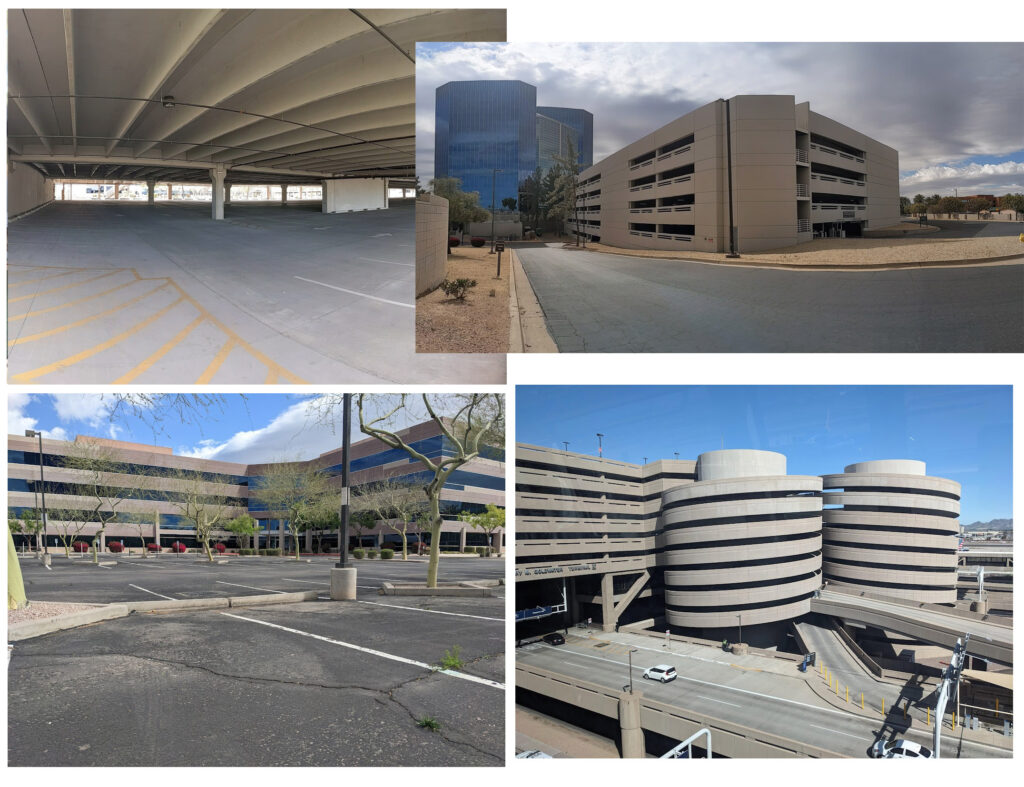
For decades, urban planning in many developed nations, particularly in the United States, has prioritized the automobile. This car-centric approach has manifested in sprawling infrastructure: multi-lane highways, vast parking lots, and wide intersections, all designed to facilitate vehicle movement and storage. While seemingly convenient, this design philosophy has come at an enormous, often hidden, cost. The land dedicated to cars – including roads, parking spaces, and associated infrastructure – can account for anywhere from 30% to 50% of a city’s total land area. This extensive allocation of valuable real estate to inanimate objects represents a colossal opportunity cost, diverting space that could otherwise be used for housing, green spaces, businesses, and community amenities.
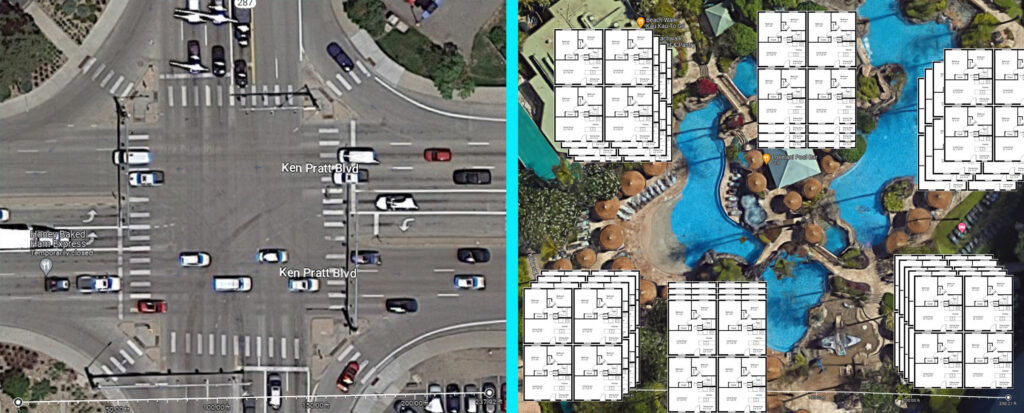
Consider the stark reality of land utilization: the space required for two modest parking spots could comfortably accommodate a two-bedroom apartment. Extending this comparison, a typical large intersection, approximately 250 by 250 feet, consumes about 1.5 acres. In a car-centric model, this space is often a transient zone for vehicles, frequently gridlocked or underutilized. Conversely, this same acreage could house approximately 200 people in a resort-like residential complex, complete with communal pools, dog parks, local grocery stores, and restaurants. The sheer scale of this spatial inefficiency, replicated hundreds of times across any major city, highlights the profound waste embedded in conventional urban design.
The reliance on automobiles also burdens individuals and public coffers financially. The American Automobile Association (AAA) consistently reports that the average annual cost of owning and operating a new car exceeds $12,000, encompassing fuel, insurance, maintenance, and depreciation. Multiply this by millions of households, and the collective financial drain is immense. Furthermore, public funds are continuously allocated to construct, maintain, and expand road networks, often neglecting investments in public transit or pedestrian infrastructure. This creates a self-reinforcing cycle: cities are built to accommodate cars, distances become too vast for walking or cycling, necessitating car ownership, which in turn demands more car-centric infrastructure.
Economic and Societal Benefits of a Human-First Approach
The transition to people-centric cities promises a multifaceted explosion of wealth and well-being. Economically, reclaiming vast swathes of land from cars instantly increases the value and utility of urban real estate. This liberated space can be redeveloped into denser, mixed-use communities that offer more affordable housing, foster local businesses, and create vibrant commercial hubs. Reduced parking requirements alone can significantly lower construction costs for new developments, making projects more financially viable and potentially reducing housing prices.
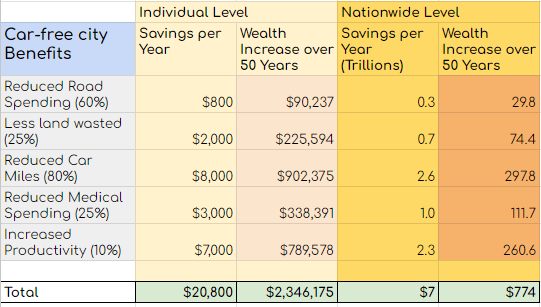
At the individual level, shedding reliance on private automobiles frees up substantial personal income. Eliminating car payments, insurance premiums, fuel costs, and maintenance expenses can save residents thousands of dollars annually, funds that can be reallocated to investments, savings, or local consumption, thereby stimulating the local economy. This financial liberation, compounding over a lifetime, could equate to millions of dollars per adult. On a national scale, a conservative projection suggests a boost to the United States’ wealth by approximately seven trillion dollars per year, potentially compounding to over 770 trillion dollars over the next five decades – a figure that surpasses the current total amount of human wealth on the planet. This projected economic surge stems from a combination of reduced infrastructure spending, increased land value, enhanced productivity from healthier populations, and a vibrant local economy less dependent on external energy and automotive industries.
Beyond economics, the health and social dividends are equally compelling. Walkable and bikeable cities inherently promote physical activity, combating sedentary lifestyles linked to chronic diseases such as obesity, heart disease, and diabetes. Residents enjoy improved cardiovascular health, reduced stress, and better mental well-being. Cleaner air, resulting from fewer vehicle emissions, lowers rates of respiratory illnesses. The reduction in traffic accidents dramatically improves public safety. Socially, human-centric design fosters stronger community bonds. Public squares, pedestrian zones, and shared green spaces become natural gathering points, encouraging impromptu interactions and strengthening neighborhood ties. The vibrant street life characteristic of walkable communities enhances feelings of belonging and safety, creating more joyful and engaging environments.
Overcoming Resistance: The Path to Transformation
Despite the overwhelming benefits, the shift to people-centric urbanism faces significant resistance. Decades of car-oriented planning have created deeply entrenched bureaucracies and a public perception that equates progress with automotive convenience. City councils and planning committees, often tasked with maintaining the status quo, struggle to envision and implement radical changes. Established industries, from automotive manufacturers to road construction companies, exert considerable influence, while "grumpy neighbors" may resist perceived disruptions to their accustomed way of life, often without fully grasping the transformative potential of such changes.
The core of this resistance often boils down to a misunderstanding: the assumption that a shift away from car-centric planning necessitates a compromise on mobility. In reality, the goal is not to eliminate cars entirely but to reduce their necessity through intelligent design. By consolidating amenities, creating efficient pedestrian and cycling networks, and integrating robust public transit, the need for personal vehicles diminishes organically. When distances are short, routes are safe, and amenities are accessible, walking or cycling becomes the default, often faster and more enjoyable mode of transport for urban distances than navigating traffic and finding parking. This paradigm fundamentally alters the relationship between residents and their urban environment, offering freedom from the burdens of car ownership without sacrificing accessibility.
Culdesac Tempe: A Blueprint for the Future
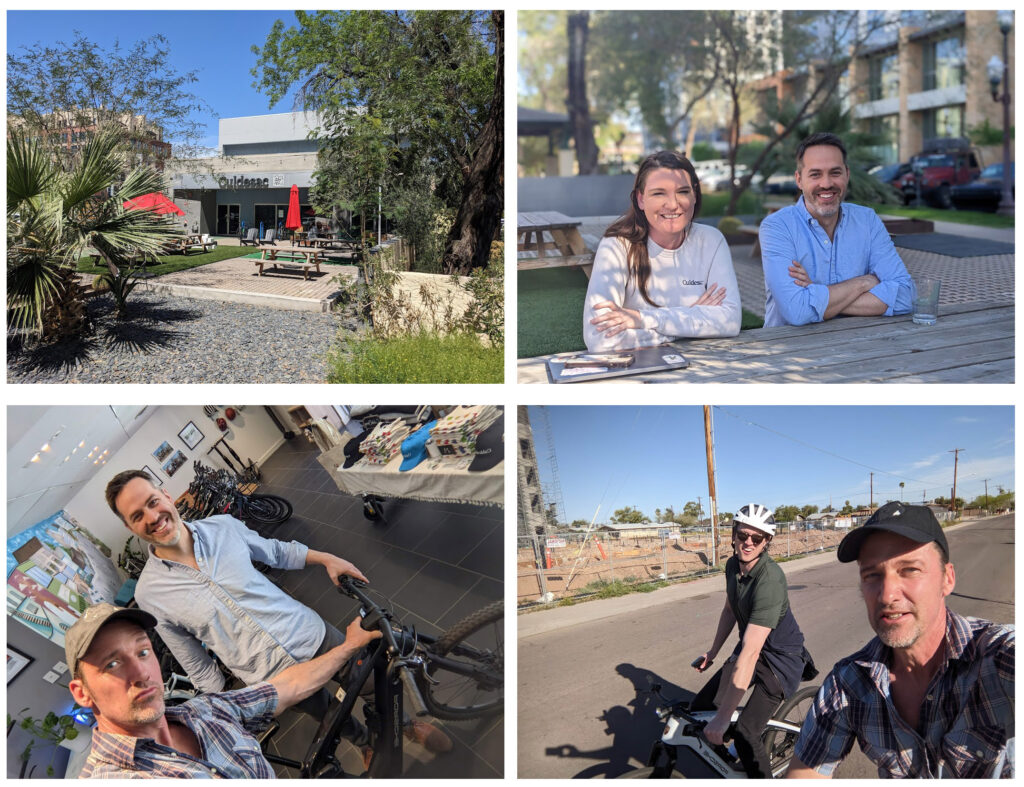
Against this backdrop of entrenched urban planning, the emergence of Culdesac Tempe, located in Tempe, Arizona, stands as a tangible, living proof-of-concept for car-free urban living. Developed by Culdesac, a pioneering real estate firm, this 1,000-person neighborhood spans 17 acres and represents the nation’s first ground-up, car-free community. Its development timeline, from conception to initial residency, has been closely watched by urban planners and sustainability advocates worldwide, offering a blueprint for future projects.
Genesis and Design Philosophy:
Culdesac was founded by Jeff Berens and Ryan Johnson with a clear vision: to create vibrant, walkable communities where residents could live, work, and play without needing a personal car. Tempe was chosen for its progressive city leadership, growing urban core, proximity to Arizona State University, and access to existing light rail infrastructure. The architecture firm Optico Design was instrumental in translating this vision into a Mediterranean-inspired aesthetic, prioritizing shade, natural breezes, and heat reflection to suit the desert climate. The core design principle involves replacing traditional parking lots with expansive pedestrian pathways, verdant courtyards, and communal gathering spaces.
Amenities and Connectivity:
Culdesac Tempe is designed as a self-sufficient village, integrating essential amenities directly into the neighborhood fabric. These include a grocery store, a restaurant, a café, a fitness center, coworking spaces, a communal pool, and a dog park. This mixed-use approach ensures that most daily needs are within a short walk or bike ride. The community’s strategic location in the Phoenix metro area, combined with its direct access to the city’s light rail system, provides residents with unparalleled connectivity. An annual pass to the public transit system is included with rent, allowing easy, car-free access to the university, downtown Tempe, and even Phoenix Sky Harbor International Airport.
Transportation Model:
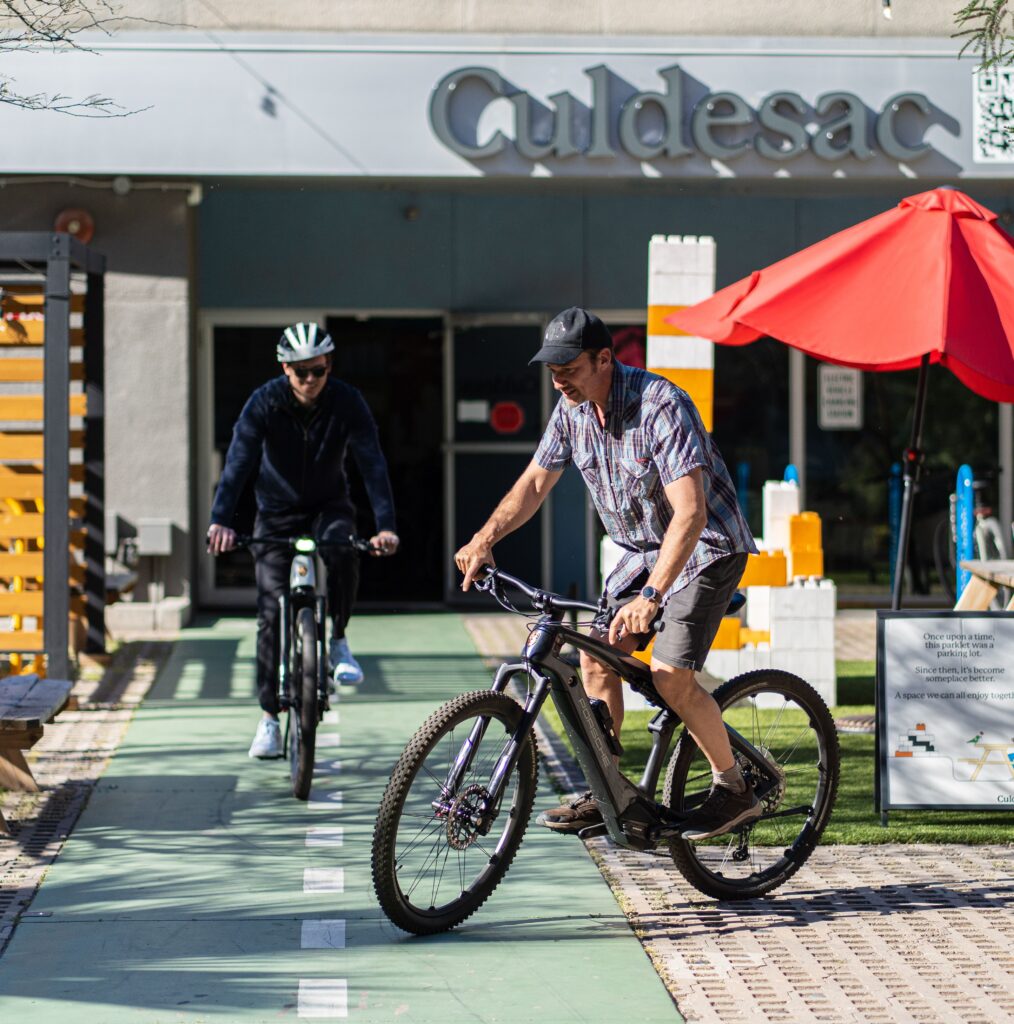
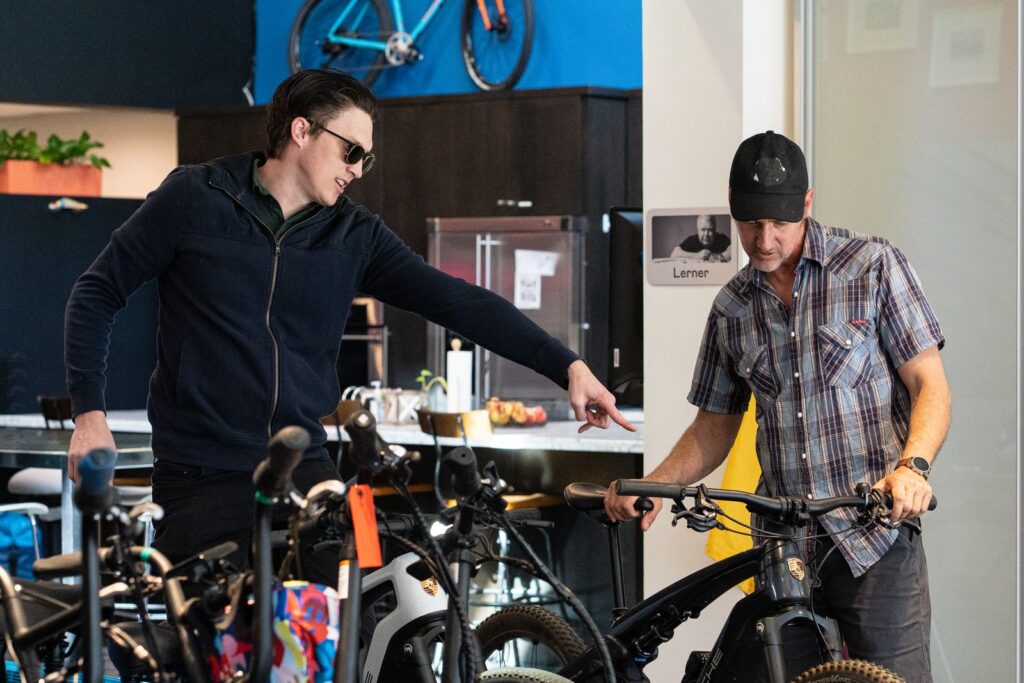
The transportation strategy at Culdesac Tempe is holistic and multi-modal. For short distances, walking is the primary mode, encouraged by the pedestrian-friendly design. For medium distances (up to 15 miles), electric bikes and scooters are readily available, offering a faster and more exhilarating alternative to cars, especially in urban environments. For trips beyond bike and transit range, residents have access to a fleet of shared electric vehicles (rideshare cars), ensuring that occasional needs for a car, such as a trip to the mountains or a large grocery run, are met without the burden of private ownership. This layered approach demonstrates that mobility can be enhanced, not hindered, by reducing car dependency.

Resident Experience and Impact:
Early residents of Culdesac Tempe report a significant improvement in their quality of life, citing enhanced social interaction, reduced stress from commuting, and greater financial flexibility. The absence of car noise and exhaust creates a more serene and healthier living environment. The community fosters a strong sense of belonging, as neighbors frequently encounter each other in shared spaces. This project serves as a critical pilot, demonstrating the financial sustainability of car-free developments and their appeal to a growing demographic seeking more connected, active, and environmentally conscious lifestyles. Mr. Money Mustache himself, a vocal proponent of such communities, has expressed intentions to reside in Culdesac Tempe, underscoring its appeal to those seeking a radical departure from conventional living.
The Culdesac Master Plan and Broader Implications
Culdesac Tempe is just the first step in a much grander vision. The founders aim to replicate this model on a larger scale, ultimately transforming existing car-dominated landscapes into vibrant, human-centric communities. Their master plan involves:
- Iterative Expansion: Learning from Tempe, they plan to refine their model and build larger, even more integrated car-free neighborhoods across the United States.
- Repurposing Existing Infrastructure: Identifying vast, underutilized spaces like abandoned shopping malls, sprawling parking lots, and inefficient commercial strips, and transforming them into dense, mixed-use, walkable communities. This approach offers a sustainable path to urban renewal without requiring new greenfield development.
- Advocacy and Policy Change: Engaging with municipal governments to reform outdated zoning laws and building codes that mandate excessive parking and prohibit mixed-use development, thereby paving the way for more people-centric projects.
- Technological Integration: Leveraging smart city technologies, shared mobility platforms, and sustainable energy solutions to optimize resource use and enhance the resident experience.
The implications of such a widespread transformation are profound. Environmentally, a reduction in vehicle miles traveled (VMT) would lead to significantly lower greenhouse gas emissions, improved air quality, and reduced noise pollution. This aligns with global efforts to combat climate change and promote sustainable living. Socially, it promises more equitable access to services and opportunities, particularly for populations who cannot drive due to age, disability, or economic constraints. Economically, it unlocks immense latent value in urban land, fosters local entrepreneurship, and creates resilient communities less vulnerable to fluctuations in global energy markets.
For individuals and communities interested in supporting this movement, several avenues exist:
- Education and Advocacy: Learning about the benefits of car-free cities and advocating for local policy changes that support walkability, bikeability, and public transit.
- Community Engagement: Participating in local planning meetings, supporting urbanist groups, and pushing for reforms to zoning and parking regulations.
- Personal Choices: Reducing personal car reliance, embracing active transportation, and supporting businesses and developments that prioritize human-scale design.
- Investment: Exploring investment opportunities in projects like Culdesac that are pioneering this new urban paradigm, where financial sustainability is intertwined with social and environmental progress.
The shift towards building cities for people, not cars, represents an economic and social transformation akin to discovering a simple, yet profound, cure for a chronic illness rooted in poor lifestyle choices. The current urban landscape, with its car-induced sprawl, pollution, and isolation, is an inefficient and unhealthy habit. Every step taken to reform our cities, every car trip eliminated, unleashes an exponential cascade of benefits, boosting personal and national wealth, health, and happiness for generations. The stakes are undeniably high, and the opportunity for a more prosperous, vibrant, and sustainable future is within reach.
Further research into this transformative urban movement points to the work of collaborators like Kevin Dahlstrom, whose advocacy for building car-free cities from scratch has garnered significant positive feedback, highlighting a growing public appetite for such radical, beneficial changes. The success of projects like Culdesac Tempe underscores that this is not merely an idealistic dream, but a viable, profitable, and deeply impactful reality.