

The enduring principles of Financial Independence, Retire Early (FIRE) are facing a renewed critical examination in 2024, prompted by evolving economic landscapes, particularly escalating housing costs and shifting income dynamics. A recent discourse, initiated by an observant reader’s comment on a foundational FIRE blog, highlights a growing sentiment that the movement’s traditional advice, often rooted in past economic conditions, may no longer be universally applicable. This critique posits that many early FIRE adopters benefited from high-paying tech careers and advantageous real estate markets pre-2019, circumstances less accessible to today’s aspiring financially independent individuals.
The reader’s commentary articulated a concern that much of the prevailing FIRE guidance, such as "house hacking" or purchasing "fixer-uppers," has become economically unfeasible or administratively complex given current property values and interest rates. Citing restrictive zoning laws that impede multi-unit conversions or the placement of alternative housing structures on private land, the critique underscores systemic barriers that challenge conventional FIRE strategies. This perspective raises a pertinent question: how do the core tenets of Mustachianism, the philosophy underpinning many FIRE principles, adapt to a post-pandemic world characterized by inflation, housing crises, and disparate earning opportunities?
The Enduring Debate: Adaptability vs. Obsolescence in FIRE
The concept of FIRE facing "obsolescence" is not new. Throughout its history, the movement has navigated various economic cycles that have tested its foundational assumptions. Periods such as the dot-com bust of the early 2000s, the global financial crisis of 2008, and subsequent market volatility have each prompted discussions about the viability of early retirement strategies. Each time, proponents have argued that while external conditions shift, the underlying principles of aggressive saving, mindful spending, and strategic investment remain robust, requiring only adaptation rather than abandonment.

The current economic climate, however, presents a unique confluence of challenges. The reader’s critique specifically targets two significant factors: the perceived reliance on high-six-figure tech salaries and the dramatic surge in housing prices, coupled with rising interest rates, since 2019.
Income Disparity and the Myth of Inevitable Waste
Regarding income, it is an undeniable truth that certain professions offer significantly higher earning potential. The tech sector, for instance, has historically provided lucrative compensation packages that facilitate accelerated savings rates crucial for FIRE. However, the FIRE philosophy, while acknowledging the benefits of higher income, primarily emphasizes disciplined spending and waste reduction over perpetually increasing earnings. The argument put forth by many FIRE advocates is that substantial incomes, without commensurate financial discipline, often lead to lifestyle inflation, negating the advantage of high earnings. Empirical evidence, such as the prevalence of high-earning professionals (e.g., software engineers, doctors) experiencing financial stress despite decades of high salaries, supports this assertion. This phenomenon suggests that the ability to "waste almost any amount of income" is a pervasive challenge, making efficient spending and purposeful consumption paramount regardless of income level. The focus, therefore, shifts from how much one earns to how much one saves and invests, and how effectively one streamlines expenses without compromising quality of life.
The Housing Conundrum: A Data-Driven Perspective
The second, and perhaps more pressing, concern is the state of the housing market in 2024. The period since 2019 has witnessed unprecedented shifts, leading many to question the feasibility of homeownership as a cornerstone of financial independence. To assess this objectively, it is crucial to analyze inflation-adjusted housing data.
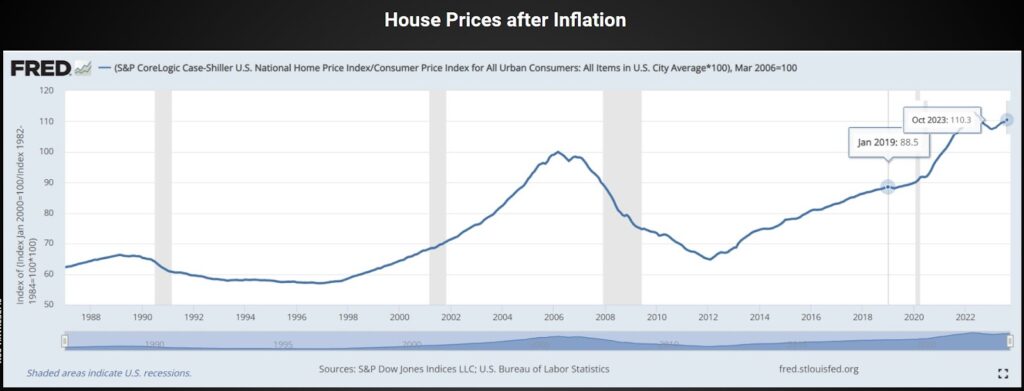
Data from the St. Louis Federal Reserve provides valuable insights into this trend. Analyzing the S&P/Case-Shiller U.S. National Home Price Index, adjusted for inflation, reveals that national housing prices have indeed risen significantly since early 2019. The "feel" of houses being approximately 25% more expensive relative to average salaries and other goods is largely substantiated by these figures. Interestingly, however, when viewed over a longer span, such as from the last housing peak in early 2006, inflation-adjusted prices are up by approximately 10% over eighteen years. This long-term perspective suggests that while the recent surge is substantial, it might represent a recovery and slight overshoot from a previous equilibrium, rather than an entirely novel and insurmountable barrier.
Crucially, national averages often mask significant regional disparities. Cities like Longmont, Colorado, for example, have experienced median home price increases that far outstrip national trends and average salary growth. A median home price of $540,000 in Longmont, representing a threefold increase since 2011, illustrates how specific desirable locations have become significantly less accessible for the average earner. These localized spikes are driven by a complex interplay of factors including limited housing supply, high demand fueled by migration (partially accelerated by remote work trends), restrictive zoning regulations that hinder new construction, and competition from investors. The impact of higher interest rates, which have seen the benchmark federal funds rate increase significantly from near-zero levels in 2022 to over 5% by late 2023, further exacerbates affordability by increasing monthly mortgage payments. For instance, a 25% increase in home price combined with a rise in mortgage rates from 3% to 7% can nearly double the monthly payment for the same property, presenting a formidable hurdle for prospective buyers.
Strategic Relocation: The "Geographic Arbitrage" Principle
In response to these localized housing crises, a core Mustachian principle re-emerges: the strategic assessment of location. The concept, often colloquially termed "house shopping with your middle finger," translates professionally into geographic arbitrage – the intentional relocation to areas where the cost of living, particularly housing, is significantly lower while maintaining or improving quality of life. This approach challenges the ingrained cultural assumption that one must remain in their birthplace or current city, regardless of economic viability.
The decision-making process for housing, whether buying or renting, should involve a thorough analysis of alternatives. This extends beyond merely considering different neighborhoods within a city to evaluating entirely different cities, states, and even countries. This requires individuals to critically examine their "ties" to a location, distinguishing between genuine community bonds and mere inertia or "fear of change."
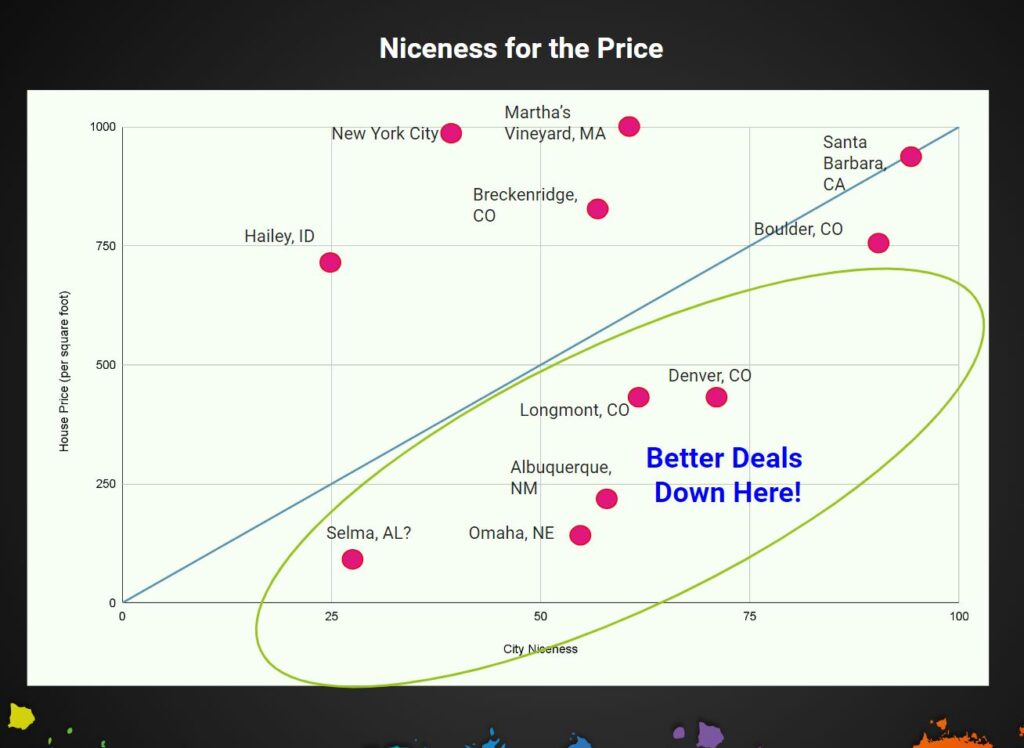
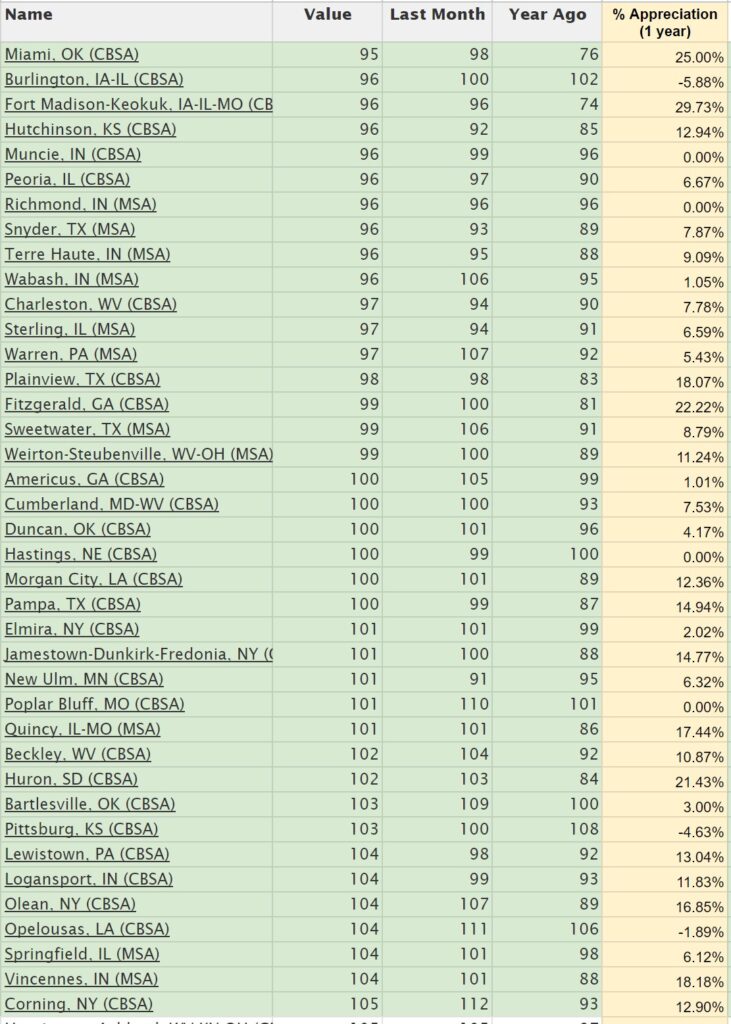
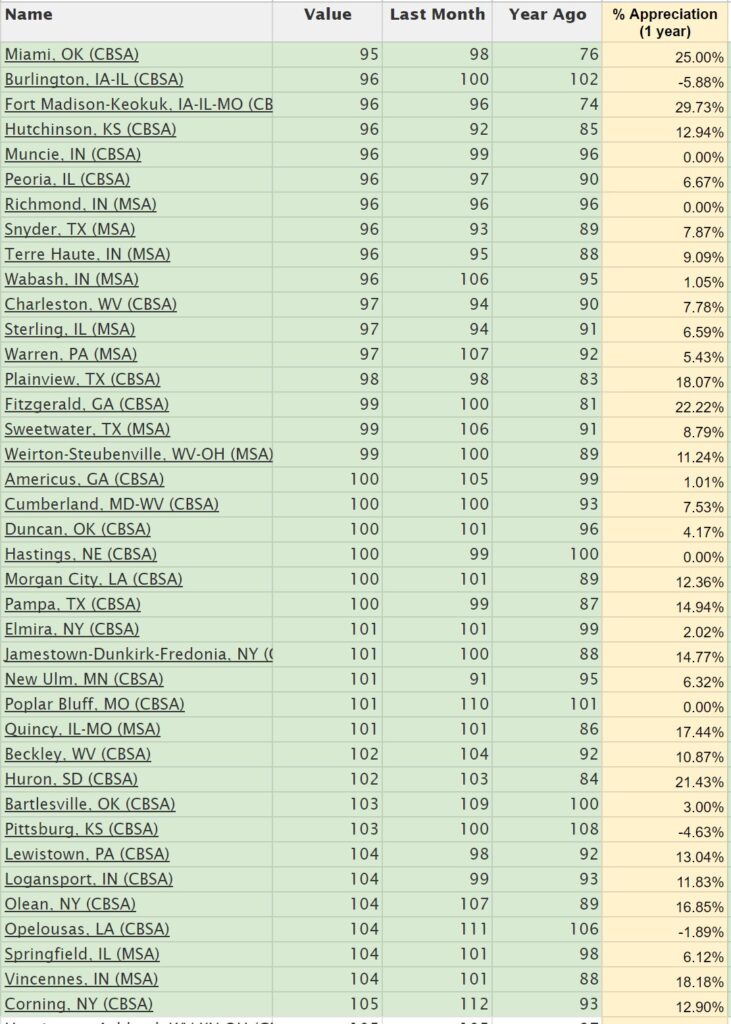
The irrational pattern of house prices across a nation, where some areas are exorbitantly expensive while others offer remarkable value, creates an opportunity. Tools like the St. Louis Fed’s list of metropolitan areas, which provides data on price per square foot, become invaluable for identifying these discrepancies. For instance, while Longmont, Colorado, may command $450 per interior square foot, a comparative analysis might reveal cities like Albuquerque offering significantly lower costs, or cities like Denver providing a perceived higher quality of life at a similar price point. This data-driven approach allows individuals to quantify the trade-offs between location desirability and cost.
For a more granular exploration, compiling and sorting this data (e.g., by cost per square foot and year-over-year price change) can highlight affordable cities. For example, metropolitan areas with an average housing cost of $100 per square foot could offer a 2,000-square-foot home for approximately $200,000, a stark contrast to prices in high-demand areas. This initial data exploration, while requiring subsequent on-the-ground research and visits, forms the basis for informed decision-making.
Global Opportunities: The Earth Awaits
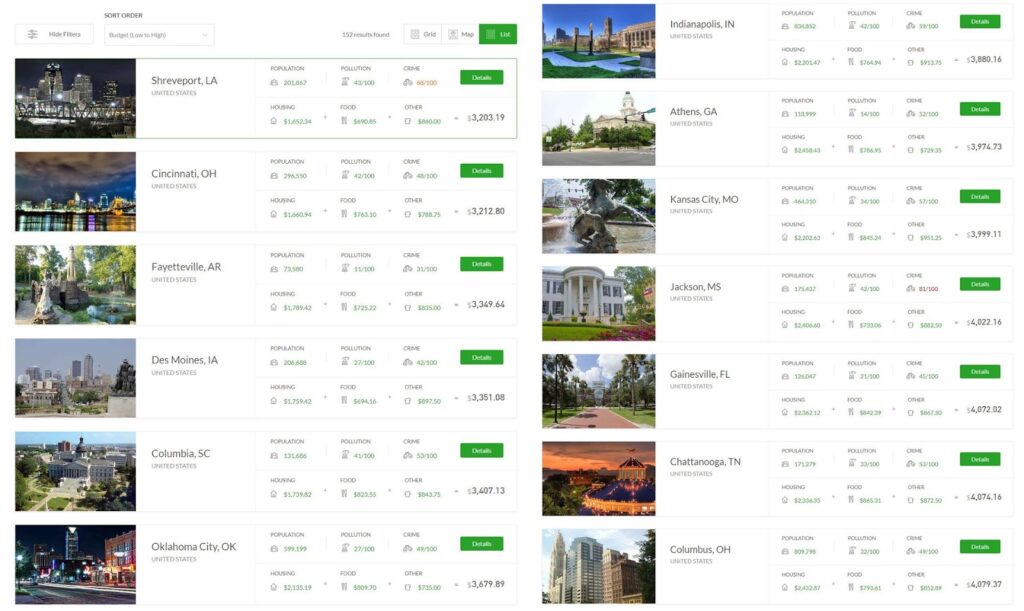
The principle of geographic arbitrage extends beyond national borders. International relocation offers an even broader spectrum of possibilities for significantly reducing living expenses. Platforms like "The Earth Awaits," a FIRE blogger-created resource, facilitate this exploration by allowing users to filter global locations based on detailed criteria such as budget, family size, apartment type, and climate preferences.
A hypothetical search for a two-person household seeking a two-bedroom apartment outside a city center in North America, with a monthly budget under $6,000 and January lows not colder than 10°F, could yield a diverse list of cities. Such a list might include Fayetteville, AR; Columbia, MO; Athens, GA; or Chattanooga, TN – cities with populations ranging from 50,000 to 200,000 that offer a balance of amenities and affordability. The inclusion of population data on such platforms is particularly useful as it offers a qualitative clue to the "feel" of a city, catering to individual preferences for urban density or community size.
Expanding this search to South America further exemplifies the potential for cost savings. Locations like Cuenca, Ecuador; Medellín, Colombia; or Arequipa, Peru, often appear on such lists with significantly lower estimated monthly living costs, even for comfortable lifestyles. For example, a monthly budget of $2,000-$3,000 in some South American cities could afford a quality of life equivalent to or exceeding that offered by a $5,000-$6,000 budget in many North American cities.
Overcoming the Hurdles of International Relocation
While the economic advantages of international relocation are clear, the perceived "hassle" of moving to a new country often deters individuals. Concerns about citizenship, passports, visas, laws, cultural norms, and the logistics of crossing international borders are legitimate. However, these challenges are often framed as "Adulting Puzzles" – a series of manageable administrative tasks that, while requiring effort and diligence, are ultimately solvable. The process typically involves research, form completion, occasional official visits, and learning new systems.
The underlying argument is that the temporary discomfort and effort associated with such a move are dwarfed by the long-term benefits of a significantly reduced cost of living, which can translate into years, if not decades, shaved off the working career. The "hassle" of navigating bureaucracy pales in comparison to the "hassle" of working an additional 15 years in an unaffordable city due to an unwillingness to adapt. This perspective underscores the FIRE movement’s emphasis on intentionality and proactive problem-solving.
Broader Implications and Future Outlook
The ongoing debate about the accessibility of FIRE in 2024 highlights the movement’s dynamic nature. While the core tenets of saving, investing, and mindful spending remain evergreen, the strategies for achieving these goals must evolve with changing economic conditions. The challenges posed by housing affordability and income disparities are not insurmountable but demand a more flexible and globally aware approach.
Urban planners and economists are increasingly recognizing the impact of housing unaffordability on societal mobility and economic equity. Discussions around zoning reform to allow for greater housing density, the promotion of Accessory Dwelling Units (ADUs), and policies to incentivize affordable housing development are gaining traction. However, the pace of these systemic changes often lags behind immediate individual needs.
For the individual pursuing financial independence, the emphasis remains on personal agency and making informed choices. The "physical environment – the people, access to nature, urban features and the weather patterns" – is a critical determinant of happiness, and its cost is but one factor. By carefully weighing these elements and embracing the possibility of relocation, individuals can optimize their "Nice for the Price" scale, enhancing their quality of life while accelerating their journey to financial independence.
The future of FIRE, therefore, lies in its adaptability. It requires aspiring adherents to move beyond conventional wisdom and embrace a broader, data-driven perspective on where and how they choose to live. The global landscape offers a multitude of opportunities, and the courage to explore them will likely be a defining characteristic of the next generation of FIRE success stories. The collective sharing of insights into affordable, high-quality living locations and effective scouting techniques will undoubtedly continue to enrich this evolving movement, fostering a more efficient and enjoyable path to financial freedom for all.