
Pete Adeney, widely known as Mr. Money Mustache, a preeminent figure in the Financial Independence, Retire Early (FIRE) movement, is set to relocate for the winter season to Culdesac Tempe, Arizona. Commencing December 1st, Adeney, alongside his son, will embark on a four-month residency in what is billed as the United States’ inaugural car-free community built from the ground up. This strategic move represents a significant personal transition for Adeney, coinciding with the conclusion of his intensive child-rearing phase, and simultaneously serves as a high-profile endorsement and real-world test of car-free urban living principles he has long advocated. The experiment is poised to generate considerable interest within the FIRE community and among urban planning enthusiasts, offering insights into the practicalities and benefits of intentional, low-carbon lifestyles.
The Evolution of Financial Independence: A Personal and Public Journey
Adeney’s journey into early retirement began in 2005, a decision primarily motivated by a profound desire for personal freedom. At that time, his foremost aspiration was to dedicate his most productive hours to fatherhood, anticipating that a demanding career in the technology sector would prove unsustainable once the full-time responsibilities of raising children intensified. This foresight, he notes, has been thoroughly validated over the past eighteen years. His early retirement has afforded him not only the time to raise his son, affectionately referred to as "Little MM," but also the latitude to navigate personal hardships and explore diverse experiences, blending periods of intense work with necessary downtime. A notable milestone occurred thirteen years ago when his son started kindergarten, and now, with high school completed, a significant chapter of hands-on parenting draws to a close, opening the door for new adventures.
The philosophy espoused by Mr. Money Mustache, characterized by extreme frugality, conscious consumption, and aggressive saving and investing, has resonated with millions globally. His blog, launched in 2011, quickly became a cornerstone of the burgeoning FIRE movement, empowering individuals to reclaim agency over their finances and life trajectories. Adeney’s personal narrative—retiring in his early 30s—provided a tangible example that inspired a generation to question conventional career paths and pursue a life defined by choice rather than obligation. This latest move to Culdesac Tempe is a natural extension of his long-held values, transitioning from theoretical advocacy to direct experiential engagement with sustainable, freedom-centric living.
Culdesac Tempe: A Blueprint for Future Urban Living
Culdesac Tempe is more than just a residential development; it represents a paradigm shift in urban planning, challenging the deeply entrenched car-centric model prevalent across the United States. Conceived as the nation’s first entirely car-free neighborhood, the community is designed around the principles of walkability, bikeability, and seamless integration with public transportation. Residents forgo personal car ownership, relying instead on a network of shared mobility options, on-site services, and direct access to the city’s light rail system. This innovative approach aims to foster a stronger sense of community, enhance resident well-being, and significantly reduce environmental impact.
The community’s design prioritizes pedestrian pathways, green spaces, and communal areas over expansive parking lots, which typically consume vast tracts of urban land. Amenities such as on-site grocery stores, cafes, fitness centers, and co-working spaces are strategically placed to be easily accessible by foot or bicycle, minimizing the need for external travel. Culdesac Tempe seeks to demonstrate that vibrant, convenient, and fulfilling urban living is not only possible but desirable without the constant reliance on private vehicles. According to data from the American Automobile Association (AAA), the average cost of owning and operating a new vehicle in the U.S. in 2023 was over $12,000 annually, a significant financial burden that car-free living aims to alleviate for its residents. Furthermore, studies by organizations like the Environmental Protection Agency (EPA) highlight that transportation is a leading contributor to greenhouse gas emissions, underscoring the environmental imperative for such developments.
The Arizona Experiment: Embracing Deliberate Change
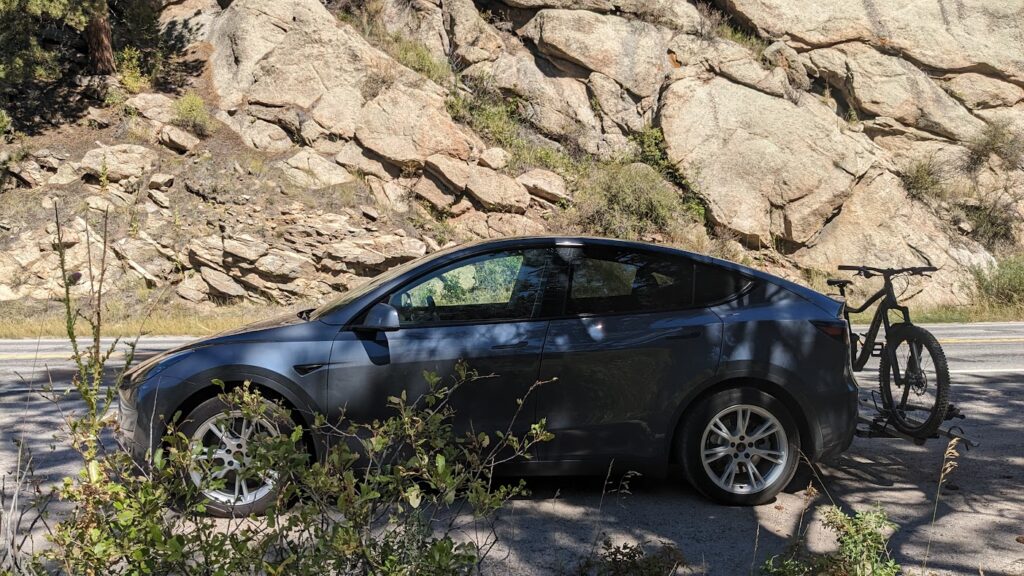
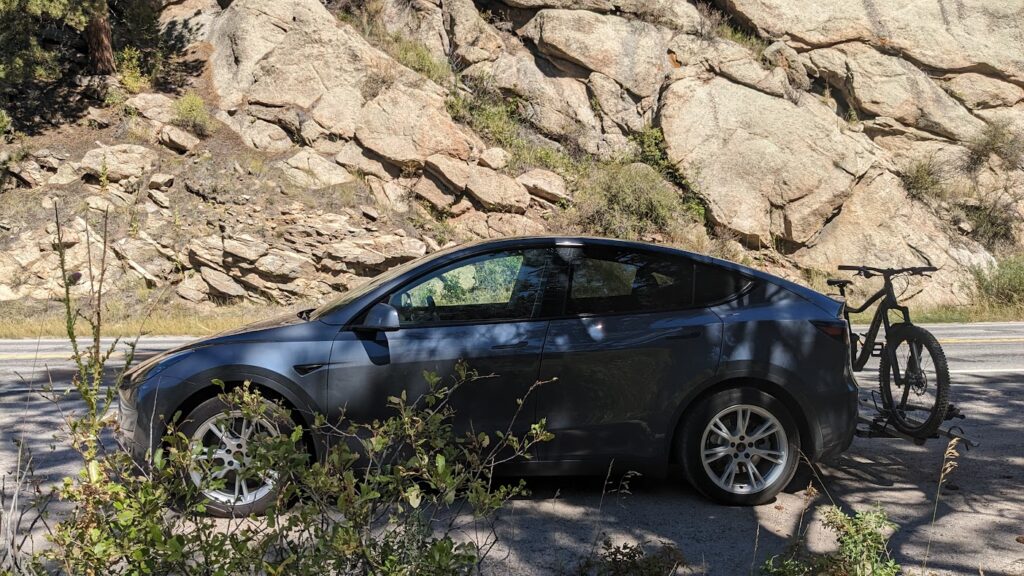
Adeney’s decision to temporarily relocate to Culdesac Tempe is rooted in his philosophy of embracing "deliberate life changes" and actively seeking new challenges to maintain a life rich in meaning and joy. The move, scheduled for the first of December, will see him pack essential items, including his mountain bike, into his Model Y for a road trip from Colorado to Arizona, escaping the imminent winter chill. His son will join him for the initial journey, and will alternate months between Arizona and Colorado, ensuring continued time with both parents.
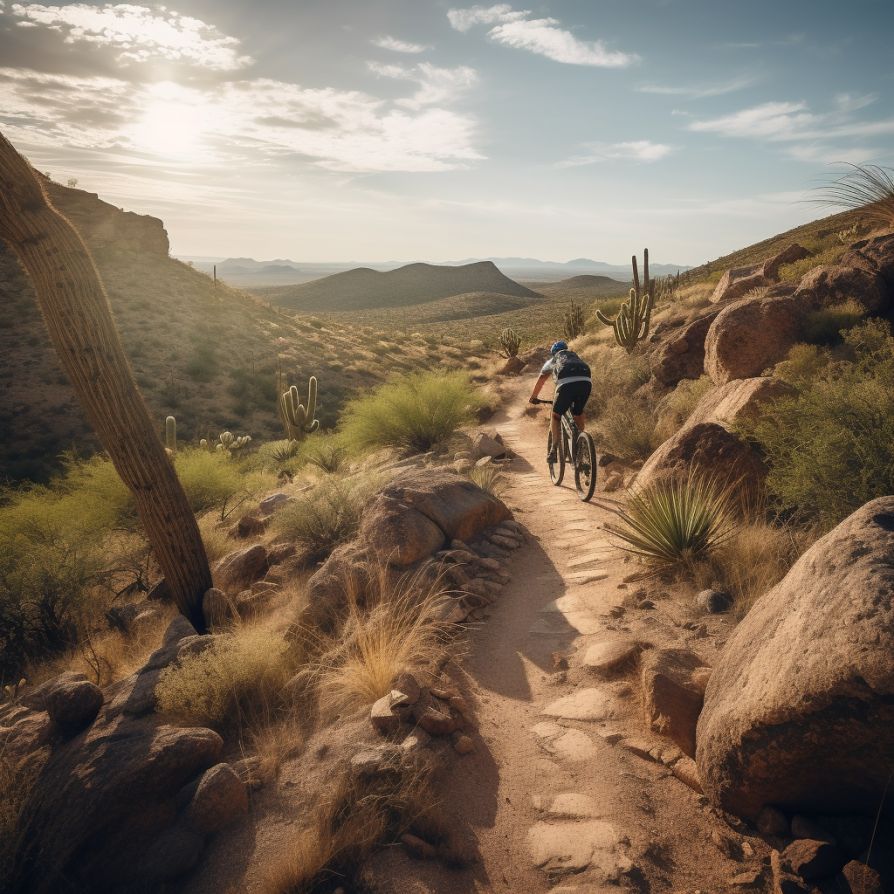
During his four-month tenure, Adeney intends to fully immerse himself in the car-free lifestyle, parking his car offsite and relying solely on walking, biking, and public transit. This immersion is expected to "force him to invent a whole new life," away from the established routines and community comforts of his Colorado home. His planned activities include extensive mountain biking on Arizona’s trails, exploring the local culture of Tempe, engaging with the Culdesac community, and potentially pursuing new projects or volunteer opportunities. He envisions his new "gym" as the outdoor spaces within the community, fostering an active lifestyle integrated into daily living.
This personal experiment aligns with Adeney’s broader advocacy for intentional living and the psychological benefits of strategic hardship. He frequently references works like Dr. Anna Lembke’s Dopamine Nation, which posits that the brain’s baseline for happiness is calibrated by the most challenging experiences encountered. By actively seeking out and overcoming difficulties, individuals can cultivate a greater appreciation for everyday pleasures and a more profound sense of fulfillment. Conversely, a life devoid of challenge can lead to a state of ennui and diminished satisfaction. This temporary relocation to a novel, car-free environment is, for Adeney, a conscious effort to set his "life treadmill to just a bit of a steeper, healthier incline setting."
Broader Implications and the Future of Urbanism
Adeney’s high-profile residency in Culdesac Tempe is not merely a personal quest; it carries significant implications for the wider discourse on sustainable urban development and the future of the FIRE movement. His stated goal extends beyond personal enjoyment: he aims for Culdesac to achieve "huge success" to inspire the construction of more such neighborhoods across the country, thereby "permanently improv[ing] the way US cities build and expand themselves in the future."
His endorsement could provide invaluable visibility to Culdesac Tempe, serving as a real-world case study for urban planners, developers, and policymakers considering alternative models to traditional suburban sprawl. The project’s success or challenges, documented by a prominent influencer like Mr. Money Mustache, could inform future development strategies. Experts in urban planning, such as those at the Congress for the New Urbanism, have long advocated for mixed-use, walkable communities, citing benefits such as reduced infrastructure costs, increased social cohesion, and improved public health outcomes. Culdesac Tempe offers a tangible example of these theories in practice, and Adeney’s participation provides a unique, user-experience-driven perspective.
Furthermore, this experiment reinforces the evolving narrative of the FIRE movement. While initially focused on financial accumulation and early retirement, the movement has increasingly emphasized the qualitative aspects of post-retirement life, including purpose, community, and sustainable living. Adeney’s move showcases a deliberate post-retirement lifestyle choice that prioritizes environmental consciousness and community engagement over traditional consumption patterns. It challenges his readership to consider how their own "freedom chips," once earned, can be invested in experiences that align with deeper values rather than simply accumulating possessions or seeking passive leisure. This move may inspire a segment of the FIRE community to explore similar intentional living experiments, fostering a broader adoption of sustainable practices.
Logistical Considerations and Future Outlook
Addressing practical questions, Adeney has outlined his plans for managing his existing life while embracing the new. His Colorado home, configured with a main floor and a separate lower-level apartment, will be partially rented out to a trusted acquaintance. This strategy not only ensures the property is cared for but also exemplifies the "Mustachian technique of making money while taking vacations," a core tenet of his financial philosophy. The remaining section of his home will be kept available for his occasional return visits during the winter.
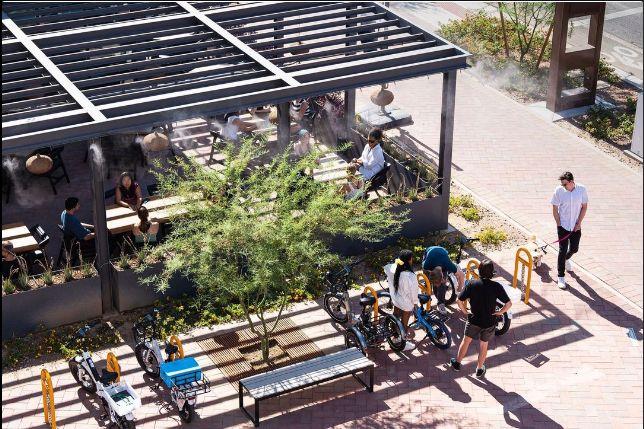
Regarding his vehicle, the Model Y, it will primarily serve as an electric moving truck for the journey. Upon arrival in Tempe, it will be parked offsite, allowing Adeney to fully commit to the car-free lifestyle within Culdesac. The community’s strategic location on the light rail line and its provisions for shared bikes, scooters, and car-sharing services are designed to make car ownership redundant for daily needs, aligning perfectly with his minimalist transportation ethos.
Looking beyond the four-month experiment, Adeney maintains an open-ended perspective. He plans to return to Colorado as his home base but anticipates "layering on new adventures" in this new phase of life. He alludes to ongoing projects, including helping to build out two mountain properties, and the possibility of creating his own "MMM Mountain Retreat" someday. This fluidity underscores the core principle of freedom that initially drew him to early retirement—the ability to pivot, experiment, and redefine one’s life path as circumstances and desires evolve.
The Culdesac experiment, therefore, is more than a winter escape; it is a live demonstration of adaptive living, sustainable choices, and the continuous pursuit of an enriched life, offering valuable lessons for individuals contemplating their own deliberate changes and for communities striving towards a more sustainable future. Updates on his experiences will be tracked on a dedicated page on his website, ensuring transparency and continued engagement with his audience.