

Pete Adeney, widely known by his online moniker Mr. Money Mustache, has recently addressed a recurring criticism leveled against him: that his substantial wealth has disconnected him from the financial realities of the "common person" and that he no longer practices the money-saving principles he advocates. In a recent online publication, Adeney robustly countered these assertions, detailing six specific habits that he claims continue to yield significant financial benefits while simultaneously enhancing his quality of life. His defense underscores a core tenet of "Mustachianism": that frugality is not merely about sacrifice, but about cultivating efficiency, self-awareness, and joy through deliberate lifestyle choices.
The Genesis of Mustachianism: A Financial Independence Philosophy
Pete Adeney, a former software engineer, gained widespread prominence in the personal finance sphere with the launch of his blog, MrMoneyMustache.com, in 2011. His platform quickly became a cornerstone of the Financial Independence, Retire Early (FIRE) movement, advocating for aggressive savings, mindful spending, and a radical re-evaluation of societal norms around work and consumption. Adeney famously retired at the age of 30 in 2005, a testament to his philosophy of living well on less.
The core tenets of Mustachianism revolve around challenging consumerist tendencies, optimizing expenses, and maximizing savings rates to achieve financial independence at an accelerated pace. Unlike conventional financial advice that often focuses on incremental gains and long-term traditional retirement, Adeney champions a holistic approach that integrates financial strategy with lifestyle design. This involves cultivating practical skills, embracing active transportation, fostering community, and finding joy in efficiency rather than material acquisition. His message resonated with millions, creating a vibrant online community of "Mustachians" committed to these principles.
Addressing the "Rich and Fancy" Critique
The growth of Adeney’s platform and his personal financial success have, paradoxically, led to accusations from some readers that he has become "rich and fancy" and therefore out of touch. Critics suggest that his advice, once relatable to those striving for financial freedom, is no longer applicable given his affluent status. They posit that he might no longer need to practice the very money-saving techniques he preaches.
Adeney dismisses these criticisms with a degree of amusement, acknowledging that being a public figure who shares personal details inevitably leads to misunderstandings. However, he firmly contends that a closer look at his real life, and indeed the lives of many within the Mustachian community, would reveal the enduring efficacy and continued practice of these principles. He argues that the financial independence achieved through these methods does not negate the joy or utility derived from them; rather, it allows for their continued practice as "frugal indulgences."
He contrasts what he terms "Standard Advice" with the Mustachian approach:
- Standard Advice: Emphasizes slashing spending and making sacrifices to hit a savings percentage, with further choices deemed personal. More income simply means less sacrifice for a "FatFIRE" retirement.
- Mustachianism: Focuses on cultivating a love for efficiency, creativity, self-awareness, and self-improvement. This knowledge is used to enhance all aspects of life, including those that naturally reduce monthly expenses over time, leading to a better life even as costs drop.
To illustrate his point, Adeney outlines six current lifestyle habits, emphasizing that he pursues them because he genuinely enjoys them, and they coincidentally result in substantial financial savings. He quantifies these savings over a decade, utilizing a personal "rule of 172" where a monthly expense multiplied by 172 estimates its compounded value over ten years if invested.
Decade-Defining Habits: Practical Frugality in Action
Adeney’s detailed breakdown offers concrete examples of how his philosophy translates into daily life, demonstrating that "Mustachianism" is a continuous journey, not just a means to an end.
1. Self-Sufficiency in Home Maintenance: The Producer Mindset
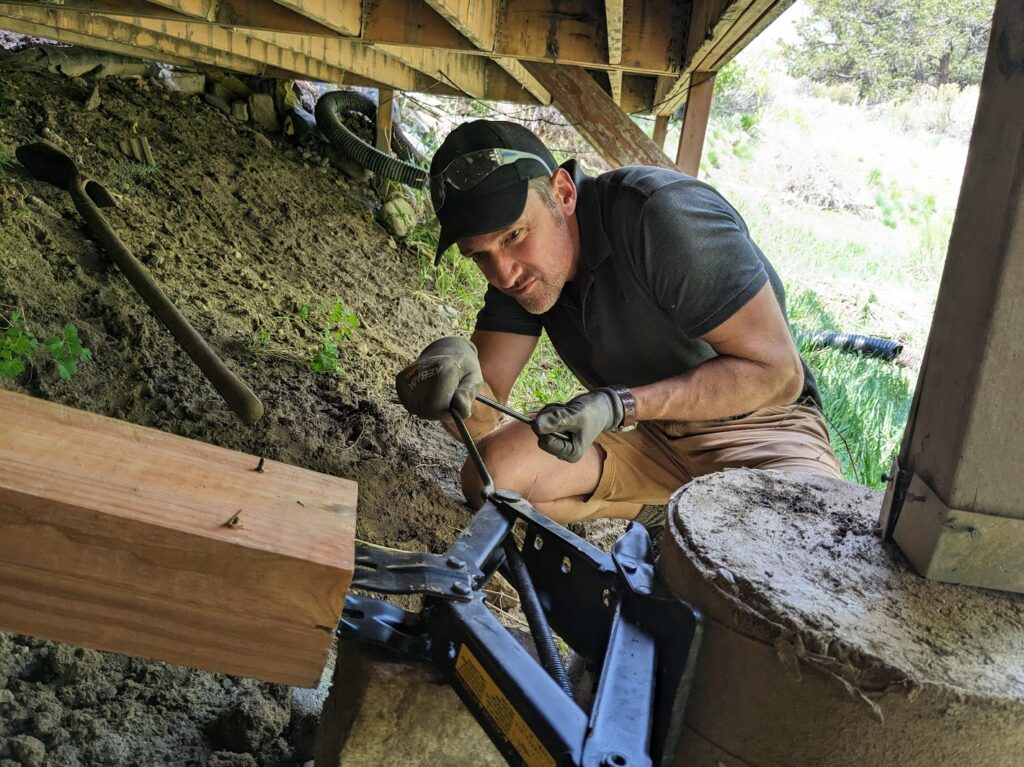
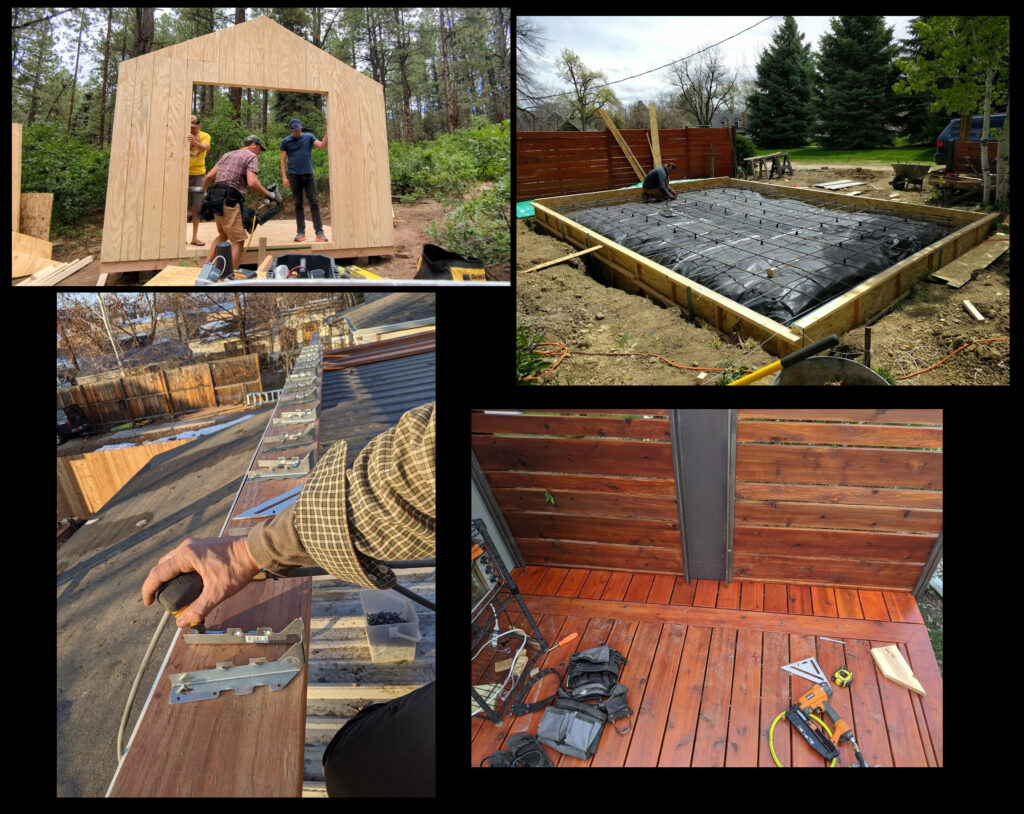
Adeney champions self-sufficiency, particularly in managing one’s living environment. He expresses a deep enjoyment for houses, not just living in beautiful spaces, but also the process of problem-solving, redesigning, and rebuilding old structures. This passion extends to assisting friends with their home projects and teaching others to overcome their reliance on external contractors.
- MMM’s Stated Savings: An average of $20,000 per year, compounding to an estimated $287,000 per decade.
- Enrichment and Analysis: The cost of professional home repairs and renovations can be staggering. According to industry reports, major home remodels can easily run into tens of thousands of dollars, with even minor repairs costing hundreds or thousands. By cultivating skills in carpentry, plumbing, electrical work, and general maintenance, homeowners can bypass these significant expenses. This approach fosters a sense of empowerment and resilience, reducing dependence on external services, which can be expensive and sometimes unreliable. Beyond the direct financial savings, the act of producing what one consumes (or maintaining what one owns) aligns with broader trends of DIY culture and a rejection of disposable consumerism. It also addresses the growing shortage of skilled tradespeople in many regions, making self-sufficiency an increasingly valuable asset.
2. Leveraging Community and Second-Hand Markets
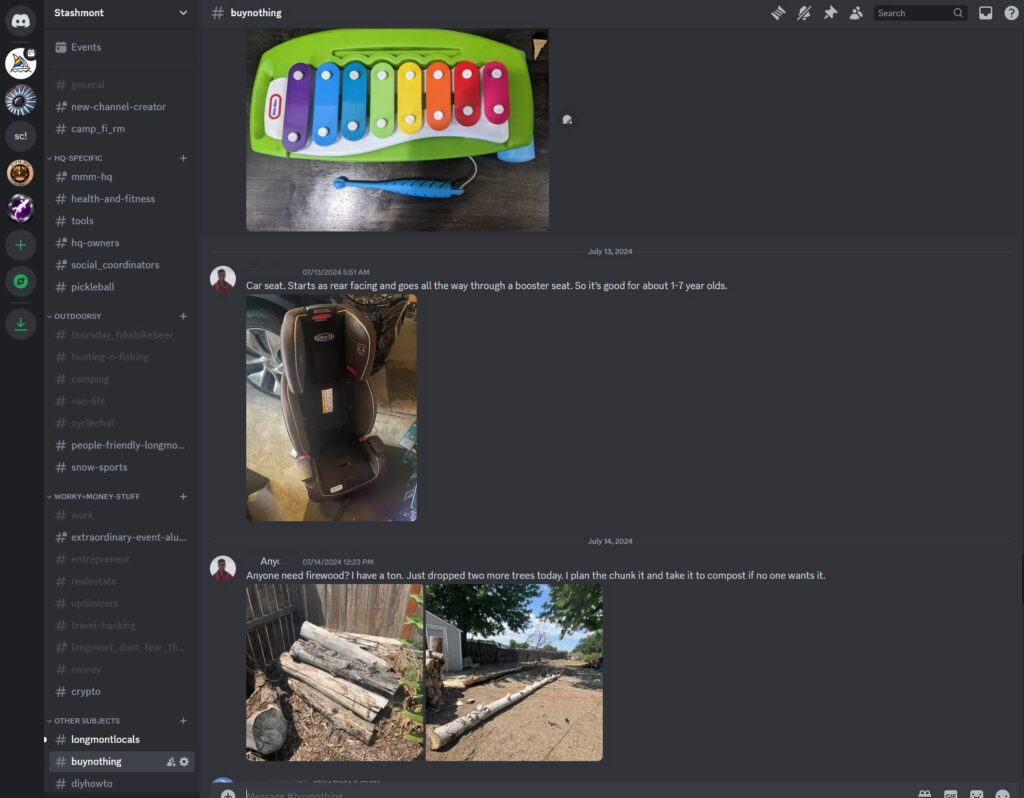
While acknowledging the convenience of purchasing new items, Adeney advocates for the superior value of sharing, repurposing, and acquiring high-quality used goods. This practice, he notes, simultaneously builds community and fosters new friendships. He actively uses platforms like Craigslist, Facebook Marketplace, and NextDoor’s "Buy Nothing" groups. He also highlights the robust internal sharing economy within the MMM-HQ community’s Discord server, where members exchange advice, give away, and sell items.
- MMM’s Stated Savings: Approximately $42,000 per decade.
- Enrichment and Analysis: The sharing economy has seen exponential growth, driven by environmental consciousness and economic practicality. Platforms facilitating the exchange of used goods contribute to circular economy principles, reducing waste and consumption of new resources. A 2022 report by ThredUp projected the second-hand market to reach $77 billion by 2025, indicating a significant shift in consumer behavior. Beyond financial savings, active participation in these networks strengthens local social capital. Community groups become valuable resources for everything from tools to furniture, fostering a collaborative environment where mutual aid thrives. This social dividend, though harder to quantify, contributes significantly to overall well-being and a sense of belonging, reducing the need for costly external entertainment or services.
3. Prioritizing Active Transportation: The Bicycle Advantage
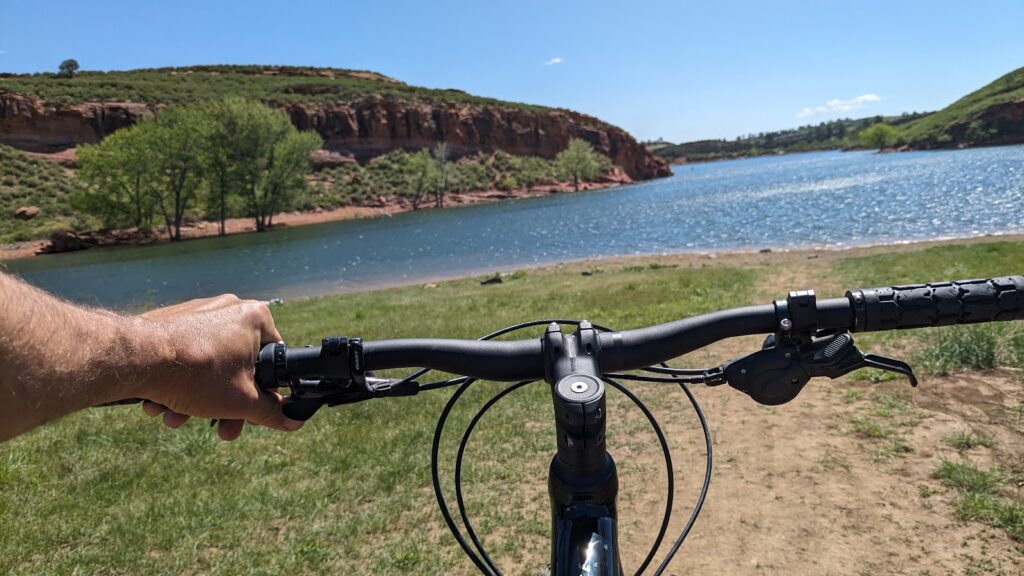
Adeney reiterates one of his most iconic and enduring recommendations: choosing bicycles (or walking) over cars for transportation. Citing his "True Cost of Commuting" analysis, he emphasizes that cars cost at least 50 cents per mile to operate, primarily due to depreciation and maintenance, with fuel costs being just one component. In contrast, bikes are significantly cheaper. He claims to use active transportation for at least 95% of his local trips, amounting to about 2,000 miles per year.
- MMM’s Stated Savings: "$14,000 per decade."
- Enrichment and Analysis: The average annual cost of car ownership in the U.S. exceeded $12,000 in 2023, according to AAA, encompassing fuel, maintenance, insurance, depreciation, and financing. By significantly reducing car usage, individuals can avoid a substantial portion of these expenses. Beyond direct monetary savings, active transportation offers immense health benefits. Regular cycling and walking contribute to cardiovascular health, weight management, improved mental well-being, and reduced risk of chronic diseases. The World Health Organization consistently advocates for active transport to combat physical inactivity. Furthermore, shifting from cars to bikes reduces carbon emissions and traffic congestion, contributing to environmental sustainability and improved urban living quality.
4. Embracing Physical Effort: Muscle Over Motor
Adeney describes a personal preference for choosing physical exertion whenever possible: stairs over elevators, running a golf course instead of using a cart, moving furniture manually, and shoveling snow instead of using a machine. His rationale is simple: "Do you want MORE health and fitness, or LESS?" He sees physical activity as a non-negotiable aspect of life, adhering to the principle of "use it or lose it."
- MMM’s Stated Savings: An estimated $10,000 per year in healthcare savings and increased productivity, totaling $140,000 per decade.
- Enrichment and Analysis: Healthcare costs in the United States are among the highest globally, with average annual spending exceeding $13,000 per person. A sedentary lifestyle is a significant risk factor for numerous health conditions, including heart disease, type 2 diabetes, and certain cancers, which incur massive treatment costs. Conversely, regular physical activity is a powerful preventative measure. Studies consistently demonstrate that individuals who incorporate more movement into their daily lives experience fewer health issues and report higher energy levels and productivity. While direct financial savings are difficult to calculate precisely, avoiding chronic illness and associated medical expenses, medication, and lost productivity represents a substantial economic benefit. This "muscle over motor" philosophy essentially views personal fitness as a form of long-term financial and personal investment.
5. The Glamping Retreat Home: Intentional Energy Efficiency
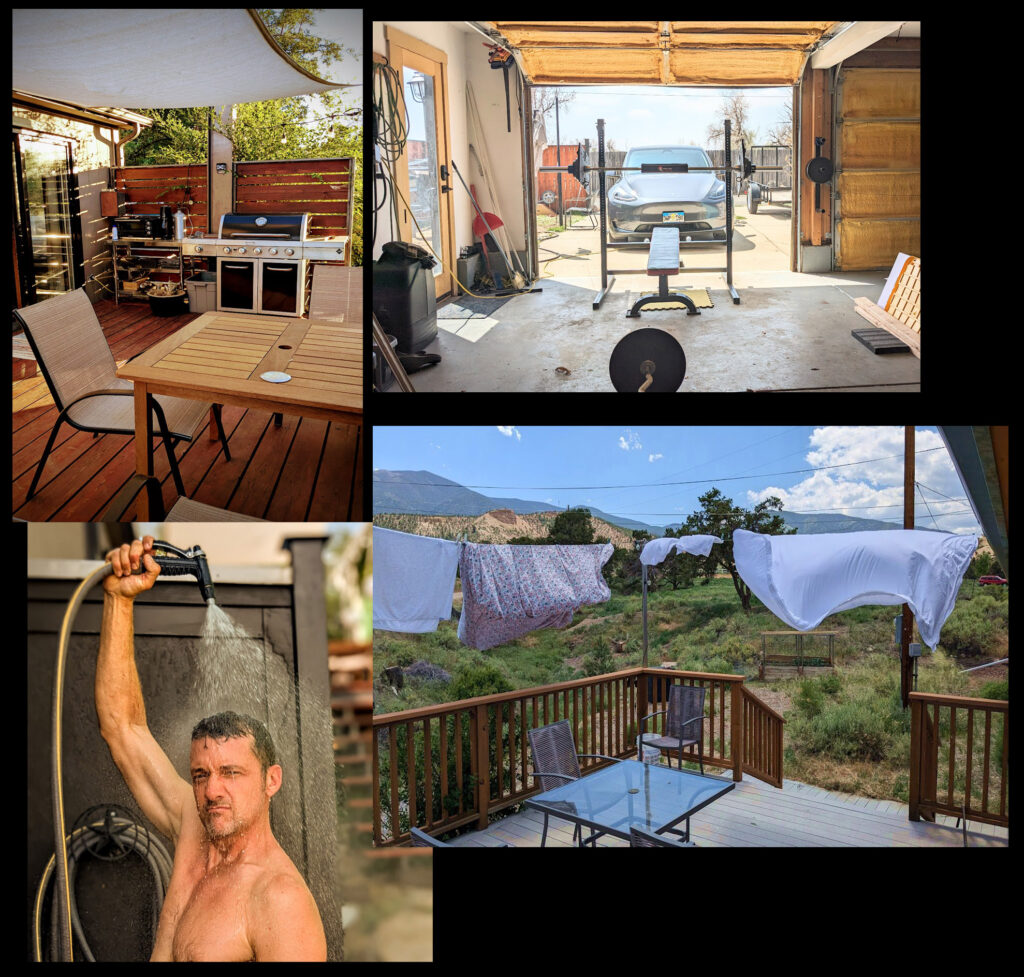
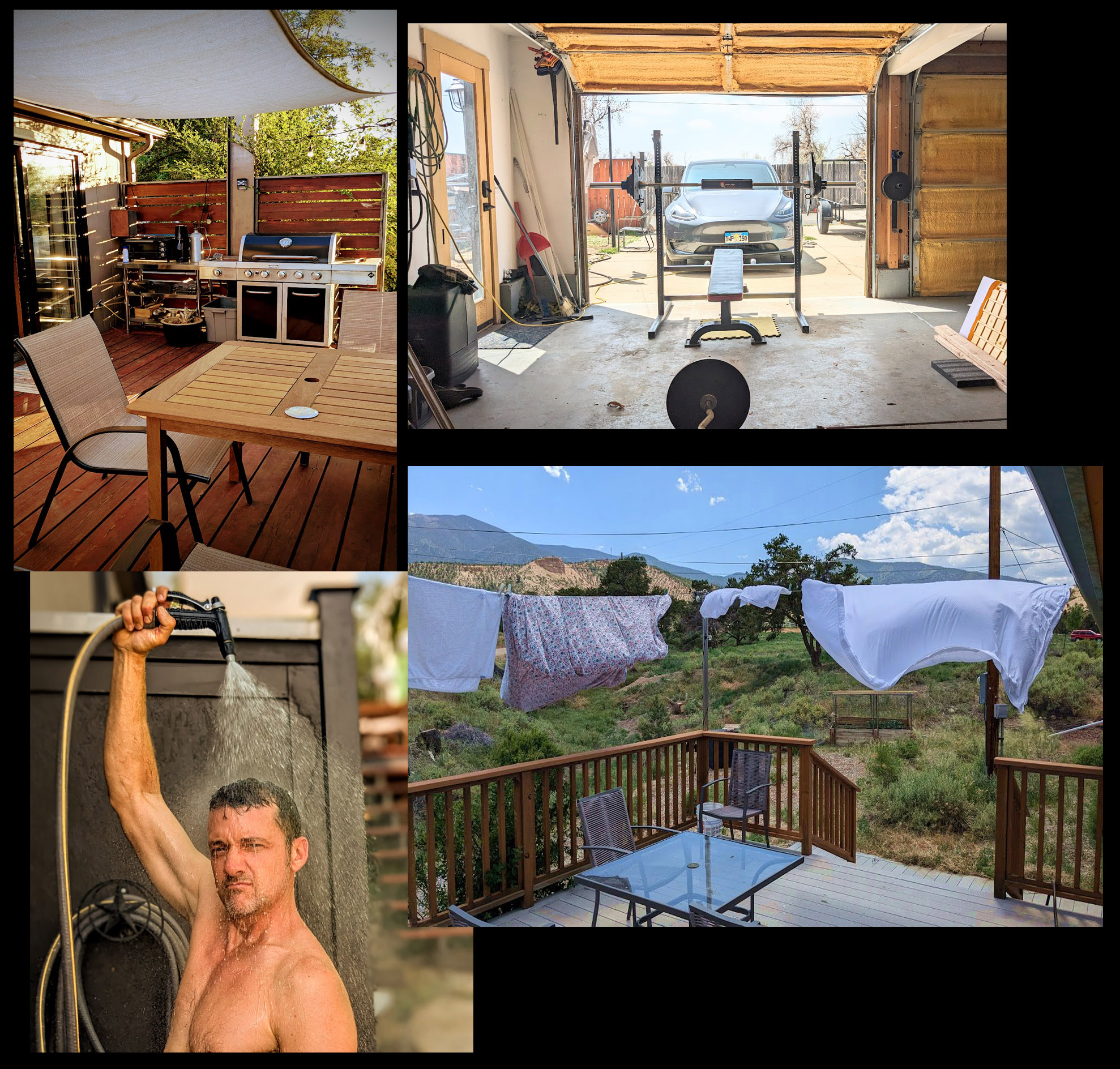
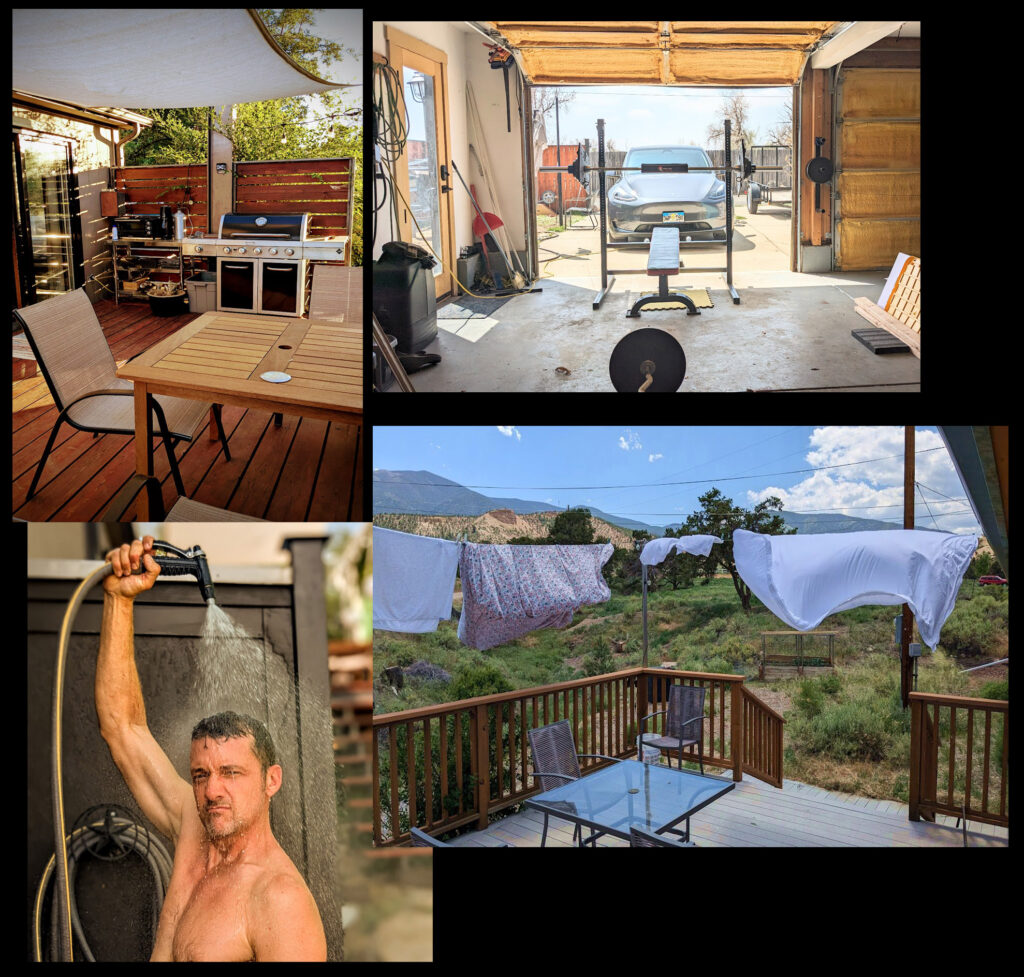
Adeney reveals a blend of engineering, carpentry, artistic, and scientific inclinations in his approach to home living. He actively experiments with and implements energy-saving improvements, turning his home into what he calls an "Energy Efficiency Playground." Examples include installing passive solar features like large south-facing windows and sliding doors for free winter heat, and embracing seasonal living. This includes practices such as:
-
Line drying laundry
-
Using natural ventilation instead of air conditioning
-
Maximizing natural light to reduce electricity use
-
Outdoor cooking and dining in warmer months
-
Taking cooler showers in summer
-
Minimizing reliance on energy-intensive appliances
-
Utilizing efficient lighting solutions
-
Composting organic waste
-
Harvesting rainwater for garden use
-
MMM’s Stated Savings: Approximately $30,000 per decade.
-
Enrichment and Analysis: The average American household spends around $2,000 annually on energy bills. Adeney’s claim of spending only $75 per month ($900 annually) compared to his area’s average of $250 per month ($3,000 annually) represents a significant reduction. Passive house design principles, which prioritize insulation, airtightness, and solar orientation, are proven methods for drastically cutting energy consumption. Beyond the financial savings, these practices contribute to environmental sustainability by reducing carbon footprints. The "glamping retreat" concept also highlights a lifestyle choice that values connection with nature and the seasons, potentially leading to increased well-being and a reduced desire for external, often costly, forms of entertainment. This intentional approach to home management fosters self-reliance and environmental stewardship.
6. Local Living: The Value of Home and Community
Adeney observes a pervasive trend of constant travel among his peers, often leading to missed local events and a desire for more time at home. He advocates for a more balanced approach, encouraging people to say "no thanks" to excessive travel and "yes please" to local engagement. He highlights numerous benefits of savoring home life and local community:
-
Reduced stress from travel logistics

-
More time for personal projects and hobbies
-
Deeper connection with local friends and family
-
Engagement in local events and community activities
-
Better sleep and overall physical health
-
Reduced environmental impact from travel
-
Cultivating a richer, more fulfilling home environment
-
MMM’s Stated Savings: An estimated $5,000 per year in direct travel costs and an additional $5,000 per year in incidental benefits (health, local friendships), totaling $143,000 per decade.
-
Enrichment and Analysis: Family travel, especially international or theme park vacations, can easily cost thousands of dollars per trip. Replacing even a couple of these trips with "staycations" or local adventures can result in substantial savings. Beyond the financial aspect, excessive travel can lead to fatigue, stress, and a feeling of disconnect from one’s immediate surroundings. Psychological research increasingly points to the benefits of strong local community ties for mental health and overall happiness. By investing time and energy into local relationships and activities, individuals build a robust support network and derive fulfillment from their everyday environment, reducing the perceived need for constant escape. While acknowledging the enriching aspects of discerning travel, Adeney’s point emphasizes the often-underestimated value and cost-effectiveness of local living.
Cumulative Impact: A Half-Million Dollar Decade
Collectively, these six habits, as detailed by Mr. Money Mustache, amount to an astounding total of $656,000 in wealth accumulation over a single decade. This figure, Adeney notes, more than doubles the median wealth held by most American seniors entering retirement, often after over 40 years of work. He asserts that a significant portion of his own recent wealth increases are directly attributable to these consistent practices, demonstrating their sustained power both before and after achieving financial independence.
The "rule of 172," which he uses for these calculations, is a simplified approximation for compounding returns over a decade (roughly 10 years at a ~4.5% annual return, or a slightly shorter period at a higher return, reflecting the power of continuous investment of savings). This method highlights the long-term impact of even seemingly small monthly savings when consistently invested.
Beyond the Money: The Philosophy of Frugal Indulgence

Crucially, Adeney emphasizes that these are not grim sacrifices but "frugal indulgences" — activities he genuinely enjoys. His continued practice of these habits, even with substantial wealth, demonstrates that Mustachianism is less about deprivation and more about finding joy and fulfillment in efficiency, creativity, and self-reliance. He posits that humans are naturally curious and problem-solving creatures, suggesting that "frugality-just-for-fun" is a more widespread phenomenon than often recognized. This perspective challenges the conventional narrative that wealth automatically leads to increased consumption and luxury.
Implications for Personal Finance and Societal Norms
Mr. Money Mustache’s defense of his enduring frugal lifestyle carries significant implications for both individual financial planning and broader societal norms. His argument suggests that:
- Sustainable Wealth Building: Financial independence is not a finish line for frugality but an enabling condition for its continued, enjoyable practice. The skills and mindset developed to achieve FIRE remain valuable for maintaining and growing wealth.
- Challenging Consumerism: The article serves as a powerful counter-narrative to rampant consumerism, demonstrating that a high quality of life does not necessitate endless spending. Instead, it can be found in skill development, community engagement, and mindful living.
- Holistic Well-being: The benefits of these practices extend far beyond monetary savings, encompassing improved physical health, mental clarity, stronger community ties, and a reduced environmental footprint. This positions frugality as a pathway to a richer, more fulfilling life in multiple dimensions.
- Empowerment Through Skill: The emphasis on DIY and self-sufficiency promotes personal agency and reduces reliance on external services, fostering a more resilient individual and society.
In an economic climate where many grapple with rising costs and financial insecurity, Adeney’s consistent message, reinforced by his personal example, offers a compelling alternative. It suggests that by simply tweaking one’s lifestyle to be "slightly less ridiculous and more efficient than average," individuals can unlock significant financial freedom and cultivate a genuinely enjoyable existence, regardless of their net worth. His latest article serves as a potent reminder that the principles of Mustachianism are not just for those starting their financial journey, but for anyone seeking a life rich in experience, health, and independence.