
By Joe Casey
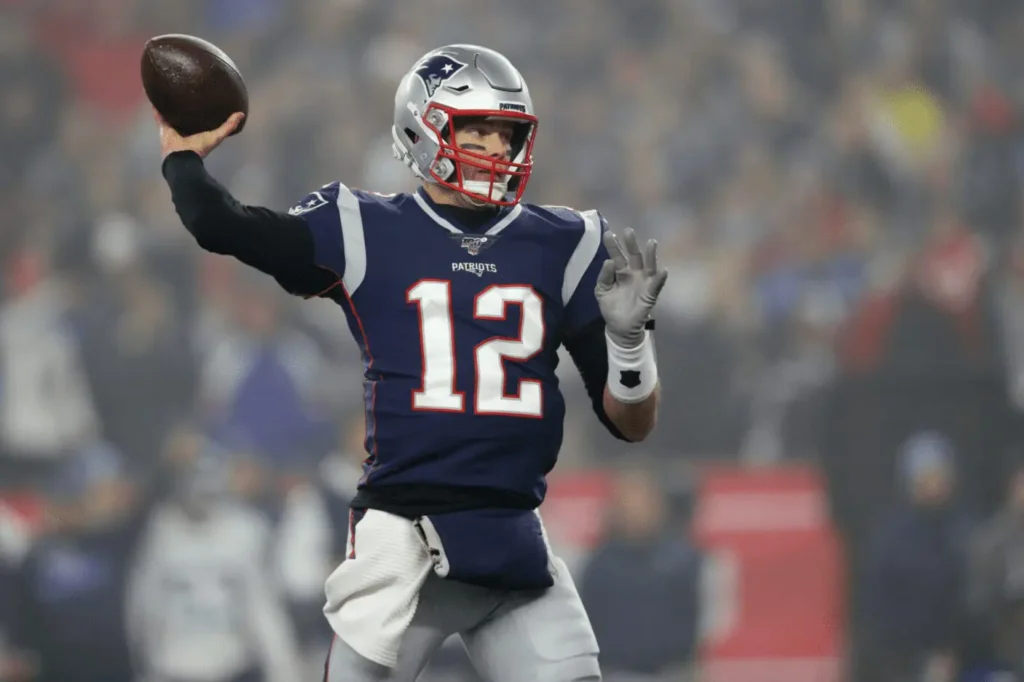
Tom Brady’s decision to retire from the National Football League, announced on February 1, 2023, reverberated through the sports world and beyond, prompting reflection on the career of arguably the greatest quarterback in NFL history. While his immense wealth, unparalleled professional achievements, and celebrated personal life might seem distant from the realities of most individuals, a closer examination of his retirement process reveals universal principles applicable to career transitions and life planning. This analysis delves into the strategic and philosophical underpinnings of Brady’s departure, offering actionable insights for those contemplating their own professional finales.
The Art of Knowing When to Step Away
Brady’s stated ambition to play until age 45, and potentially beyond, underscored his commitment to his craft. However, his eventual retirement, occurring one year shy of that personal benchmark, highlights a critical, often overlooked, aspect of career longevity: the ability to recognize and act upon the optimal moment for departure. This is not merely about reaching a predetermined date, but about a nuanced self-assessment of readiness and desire.
In the professional sphere, as in professional sports, external pressures and internal motivations can obscure the ideal exit point. Brady’s decision, while perhaps not meeting his initial target, demonstrated an acute awareness of his current capacity and the evolving landscape of his career. For individuals outside the realm of elite athletics, this translates to a continuous, introspective evaluation of job satisfaction, physical and mental well-being, and the pursuit of new horizons.
The reality for a significant portion of the workforce is that retirement is not always a planned transition. Data from the U.S. Bureau of Labor Statistics indicates that a substantial percentage of individuals face involuntary retirement due to factors such as economic downturns, industry shifts, or health issues. This underscores the importance of proactive financial and career planning, but also emphasizes the wisdom in developing the internal compass to recognize when a voluntary departure, even if earlier than anticipated, is the most advantageous course of action. Brady’s choice serves as a reminder that embracing an earlier-than-expected exit, when it feels right, can be a strategic move, preserving one’s legacy and mental fortitude.
The Pursuit of a Glorious Exit
A recurring theme in discussions surrounding Brady’s career has been his consistent performance at the highest level, even in his later years. In his final NFL season, he led the league in passing yards and was a strong contender for the Most Valuable Player award. This sustained excellence allowed him to frame his retirement not as an inevitable decline, but as a conscious decision made from a position of strength.
This is a stark contrast to the phenomenon of “hanging on” – a pattern observed not only in professional sports but also in various business sectors. When individuals remain in their roles beyond their peak performance, their contributions may diminish, potentially impacting their reputation and the overall effectiveness of their teams. Brady’s approach, articulated over years as a desire to play only while he remained exceptionally good, exemplifies a commitment to retiring on his own terms, at the zenith of his capabilities.
For professionals in any field, the question becomes: “Will I have the courage and foresight to walk away when I am still highly valued and contributing significantly?” This requires an objective assessment of one’s own performance and marketability, and a willingness to prioritize a dignified and impactful conclusion over prolonged, potentially less effective, tenure. The ability to leave a lasting positive impression, rather than fading into obscurity, is a testament to strategic career management and self-awareness.
Strategizing the Post-Career Landscape
Brady’s professional trajectory offers a compelling case study in strategic long-term planning. Long before his retirement from the NFL became imminent, he actively cultivated a portfolio of ventures outside of professional football. The establishment of a health and fitness company, a clothing line, and a production company during his playing career demonstrates a deliberate effort to build a foundation for his life beyond the gridiron.
This proactive approach is invaluable for individuals contemplating their own transitions from full-time employment. The period while still engaged in a primary career offers a unique opportunity to explore and develop future interests without the immediate pressure of financial necessity. Whether these aspirations involve part-time work, volunteer engagement, consulting, creative pursuits like writing, or extensive travel, the principle remains the same: envisioning and preparing for the next chapter in advance.
Such preparation involves research into potential avenues, understanding the practical realities and required skill sets, and engaging with individuals who have successfully navigated similar transitions. For instance, initiating conversations with retired professionals whose post-career activities align with one’s own envisioned path can provide invaluable insights and mitigate potential pitfalls. These engagements, even as simple as monthly lunches or coffees, can demystify the process and offer a realistic perspective on what it takes to thrive in a post-career phase. Brady’s foresight in diversifying his interests suggests a comprehensive understanding that career success is not solely defined by on-field performance, but also by the ability to build a fulfilling and sustainable life beyond the primary professional arena.
The Indispensable Role of Family Considerations
The decision to retire from a demanding career like that of an NFL quarterback is rarely made in isolation. Family considerations are frequently cited as a significant factor, and Tom Brady’s retirement is widely believed to have been influenced by these dynamics. This aspect of his decision resonates deeply with a broad demographic, as career choices invariably impact spouses, partners, and children.
A critical, yet often neglected, element of retirement planning for couples is open and honest communication. A survey conducted by Fidelity Investments involving 1,600 individuals revealed a significant disconnect: 57% of respondents reported being incorrect about when their significant other planned to retire. This statistic underscores the pervasive tendency for couples to avoid in-depth discussions about their retirement timelines and expectations.
Effective retirement planning necessitates a series of dedicated conversations, fostering an environment where both partners feel heard and understood. It requires moving beyond assumptions and actively seeking to comprehend each other’s desires, concerns, and visions for the future. This collaborative approach ensures that retirement is not solely an individual pursuit but a shared journey, aligned with the collective well-being and aspirations of the family unit. Brady’s presumed prioritization of family aligns with a growing societal understanding of the interconnectedness of professional pursuits and personal relationships.
Navigating Transitions with Grace and Maturity
The manner in which individuals depart from their professional roles can significantly shape their ongoing relationships and future opportunities. Tom Brady faced criticism for the perceived omission of the New England Patriots, his long-time team, from his initial retirement announcement. While such critiques are often fueled by fan sentiment and media narratives, the underlying principle of departing with grace is paramount.
Choosing to remain above the fray and avoid unnecessary conflict or public airing of grievances is a sign of professional maturity. Burning bridges during a departure can have long-term detrimental consequences, hindering future collaborations, networking opportunities, and even potential re-entry into the professional sphere. The temptation to engage in petty, spiteful, or vindictive behavior upon exiting a role can be strong, but it is rarely beneficial.
Anecdotal evidence supports this assertion. An example of a former employee who, after being terminated, sent a widely circulated "scorched earth" resignation letter to his subsequent employer, detailing his grievances against multiple colleagues and superiors, serves as a cautionary tale. Such actions, while perhaps offering temporary catharsis, ultimately undermined his professional reputation and future prospects. Brady’s approach, despite the initial criticism, can be seen as an attempt to maintain a degree of control over his narrative and avoid gratuitous conflict, a strategy that serves well in the long run.
The Open Door: Understanding the Phenomenon of Unretirement
The concept of retirement is often perceived as a definitive end to one’s working life. However, contemporary trends suggest a more fluid reality. Studies conducted prior to the COVID-19 pandemic indicated that a significant percentage of retirees, particularly in the United States and the United Kingdom, chose to re-enter the workforce within five years of their initial retirement. Notably, financial necessity was not always the primary driver for these decisions.
Many individuals found that the sense of purpose and social connection derived from work were deeply missed. Others returned to maintain cognitive engagement and a sense of routine. This phenomenon of "unretirement" highlights the multifaceted nature of work and its role in individual identity and well-being.
In Tom Brady’s case, speculation has already emerged regarding a potential return to the NFL, drawing parallels to the career trajectory of Brett Favre. Such possibilities, however remote, underscore the notion that retirement, for some, may not be a permanent closure but a temporary hiatus. The ability to remain open to future opportunities, without making definitive pronouncements of finality, can be a wise strategy, allowing for adaptation to evolving personal circumstances and evolving professional landscapes. The NFL’s dynamic nature, coupled with Brady’s enduring passion for the game, leaves the door ajar for such eventualities, demonstrating that the definition of "retirement" itself can be subject to reinterpretation.
Which of these lessons can you apply to your retirement planning?
Joe Casey is an executive coach specializing in guiding individuals through career transitions and designing fulfilling post-career lives. He is the host of The Retirement Wisdom Podcast, recognized globally for its popularity, and the author of the forthcoming book, Win the Retirement Game: Outsmart the 9 Forces Trying to Steal Your Joy.