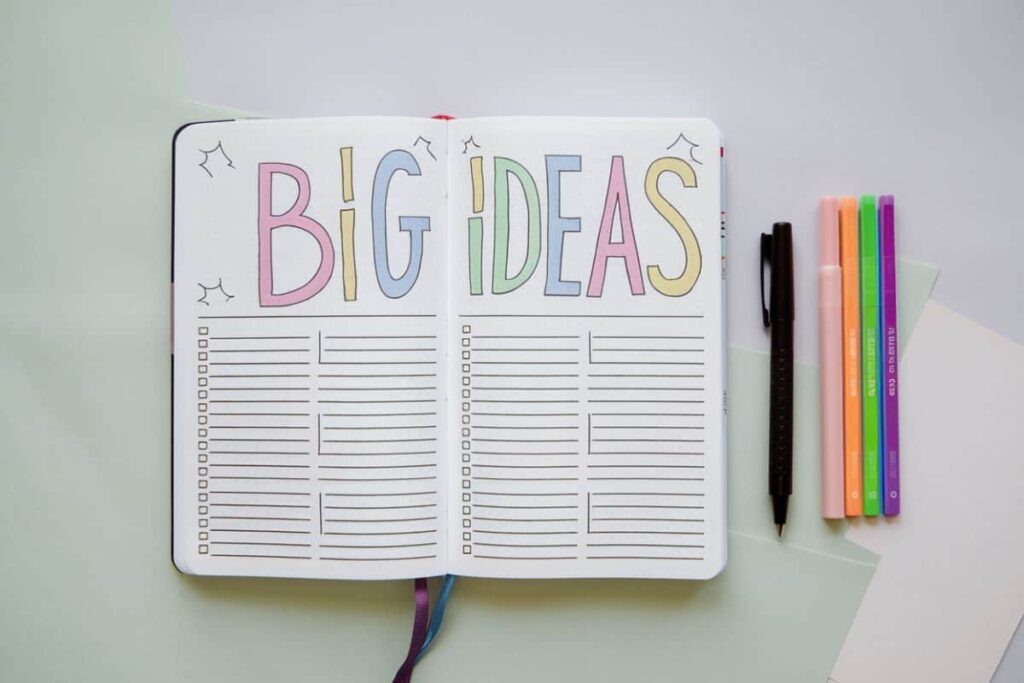

The burgeoning popularity of the bullet journal, or "BuJo," continues to transform how individuals approach organization, productivity, and personal reflection. While the system, pioneered by Ryder Carroll, offers unparalleled flexibility, the sheer volume of potential spreads and layouts can indeed be overwhelming for newcomers and even seasoned journalers seeking fresh inspiration. The core principle remains: a bullet journal should serve the user, adapting to their unique needs and interests rather than dictating them. This approach emphasizes starting with fundamental elements and gradually incorporating personalized pages that resonate with individual goals, whether they lie in planning, enhancing productivity, fostering creativity, or driving personal growth. This comprehensive guide explores the foundational aspects of bullet journaling and offers a rich tapestry of 97 page ideas designed to ignite and sustain a fulfilling journaling journey.
Understanding the Bullet Journal System
At its heart, a bullet journal is a highly customizable analog system designed for tracking the past, organizing the present, and planning for the future. It’s a fusion of a to-do list, diary, sketchbook, and goal-setting planner, all contained within a single notebook. The system’s elegance lies in its simplicity, utilizing a method of rapid logging that employs bullet points and symbols to denote tasks, events, and notes. This framework allows for an adaptive structure, moving beyond the rigid confines of traditional pre-printed planners. Its adaptability makes it a potent tool for anyone looking to bring order to their lives, boost efficiency, and cultivate a deeper sense of self-awareness.
The genesis of the bullet journal system can be traced back to Ryder Carroll, a digital product designer. Frustrated by the disjointed nature of his own planning methods, Carroll developed a framework in the early 2000s that focused on intentionality and efficiency. He observed that many individuals, himself included, struggled with the overwhelming influx of information and tasks in modern life. His solution was a minimalist, modular system that could be tailored to individual needs. The key components, as outlined by Carroll, include an index, future log, monthly log, and daily log, all interconnected through a system of symbols (bullets) representing tasks, events, and notes. This method emphasizes "rapid logging," the act of quickly jotting down information in a structured way, allowing users to process and organize their thoughts and commitments with minimal friction. The system gained significant traction through online communities and word-of-mouth, evolving from a personal productivity tool into a global phenomenon that blends organization with creative expression.
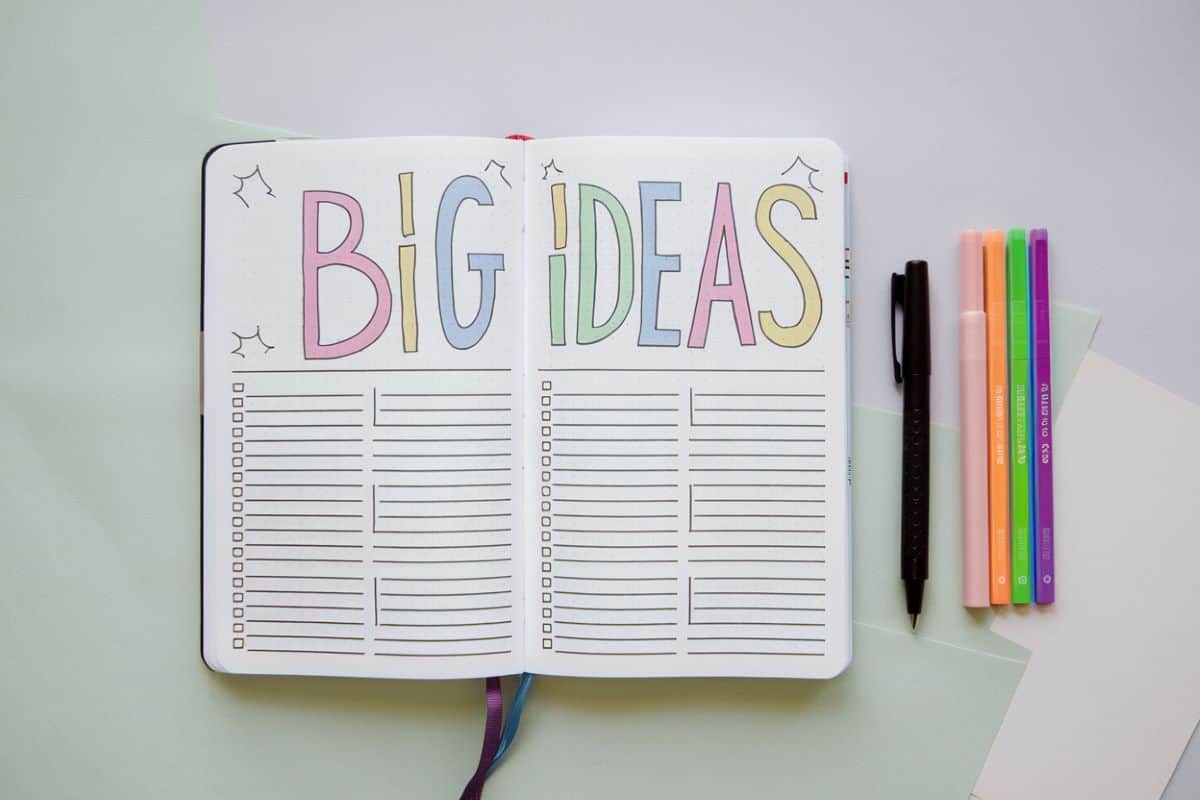
The Compelling Case for Bullet Journaling
The appeal of bullet journaling extends beyond mere organization; it offers a powerful antidote to the stresses of modern life. By providing a tangible space to capture thoughts, tasks, and aspirations, it fosters a sense of control and clarity. This process can significantly reduce anxiety by externalizing mental clutter and creating a clear roadmap for daily actions. Research in psychology consistently highlights the benefits of mindfulness and focused attention, both of which are naturally cultivated through the deliberate practice of journaling. A study published in the Journal of Personality and Social Psychology found that expressive writing, a component of journaling, can lead to improved well-being and reduced psychological distress. In essence, a bullet journal acts as a personal command center, enabling users to navigate their lives with greater intention, enhance productivity, and make tangible progress toward their personal and professional objectives.
Optimizing Your Bullet Journaling Experience: Essential Tips
To harness the full potential of a bullet journal, the advice is clear: prioritize functionality over perfection. Begin by selecting only a few key page layouts that directly address your immediate needs and interests. The beauty of the BuJo lies in its iterative nature; experimentation with designs should be an ongoing process, driven by discovery rather than obligation. A functional journal is a valuable asset, whereas a journal that prioritizes aesthetics over utility can become a source of frustration.
The foundational tools for bullet journaling are remarkably simple: a notebook and a pen. For those embarking on this journey, a dot-grid notebook is often recommended due to its ability to provide subtle structure without stifling creative layouts. The choice of notebook and pen can be influenced by budget, ranging from basic supplies to premium selections, but the essential feature is that the pages are either pre-numbered or can be easily numbered manually to facilitate navigation via an index. Similarly, the pen should offer a smooth writing experience and minimal ink bleed-through, ensuring readability and a pleasant tactile experience.
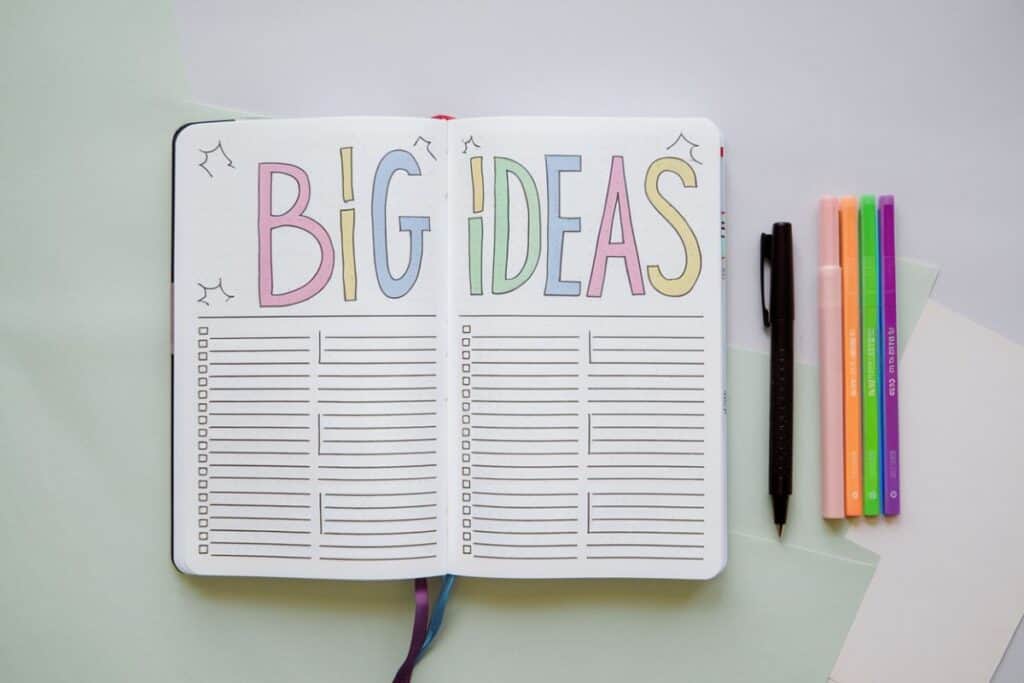
The core of any functional bullet journal lies in its basic layouts, which provide the essential framework for organization. These foundational pages are critical for establishing order and ensuring that the journal serves its primary purpose.
Essential Starter Layouts for Any Bullet Journal
- The Index: This is arguably the most crucial page, serving as a table of contents for your journal. As you create new spreads or collections, you’ll log their page numbers here, enabling quick retrieval of information. A well-maintained index transforms your notebook from a collection of pages into a searchable database of your life.
- Future Log: This spread typically covers six months to a year, allowing you to record future events, appointments, and deadlines that fall outside the current month. It acts as a forward-looking overview, preventing important dates from being overlooked.
- Monthly Log: This section provides a calendar view of the current month, alongside a task list for monthly objectives. It’s where you map out your month, noting important dates, appointments, and overarching goals.
- Daily Log (or Weekly Log): This is the workhorse of the bullet journal, where you rapidly log your daily tasks, events, and notes. Some users prefer a weekly spread, offering a broader view of their week at a glance. The key is to adapt this to your personal rhythm and planning style.
These fundamental pages form the backbone of any effective bullet journal, providing the structure necessary for organized thought and action.
Expanding Your Horizons: 97 Bullet Journal Ideas to Explore
Beyond the essential layouts, the true power of bullet journaling lies in its capacity for customization. The following categories offer a wealth of ideas to tailor your BuJo to specific aspects of your life, fostering growth, well-being, and efficiency.

Wellness and Self-Care Page Ideas
Cultivating personal well-being is paramount, and a bullet journal can be an invaluable tool for tracking and nurturing this crucial aspect of life. These pages encourage mindfulness, self-reflection, and proactive care.
- Mood Tracker: A visual representation of your emotional state over time, helping to identify patterns and triggers.
- Gratitude Log: A dedicated space to record things you are thankful for, fostering a positive mindset.
- Sleep Tracker: Monitoring sleep patterns can reveal insights into energy levels and overall health.
- Water Intake Tracker: Encouraging adequate hydration through a simple visual log.
- Exercise Log: Tracking physical activity can motivate consistency and provide a record of progress.
- Meal Planner: Planning meals in advance can save time, reduce stress, and promote healthier eating habits.
- Affirmation Spreads: Pages dedicated to positive self-talk and affirmations to boost confidence.
- Self-Care Checklist: A running list of self-care activities to engage in regularly.
- Dream Journal: Recording dreams can offer insights into the subconscious mind.
- Mindfulness Exercises: Space to jot down or practice mindfulness techniques.
- Meditation Tracker: Monitoring meditation sessions to build a consistent practice.
- Hydration Goal Tracker: Visualizing daily water consumption.
- Mental Health Check-in: Regular prompts for self-assessment of emotional well-being.
- Physical Health Goals: Specific targets for physical fitness and health.
- Self-Care Ideas Bank: A running list of activities that bring joy and rejuvenation.
Finance and Budgeting Pages
Financial literacy and responsible management are critical for long-term security. Bullet journals can demystify personal finances, making budgeting and tracking more accessible and less daunting.
- Monthly Budget Tracker: Detailed breakdown of income and expenses for the month.
- Savings Tracker: Monitoring progress towards savings goals.
- Debt Payoff Tracker: A visual representation of progress in eliminating debt.
- Expense Tracker: Categorizing daily or weekly expenditures to identify spending habits.
- Bill Payment Tracker: Ensuring all bills are paid on time to avoid late fees.
- Financial Goals: Setting and tracking short-term and long-term financial aspirations.
- Net Worth Tracker: Monitoring overall financial health over time.
- Investment Portfolio Tracker: A simple overview of investments and their performance.
- Wish List: A place to list desired purchases, encouraging mindful spending.
- Subscription Tracker: Keeping track of recurring subscription costs.
- No-Spend Challenge Tracker: A gamified approach to reducing unnecessary spending.
- Financial Wins: Celebrating milestones and successes in financial management.
- Income Tracker: Monitoring all sources of income.
- Emergency Fund Tracker: Building a safety net for unexpected expenses.
- Gift Budget Planner: Planning holiday or birthday gift expenses.
Personal Development Page Ideas
Growth is a continuous journey, and these pages are designed to support introspection, skill development, and personal evolution.

- Goal Setting Pages: Defining short-term, mid-term, and long-term goals.
- Habit Tracker: Monitoring the consistency of desired habits.
- Skill Development Tracker: Tracking progress in learning new skills.
- Book Reading List: A catalog of books to read and those already read, with notes.
- Course Tracker: Keeping track of online courses or educational pursuits.
- Personal Affirmations: Daily or weekly affirmations for self-empowerment.
- Journal Prompts: A collection of questions for deeper self-reflection.
- Learning Log: Recording insights and key takeaways from various learning experiences.
- Bucket List: A list of experiences and achievements to pursue in life.
- Personal Strengths Inventory: Identifying and acknowledging personal strengths.
- Areas for Improvement: A reflective space for identifying aspects to work on.
- Goal Review: Periodic assessments of progress towards set goals.
- Inspirational Quotes: A collection of quotes that motivate and inspire.
- Personal Growth Goals: Specific objectives related to personal development.
- Knowledge Tracker: Documenting new knowledge gained.
Creative Outlet Pages
Bullet journaling is not solely about organization; it can also be a vibrant canvas for creative expression. These pages encourage artistic exploration and imaginative pursuits.
- Doodle Pages: Unstructured space for freehand drawing and doodling.
- Art Challenges: Participating in or creating personal art challenges.
- Color Palette Swatches: Experimenting with and recording color combinations.
- Lettering Practice: Improving calligraphy and hand-lettering skills.
- Creative Prompts: Ideas and prompts to spark artistic creation.
- Inspiration Board: A visual collection of inspiring images, words, and ideas.
- Sketchbook Pages: Dedicated spreads for sketching observations or ideas.
- Creative Project Planner: Outlining steps and ideas for creative projects.
- Mood Board for Projects: Visualizing the aesthetic of a creative endeavor.
- Hand-Lettered Quotes: Practicing and displaying favorite quotes in artistic lettering.
- Collage Pages: Incorporating cutouts from magazines or printed images.
- Daily Doodle Challenge: A small drawing or doodle each day.
- Coloring Pages: Blank spaces designed for personal coloring.
- Artist Inspiration Log: Noteworthy artists and their work.
- Story Ideas: Jotting down plot points or character concepts.
Home and Organization Pages
Maintaining a well-organized living space can significantly reduce stress and improve daily efficiency. These pages help manage household tasks and create a more harmonious environment.
- Cleaning Schedule: A comprehensive plan for regular and deep cleaning.
- Decluttering Checklist: A systematic approach to organizing and decluttering spaces.
- Home Inventory: Cataloging possessions for insurance or organizational purposes.
- Repair Tracker: Logging home maintenance and repair tasks.
- Plant Care Tracker: Monitoring watering and care for indoor plants.
- Pantry Inventory: Keeping track of food supplies to reduce waste.
- Wardrobe Inventory: Cataloging clothing items to optimize wardrobe.
- Pet Care Schedule: Tracking feeding, grooming, and veterinary appointments for pets.
- Moving Checklist: A comprehensive list for planning a relocation.
- DIY Project Planner: Organizing materials and steps for home improvement projects.
- Gardening Planner: Tracking planting, watering, and harvesting schedules.
- Home Maintenance Log: Recording all upkeep and repairs performed.
- Emergency Preparedness Plan: Outlining steps for various emergency situations.
- Cleaning Supplies Inventory: Keeping track of household cleaning products.
- Organizational Goals: Setting specific targets for home organization.
Travel and Adventure Page Ideas
For those who love to explore, a bullet journal can serve as a chronicle of journeys, a planner for future expeditions, and a repository of travel memories.

- Travel Itinerary: Detailed plans for upcoming trips, including flights, accommodations, and activities.
- Packing List: Customizable lists for different types of travel.
- Travel Budget: Planning and tracking expenses for a trip.
- Places to Visit: A wish list of destinations and experiences.
- Travel Journal: Recording daily experiences, thoughts, and memories during a trip.
- Restaurant Recommendations: A log of memorable dining experiences.
- Souvenir Tracker: Listing purchased souvenirs and their significance.
- Trip Review: Reflecting on past trips to identify what worked well and what could be improved.
- Road Trip Planner: Detailed planning for car journeys.
- Adventure Bucket List: A list of adventurous activities to pursue.
- Language Learning Tracker: Monitoring progress in learning a new language for travel.
- Travel Photography Log: Noting details about photos taken during trips.
- Post-Trip Reflection: Summarizing key learnings and experiences from a journey.
- Travel Expenses Summary: A consolidated view of all travel-related costs.
- Dream Destinations Map: A visual representation of desired travel locations.
Relationships and Social Life Pages
Nurturing connections with others is fundamental to a fulfilling life. These pages help track social interactions, strengthen bonds, and foster meaningful relationships.
- Birthday Tracker: Remembering important dates for friends and family.
- Anniversary Tracker: Keeping track of significant relationship milestones.
- Gift Ideas List: Planning thoughtful gifts for loved ones.
- Social Event Planner: Organizing gatherings, parties, and social outings.
- Friendship Log: Jotting down memories and important details about friendships.
- Date Night Ideas: Planning special outings for romantic partners.
- Family Tree: A visual representation of family connections.
- Acts of Kindness Tracker: Recording positive actions towards others.
- Networking Log: Tracking professional contacts and interactions.
- Social Media Break Tracker: Encouraging mindful engagement with digital platforms.
- Conversation Starters: Ideas for engaging in meaningful dialogue.
- Relationship Goals: Setting intentions for personal relationships.
- Gratitude for Loved Ones: Expressing appreciation for people in your life.
- Event Planning Checklist: Steps for organizing social gatherings.
- Family Activity Planner: Scheduling quality time with family members.
Academic and Professional Pages
For students and professionals, a bullet journal can be an indispensable tool for managing coursework, projects, career goals, and professional development.
- Assignment Tracker: Keeping track of due dates and progress on academic assignments.
- Exam Schedule: Planning study time and tracking exam dates.
- Project Management Spread: Breaking down large projects into manageable tasks.
- Meeting Notes: Recording key decisions and action items from meetings.
- Career Goals: Defining and tracking professional aspirations.
- Skill Development Tracker: Monitoring progress in acquiring new professional skills.
- Professional Development Plan: Outlining steps for career advancement.
- Client/Project Tracker: Managing workload and client interactions.
- Networking Event Planner: Organizing participation in professional events.
- Resume/CV Update Log: Keeping track of revisions and achievements.
- Professional Development Hours Tracker: Monitoring progress towards certifications or training requirements.
- Work-Life Balance Tracker: Assessing and adjusting the balance between professional and personal life.
- Business Idea Incubator: Space for brainstorming and developing new business concepts.
- Key Performance Indicators (KPIs): Tracking metrics relevant to professional goals.
- Conference/Webinar Planner: Organizing attendance and notes from learning opportunities.
Miscellaneous and Fun Page Ideas
Beyond the practical, bullet journals can also be a space for whimsy, personal reflection, and pure enjoyment.

- Favorite Quotes Collection: A compilation of memorable and inspiring quotes.
- Movie/TV Show Watchlist: Tracking entertainment consumed.
- Music Playlist Tracker: Logging favorite songs and albums.
- Recipe Collection: A personal cookbook of favorite recipes.
- Funny Moments Log: Recording humorous anecdotes and memories.
- Wish List: A collection of desired items or experiences.
- Brain Dump: A freeform page to unload any thoughts or ideas.
- Daily Positives: Recording one positive thing each day.
- Quote of the Week/Month: A focused inspirational message.
- Favorite Things List: Compiling personal preferences in various categories.
- Future Self Letter: Writing a letter to your future self.
- Random Thoughts Log: Capturing fleeting ideas or observations.
- Personal Mantra: A phrase to live by.
- Dream Vacation Planner: Fantasizing and planning ideal getaways.
- Word of the Day/Week: Exploring new vocabulary.
Planning and Scheduling Page Ideas
These layouts are designed to optimize time management, productivity, and goal achievement, providing a clear framework for organizing daily, weekly, and monthly activities.
- Time Blocking Schedule: Allocating specific blocks of time for different tasks.
- Weekly Spread: A comprehensive overview of the week’s tasks, appointments, and goals.
- Daily Schedule: Detailed planning of a single day’s activities.
- Priority Matrix (Eisenhower Matrix): Categorizing tasks based on urgency and importance.
- Pomodoro Tracker: Monitoring work and break intervals for focused productivity.
- Task Manager: A detailed list of tasks with deadlines and status updates.
- Goal Decomposition: Breaking down large goals into smaller, actionable steps.
- Monthly Goals Overview: A high-level view of monthly objectives.
- Event Planner: Detailed planning for specific events, from parties to conferences.
- Project Timeline: Visualizing the duration and milestones of a project.
- Time Audit: Analyzing how time is spent to identify areas for improvement.
- Prioritization List: A simple method for ranking tasks.
- Delegation Tracker: Keeping track of tasks assigned to others.
- Weekly Review: Reflecting on the past week to assess productivity and plan for the next.
- Future Project Planner: Outlining upcoming projects and their initial stages.
The Bullet Journal Conclusion: A Tool for Intentional Living
The bullet journal stands as a testament to the power of analog systems in a digital age. It is more than just a notebook; it is a dynamic tool that facilitates organization, sparks creativity, and fosters profound personal growth. The key to unlocking its potential lies in embracing simplicity and customization. By starting with foundational layouts and gradually integrating pages that resonate with individual needs and aspirations, users can craft a system that is both functional and inspiring. The journey of bullet journaling is one of continuous exploration and adaptation. With an ever-expanding universe of possibilities, your bullet journal can evolve into the ultimate personalized system for staying inspired, productive, and in command of your life.