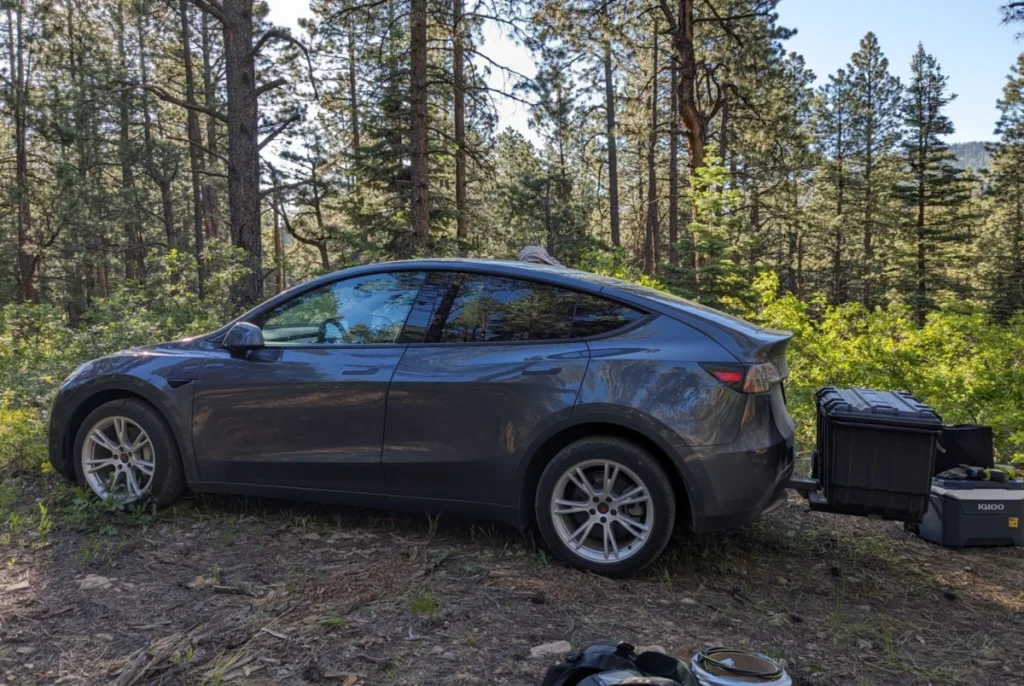

Peter Adeney, widely known as Mr. Money Mustache, a prominent figure in the financial independence and early retirement (FIRE) movement, recently announced the acquisition of a 2023 Tesla Model Y. This purchase, a significant departure from his long-held principles of extreme frugality and aversion to car culture, has ignited discussions within his dedicated readership and the broader financial community regarding the evolving definition of responsible spending post-retirement. The luxury crossover, described by Adeney himself as "loaded to the gills with excess," represents a considerable investment, with a net cost of approximately $52,000 after taxes and federal tax credits. This figure stands in stark contrast to the $4,500 he paid for his previous vehicle, a Honda van, which served him diligently for twelve years.
Background: A Champion of Austerity
For nearly two decades, Peter Adeney has cultivated a formidable reputation as an evangelist for radical frugality, championing a lifestyle designed to achieve financial independence at an unusually young age. His blog, MrMoneyMustache.com, launched in 2011, quickly became a cornerstone of the FIRE movement, advocating for aggressive savings rates, minimalist consumption, and a critical stance against consumerism, particularly car ownership. Adeney’s core philosophy posited that most individuals overuse and overspend on cars, viewing them as depreciating assets that drain wealth and contribute to environmental degradation. His personal example, driving an aging Honda van and previously a Nissan Leaf for local errands, reinforced his message that expensive vehicles were largely unnecessary for a fulfilling life. This history makes the Tesla Model Y purchase a notable pivot, prompting both intrigue and introspection among his followers.
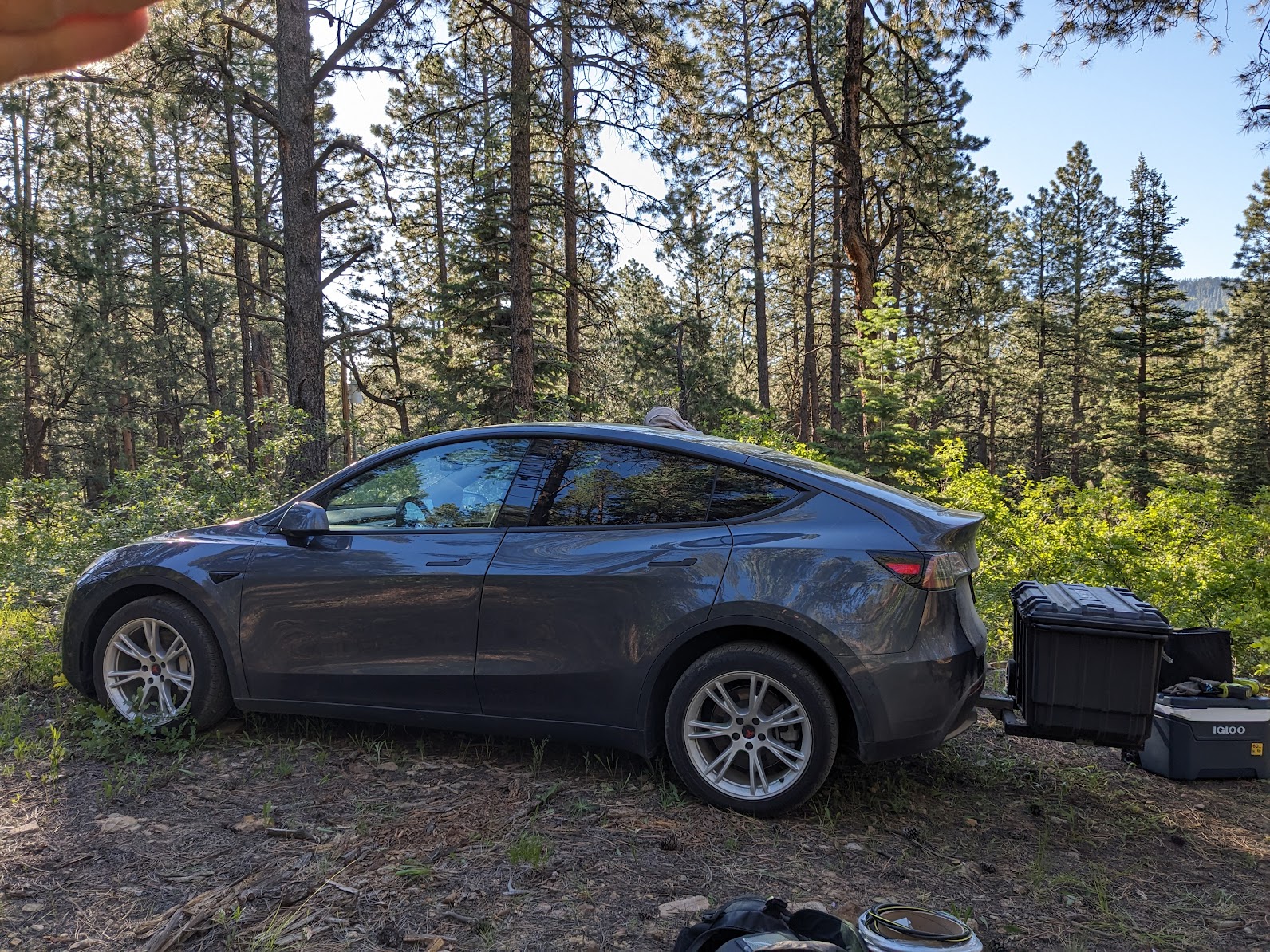
The End of an Era: Retiring the Trusty Van
The decision to acquire a new, high-value vehicle was not made lightly. Adeney’s Honda van, affectionately dubbed "Vanna," had been a stalwart companion for over a decade, facilitating cross-country adventures, camping trips, and numerous home improvement projects within his community. Purchased used from Craigslist, the van embodied his practical, cost-effective approach to transportation. However, after 23 years of service (since its manufacture in 1999), Vanna began exhibiting signs of irreversible decline, culminating in a "hot and smelly transmission failure" on a mountain pass. This mechanical breakdown, while inconvenient, served as the ultimate catalyst, pushing Adeney to finally replace a vehicle he had deliberately procrastinated upgrading for years, despite consistent encouragement from friends and online community members.
The Tesla Model Y: A Deep Dive into Specifications and Cost
The 2023 Tesla Model Y selected by Adeney is a Long Range variant, boasting all-wheel drive, a 0-60 mph acceleration time faster than many sports cars (4.8 seconds for the Long Range), seating for up to seven passengers, and advanced computational capabilities that integrate navigation, entertainment, and autonomous driving features. The vehicle’s range is approximately 330 miles on a full charge, making it suitable for long-distance travel, a crucial factor given Adeney’s newfound desire for extended road trips.
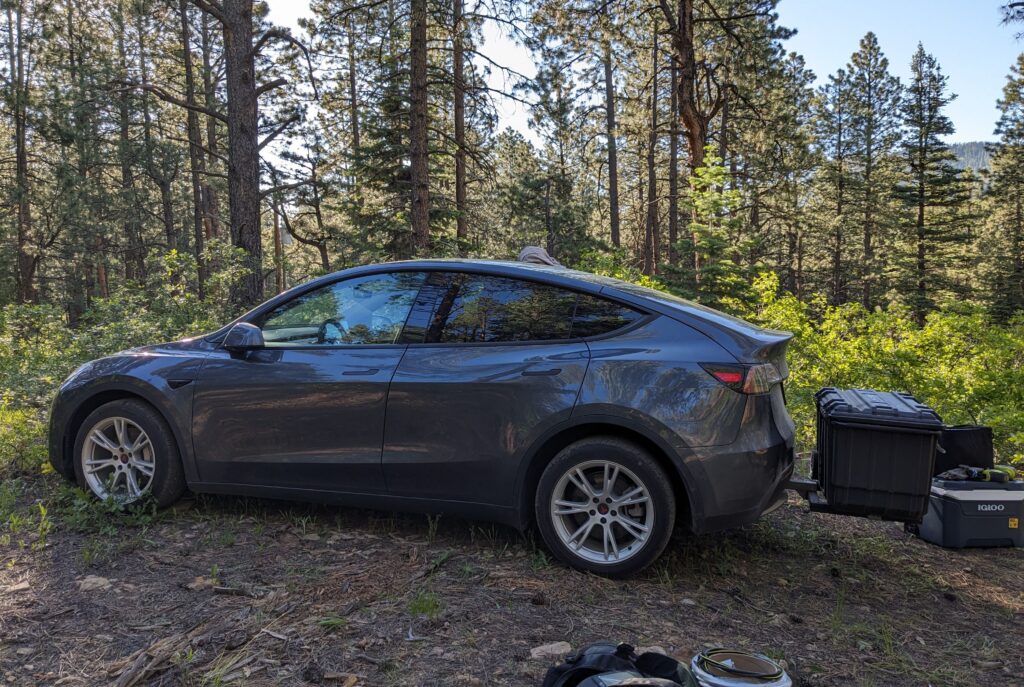
The financial breakdown of the purchase provides insight into the "stunning amount" Adeney refers to:
- Base Price: ~$54,000 (after Tesla’s 2023 price adjustments)
- All-Wheel Drive: Included in Long Range variant
- Seven-Seat Interior: $4,000
- Destination & Documentation Fee: $1,390
- Order Fee: $250
- Sales Tax (Colorado): ~$3,000
- Subtotal: ~$62,640
- Federal Tax Credit (IRA): -$7,500 (for qualifying EVs)
- Colorado State Tax Credit: -$5,000 (additional state incentive for EVs)
- Referral Program Discount: -$1,000 (if using a referral code)
- Net Cost: ~$49,140 – $52,000 (depending on exact configuration and final credits)
This net cost, while substantial, reflects the significant government incentives aimed at promoting electric vehicle adoption, which Adeney acknowledges played a role in making the purchase more palatable. The Model Y, positioned as a premium electric crossover, sits in a highly competitive market segment, with global sales consistently increasing as consumers shift towards EVs. Tesla’s market leadership in this space means the Model Y offers cutting-edge technology and a robust charging infrastructure, factors that contribute to its higher price point compared to traditional internal combustion engine vehicles.
The Philosophical Evolution: "What Got You Here, Won’t Get You Where You’re Going"
At the heart of Adeney’s decision lies a profound philosophical shift, encapsulated by the maxim, "What got you here, won’t get you where you’re going." For years, his rigorous discipline in saving and minimizing expenses was instrumental in achieving early retirement. However, once financial independence is secured, an unyielding adherence to extreme frugality can paradoxically detract from the enjoyment of one’s hard-earned freedom. Adeney illustrates this internal conflict with a relatable anecdote from a grocery store, where he grappled with the "eye-watering" price of $6.99 for a loaf of specialty bread. His initial reaction was to "boycott this bullshit," a common reflex among the hyper-frugal. Yet, he concluded that spending an extra $2.49 would have no material impact on his substantial net worth, and that denying himself a desired item was an unnecessary self-deprivation.
This realization highlights a crucial psychological hurdle for many who achieve FIRE: transitioning from a scarcity mindset, essential for accumulation, to an abundance mindset, necessary for enjoying wealth. Adeney’s "Grocery Shopping With Your Middle Finger" mentality, once a tool for resisting consumerist pressures, had become a barrier to sensible, guilt-free spending on minor luxuries. His wealthy friend, also a self-made retiree, echoed this sentiment, admitting to similar struggles with seemingly trivial splurges, such as opting for an hour-long bus ride instead of a quick Uber to the airport, despite having a net worth "several times higher" than Adeney’s.
Strategies for Mindful Splurging in Early Retirement
To address this psychological disconnect, Adeney and his friend devised three principles designed to facilitate more joyful and less guilt-ridden spending in early retirement:
-
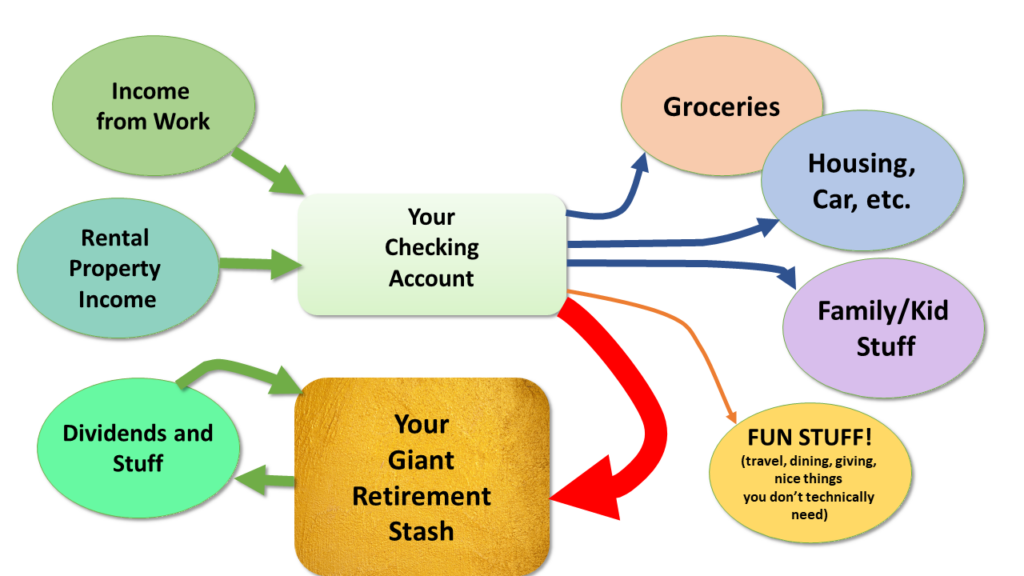
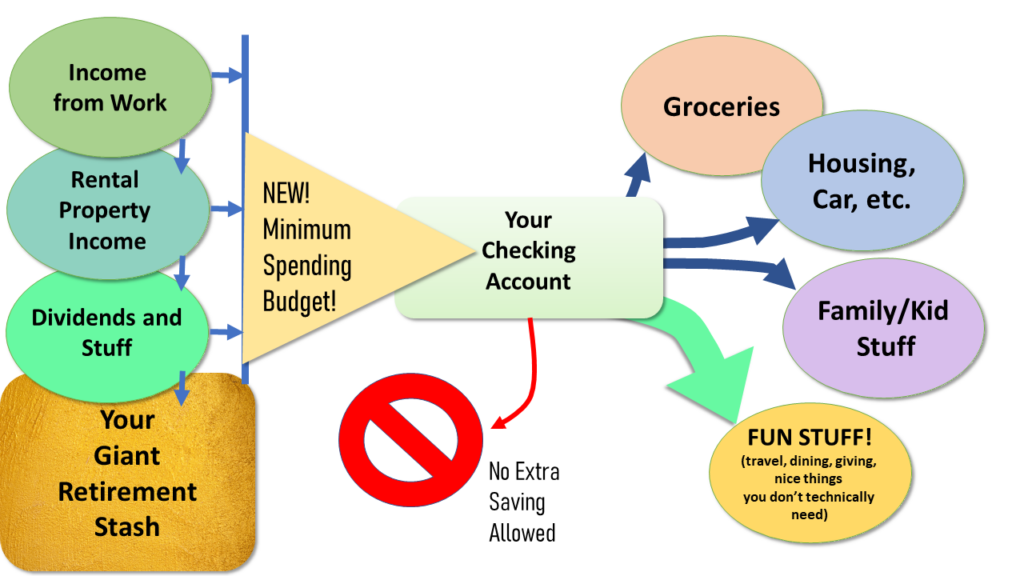
The Minimum Spending Budget: This principle encourages financially independent individuals to establish a baseline annual spending target that is comfortably within their safe withdrawal rate (e.g., using the 4% rule, or a more conservative 3% rule for greater longevity). For someone with a $2 million investment portfolio, even a 3% withdrawal rate yields $60,000 per year, far exceeding the typical spending of many FIRE adherents who continue to live on $40,000 or less. The idea is to acknowledge this financial capacity and proactively plan to spend at least this minimum, ensuring that wealth translates into an improved quality of life rather than remaining indefinitely stockpiled. This counteracts the instinct to "stash it away on top of the already-too-big pile," as Adeney describes it.
-
The Dedicated Money Wasting Account: Recognizing that ingrained habits are difficult to break, this strategy suggests creating a separate financial account specifically for "frivolous" spending. By metaphorically making this money "feel like somebody else’s," individuals can circumvent the mental friction associated with spending their "hard-earned" wealth. Just as one might spend freely on a business trip where the company covers the bill, a dedicated "fun money" account creates psychological distance, allowing for guilt-free enjoyment of non-essential purchases, from premium bread to a new electric vehicle. This approach leverages behavioral economics, specifically mental accounting, to reframe discretionary spending.
-
The Splurge Accountability Buddy: Many frugal individuals gravitate towards like-minded peers, inadvertently reinforcing their saving habits. The "Splurge Accountability Buddy" concept turns this dynamic on its head. By pairing with a trusted friend who shares similar financial independence goals but also struggles with conscious spending, individuals can challenge each other’s cheapness, celebrate "splurges," and encourage decisions that genuinely enhance well-being. Adeney cites examples: his wealthy friend is now more comfortable investing in quality home goods and trips, while Carl (Mr. 1500 Days), another FIRE blogger and co-owner of Adeney’s HQ, replaced his minivan with a Chevrolet Bolt EV. This mutual encouragement helps overcome individual psychological barriers.
Financial Implications of the Tesla and Broader Spending Experiment
Adeney estimates the Tesla Model Y will add approximately $10,000 per year to his transportation costs compared to his old van. This increase accounts for:
- Capital Cost: Depreciation and opportunity cost on the $50,000 investment.
- Insurance: Higher premiums for a new, luxury EV.
- Registration: Generally higher for newer, more expensive vehicles.
- Electricity: While cheaper than gasoline, still a recurring cost.
- Maintenance: Although EVs have fewer moving parts, they still require some upkeep.
- Tires: Can be more expensive for performance EVs.
Given his previous "spending deficit" (spending significantly less than his safe withdrawal rate), Adeney views this $10,000 annual increase as a "solid first step" in his experiment to spend more purposefully. Furthermore, he anticipates the new car’s reliability and capability will naturally lead to increased spending on experiences—camping trips, travel, dining out—which aligns with his goal of enhancing his quality of life and creating more joyful memories. The acquisition of a fixer-upper vacation rental compound in Salida, Colorado, described as a "Friends Mountain Resort," further underscores his renewed enthusiasm for travel and group activities, for which the Tesla is ideally suited.
Addressing Criticisms: Philanthropy and Conscious Consumption
Adeney proactively addresses potential criticisms, particularly the accusation of "privileged rich folk talk" or the suggestion that he should simply donate more to charity. He agrees that generous giving is important, revealing that he has personally donated over $500,000 to various causes during his blogging career. However, he argues that constantly comparing personal spending to charitable contributions can foster a counterproductive "scarcity mentality," where even modest personal expenses feel excessive.
He highlights the psychological trap: "Damn, I’m spending $100 on this dinner date which sounds like a lot, but I also spent ONE THOUSAND TIMES more on donations last year, which sounds like even more. Maybe I am spending too much and need to cut back on EVERYTHING!" This internal monologue, he contends, can lead to undue stress and fear about running out of money, even for those with substantial wealth.

Adeney advocates for a "happy medium": responsible stewardship of savings, generous charitable giving, and permission to engage in "frivolous spending" on oneself and loved ones. He provides examples: paying extra for a better airplane seat to reduce travel stress, buying more expensive frozen berries for convenience, or investing in a reliable electric vehicle for enhanced travel experiences. These aren’t about unchecked materialism but about strategically eliminating minor sources of "angst and stress" to improve overall well-being.
Broader Implications for the FIRE Movement and Consumer Trends
Mr. Money Mustache’s Tesla purchase and his accompanying philosophical essay are significant for several reasons:
- Evolution of FIRE Principles: It signals a maturation of the FIRE movement, acknowledging that extreme frugality, while powerful for accumulation, may not be sustainable or desirable indefinitely. It introduces the concept of "post-frugality" – a phase where conscious spending on value-aligned experiences and items becomes a valid strategy. This could inspire other financially independent individuals to re-evaluate their own spending habits.
- Psychology of Wealth: The article offers valuable insights into the psychological challenges of spending wealth after a lifetime of saving. It underscores that financial independence does not automatically confer the ability to enjoy money without guilt, and that behavioral strategies are often needed.
- Electric Vehicle Adoption: Adeney’s endorsement of the Tesla, a symbol of modern electric vehicle technology, could influence his tech-savvy and environmentally conscious audience. His "Model Y Experiment" tracker page promises ongoing data on EV ownership, contributing to real-world understanding of reliability, cost, and user experience.
- Rethinking "Luxury": For Adeney, the Tesla is not merely a status symbol but a tool to enhance life experiences—facilitating travel, reducing stress, and aligning with environmental values (zero emissions). This redefines "luxury" not as opulence for its own sake, but as a strategic investment in well-being and efficiency.
The acquisition of the Tesla Model Y marks a new chapter for Mr. Money Mustache, one where the pursuit of financial independence transitions into the art of conscious living and spending. It’s an ongoing "experiment" that promises to offer further insights into the complexities of wealth, happiness, and the evolving relationship between frugality and fulfillment in the modern age. As Adeney embarks on "gracefully" navigating mountain passes in his new electric vehicle, he leaves behind not just the "wheezing and gear shifting" of his old van, but also perhaps, some of the rigid strictures that once defined his path.