
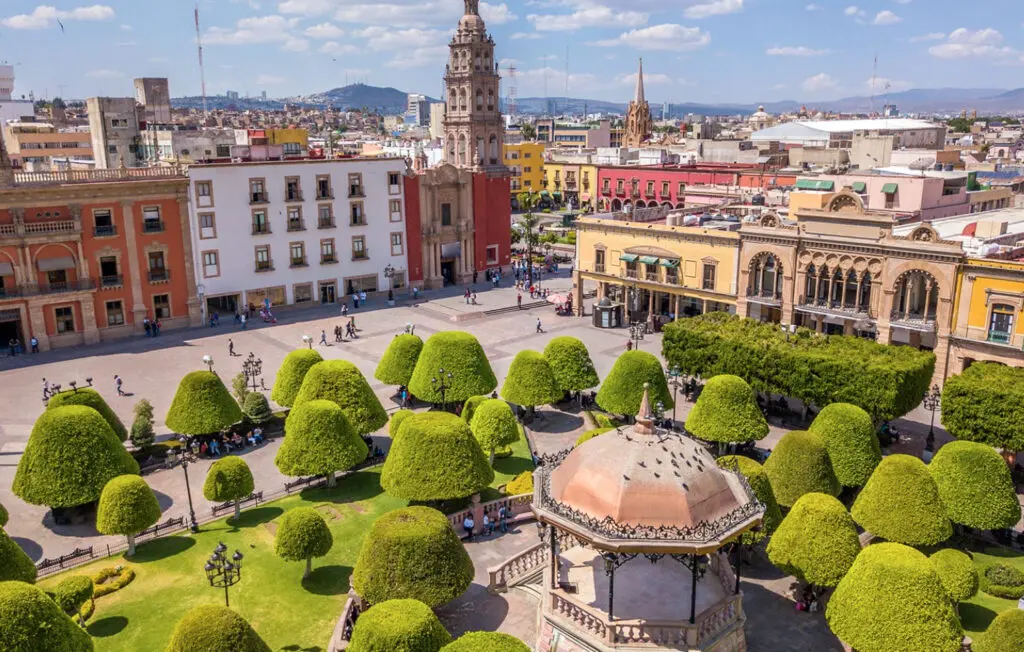

The allure of retirement in a foreign land is a growing trend, drawing Americans away from familiar shores in pursuit of new experiences, affordability, and a different pace of life. Anne Nicolai, a writer and entrepreneur, embarked on this transformative journey in 2008, trading her corporate career and Minnesota residence for a vibrant life as a freelance writer and karaoke host in San Miguel de Allende, Mexico. Her decade-plus experience offers invaluable insights for those contemplating a similar expatriate retirement.
Embracing the Unknown: Personal Growth and Resilience
Nicolai’s primary revelation is the profound personal growth that accompanies expatriation. "You are capable of more than you give yourself credit for," she asserts. The initial challenges of navigating a new culture, including language barriers and unfamiliar financial systems, gradually forge a stronger, more adaptable individual.
"When I first moved to Mexico," Nicolai recounts, "I stumbled over the few Spanish phrases I knew, struggled to convert pesos to dollars in my head and wistfully watched the spinning salsa dancers, wishing I had rhythm. Fourteen years later, I’m a 60-year-old bilingual karaoke host who can hold my own on the dance floor. I no longer do math in my head because I now earn, spend and think in pesos, not dollars."
This sentiment is echoed by a growing body of research on the benefits of lifelong learning and cognitive flexibility. Studies published in journals like Psychology and Aging suggest that engaging in novel and complex activities, such as learning a new language or adapting to a new environment, can enhance executive functions and delay cognitive decline. Nicolai’s experience highlights this, as she successfully navigated complex bureaucratic processes, including obtaining and renewing temporary and permanent residency visas – a process that often involves multiple visits to government offices and meticulous documentation.
Furthermore, her self-reliance was tested and proven during numerous solo road trips between San Miguel de Allende and Minneapolis, a journey spanning thousands of miles and requiring problem-solving skills to overcome unexpected challenges like getting lost or encountering corrupt officials. These experiences, while stressful at the time, ultimately expanded her comfort zone and instilled a deep sense of accomplishment.
The Importance of Community and Safety in a New Environment
Relocating to a foreign country necessitates a heightened awareness of personal safety and security. Nicolai emphasizes the importance of "safety in numbers" and understanding local customs and precautions.
"Moving to another country requires taking safety and security precautions beyond what you may be used to," she explains. "Here in Mexico, everyone has decorative ironwork over their windows and doors to prevent break-ins, and many garden walls are topped with broken glass embedded in the mortar, or even razor wire to discourage thieves. You cannot leave a cell phone or laptop in the car, even for a moment, or it will almost certainly be stolen. And you wouldn’t want to walk home from a concert alone after dark except on well-lit streets."
However, Nicolai points out that a substantial expat community can significantly mitigate these concerns. In San Miguel de Allende, for instance, a well-established expat network provides resources and support. "If you move to a place with a sizeable expat community, whether in Mexico, China, Nigeria, India or Ecuador, there will be some kind of security infrastructure in place," she notes. "For example, here in San Miguel, English-speaking officers answer 911 calls, and there’s a 24-hour emergency hotline to the American consular agency."
The presence of a visible expat community also fosters greater integration with the local population, many of whom have become accustomed to interacting with foreigners and often speak English. This can lead to a more comfortable and secure living environment, whether one chooses to reside in a mixed neighborhood, a gated expat community, or an entirely Spanish-speaking area, as Nicolai does. Her personal approach to safety underscores the value of strong neighborly relationships: "For me, safety involves knowing my neighbors well enough to feel comfortable knocking on their doors if I’m in trouble, knowing they’ll take me in." This highlights the reciprocal nature of community building, where mutual trust and support are paramount.
Technology as a Bridge to Connection and Information
In an increasingly interconnected world, technology plays a pivotal role in maintaining relationships and accessing vital information, regardless of geographical distance. Nicolai highlights how advancements in communication and digital services have revolutionized the expat experience.
"No matter how far you roam in retirement, you’ll have the technology to stay in touch with loved ones back home," she states. "The majority of the world’s population has access to high-speed internet and affordable cell-phone service. Apps such as WhatsApp, Duo, Viber, Facetime and more offer free worldwide voice and video calling, so you can still celebrate birthdays and holidays with the grandchildren."
The implications of this digital connectivity are far-reaching. It allows for the continuation of important personal and professional relationships, combating the isolation that can sometimes accompany a move abroad. Furthermore, technology facilitates access to essential services, including healthcare. "You can visit with your doctor or therapist via virtual healthcare options," Nicolai adds. Financial management is also streamlined, with direct deposit options for Social Security checks available to many foreign banks, offering flexibility in managing finances in either dollars or local currency.
Beyond personal connections, technology serves as a vital tool for integrating into the new community. Expat forums and social media groups, such as those found on Facebook for San Miguel de Allende, become hubs for practical information. "Here in San Miguel, expat forums on Facebook and other platforms serve up all sorts of information, from garage sale listings to crime alerts, social events, and the best places to buy hard-to-find items," Nicolai explains. Navigational tools like Google Maps and Waze, when supported by reliable internet access, empower residents to explore their surroundings with confidence, locating shops, restaurants, and public transportation. This reliance on digital infrastructure underscores a broader global trend of increasing digital dependency for daily living and community engagement.
Cultural Immersion: A Catalyst for Personal Transformation
The decision to retire abroad is often driven by a desire for a different lifestyle and cultural experience. Nicolai sought this in Mexico, craving more sunshine, vibrant colors, ethnic diversity, and the intellectual stimulation of learning a new language. Her previous life in Minnesota was characterized by a "Type A" personality and a strong engagement with consumerism, a stark contrast to her current reality.
"After living in Mexico for 14 years and counting, I’ve discovered the benefits of patience, humility and simplicity," she reflects. This shift in perspective is a testament to the transformative power of cultural immersion. The embrace of a less materialistic lifestyle has led to a greater appreciation for essential needs. "I rarely feel the need to buy anything other than food and karaoke music. Most of the clothes I wear came with me when I moved here and still fit me, in large part because living in Mexico means I walk more, dance more and eat healthier."
This observation aligns with studies on lifestyle changes and well-being. The increased physical activity and healthier dietary habits often associated with life in many expat destinations contribute to improved physical health. Furthermore, the cultural emphasis on community and slower pace of life can foster greater emotional well-being and reduce stress. Nicolai notes that this phenomenon is not unique to her experience: "This is true for expats almost everywhere, according to my friends around the world." The implication is that a deliberate immersion in a different cultural framework can lead to a profound reevaluation of priorities and a more fulfilling existence, moving away from consumer-driven happiness towards intrinsic satisfaction.
The Freedom to Choose: An Evolving Retirement Landscape
A crucial lesson Nicolai imparts is that the decision to retire abroad is not a permanent, irreversible commitment. "You can always go home," she reassures. This understanding alleviates a significant source of anxiety for potential expats, emphasizing flexibility and personal choice.
"I know several expat retirees, now in their 80s and 90s, who have lived in Mexico for 30 years or more," she states. "I know just as many Americans, Canadians and Europeans who’ve sold everything and retired here, then decided to move back to their homes countries for health reasons or to be closer to family. Some have gone to Thailand or New Zealand or Portugal from here." This highlights the fluid nature of retirement plans and the diverse motivations that can lead individuals to relocate or return.
Nicolai reframes retirement planning not as a rigid path with a defined "right" or "wrong," but as a process of exploration and adaptation. "There is no right way or wrong way to retire; there is no perfect timing; there is no right or wrong place. It’s about trial and error, not success or failure." This perspective empowers individuals to make decisions based on their evolving needs and desires.
While Mexico has become her home, Nicolai acknowledges the possibility of future moves. This adaptability is a hallmark of modern retirement, where individuals are increasingly seeking experiences that align with their personal growth and happiness, rather than adhering to traditional expectations. The motivations for moving abroad are varied and deeply personal, ranging from seeking reinvention and healing from life’s challenges to pursuing artistic passions or simply escaping harsh climates. Ultimately, the freedom to choose one’s living environment and the ability to adapt to changing circumstances are key to a fulfilling retirement, whether it be in a familiar locale or a distant land. The growing number of individuals embracing expatriate retirement signifies a broader societal shift towards prioritizing personal fulfillment and adventurous living throughout life’s later stages.
The Retirement Wisdom Podcast continues to explore these themes, offering a platform for in-depth discussions on retirement strategies and lifestyle choices. Bev Bachel, the author of this piece, aims to become an expat herself, embodying the spirit of curiosity and adventure that defines this evolving retirement trend.