
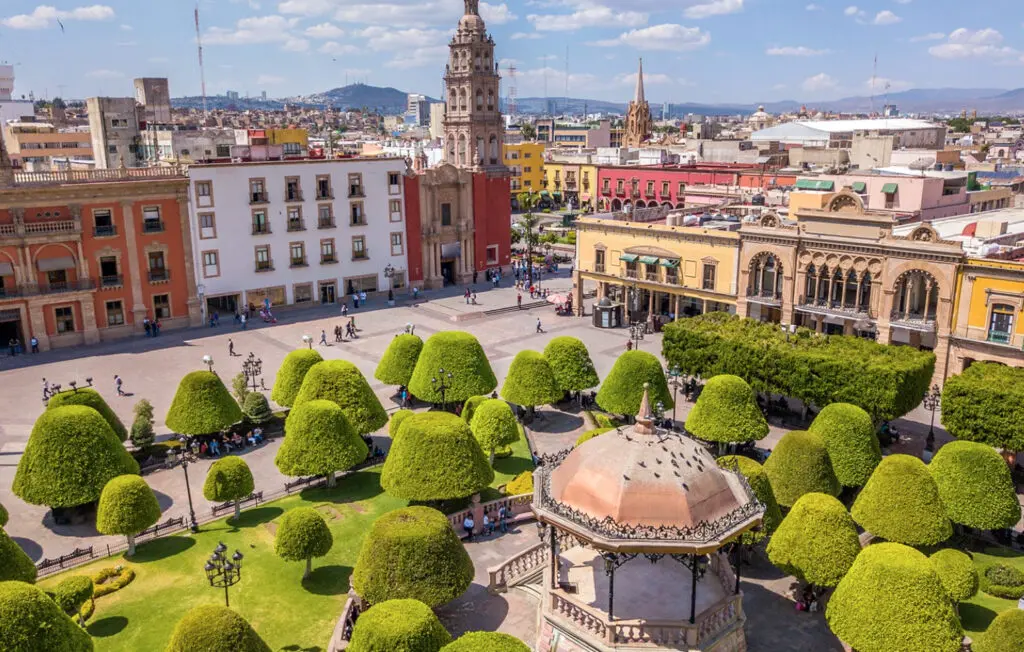

The allure of retirement often sparks dreams of new horizons, and for an increasing number of Americans, this dream involves embracing life beyond the United States. Anne Nicolai, a writer and entrepreneur, made this transition in 2008, trading her corporate career and Minnesota residence for a vibrant expatriate life in San Miguel de Allende, Mexico. Now a seasoned resident and the host of MoveToMexico.org, Nicolai shares five profound lessons learned from her decade-plus experience, offering valuable insights for those contemplating a similar retirement path.
Embracing the Unknown: Personal Growth Through Expatriation
Nicolai’s first lesson underscores a fundamental truth about stepping outside one’s comfort zone: "You are capable of more than you give yourself credit for." Her initial arrival in Mexico was marked by linguistic struggles, a reliance on mental calculations for currency conversion, and a wistful distance from the local cultural expressions like salsa dancing. Fourteen years later, she is a fluent Spanish speaker, a confident karaoke host, and an individual who "earns, spends, and thinks in pesos, not dollars." This personal evolution is a testament to her adaptability and resilience.
The complexities of navigating foreign bureaucracy were a significant hurdle. Nicolai successfully managed the intricate process of obtaining and renewing her temporary residency visa, a journey that involved nine separate visits to the immigration bureau for a single renewal. This culminated in acquiring permanent residency, often referred to as a "green card" in the US context. Furthermore, she has undertaken the demanding four-day drive from San Miguel to Minneapolis more than twenty times, often solo. These journeys, fraught with instances of getting lost and encountering demands for bribes, served as significant "comfort zone stretchers," ultimately contributing to her self-assurance and problem-solving skills. This narrative aligns with broader observations of expatriates reporting increased self-reliance and a heightened sense of accomplishment after overcoming such challenges. Research from organizations like the InterNations Expat Insider survey consistently highlights personal growth and increased confidence as key benefits reported by expatriates globally.
Building Security in a New Environment: The Power of Community
The second lesson, "There is safety in numbers," addresses a crucial aspect of expatriate living: personal security. Nicolai acknowledges that adjusting to a new country often necessitates adopting enhanced safety precautions. She describes common security measures in Mexico, such as decorative ironwork on windows and doors and the embedding of broken glass or razor wire atop garden walls to deter intruders. The risk of petty theft, like leaving electronics unattended in a car, is also a reality. Evenings out require awareness of well-lit streets for safe passage home.
However, Nicolai emphasizes that a substantial expatriate community can significantly mitigate these concerns. In San Miguel de Allende, for instance, the presence of English-speaking 911 operators and a 24-hour emergency hotline to the American consular agency provides a vital safety net. The integration of expats into the local fabric often means that many residents are accustomed to interacting with foreigners and may speak English. This creates a more secure environment, whether one chooses to live in a mixed neighborhood, a gated community predominantly populated by expats, or an entirely Spanish-speaking area, as Nicolai does. Her personal definition of safety includes fostering strong neighborly relationships, enabling her to seek assistance without hesitation. The presence of established expat networks, often facilitated by local organizations and online forums, provides a structured support system that can ease anxieties and improve overall well-being. This phenomenon is widely observed across popular expat destinations, where established communities offer a sense of familiarity and mutual support.
Bridging Distances: Technology as a Connector
The third lesson, "Technology will keep you connected," highlights the indispensable role of modern technology in maintaining relationships and managing daily life for expatriates. Regardless of geographical distance, individuals can remain in contact with loved ones through a plethora of accessible digital tools. The widespread availability of high-speed internet and affordable mobile services globally facilitates this connectivity. Applications like WhatsApp, Duo, Viber, and FaceTime enable free worldwide voice and video calls, allowing expats to participate in significant family events, such as birthdays and holidays, virtually.
Beyond personal connections, technology extends to practical aspects of life. Virtual healthcare options can provide access to medical and therapeutic professionals, while online banking simplifies managing finances back home. Direct deposit of Social Security benefits into foreign bank accounts, often in either dollars or local currency, further streamlines financial matters. In San Miguel de Allende, technology also serves to integrate expats into their new communities. Expat forums on platforms like Facebook offer a wealth of information, ranging from local events and garage sales to crime alerts and recommendations for specific goods and services. Navigational tools like Google Maps and Waze, when combined with reliable internet access, provide convenient directions to local amenities, transportation hubs, and points of interest. This digital infrastructure not only bridges geographical gaps but also fosters a sense of belonging and facilitates active participation in the expatriate and local societies.
Cultural Immersion: A Catalyst for Positive Transformation
Nicolai’s fourth lesson, "Immersion in another culture will change you for the better," speaks to the profound personal transformation that can occur through living abroad. While expressing fondness for her home state of Minnesota and the United States, Nicolai sought a life enriched by more sunshine, vibrant colors, ethnic diversity, and the intellectual stimulation of learning a new language. Her previous "Type A" lifestyle in the U.S., characterized by a large home, multiple cars, and a consumerist mindset, began to shift after her relocation.
Over 14 years in Mexico, she has cultivated a deeper appreciation for patience, humility, and simplicity. Her material desires have diminished, with spending primarily focused on food and karaoke music. Her wardrobe, largely comprised of clothing brought from her previous life, remains functional, partly due to a more active lifestyle in Mexico. Increased walking, dancing, and healthier eating habits have contributed to this. This observation is echoed by her expatriate friends across the globe, suggesting a common thread of lifestyle adjustments and a re-evaluation of priorities among those who embrace life in different cultures. This cultural immersion often leads to a more mindful and less consumer-driven existence, fostering a greater appreciation for experiences over possessions. Studies on expatriate well-being frequently cite improved quality of life and a greater sense of contentment as direct outcomes of cultural adaptation and integration.
The Open Door: The Option to Return Home
The fifth and perhaps most reassuring lesson is, "You can always go home." Nicolai notes that many long-term expatriates, some residing in Mexico for over three decades, have made it their permanent home. Conversely, she has also witnessed numerous individuals who, after selling their possessions and relocating, have decided to return to their home countries for health reasons or to be closer to family. The journey of expatriation is not a one-way street, and individuals have successfully moved from Mexico to places like Thailand, New Zealand, and Portugal, demonstrating the fluidity of retirement choices.
Nicolai articulates that there is no single "right" way to retire, no perfect timing, and no definitive "right" or "wrong" place. The process is characterized by trial and error, rather than success or failure. For her, Mexico is now home, with a plan to potentially spend her final years there. However, she acknowledges the possibility of a future desire to live in the United States again. San Miguel de Allende attracts individuals seeking reinvention, healing from personal hardships, or pursuing artistic endeavors. Nicolai’s initial motivation was to escape cold winters and embrace a new adventure. Her family and friends have visited, alleviating any feelings of loneliness. Crucially, she emphasizes the freedom to decide to return to her country of origin or explore other parts of the world at any time. This inherent flexibility is a cornerstone of modern retirement planning, allowing individuals to adapt their circumstances as their needs and desires evolve. This perspective alleviates the perceived finality of an expatriate decision and frames it as an ongoing exploration of life’s possibilities.
Defining the Expatriate Experience
For clarity, an expatriate, or expat, is defined as an individual residing outside their native country. This status does not inherently imply a change in citizenship or a negative sentiment towards one’s homeland; expatriates can remain patriotic. The term typically signifies intellectual curiosity and an adventurous spirit, a willingness to engage with different cultures and embrace new experiences.
Bev Bachel, the author of this reflection, is a freelance writer who aspires to become an expatriate herself. Her engagement with Nicolai’s experiences provides a firsthand account of the potential rewards and challenges associated with retiring abroad.
The broader implications of Nicolai’s insights extend to a growing global trend. As of 2023, an estimated 9 million Americans live abroad, with a significant portion of these being retirees seeking a more affordable cost of living, a different pace of life, or a richer cultural experience. Countries like Mexico, Portugal, and Costa Rica consistently rank high in expat satisfaction surveys due to factors such as favorable climates, lower living expenses, and welcoming communities. The rise of digital nomadism and remote work has also blurred the lines between traditional employment and retirement, making international living a more accessible option for a wider demographic. Nicolai’s five lessons offer a grounded perspective on this evolving landscape, emphasizing personal agency, the importance of community, the utility of technology, the transformative power of cultural immersion, and the fundamental freedom to choose one’s path.
For those considering retirement outside their native country, Nicolai’s wisdom suggests that the journey, while presenting challenges, is ultimately one of profound personal discovery and enrichment. The ability to adapt, connect, and embrace change are key to unlocking the full potential of an expatriate retirement.
Listeners interested in exploring retirement options further can consult resources like The Retirement Wisdom Podcast, which delves into various aspects of financial planning and lifestyle choices for retirees.