
The financial technology landscape in Malaysia has reached a significant inflection point in early 2026, characterized by the successful integration of autonomous artificial intelligence in payment systems and the rapid expansion of digital-only banking services. As the nation continues its trajectory toward becoming a regional hub for digital innovation, three distinct pillars of growth have emerged: the rise of agentic commerce through high-level partnerships, the deepening of embedded finance via digital banking ecosystems, and the solidification of Malaysia’s role as a global standard-setter for Islamic fintech regulation. These developments, led by major global players like Mastercard and domestic innovators like Boost Bank, signify a shift from traditional transactional banking toward an intuitive, automated, and inclusive financial environment.
The Rise of Agentic Commerce: Mastercard and the AI Payment Frontier
A landmark achievement in the evolution of global payments was recorded this week as Mastercard announced the successful completion of an AI-powered commerce pilot project in Malaysia. This initiative, centered on the concept of "agentic commerce," represents a paradigm shift where artificial intelligence does not merely suggest actions but actively executes transactions on behalf of the consumer within predefined parameters.
The pilot project was conducted in strategic partnership with three of Malaysia’s most prominent financial institutions: CIMB Group Holdings Berhad (CIMB), Malayan Banking Berhad (Maybank), and RHB Banking Group (RHB). The objective was to demonstrate the efficacy of "Mastercard Agent Pay," a system designed to allow AI agents to manage complex consumer tasks, such as travel logistics and service bookings, without the need for constant manual intervention by the user.
Technical Execution and Chronology of the Pilot
The pilot focused on a common but multi-layered consumer journey: coordinating international mobility. In the live demonstration, an AI agent successfully booked a ride from Kuala Lumpur International Airport (KLIA) to KL Sentral, the city’s primary transit hub. The transaction was facilitated through hoppa, a global mobility provider, and powered by an AI agent developed by CardInfoLink.
The chronology of the transaction highlights the efficiency of the agentic model:
- Requirement Identification: The AI agent analyzed the traveler’s schedule and location.
- Service Sourcing: The agent connected to hoppa’s taxi and airport limousine API to identify the most efficient route and price.
- Authentication: Utilizing Mastercard Payment Passkeys, the system verified the user’s identity through biometric or device-based credentials, ensuring the transaction remained secure despite being initiated by an AI.
- Payment Execution: The system used tokenized credentials to complete the payment, masking sensitive card data and reducing the risk of fraud.
Strategic Responses from Financial Leaders
The success of the pilot has been met with optimism from Malaysia’s banking leadership. Gurdip Singh Sidhu, CEO of CIMB Bank Berhad and CIMB Malaysia, emphasized that this milestone underscores the ability of AI to simplify everyday interactions while maintaining strict customer control. According to Sidhu, the collaboration reflects a vision of banking that is "seamlessly woven into life," moving away from the "app-heavy" manual processes of the previous decade toward a more intuitive, intent-based experience.
Beena Pothen, Mastercard’s Country Manager for Malaysia, noted that the introduction of Agent Pay is as much about trust as it is about technology. By embedding authentication and transparency directly into the AI-driven payment flow, Mastercard aims to meet the highest standards of consumer protection. This Malaysian pilot follows similar successful trials in Australia, New Zealand, and India, positioning the Asia-Pacific region as the global testing ground for autonomous commerce.
Embedded Finance: Boost Bank and the Democratization of Insurance
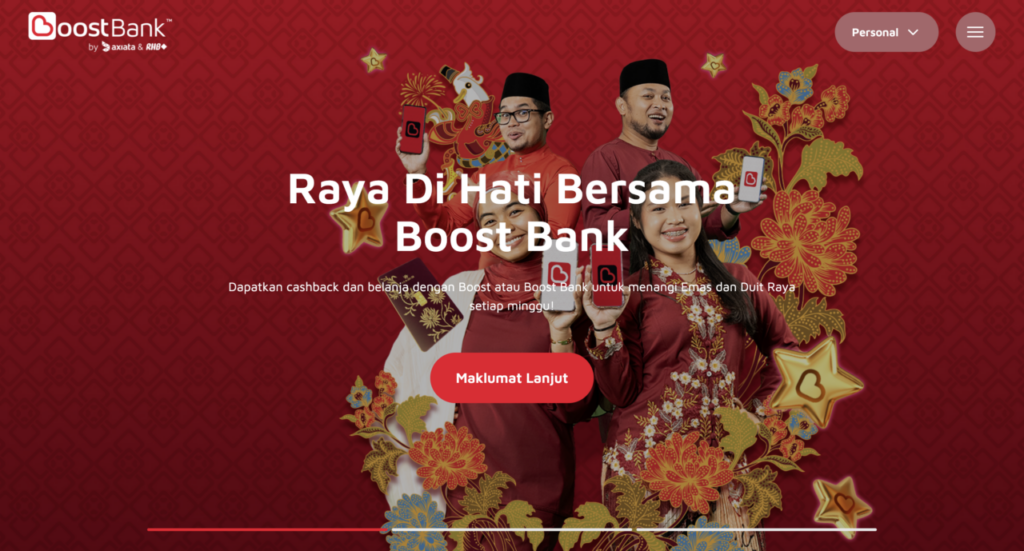
While Mastercard explores the frontiers of AI, Malaysia’s digital banking sector is making significant strides in financial inclusion through embedded finance. Boost Bank, which commenced operations in January 2024 as one of the first five digital banks licensed by Bank Negara Malaysia (BNM), has unveiled a comprehensive suite of insurance products integrated directly into its mobile application.
This expansion is the result of a partnership with Great Eastern General Insurance Malaysia and aims to address the protection gap in the Malaysian market. By embedding insurance into the banking experience, Boost Bank is targeting the younger, tech-savvy demographic and the underinsured segments of the population.
Product Offering and Economic Context
The new insurance offerings are designed for high-frequency, low-cost accessibility, reflecting the average Malaysian income levels. With the average monthly income in Malaysia currently hovering between RM3,000 ($660) and RM4,000 ($880), the pricing of these premiums is a critical factor for adoption.

The three primary plans include:
- TravelProtect: Priced at RM15 ($3.30) annually, providing coverage up to RM250,000 ($55,000) for travel-related incidents.
- CoreProtect PA: A personal accident plan priced at RM25 ($5.50) per year, offering benefits of up to RM50,000 ($11,000) for accidental death or permanent disablement.
- CommuteProtect: Focused on daily travel risks, this plan costs RM25 ($5.50) per year and covers personal accidents up to RM25,000 ($5,500) during daily commutes.
The "Protect Jar" and Gamified Savings
A unique feature of this rollout is the "Protect Jar," a specialized savings vehicle within the Boost Bank app. Customers who purchase any of the insurance plans unlock this feature, which offers a competitive 3.3% per annum daily compounding interest rate. Furthermore, the bank provides a complimentary "TravelProtect Lite PA" plan to users who maintain deposits in the Protect Jar, covering flight delays and minor personal accidents.
This strategy highlights a growing trend in fintech where protection and savings are bundled to create a "sticky" ecosystem. As a joint venture between Axiata’s fintech arm, Boost, and the RHB Banking Group, Boost Bank is leveraging its parent companies’ massive data pools to offer personalized financial services that traditional banks have historically struggled to deliver to the mass market.
The Malaysian Model: Regulating the Future of Islamic Fintech
Beyond the technical and commercial advancements, Malaysia is reinforcing its position as a global leader in the regulation of Islamic finance. Despite having a smaller Muslim population (approximately 20 million) compared to regional neighbors like Indonesia (230 million) or Bangladesh (150 million), Malaysia’s regulatory framework is increasingly viewed as the "gold standard" for Shariah-compliant fintech.
A Two-Pronged Regulatory Approach
The Malaysian model is defined by the close coordination between two primary bodies:
- Bank Negara Malaysia (BNM): The central bank oversees the standards for Islamic banking and ensures that financial institutions adhere to Shariah-compliant liquidity and capital requirements.
- Securities Commission Malaysia (SC): This body regulates the capital markets, including digital asset exchanges and peer-to-peer (P2P) lending platforms, ensuring that even the most modern digital assets remain within the ethical bounds of Islamic law.
The recent focus of these regulators has been the expansion of fintech regulatory sandboxes. These sandboxes allow startups to test Shariah-compliant innovations—such as blockchain-based Sukuk (Islamic bonds) or AI-driven Zakat (almsgiving) platforms—under supervised conditions. This proactive stance has influenced policy advisors in other Muslim-majority markets, with Indonesia recently adopting similar coordination efforts between financial regulators and Shariah certification boards.
Global Implications of Shariah-Compliant Innovation
The importance of the Malaysian model lies in its ability to marry strict ethical guidelines with cutting-edge technology. As the global Islamic finance market continues to grow, there is a rising demand for digital services that exclude Riba (usury/interest) and Gharar (uncertainty). Malaysia’s ability to provide a clear, stable, and technologically advanced regulatory environment has made it an attractive destination for foreign fintech investment, particularly from the Middle East.
Broader Impact and Industry Implications
The convergence of AI-driven commerce, embedded insurance, and specialized Islamic finance regulation points toward a broader transformation of the Malaysian economy. By 2026, the distinction between "financial services" and "digital lifestyle services" has become increasingly blurred.
Enhancing Financial Security and Inclusion
The integration of tokenization and biometrics—as seen in the Mastercard pilot—is crucial for maintaining consumer trust in an era of sophisticated cyber threats. By replacing traditional card numbers with unique digital tokens, the ecosystem becomes significantly more resilient against data breaches. Simultaneously, the low-cost insurance models introduced by digital banks like Boost are bringing essential financial safety nets to millions who were previously priced out of the market.
Economic and Regional Leadership
Malaysia’s fintech sector is a vital component of the government’s MyDIGITAL initiative, which aims to transform the country into a digitally-driven, high-income nation. The successful deployment of agentic commerce and the export of regulatory frameworks for Islamic finance suggest that Malaysia is not just a consumer of global technology, but a significant contributor to the global financial architecture.
As these technologies move from pilot phases to commercial deployment, the focus will shift toward consumer education. Ensuring that the public understands the safe use of AI-powered payments and the benefits of digital-only banking will be the next challenge for the industry. However, with the backing of global giants like Mastercard and the regulatory oversight of Bank Negara Malaysia, the nation’s fintech ecosystem appears well-positioned to lead the Asia-Pacific region into a new era of automated and inclusive finance.