
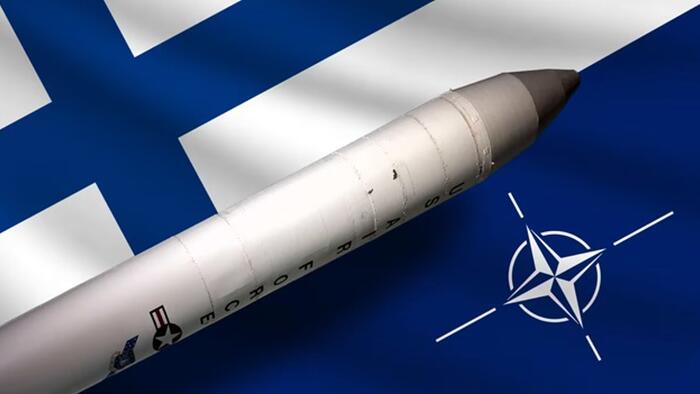

The world, already grappling with profound geopolitical instability marked by the ongoing conflict in Ukraine and heightened tensions in the Persian Gulf, is once again confronted with the specter of nuclear saber-rattling. This week, the focus of such alarming rhetoric has shifted to Northern Europe, where Finland, a newly minted member of NATO, is pursuing legislative changes that could permit the transit and storage of nuclear weapons on its soil. This development has drawn a swift and stern rebuke from the Kremlin, which views the proposal as a direct security threat on its extensive border with Finland, reigniting a fraught debate over nuclear deterrence and regional security.
Finland’s Proposed Legislative Overhaul
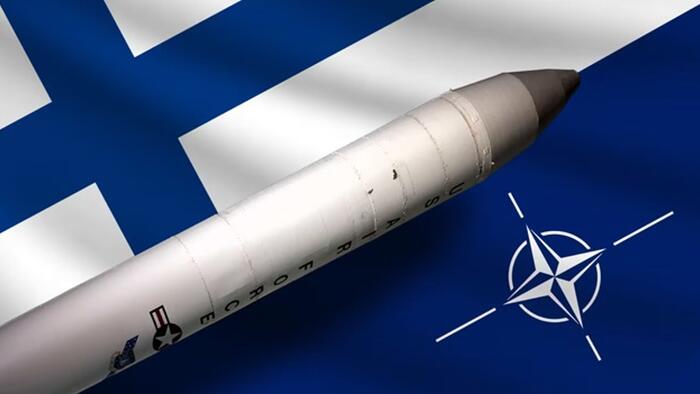
On Thursday, the Finnish government confirmed its intention to seek amendments to two pivotal national statutes: the Nuclear Energy Act and the Criminal Code. These proposed changes are designed to systematically dismantle existing legal impediments that currently prohibit the import, transit, or hosting of nuclear weapons within Finland’s national territory for defense purposes. This move, while presented by Helsinki as a technical legal adjustment, carries profound strategic implications. Officials have indicated an ambition to implement these legislative modifications as early as the summer, effectively clearing the legal pathway for deeper integration into NATO’s collective defense architecture, including its nuclear posture.
The current Finnish legal framework, rooted in decades of neutrality and a commitment to non-proliferation, has explicitly banned the presence of nuclear weapons. Revising these laws would represent a significant departure from this long-standing policy, signaling Finland’s full embrace of the security guarantees and responsibilities inherent in NATO membership, particularly concerning its deterrence strategy. The debate surrounding these amendments is not merely about legal technicalities; it is a fundamental re-evaluation of Finland’s national security doctrine in response to a dramatically altered geopolitical environment.
A Historic Pivot: From Neutrality to NATO
Finland’s journey to NATO membership marks one of the most significant geopolitical shifts in Europe in recent memory. For over 75 years, following the Winter War and subsequent conflicts with the Soviet Union during World War II, Finland maintained a policy of non-alignment and military neutrality. This policy, often referred to as "Finlandization" (a term sometimes used pejoratively, but reflecting a pragmatic approach to coexisting with a powerful neighbor), aimed to preserve national sovereignty by avoiding entanglement in great power rivalries, particularly between East and West. Finland cultivated strong economic and diplomatic ties with both sides, meticulously balancing its foreign policy to ensure its security.
However, Russia’s full-scale invasion of Ukraine in February 2022 served as an epoch-defining moment for Finnish public opinion and political leadership. The aggression shattered the long-held belief that non-alignment offered sufficient protection against an expansionist Russia. The invasion profoundly altered Finland’s strategic calculus, demonstrating Moscow’s willingness to use military force against sovereign states in its perceived sphere of influence. Public support for NATO membership, which had historically hovered around 20-30%, surged to over 70% almost overnight.
- February 24, 2022: Russia launches a full-scale invasion of Ukraine.
- May 12, 2022: Finnish President Sauli Niinistö and Prime Minister Sanna Marin announce their support for joining NATO.
- May 17, 2022: The Finnish Parliament overwhelmingly approves the decision to apply for NATO membership.
- May 18, 2022: Finland, alongside Sweden, formally submits its application to join NATO.
- July 5, 2022: NATO allies sign the accession protocols for Finland and Sweden, beginning the ratification process in member states.
- April 4, 2023: Finland officially becomes the 31st member of NATO, a swift accession process underscoring the urgency and broad consensus among allies.
Finland’s accession brought with it a direct and contiguous border with Russia stretching approximately 1,340 kilometers (830 miles), more than doubling NATO’s direct land frontier with Russia. This geopolitical reality underscores the strategic significance of any changes to Finland’s defense posture, particularly those involving nuclear capabilities.
NATO’s Nuclear Deterrence Framework
The discussions around Finland’s potential nuclear role are inextricably linked to NATO’s long-standing nuclear deterrence policy. Since the Cold War, NATO has maintained a dual-track approach: conventional defense capabilities coupled with a credible nuclear deterrent. This deterrent, primarily reliant on the nuclear arsenals of the United States, United Kingdom, and France, is designed to dissuade potential adversaries from attacking alliance members.
A key component of NATO’s nuclear posture is its "nuclear sharing" arrangements. Under these arrangements, certain non-nuclear NATO members host U.S. nuclear weapons on their territory and participate in planning and training for their potential use. These countries typically maintain dual-capable aircraft (DCA) that can deliver both conventional and nuclear munitions, flown by their own pilots. The weapons themselves remain under strict U.S. control, and their release would require authorization from the U.S. President. This arrangement provides non-nuclear states with a direct role in NATO’s nuclear deterrence, reinforcing the principle of collective defense under Article 5 of the North Atlantic Treaty.
The current reports suggesting NATO could seek alternatives to Washington solely providing Europe with its "nuclear shield" hint at a potential re-evaluation or redistribution of these responsibilities. While Finland has not explicitly stated an intent to join the nuclear sharing program, removing legal barriers would provide the flexibility to do so, if deemed necessary by NATO and Finland in the future. This move is broadly consistent with NATO’s collective defense posture, which emphasizes that all members contribute to the alliance’s security framework.
Kremlin’s Stern Warning and Security Concerns
Moscow’s reaction to Finland’s legislative initiative was predictably swift and unequivocally negative. Kremlin spokesman Dmitry Peskov, speaking to reporters on Friday, articulated Russia’s deep concerns, warning that such steps would inevitably lead to an escalation of tensions across the European continent. "By deploying nuclear weapons on its territory, Finland is beginning to threaten us," Peskov stated, issuing a blunt warning: "And if Finland threatens us, we take appropriate measures." He further asserted that Helsinki’s rhetoric and potential actions would ultimately "only increase Finland’s own vulnerability."
Russia has consistently viewed NATO’s eastward expansion as an existential threat, perceiving it as an encroachment on its security interests and historical sphere of influence. The addition of Finland, with its long and strategic border, has been particularly alarming for Moscow. From Russia’s perspective, the potential for NATO nuclear weapons to be stationed within mere hundreds of kilometers of its major cities and military installations represents a significant degradation of its strategic warning time and a direct challenge to its nuclear deterrence posture.
Throughout the Ukraine conflict, Russian officials, including President Vladimir Putin, have frequently employed nuclear rhetoric, both as a deterrent against direct Western intervention and as a means to project strength and resolve. The warnings directed at Finland fit into this broader pattern of signaling Russia’s red lines and its willingness to respond to what it perceives as escalatory actions by NATO. Russia has previously threatened to deploy tactical nuclear weapons in Belarus and has increased military activity in the Arctic region, in part as a response to perceived threats from NATO expansion.
Finnish Reassurances and Strategic Ambiguity
Despite the legislative moves, Finnish officials have been careful to temper expectations and reassure their powerful neighbor, emphasizing that the amendments do not automatically signal an immediate intention to host nuclear weapons. President Alexander Stubb, a vocal advocate for Finland’s NATO membership, explicitly stated, "Finland does not want to have nuclear weapons on its territory, and there are no such plans in NATO."
The Finnish Defense Ministry echoed this position, clarifying that the purpose of the amendments is to "remove legal obstacles rather than pave the way for direct deployment." This approach aims to ensure that Finland possesses the full legal flexibility to participate in all aspects of NATO’s defense framework, should future security considerations necessitate it. By removing these legal constraints, Finland maintains its sovereign right to decide on such matters in coordination with its allies, without being legally bound by pre-NATO accession policies.
This nuanced stance reflects a strategy of "strategic ambiguity," a concept often employed in nuclear deterrence. By not explicitly ruling out the possibility of hosting nuclear weapons in the future, Finland keeps Russia guessing about its ultimate intentions, thereby enhancing its deterrent posture. At the same time, by denying immediate plans, it seeks to avoid unnecessary provocation. However, Moscow is unlikely to be swayed by these assurances, viewing the legal changes as a clear precedent and a significant step towards potential escalation, regardless of current stated intentions.
Broader Geopolitical Implications
The developments surrounding Finland’s nuclear posture carry far-reaching implications for regional and global security.
- Nordic-Baltic Security: The shift in Finland’s defense policy, coupled with Sweden’s impending NATO membership, fundamentally alters the security landscape of the Nordic-Baltic region. It transforms the Baltic Sea into a de facto "NATO lake," significantly enhancing the alliance’s ability to defend its eastern flank and project power. However, it also raises the stakes, potentially making the region a flashpoint in any future confrontation with Russia.
- Russia-NATO Relations: The incident further exacerbates the already severely strained relationship between Russia and NATO. It reinforces Russia’s narrative of being encircled by a hostile alliance and will likely prompt further Russian military deployments and adjustments to its own defense posture in regions bordering Finland. This could include the deployment of advanced conventional weapons, missile systems, or even tactical nuclear weapons in areas like the Kola Peninsula or Kaliningrad.
- Nuclear Deterrence and Arms Control: The re-emergence of nuclear rhetoric and the potential for new nuclear deployments underscore the fragility of the current international arms control architecture. With major treaties like the New START Treaty under strain or defunct, the risk of a new arms race, particularly involving tactical nuclear weapons, looms larger. Finland’s move, even if purely legislative for now, contributes to a perception of increased militarization and a lower threshold for nuclear considerations in European security.
- European Security Architecture: Finland’s decision reflects a broader trend among European nations to strengthen their defense capabilities and deepen integration within NATO in response to Russian aggression. It signifies a profound loss of trust in post-Cold War security arrangements and a return to a more confrontational geopolitical reality, where military strength and credible deterrence are once again paramount.
Looking Ahead
The legislative process in Finland will now move forward, with the proposed amendments expected to undergo parliamentary review. While the Finnish government has a strong majority, the public debate surrounding such a sensitive issue will undoubtedly be intense. International observers will closely watch for any further statements from Helsinki regarding its nuclear policy and, critically, for Russia’s subsequent actions and reactions.
The situation in Northern Europe serves as a stark reminder that the post-Cold War dividend of peace and reduced military tension has evaporated. The world is navigating a period of heightened strategic competition, where the boundaries of conventional warfare are being tested, and the shadow of nuclear weapons once again looms large over international relations. Finland’s calculated move, driven by its sovereign security concerns, is a testament to the profound transformation of European security in the 21st century, a transformation that carries both increased security guarantees and heightened risks of confrontation.