


Almost two decades into early retirement, the complete freedom afforded by this lifestyle has revealed itself to be a complex phenomenon, presenting both profound advantages and unexpected challenges for individuals who achieve financial independence. While the pursuit of early retirement, often championed by the Financial Independence, Retire Early (FIRE) movement, is typically framed as a liberation from the constraints of traditional employment, a deeper examination suggests that this unfettered autonomy can paradoxically lead to a decline in structured engagement and a struggle with self-motivation.
The Allure and Reality of Unconstrained Time
For many, the promise of early retirement is the ultimate dream: boundless time to dedicate to family, health, personal passions, and community involvement without the demands of a conventional career. Proponents often highlight the ability to raise children without compromise, invest extensively in personal well-being, cultivate hobbies, and engage in philanthropic endeavors. This vision aligns with the core tenets of the FIRE movement, which advocates for aggressive saving and investing to accumulate sufficient assets to cover living expenses, thereby eliminating the need for paid work. The appeal is clear: reclaiming agency over one’s schedule and prioritizing values beyond professional obligations.
However, beneath this idyllic surface, a more nuanced reality emerges. The absence of external obligations, while initially liberating, can evolve into a significant hurdle for maintaining consistent productivity and purpose. A common observation among early retirees is the absence of inherent pressure to undertake tasks they might not "feel like" doing. This can manifest as a gradual drift into complacency, where the vast expanse of free time, rather than being filled with meaningful pursuits, becomes a canvas for procrastination and distraction. Psychologists and lifestyle coaches frequently note that while external pressures can be detrimental, a complete lack thereof can erode internal drive if not proactively managed. Studies on post-retirement adjustment often point to the importance of maintaining social engagement, intellectual stimulation, and a sense of purpose to combat potential declines in mental well-being.

The Gradual Erosion of Discipline in an Unstructured Life
In many documented cases of early retirement, the initial years are characterized by a high level of activity and engagement. Individuals might embark on ambitious projects, travel extensively, or dedicate significant time to family responsibilities. This phase often benefits from the residual momentum and discipline cultivated during their working lives. For instance, an individual might actively engage in building or renovating properties, undertaking adventurous trips, or consistently producing creative content, as observed in various self-reported accounts from the FIRE community. This period reflects a successful transition, where newfound freedom is leveraged for highly valued activities.
However, as the novelty of retirement wears off and the initial surge of projects concludes, a discernible shift can occur. Reports indicate a tendency for individuals to gradually reduce the frequency and intensity of their self-imposed activities. The structured routines that once defined their days, even self-directed ones, begin to unravel. This can lead to increased leisure time spent on less fulfilling activities, such as extended periods of passive entertainment or social media consumption, replacing more demanding but ultimately more rewarding pursuits like physical activity, complex problem-solving, or creative endeavors. This transition highlights a critical challenge: sustaining intrinsic motivation and self-discipline when external accountability is entirely absent.
Strategies for Re-engaging with Purpose: Combating the Comfort Crisis
Recognizing this decline in focused engagement, many early retirees actively seek solutions. A common approach involves delving into health and wellness practices, studying techniques to enhance energy, focus, and motivation. This can include adopting new dietary habits, implementing structured exercise regimes, or exploring mindfulness practices. The efficacy of these strategies is widely supported by scientific research; consistent physical activity, balanced nutrition, and mental discipline are proven to improve cognitive function, mood, and overall vitality.

Yet, a persistent challenge remains: the consistent application of this knowledge. Many individuals report a cyclical pattern where they successfully integrate new, beneficial habits for a period, only to gradually succumb to internal resistance and revert to less demanding routines. This phenomenon underscores a deeper issue: the internal struggle against inertia, where the very freedom designed to empower can be misused to avoid discomfort or effort. The "comfort crisis," as some experts term it, suggests that modern society’s abundance of convenience can inadvertently weaken an individual’s resilience and capacity for sustained effort, making it harder to pursue challenging but rewarding goals.
The "Hesitation as a Trigger" Principle: A Cognitive Shift
A transformative insight for many facing this motivational dilemma involves reframing the moment of hesitation. Instead of perceiving a lack of desire or a feeling of "not wanting to" as a legitimate reason to defer action, it is reinterpreted as a crucial signal. This cognitive shift transforms hesitation from a deterrent into an immediate trigger for action. For example, in the context of physical exercise, the internal dialogue changes from:
"I want to work out today, but I don’t feel like it, so I’ll wait for ideal conditions."
To:

"I want to work out today. I don’t feel like it. This is the precise moment of self-sabotage. Therefore, I am now putting on my shoes and walking to the gym."
This approach leverages psychological principles related to habit formation and immediate action. By interrupting the thought-to-excuse cycle and directly linking hesitation to immediate action, individuals bypass the rationalization process that often leads to inaction. This technique is applicable across various domains, from writing and creative work to household chores and social engagement. It essentially hacks the brain’s tendency to seek comfort by programming an automatic, counter-intuitive response to discomfort. This mechanism aligns with concepts found in cognitive behavioral therapy (CBT), where identifying and challenging unhelpful thought patterns is central to behavioral change.
Drawing Inspiration from Extreme Discipline: The Goggins Effect
Further bolstering this paradigm shift is the study of individuals who embody extreme discipline and resilience. Figures like David Goggins, a retired Navy SEAL and ultra-endurance athlete, serve as powerful examples. Goggins’ life story, marked by overcoming severe childhood trauma and pushing human physical and mental limits to an astonishing degree—including running hundreds of miles, completing multiple Hell Weeks, and setting world records for pull-ups—highlights the immense capacity of the human will. His philosophy, often encapsulated by the mantra "Stay Hard," emphasizes confronting discomfort and breaking through perceived barriers.
While Goggins’ extreme pursuits are not aspirational for the majority, his journey offers a crucial lesson: the vast majority of human limitations are self-imposed and psychological rather than physical. Exposure to such narratives can profoundly alter one’s perspective on personal capabilities, shifting the internal dialogue from "I can’t" to "I can, if I choose to endure." This reframing suggests that what individuals perceive as their "maximum effort" is often merely a fraction of their true potential. This perspective, when integrated, can significantly empower individuals to challenge their comfort zones and engage in activities that were previously deemed too difficult or undesirable.
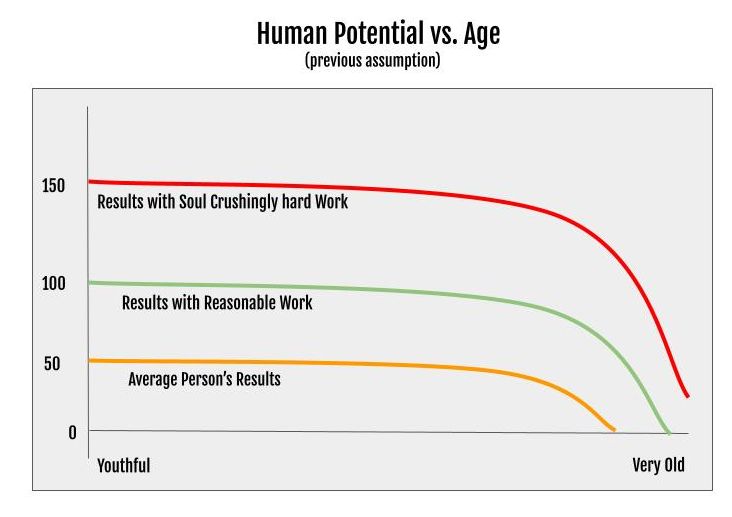
Other influential figures like Dr. Peter Attia, a physician focused on longevity and optimal performance, and Jocko Willink, a retired Navy SEAL officer and leadership consultant, also contribute to this ecosystem of high-performance philosophy. Attia’s emphasis on proactive health and pushing physical boundaries, and Willink’s doctrine of "Extreme Ownership" and discipline, resonate with the idea that self-mastery is achieved through consistent, intentional effort, particularly when faced with resistance. These voices, while sometimes critiqued for perceived "bro science" or "toxic masculinity," offer valuable frameworks for individuals seeking to enhance their personal efficacy and extract more from their lives.
Tangible Benefits and Broader Implications
The adoption of the "hesitation as a trigger" method, coupled with inspiration from high-achievers, yields tangible results. Individuals report significant improvements in physical fitness, such as substantial gains in lean muscle mass and overall strength, even after years of plateau. This enhanced physical vitality often translates into improved mental clarity, increased energy levels, and a greater sense of well-being, demonstrating the interconnectedness of physical and psychological health.
Beyond physical activity, this disciplined approach extends to other areas of life: increased engagement in professional pursuits (even in retirement), more consistent creative output, and greater participation in social and community activities. It allows individuals to consciously steer their freedom towards pursuits that generate deep satisfaction and personal growth, rather than allowing it to default to passive consumption.
For the broader FIRE community, these insights carry significant implications. They challenge the simplistic notion that financial independence automatically equates to a fulfilling life. Instead, they underscore the necessity of cultivating robust internal discipline and a proactive approach to purpose. Achieving financial freedom is merely the first step; the subsequent journey demands an intentional design of one’s life, consciously choosing challenge over comfort to realize one’s full potential. Experts in positive psychology emphasize that true well-being often stems from engagement, mastery, and a sense of contribution, all of which require effort and overcoming internal resistance.
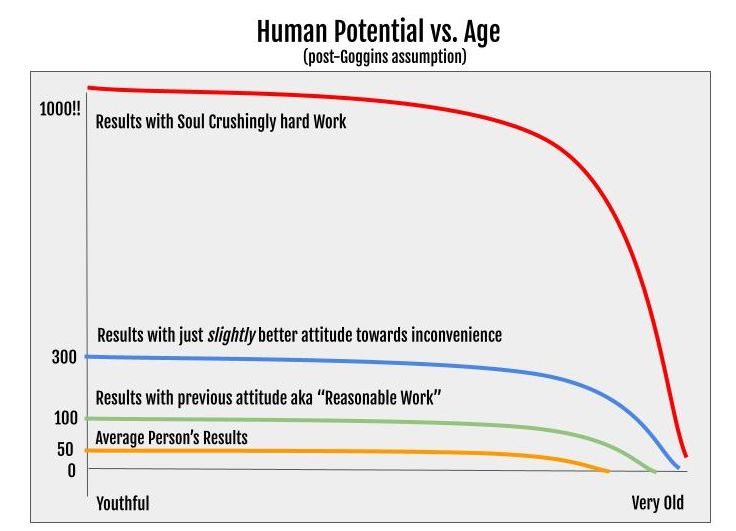
In conclusion, the journey through early retirement illuminates a profound truth: while external freedom is a coveted state, internal discipline is the ultimate determinant of a truly enriched life. The ability to recognize and override the impulse to avoid discomfort, fueled by insights from high-performance psychology, transforms hesitation from a barrier into a catalyst for action. This paradigm shift empowers individuals to leverage their freedom not for ease, but for growth, ensuring that the dream of early retirement evolves into a dynamic and purposeful existence.