
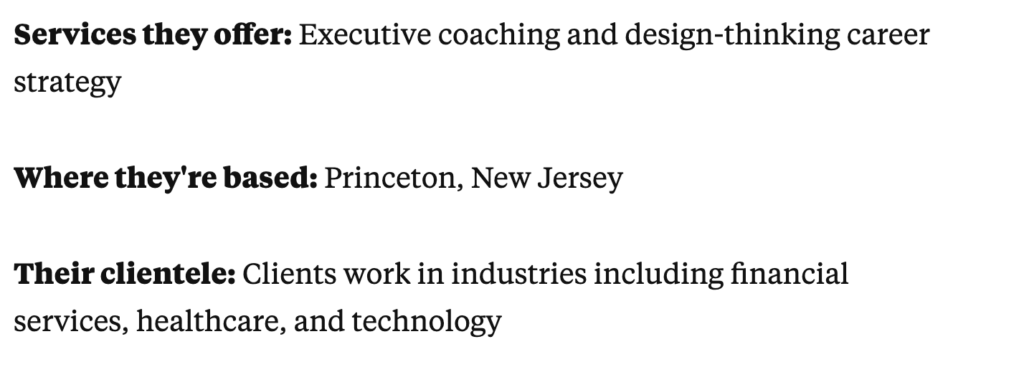
In a rapidly evolving professional landscape, the need for strategic career development and transition has never been more pronounced. Business Insider, a leading financial and business news publication, has highlighted this crucial area by identifying innovative career coaches who are making a significant impact. Among those recognized is Joe Casey, an executive coach based in Princeton, New Jersey, who specializes in assisting individuals in redefining and revitalizing their professional paths, particularly those seeking meaningful second careers.
The recognition by Business Insider underscores a growing trend: mid-career professionals are increasingly facing complex challenges. The economic uncertainties and shifts in the labor market, exacerbated by global events such as the ongoing pandemic in 2020, have amplified the pressure on individuals to adapt. Standard career trajectories are no longer guaranteed, and the prospect of pivoting to a new field or undertaking a portfolio career requires careful consideration and expert guidance. Casey’s inclusion in this distinguished list points to his ability to provide the kind of forward-thinking strategies necessary for navigating these turbulent waters.

The Evolving Landscape of Career Transitions
The concept of a single, lifelong career is becoming increasingly anachronistic. Modern professionals, particularly those in mid-career stages, often find themselves at a crossroads. This juncture can be precipitated by various factors: organizational restructuring, technological advancements rendering certain skills obsolete, a desire for greater work-life balance, or a fundamental reevaluation of personal values and professional fulfillment. The period surrounding 2020, marked by widespread disruption, accelerated this reassessment for many.
According to data from the Bureau of Labor Statistics (BLS) in the United States, the average worker born between 1957 and 1964 held 12.4 jobs between the ages of 18 and 54. This indicates a historical trend towards career mobility. However, the nature of these transitions is evolving. Today, the focus is less on simply finding another job and more on crafting a sustainable, fulfilling, and impactful professional life that aligns with an individual’s evolving priorities. This often involves leveraging existing skill sets in new contexts, developing new competencies, and strategically planning for financial security and personal satisfaction.
Joe Casey’s coaching methodology, as highlighted by Business Insider, appears to address these multifaceted needs. His expertise in helping individuals create "meaningful second careers" suggests a focus on not just career change, but career transformation. This involves a holistic approach that moves beyond transactional job placement to encompass personal growth, skill development, and the strategic alignment of career aspirations with life goals.
Business Insider’s "Molding Greatness" Feature
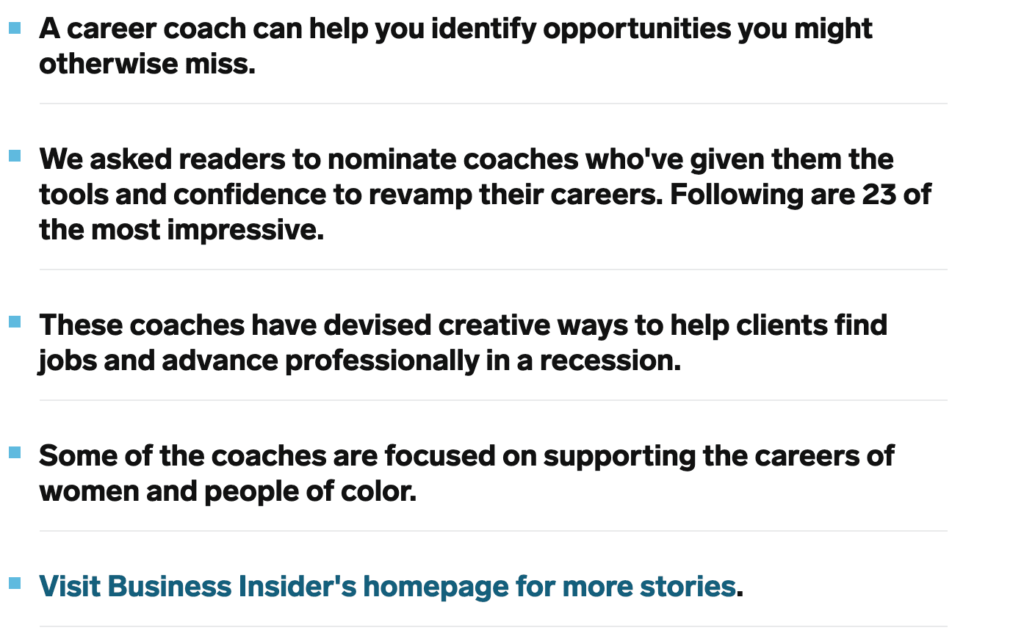
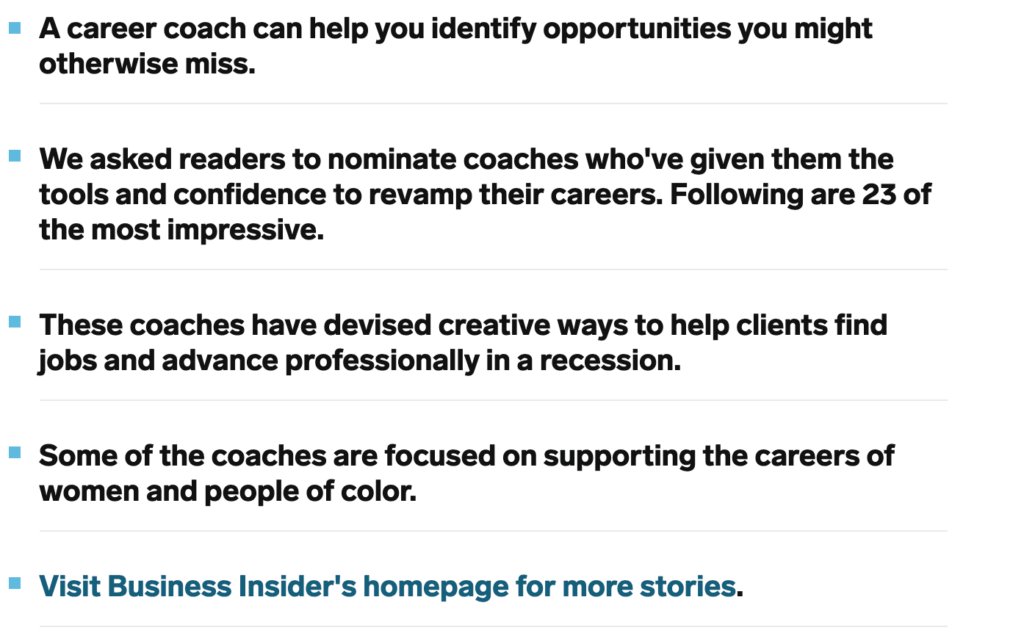
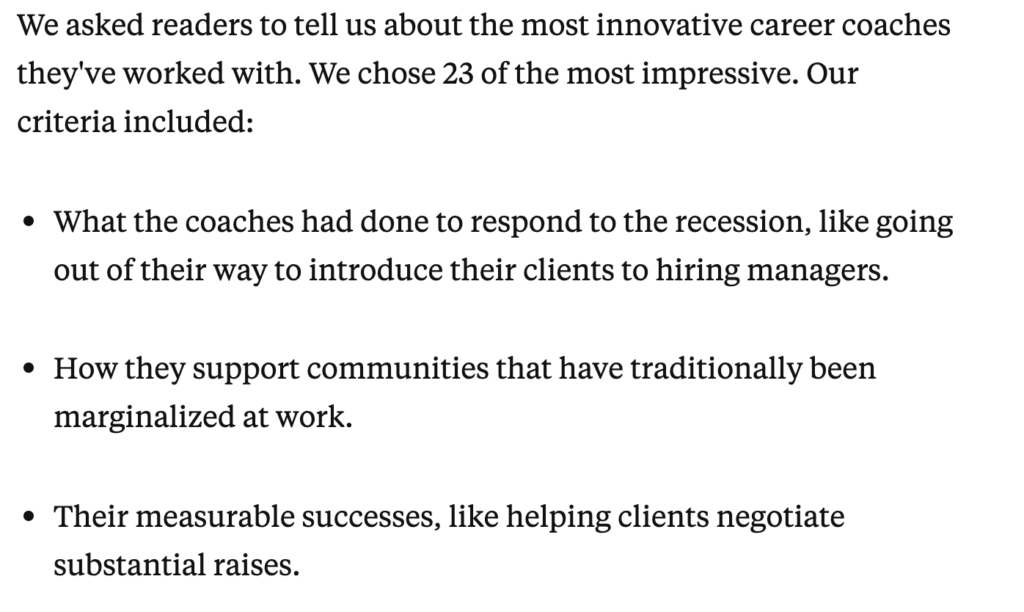
The Business Insider article, titled "MOLDING GREATNESS: Meet 23 career coaches who helped shape leaders into stars at the likes of Goldman Sachs and Google," aims to identify and celebrate individuals who are at the forefront of executive and career coaching. The publication’s selection process likely involved evaluating coaches based on their track record, innovative approaches, client testimonials, and their ability to effect tangible positive change in their clients’ professional lives.
Being featured in such a list by a reputable publication like Business Insider lends significant credibility to Casey’s practice. It signals that his strategies are recognized as effective and relevant in today’s competitive environment. The mention of clients at prestigious institutions like Goldman Sachs and Google suggests that Casey’s coaching extends to high-achieving professionals who are seeking to optimize their performance, navigate leadership challenges, or plan for future career stages.
The article’s premise – that these coaches "helped shape leaders into stars" – implies a focus on developing not just career satisfaction, but also leadership potential and sustained professional excellence. This is particularly relevant for mid-career professionals who may be looking to ascend to higher leadership roles or transition into influential positions within new industries.
The Strategic Imperative of Career Coaching
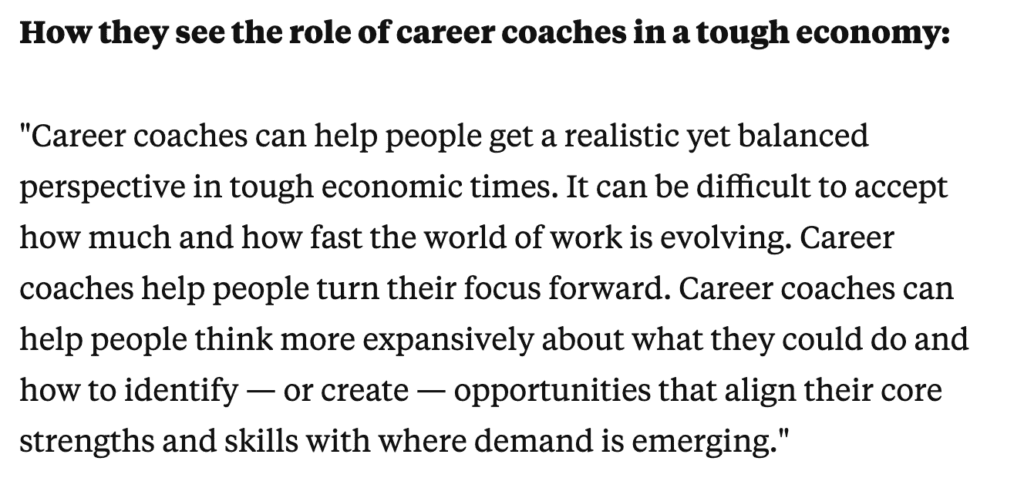
In an era where information is abundant but often fragmented, and where the pace of change is relentless, individuals can benefit immensely from the structured guidance and objective perspective that a skilled career coach provides. The challenges faced by mid-career professionals are compounded by factors such as ageism, the need to stay abreast of technological advancements, and the pressure to maintain financial stability during periods of transition.
Key challenges for mid-career professionals include:
- Skill Obsolescence: Rapid technological advancements and evolving industry demands can make existing skills less relevant.
- Age Bias: Despite anti-discrimination laws, some individuals may perceive age as a barrier in the job market.
- Financial Pressures: Mid-career professionals often have significant financial responsibilities, making career transitions riskier.
- Identity and Purpose: A long-standing career can become intertwined with personal identity, making a pivot emotionally challenging.
- Navigating Uncertainty: Economic downturns and industry shifts create an unpredictable job market.
A career coach like Joe Casey can offer a structured framework to address these challenges. This typically involves:

- Self-Assessment: Helping individuals identify their core strengths, values, interests, and transferable skills.
- Market Analysis: Providing insights into current industry trends, in-demand skills, and potential career paths.
- Strategic Planning: Developing a roadmap for skill acquisition, networking, and job searching.
- Resume and Interview Preparation: Honing professional branding and communication strategies.
- Mindset Coaching: Building confidence, resilience, and a proactive approach to career development.
- Networking Strategies: Facilitating connections with relevant professionals and organizations.
The "turbulent times" mentioned in the original context, particularly referencing 2020, highlight the increased need for agility and strategic foresight. The pandemic, for instance, led to widespread layoffs, a surge in remote work, and a reevaluation of essential industries. Professionals who were prepared with adaptable skill sets and a clear understanding of their long-term goals were better positioned to weather these storms and capitalize on new opportunities.
Joe Casey’s Approach: Beyond Traditional Coaching
While the article mentions Casey’s Princeton, NJ, location, his impact extends nationally and potentially internationally, given the digital nature of modern coaching. His focus on "meaningful second careers" suggests a deeper engagement than simply helping someone find another job. It implies guiding individuals towards vocations that offer not only financial reward but also personal satisfaction, a sense of purpose, and a positive contribution to society.
This aligns with the growing emphasis on "purpose-driven careers" and the "portfolio life" concept, where individuals may combine multiple part-time roles, freelance projects, and entrepreneurial ventures to create a diverse and engaging professional life. Such an approach requires a sophisticated understanding of personal motivations and market opportunities, which is where expert coaching becomes invaluable.
The timeline of the Business Insider article’s publication (September 24th, 2020) places it within the heightened period of economic uncertainty caused by the COVID-19 pandemic. This context is crucial. Many individuals were facing unexpected career disruptions, and the need for guidance on how to pivot, reskill, or reimagine their professional futures was acute. The recognition of Casey during this period underscores the timely and essential nature of his work.
Implications and Broader Impact
The inclusion of Joe Casey in Business Insider’s list has several implications:
- Validation of Career Coaching: It reinforces the value and efficacy of professional career coaching as a vital service for individuals navigating complex career decisions.
- Highlighting Second Careers: It brings attention to the increasing importance and viability of second careers, particularly for those seeking fulfillment beyond their primary professional lives.
- Focus on Innovation: It suggests that successful coaches are those who adapt their methodologies to meet the evolving demands of the modern workforce, employing innovative strategies.
- Princeton as a Hub: While not explicitly stated, the mention of Casey’s location in Princeton, NJ, a region with a strong professional and academic presence, may subtly indicate the caliber of talent emerging from such areas.
The broader impact of such coaching extends beyond individual career success. When professionals are empowered to find fulfilling and impactful work, it can lead to:
- Increased Economic Productivity: Individuals working in roles that align with their strengths and passions are often more productive and engaged.
- Enhanced Innovation: A diverse workforce with individuals bringing varied experiences and perspectives can foster greater innovation.
- Improved Well-being: Career satisfaction is a significant contributor to overall life satisfaction and mental health.
- Stronger Communities: Professionals who are engaged and fulfilled can contribute more effectively to their communities, whether through their work or volunteer activities.
The excerpts from the Business Insider article, though brief, provide visual context of the coaching environment and the caliber of professionals being served. The images suggest professional settings, client interactions, and the presentation of data or insights, all indicative of a structured and professional coaching practice.
Ultimately, the recognition of Joe Casey by Business Insider serves as a testament to the critical role that expert career guidance plays in enabling individuals to adapt, thrive, and redefine their professional journeys in an ever-changing world. His inclusion in a list of innovative coaches underscores the ongoing need for strategic planning, skill development, and a holistic approach to career management, particularly as individuals consider their paths beyond traditional corporate structures or seek to build fulfilling second acts in their professional lives. The insights provided by such coaches are not merely about finding a job, but about building a sustainable, meaningful, and impactful career.