

Aon, a titan in the global insurance brokerage landscape, is actively charting a new course for financial transactions within the insurance sector. The company has successfully concluded a pilot program utilizing stablecoins to settle insurance premiums, a significant development that underscores the burgeoning integration of digital dollar equivalents into the bedrock of traditional financial infrastructure. This initiative arrives on the heels of the passage of the GENIUS Act last year, a landmark piece of legislation that has begun to foster a more defined regulatory environment for digital assets in the United States.
The groundbreaking pilot, announced on Monday by the UK-headquartered Aon, involved the settlement of insurance premiums for prominent clients, including the cryptocurrency exchange Coinbase and the blockchain infrastructure firm Paxos. The transactions were executed using two leading stablecoins: USD Coin (USDC) on the Ethereum blockchain and PayPal USD (PYUSD) on the Solana network. This strategic choice of platforms highlights Aon’s exploration of different blockchain ecosystems for robust and efficient settlement.
Tim Fletcher, the Chief Executive Officer of Aon’s Financial Services division, articulated the strategic imperative behind this venture. He stated that the pilot represents a deliberate effort by Aon to investigate stablecoins as a viable and efficient payment rail. Fletcher expressed a forward-looking perspective, predicting that tokenized assets, including stablecoins, will become increasingly integral to the fabric of financial transactions in the coming years. His remarks suggest a proactive approach by Aon to adapt to evolving technological landscapes and anticipate future market demands.
Aon’s foray into stablecoin payments is contextualized by the sheer scale of the re-insurance market. In August of the previous year, the company’s analysis revealed that approximately 120 re-insurers collectively generated close to $2 trillion in gross written premiums in 2024 alone. This staggering figure underscores the immense financial flows that could potentially be streamlined and modernized through the adoption of more efficient payment mechanisms.
The Mechanics of the Pilot: Bridging Traditional and Digital Finance
The core innovation of Aon’s pilot lay in its departure from conventional payment methods. Instead of relying on traditional bank wires, which often involve multiple intermediaries and can incur significant processing times, the insurance premiums were paid directly using stablecoins on established blockchain networks. This method bypasses the complex web of correspondent banks, clearing houses, and international wire transfer systems that have historically characterized premium settlements.

The implications of this approach for the insurance industry are profound. Traditionally, the movement of premium payments, especially across international borders, can be a protracted process, often taking several business days to fully settle. This delay can impact cash flow for insurers and create administrative burdens. In stark contrast, stablecoin transfers, facilitated by the inherent speed of blockchain technology, can achieve final settlement within minutes. This dramatic reduction in settlement time could unlock significant operational efficiencies and financial advantages for all parties involved.
It is crucial to note that the Aon pilot did not involve the creation of novel insurance products or the digitization of the insurance policies themselves onto the blockchain. The underlying insurance coverage remained precisely the same, with the sole alteration being the method of payment for the premiums. This focused approach allowed Aon to test the efficacy of stablecoins purely as a payment settlement instrument, minimizing the complexity of the experiment and isolating the impact of the new payment rail.
A Shifting Regulatory Landscape and Growing Institutional Adoption
Aon’s pioneering step occurs within a broader context of increasing regulatory clarity and institutional embrace of stablecoins. The recent passage of the GENIUS Act in the United States has been a pivotal moment, establishing a federal regulatory framework for the issuance and supervision of dollar-backed stablecoins. This legislation provides a much-needed foundation for innovation and adoption, assuring financial institutions that they can engage with stablecoins within a defined and understood legal perimeter.
The GENIUS Act, for instance, is designed to bring greater transparency and security to the stablecoin market. It aims to ensure that stablecoins are indeed fully backed by reserves and that issuers adhere to stringent prudential standards. This regulatory scaffolding is essential for building confidence among large financial players like Aon, who are inherently risk-averse and require a stable and predictable operating environment. The Act’s provisions, which may include capital requirements, liquidity rules, and consumer protection measures, are crucial for mitigating systemic risks associated with digital currencies.
This development reflects a significant trend across the traditional financial sector, where major institutions are increasingly exploring the potential of stablecoins for payment and settlement. Beyond Aon, a growing number of prominent banks are either actively developing or are reportedly in advanced stages of developing their own stablecoin or tokenized payment systems. These include global banking giants such as Barclays, JPMorgan Chase, Bank of America, and Citigroup. Their involvement signifies a recognition that blockchain technology, powered by stablecoins, offers a compelling alternative to legacy payment systems.
For example, JPMorgan Chase has been a notable player in this space with its JPM Coin, a permissioned blockchain-based system designed for wholesale payments. Similarly, Citigroup has explored the use of stablecoins for cross-border transactions and has engaged in various pilot programs. These initiatives, often conducted in collaboration with regulators and industry partners, aim to harness the speed, efficiency, and transparency offered by blockchain technology for institutional-grade financial services.

Supporting Data and Broader Market Trends
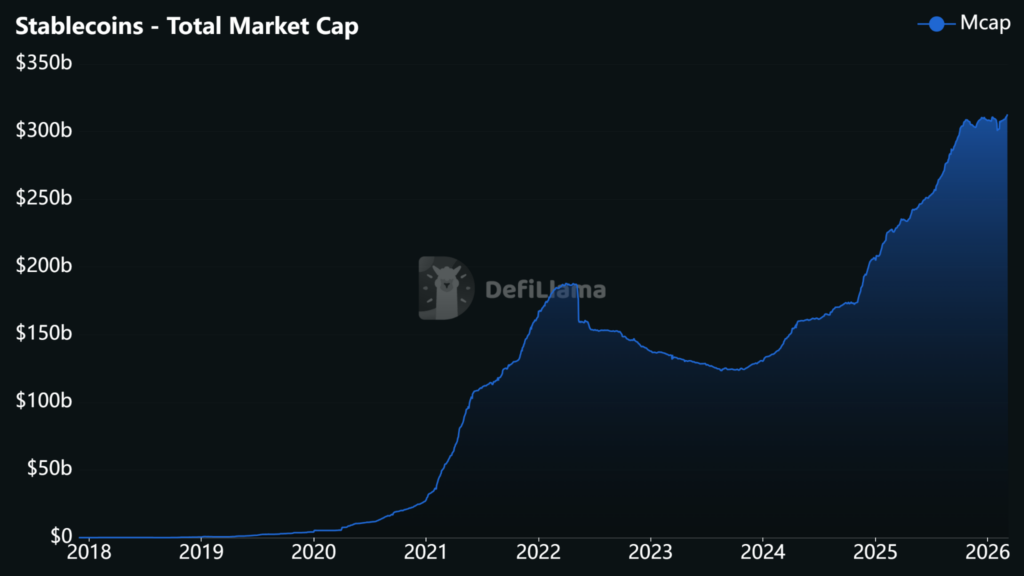
The cumulative market value of stablecoins has surged, reaching an impressive $313 billion. This substantial figure is dominated by established players like USDC and Tether (USDt), according to data from DeFiLlama. The widespread adoption of these digital dollar equivalents by individuals and businesses alike has paved the way for their integration into more sophisticated financial use cases. The liquidity and stability offered by these assets make them ideal candidates for facilitating large-value transactions within established financial ecosystems.
The growth of the stablecoin market is not solely driven by traditional finance; crypto-native companies are also actively expanding their offerings within the stablecoin payments stack. Ripple, for instance, has been diligently building infrastructure designed to support institutional clients with stablecoin custody, settlement, and treasury management services. Their efforts are aimed at providing a comprehensive suite of tools for businesses looking to leverage stablecoins for their operational needs.
This dual-pronged approach – innovation from both traditional financial institutions and established crypto firms – suggests a robust and evolving market for stablecoin applications. The convergence of these two worlds is likely to accelerate the adoption of blockchain-based payment solutions across a wider array of industries.
Implications and Future Outlook
Aon’s successful pilot is more than just a proof of concept; it represents a tangible step towards a future where digital assets and traditional finance are seamlessly interwoven. The ability to settle insurance premiums in minutes rather than days could lead to:
- Enhanced Liquidity Management: Insurers can access premium funds more rapidly, improving their ability to manage cash flow, invest reserves, and meet their financial obligations more efficiently.
- Reduced Transaction Costs: By eliminating intermediaries in traditional wire transfer systems, stablecoin payments can potentially lower fees associated with premium settlements, especially for cross-border transactions.
- Increased Operational Efficiency: Automation and faster settlement times can streamline back-office operations, reducing manual intervention and the potential for errors.
- Global Reach: Blockchain’s inherent borderless nature can simplify and expedite international premium payments, benefiting global insurance operations.
- Innovation in Product Development: While this pilot focused on payments, the underlying technology could eventually support more complex on-chain insurance products, smart contract-based claims processing, and tokenized insurance policies.
The involvement of major clients like Coinbase and Paxos in the pilot program is also noteworthy. Their participation demonstrates a willingness within the digital asset ecosystem to engage with traditional financial service providers, fostering a symbiotic relationship that can drive innovation for both sectors. Coinbase, as a leading cryptocurrency exchange, has a vested interest in the development of robust payment infrastructure for digital assets, while Paxos, as a regulated blockchain company, is at the forefront of building compliant digital asset solutions.
Looking ahead, the success of Aon’s pilot, coupled with the evolving regulatory landscape and increasing institutional interest, suggests that stablecoin payments are poised to become a more commonplace feature of the financial world. As more financial institutions explore and adopt these technologies, the traditional financial infrastructure will likely undergo a significant transformation, becoming more efficient, accessible, and globally interconnected. The journey from a novel experiment to widespread adoption may still have hurdles, but the trajectory set by pioneers like Aon indicates a clear and compelling direction for the future of financial transactions.