

Last winter, a seemingly innocuous act—a five-star review for a heated vest purchased on Amazon—catapulted renowned financial independence blogger Mr. Money Mustache (MMM) into an unexpected nine-month odyssey within the exclusive Amazon Vine program. What began as an intriguing opportunity to acquire "free stuff" and potentially save money quickly evolved into a profound, often challenging, experiment in behavioral economics, consumerism, and the true cost of convenience, ultimately prompting a critical re-evaluation of his long-held principles of frugality and mindful living.
The Genesis of an Experiment: From Heated Vest to Vine Voice

The journey commenced following the publication of MMM’s positive review for a heated vest, an item he genuinely appreciated for its utility in mitigating winter chills. Shortly thereafter, an email from Amazon arrived, extending an invitation to join Amazon Vine, a program that grants selected reviewers—dubbed "Vine Voices"—the privilege of ordering products at no upfront cost in exchange for impartial reviews. Participants are typically required to review a high percentage (often 80% or more) of the items they receive to maintain their status.
For someone like MMM, who had consistently advocated for conscious spending and DIY solutions, the prospect of acquiring useful items without direct monetary outlay appeared initially as a synergistic opportunity. He reasoned that if he was already writing reviews out of genuine interest, why not be rewarded for it? This initial logic, however, would soon be tested against the powerful psychological mechanisms embedded within the program’s design, revealing the subtle ways even the most disciplined individuals can be swayed by incentives.
Understanding Amazon Vine: A Strategic Ecosystem

To fully grasp the implications of MMM’s experience, it is essential to understand the Amazon Vine program itself. Launched in 2007, Amazon Vine is a by-invitation-only program designed to generate honest and helpful reviews for new or pre-release products. Amazon identifies its most trusted and insightful reviewers—those who consistently provide detailed, well-written, and unbiased feedback—and invites them to become Vine Voices. For Amazon, the program ensures a steady stream of credible reviews, which are crucial for driving sales and building consumer trust in a highly competitive e-commerce landscape. For sellers, it provides early product feedback and visibility, helping to establish new items in the marketplace.
Vine Voices receive products directly from Amazon or participating vendors, with the understanding that they will test the items and submit a review within a specified timeframe. These reviews are then prominently displayed on product pages, often marked with a distinctive "Vine Voice" badge, signifying their origin from a trusted source. The program operates on a tier system, typically Silver (for those reviewing up to 80 items) and Gold (for those reviewing more, with higher-value item access), incentivizing continued participation.
A Nine-Month Chronology: The Allure and the Albatross

MMM’s nine-month tenure as a Vine Voice unfolded in distinct phases. Initially, there was the thrill of discovery and the genuine acquisition of valuable items. He reported saving "at least a few thousand dollars" on tools and materials directly applicable to his construction business and the MMM-HQ Coworking space. Items like high-quality light fixtures, specialized tools, plumbing parts, and even an EV charger were cited as legitimate acquisitions that would have otherwise been purchased. The communal aspect also added to the initial appeal, as friends and co-workers at MMM HQ were roped in to help request and review items, sharing in the "bounty." This period exemplified the program’s intended benefits, aligning with MMM’s practical and value-driven approach.
However, as the months progressed, a darker pattern began to emerge. The subtle "nudges and incentives" from Amazon, initially perceived as benign, started to "hijack" his ingrained frugality instincts. The requirement to review 80% of ordered items to maintain Vine status, coupled with the unpredictable nature of product availability, transformed the experience from a sensible acquisition strategy into a compulsive engagement.
Behavioral Economics in Play: The Scarcity Brain and Online Casino Effect

MMM’s experience provides a compelling real-world illustration of principles outlined in behavioral science, particularly concepts like the "Scarcity Brain" and the "Online Casino Effect," as discussed in Michael Easter’s "Scarcity Brain." These concepts highlight how modern platforms exploit inherent human weaknesses in evolutionary programming: a desire for more (abundance bias) and an aversion to missing out (scarcity bias).
The Amazon Vine program, by design, incorporates several elements that mirror gambling platforms and social media feeds, creating a highly addictive loop:
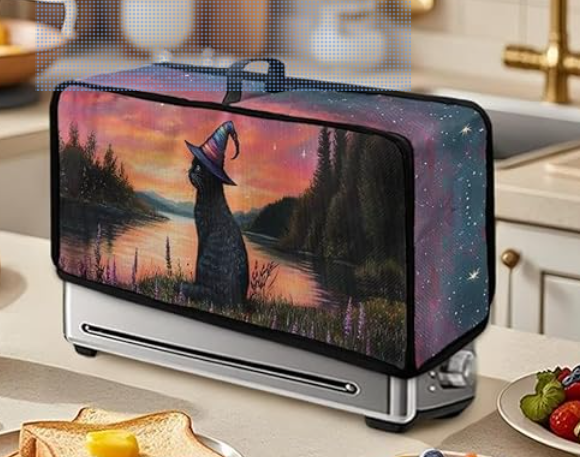
- Variable Reward Schedule: The inventory of available products on the Vine website constantly changes. Some days offer "nothing worthwhile," featuring bizarre or useless items like "pink plastic disposable party plates" or a "toaster cover with a cat wearing a witch hat." Other days, however, present genuinely valuable "scores" – high-ticket electronics, useful tools, or unique apparel. This unpredictable reward system, where desirable items appear intermittently, is a classic operant conditioning mechanism, compelling users to check back frequently, much like a slot machine player pulling a lever.
- Scarcity and Urgency: When a desirable item appears, it is often in limited supply, fostering a sense of urgency. Users are incentivized to claim it quickly before it disappears, activating the fear of missing out (FOMO). This perceived scarcity bypasses rational decision-making, leading to impulsive orders.
- Low Barrier to Entry: The act of "ordering" a free item is frictionless. A single click initiates the process, with no immediate monetary cost, reducing the psychological barrier to acquisition.
- Progress Tracking: The program’s tier system (Silver to Gold) provides a visible progress bar, gamifying the review process and encouraging participants to hit review quotas, even if it means ordering items they don’t truly need.
MMM observed himself checking the Vine page daily, even without a specific need, driven by the hope of finding a "score." This ritual, often yielding "busts" but occasionally a desirable item, perfectly illustrates the power of intermittent reinforcement in habit formation.

The Unintended Consequences: Accumulation, Waste, and Time Tax
The psychological hooks of Vine led to a cascade of unintended, negative consequences for MMM, directly contradicting his core philosophy of minimalism and environmental consciousness.
- Unnecessary Consumption: The allure of "free" prompted the acquisition of items that, upon reflection, were "pure nonsense." The initial goal of saving money by getting genuinely needed items was overshadowed by the compulsion to acquire.
- Environmental Impact: MMM noted a significant increase in "pollution and trash from its manufacturing and packaging." This accumulation of items, many of questionable utility, generated excessive cardboard waste, directly conflicting with his environmental values. The broader implications for e-commerce, where convenience often trumps sustainability, are evident. Packaging waste from online shopping has become a major environmental concern, with millions of tons of cardboard, plastic, and other materials entering landfills annually.
- Time Sink: The process of unboxing, photographing, testing, and batch-writing reviews became a "bunch of work that wasn’t really the best use of my time." Each review represented time diverted from more fulfilling activities, a subtle yet significant "time tax" on the supposedly "free" items.
- Loss of Autonomy: The program’s "reviewer-unfriendly features," such as poor search functionality and an opaque AI-based review evaluation system, highlighted the transactional nature of the arrangement. Reviewers were, in essence, "low-wage workers" operating within a system designed for Amazon’s benefit, with little agency or respect for their time. This echoed his prior "Uber Driving experiment," where he observed systemic inefficiencies but lacked the authority to implement improvements.
The Financial Realities: The 1099-NEC and Tax Implications

One critical aspect of the Amazon Vine program often overlooked by participants is its financial reporting requirement. Products received through Vine are not truly "free" in a tax sense. Amazon issues a Form 1099-NEC (Nonemployee Compensation) for the retail value of all items received by a Vine Voice if the total value exceeds $600 in a calendar year. This means the recipient is liable for income tax on the "Estimated Value" (ETV) of these products.
For MMM, this translated to approximately $7,000 worth of items in 2025, potentially incurring a tax liability of up to $1,750 at his estimated marginal tax rate of 25%. While a significant portion (around 75%) was for commercial use—construction supplies for his business or HQ renovations—which could be offset as business expenses, a substantial $1,000 worth of "pure nonsense" remained, leading to a direct tax bill of $250 as "penance."
A crucial update, informed by "wise readers," revealed a lesser-known tax strategy: the ability to mark down the estimated value by 80% before declaring it. This reduction acknowledges that opening and reviewing a product significantly diminishes its resale value. Consequently, MMM’s tax bill for the "nonsense" items could be reduced to around $50, a welcome, albeit belated, discovery. This detail underscores the complexities of navigating "free" product programs and the importance of understanding their full financial ramifications.

Reclaiming Control: "Fuck You Money" and Keystone Habits
The realization of this consumerism "bender" prompted a recovery phase for MMM. He recognized the habit had become a form of "laziness and procrastination," an easy online distraction from more impactful pursuits. His "Fuck You Money" philosophy—financial independence providing the ultimate freedom to reject undesirable work or obligations—became a powerful lens through which to view his Vine involvement. The program, despite its "free" offerings, imposed a form of "work" that lacked autonomy and genuine fulfillment, a stark contrast to his preferred state of being "the boss."
To disengage from the compulsive checking of the Vine page, MMM employed a "Keystone Habit" trick. He remapped his browser bookmark for the Vine page to his "Badassity Tracker," a personal chart of daily habits focused on physical activity, creative work, and overall well-being. This strategic redirection meant that instead of being drawn into the Vine portal, he was prompted to engage in activities that genuinely contribute to his happiness and productivity, effectively breaking the addictive loop.

Broader Implications: Lessons for Mindful Consumption and Financial Autonomy
MMM’s Amazon Vine experiment transcends a mere personal anecdote; it offers invaluable lessons for modern consumers navigating the complexities of e-commerce and the pervasive influence of behavioral nudges.
- Mindful Consumption: The experience serves as a cautionary tale against the allure of "free" and the potential for overconsumption, even for those with strong frugal instincts. It highlights the importance of truly evaluating needs versus wants, and the hidden costs—time, mental energy, environmental impact, and taxes—associated with seemingly zero-cost acquisitions.
- Behavioral Awareness: It underscores the power of platform design in shaping user behavior. Understanding mechanisms like variable rewards and scarcity can empower individuals to resist manipulative marketing tactics and make more conscious choices.
- The "One More Year Syndrome": MMM drew a parallel between his Vine addiction and the "One More Year Syndrome" observed in financially independent individuals who continue working despite having enough money to retire. Both scenarios involve continued engagement with a system, despite diminishing returns or even negative impacts, driven by habit, perceived benefits, or the psychological inertia of an established routine.
- Value of Autonomy: The journey reinforces the profound value of financial independence not just as a means to accumulate wealth, but as a shield against involuntary "work" and an enabler of personal autonomy. The ability to walk away from systems that demand compliance without offering true fulfillment is a cornerstone of the financial independence movement.
In conclusion, Mr. Money Mustache’s entanglement with the Amazon Vine program evolved from an opportunistic venture into a powerful, albeit unexpected, lesson in behavioral economics, mindful consumption, and the enduring importance of aligning actions with core values. While it yielded some genuinely useful items, it ultimately revealed the insidious nature of gamified consumption and the "tax"—both financial and personal—that can accompany seemingly "free" offerings. His disengagement, rooted in self-reflection and strategic habit redirection, provides a compelling blueprint for anyone seeking to reclaim control over their consumption patterns in an increasingly hyper-stimulated digital marketplace. The core message remains: continuous self-assessment and a willingness to question ingrained patterns are essential for steering one’s life onto a path of true fulfillment, far removed from the siren call of endless, "free" acquisitions.