
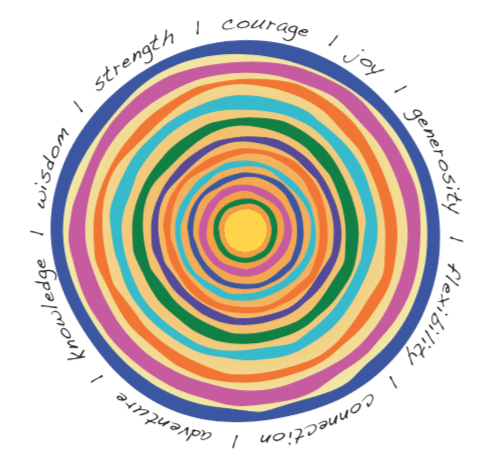

Our society, deeply entrenched in a pervasive bias towards youth, often overlooks and undervalues the significant contributions and potential of its aging population. This cultural narrative, while widely acknowledged, presents a critical juncture for individuals and communities: how do we navigate this reality and foster a more positive and empowering approach to growing older? The emerging concept of "aging with gusto" offers a compelling framework, emphasizing the profound impact of our mindset on the aging process itself.
Donna Comer, coordinator and facilitator for the "Aging with Gusto" program, a vital initiative of the Vital Aging Network, underscores this point. "How we think about aging has a big impact on how we age," she stated. This simple yet powerful observation is backed by compelling research. Studies indicate that individuals who hold more positive perceptions of aging tend to live significantly longer, with an average increase of 7.5 years compared to those with negative outlooks. Conversely, the perception of being a burden on others can diminish an older adult’s sense of self-worth, increasing their vulnerability to depression and social isolation – conditions recognized as significant health risks, often termed "silent killers" among the elderly population.
The Power of Positive Perceptions
The notion that positive views of aging are crucial is gaining traction across various organizations and research institutions. Comer emphasizes that while acknowledging the inherent challenges of growing older, raising societal awareness and fostering a deeper appreciation for the multifaceted contributions of individuals across all age groups are paramount. This, she argues, is the foundational step towards cultivating more optimistic perspectives on both retirement and the broader experience of aging.
This perspective is echoed by Jo Ann Jenkins, CEO of AARP and author of the influential book Disrupt Aging: A Bold New Path to Living Your Best Life at Every Age. Jenkins consistently advocates for a paradigm shift, highlighting not only the increasing longevity of individuals but also the enhanced quality of life they are experiencing. Her work, along with the resources available on the Disrupt Aging website, actively challenges long-held stereotypes and celebrates the dynamic and evolving nature of later life.
Shattering Stereotypes: A Call to Action
The stark contrast between societal stereotypes and the reality of aging was vividly illustrated at an arts and aging conference attended by this publication. In a powerful demonstration, the keynote speaker invited audience volunteers to embody the perceived characteristics of individuals at ages 70, 80, and 90. The volunteer portraying 70 moved with tentative, small steps; the 80-year-old hobbled with a cane, pausing frequently for breath; and the 90-year-old relied on a simulated wheelchair. The room’s assumptions were dramatically disrupted when an actual 90-year-old, revealed to be a marathon runner, sprinted from the back of the auditorium and effortlessly joined the volunteers on stage. This spontaneous event served as a potent visual metaphor, dismantling preconceived notions about the physical capabilities and vitality associated with advanced age.
A similar initiative by AARP further illuminated this disconnect. In a widely shared video, millennials were tasked with demonstrating what "old" looked like, performing actions such as struggling with a text message, gingerly navigating imaginary stairs, and failing to execute a single push-up. The stark contrast emerged when these millennials met with older adults who not only performed these tasks with ease but also tackled more demanding activities. The millennials’ astonishment underscored a widespread societal deficit in understanding the realities of modern aging.
While aging can unfortunately be accompanied by ageism – the tendency to view older individuals as infirm, unworthy of attention, or unfit for employment – these perceptions are not immutable. The key lies in recognizing that ageism and the natural processes of aging are not inextricably linked.
Lessons from Longevity: The Blue Zones Approach
This philosophy aligns with the research of longevity expert Dan Buettner, author of The Blue Zones: Lessons for Living Longer from the People Who’ve Lived the Longest. Buettner’s extensive studies of populations with exceptional longevity reveal nine core habits that contribute to extended and fulfilling lives. These "Blue Zones" offer practical, evidence-based insights for individuals seeking to not only add years to their lives but also enhance the quality of those years.
The nine habits identified in Blue Zones include:
- Move Naturally: Incorporating regular, natural movement into daily routines, such as walking, gardening, and manual labor, rather than relying on structured exercise alone. This is observed in the Okinawans’ constant moderate activity and the Sardinians’ daily walks across hills.
- Purpose (Ikigai/Plan de Vida): Having a clear sense of purpose, or a reason to wake up in the morning, has been consistently linked to longer lifespans. In Okinawa, this is known as "ikigai," while in Nicoya, Costa Rica, it’s referred to as "plan de vida."
- Down Shift: Developing routines to shed stress. This could involve napping, prayer, meditation, or simply taking time for quiet reflection. The Seventh-day Adventists in Loma Linda, California, often incorporate downtime into their Sabbath observance.
- 80% Rule (Hara Hachi Bu): A Confucian mantra meaning "eat until you are 80% full." This practice of mindful eating helps prevent overconsumption and contributes to healthier weight management.
- Plant Slant: A diet primarily consisting of legumes, whole grains, fruits, and vegetables. While meat is consumed, it is typically in smaller quantities and less frequently. The diets in Ikaria, Greece, are rich in vegetables, olive oil, and wild greens.
- Wine @ 5: Moderate, regular consumption of alcohol, particularly red wine, with meals and in social settings. In Sardinia, the local Cannonau wine, rich in antioxidants, is often enjoyed with friends and family.
- Belong: Belonging to a faith-based community has been shown to add years to life. Research indicates that attending religious services regularly can add 4-14 years to life expectancy.
- Loved Ones First: Prioritizing family and fostering strong, supportive relationships. This includes keeping aging parents and grandparents nearby and investing time in children and grandchildren.
- Right Tribe: Associating with people who support healthy behaviors and a positive outlook on life. This "chosen family" can significantly influence an individual’s lifestyle choices and overall well-being.
The Broader Impact and Implications
The implications of embracing an "aging with gusto" mindset extend far beyond individual well-being. A society that actively challenges ageist stereotypes and celebrates the vitality of its older adults stands to benefit immensely. This includes leveraging the wealth of experience and knowledge held by older generations, fostering intergenerational connections, and building more inclusive and resilient communities.
The Vital Aging Network’s "Aging with Gusto" program, along with AARP’s "Disrupt Aging" initiative, represent significant efforts to shift public perception. By providing resources, promoting positive narratives, and highlighting the achievements of older individuals, these organizations are actively contributing to a cultural transformation. The success of such programs lies in their ability to equip individuals with the tools and the mindset to not just age, but to thrive, contributing their unique talents and perspectives throughout their lives.
Looking Ahead: A Future of Vibrant Aging
The journey towards a more positive and empowering approach to aging is ongoing. As individuals and as a society, the commitment to understanding, appreciating, and actively participating in the aging process with enthusiasm and purpose is crucial. The evidence is clear: our perceptions shape our reality, and by cultivating a "gusto" for aging, we unlock the potential for longer, healthier, and more fulfilling lives, enriching not only our own experiences but also the fabric of our communities.
For those seeking to delve deeper into this transformative approach, resources such as AgingWithGusto.com and BlueZones.com offer valuable insights and actionable strategies. The ongoing dialogue and evolving research in this field promise a future where aging is not viewed as a decline, but as a dynamic and rewarding stage of life, brimming with opportunities for continued growth, contribution, and joy.