
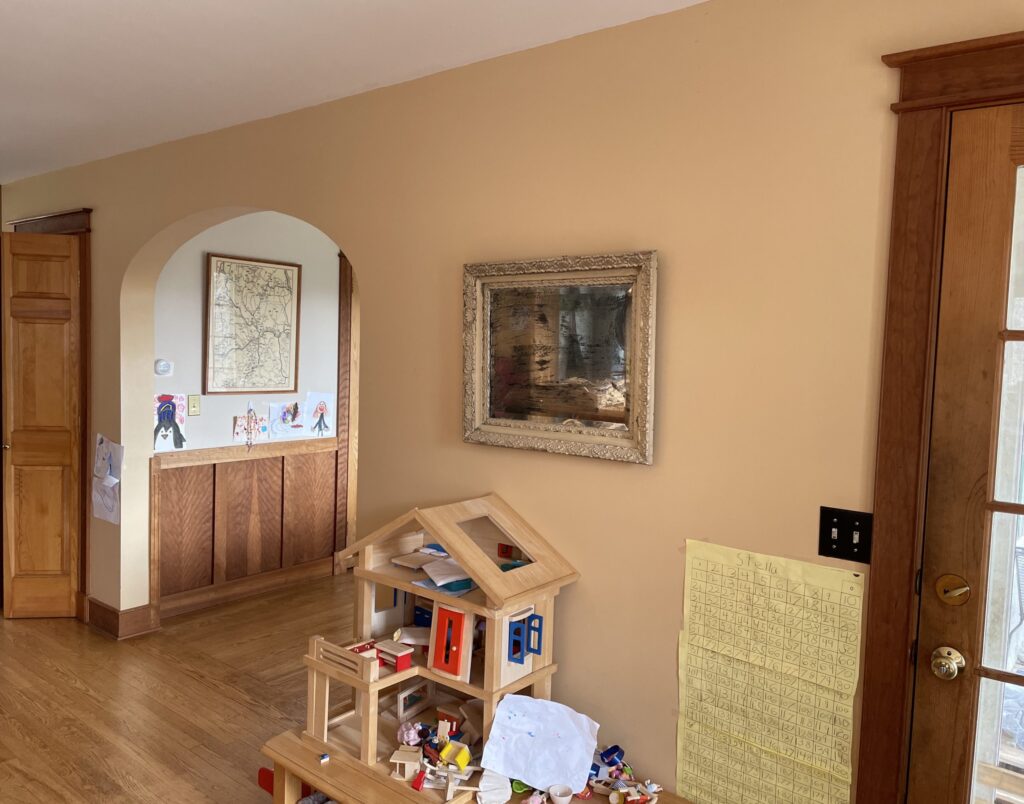

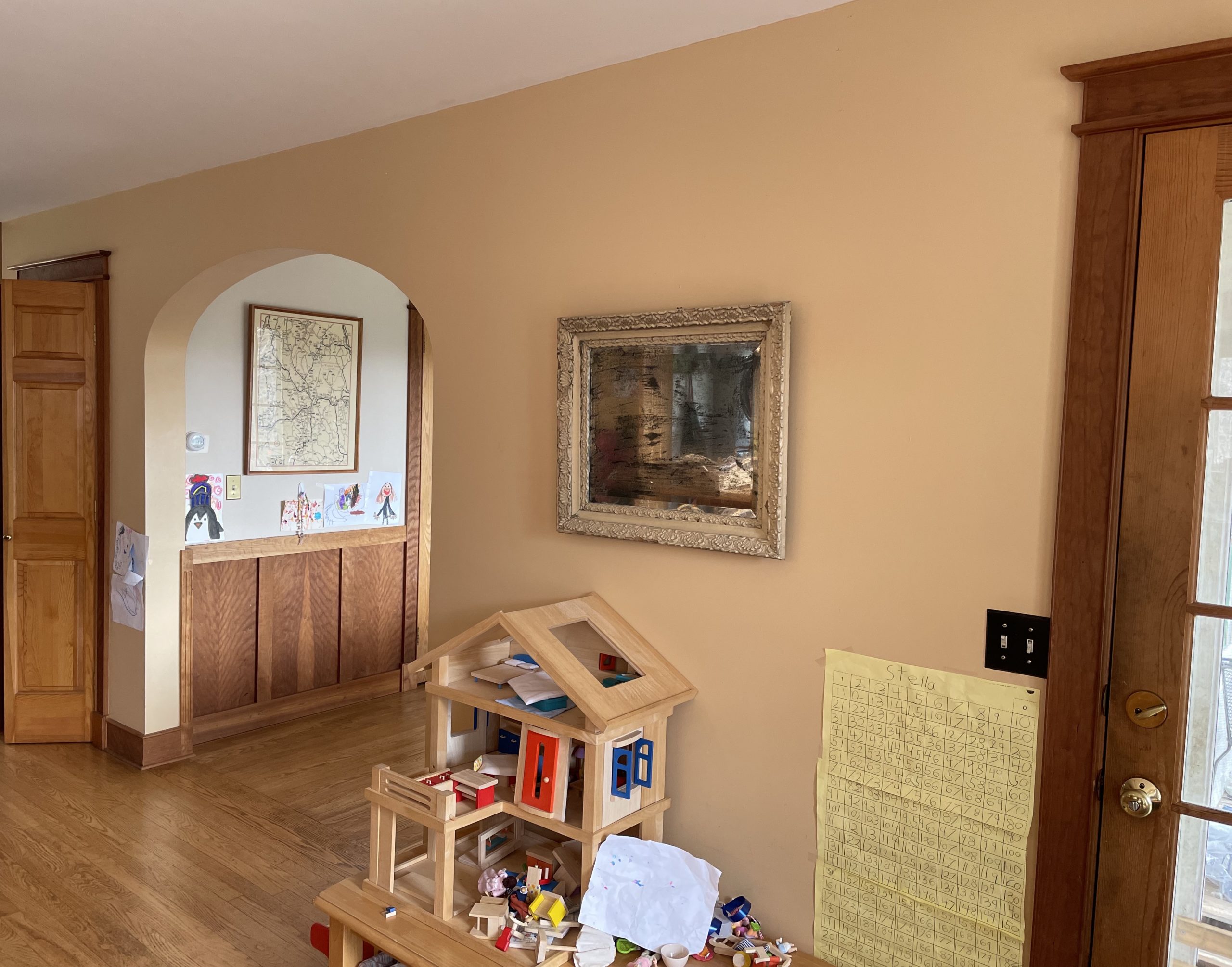
The modernization of residential properties often necessitates significant structural interventions to align older architectural layouts with contemporary living standards. In a recent detailed case study of a home built circa 1991, the removal of a primary load-bearing wall serves as a benchmark for complex, multi-disciplinary renovation projects. This specific intervention aimed to eliminate a restrictive arched wall that historically bifurcated the kitchen and dining areas from the primary living space. While such modifications are frequently sought for their aesthetic and functional benefits, the technical execution and financial oversight required for this project highlight the intersection of professional engineering, licensed trade labor, and strategic "sweat equity."
Technical Challenges and Structural Integration
The subject property, a single-family residence constructed in the early 1990s, featured a floor plan characteristic of that era, emphasizing compartmentalized living spaces. The wall in question was not merely a visual barrier but a critical utility corridor and structural component. Before the demolition phase could commence, a comprehensive audit identified three primary functions of the partition: it served as a load-bearing support for the second story, a housing unit for a central plumbing stack, and a conduit for the home’s primary electrical distribution box.
The complexity of removing a load-bearing wall that also serves as a utility hub cannot be overstated. Structural engineers and architects typically advise that such projects require a "phased mitigation strategy." In this instance, the project leads prioritized structural integrity by commissioning an architect to perform precise beam calculations. This professional oversight ensured that the replacement support system—a recessed beam—would safely distribute the weight of the upper floor to the foundation.

Chronology of the Renovation Process
The project followed a logical progression designed to minimize structural risk while maximizing cost efficiency. The timeline was divided into five distinct phases:
- Preparation and Demolition: The initial phase involved the manual removal of non-structural elements, including drywall and decorative chair rails. By performing this "grunt work" internally, the homeowners reduced initial labor costs, allowing for a larger allocation of funds toward specialized trades.
- Systems Rerouting: Following the exposure of the home’s internal systems, a licensed plumber was contracted to reroute the plumbing stack. This involved a complex "zig-zag" configuration through the ceiling joists and down a corner of the pantry. Simultaneously, an electrician was engaged to relocate the electrical box and reroute the wiring that had previously been housed within the wall.
- Temporary Support and Carpentry: To facilitate the installation of the new support beam, a temporary support wall was constructed. The project lead utilized an innovative "ladder" system to incrementally elevate the heavy structural beam into place.
- Structural Reinforcement: The installation of the recessed beam represented the project’s technical peak. By recessing the beam into the ceiling rather than allowing it to hang below the ceiling line, the project achieved a seamless, "flush" transition between rooms, which is highly valued in modern real estate markets.
- Finishing and Future Integration: The final stages, including drywalling, flooring repairs, and painting, were scheduled to coincide with future kitchen updates. This strategic delay allows for additional electrical work—specifically kitchen lighting—to be completed while the ceiling remains accessible, preventing the need for repetitive demolition.
Financial Analysis and Budgetary Oversight
A critical component of this case study is the transparency regarding project expenditures. During the peak month of the structural modification (June), the total household expenditure reached $5,044.63. A significant portion of this budget was directly attributed to the renovation.
Direct Renovation Expenses:
- Lumber and Drywall: $703.53. This covered the materials for the temporary support structures, the permanent recessed beam, and the replacement drywall.
- Home Improvement Tools and Supplies: $600.61. Essential acquisitions included a bottle jack for beam elevation, specialized fasteners, Simpson brackets for structural joining, and various masonry and drywall tools.
- Professional Electrical Services: $494.98. This fee covered the rerouting of essential circuits and the installation of new recessed lighting to improve the functional utility of the dining area.
The financial data indicates that while the homeowners utilized DIY labor for carpentry and demolition, they did not bypass professional expertise for high-risk tasks. The total investment in the wall removal project represents a calculated capital improvement intended to increase the long-term market value of the property.
Strategic Cost Mitigation and Operational Efficiency
To offset the high costs of structural renovation, the homeowners employed several advanced fiscal strategies. These methods illustrate how disciplined personal finance can support large-scale home improvements.
Utility and Service Optimization
The property owners reported a monthly cellular service cost of only $28.24 for two lines. This was achieved by utilizing a Mobile Virtual Network Operator (MVNO), which resells service from major carriers at a significantly lower price point. Furthermore, the home’s electrical bill was maintained at a base connection fee of $36.42, a result of a previous capital investment in solar energy. Such operational efficiencies provide the necessary cash flow to fund major renovation phases without incurring high-interest debt.
Capital Management and Rewards
The project utilized a cash-back credit card strategy for all material purchases, netting a 2% return on all spending. In the month analyzed, this resulted in $88.90 of "passive" income. Additionally, the homeowners maintained their renovation sinking funds in high-yield savings accounts, currently earning approximately 4% interest. On a $5,000 balance, this generates $200 annually, effectively subsidizing smaller tool or material costs.
Professional Perspectives and Market Implications
Real estate analysts often point to open-concept conversions as one of the most reliable ways to increase a home’s "liquidity" and appeal. According to industry data, homes with open sightlines between the kitchen and living areas tend to sell faster and at a premium compared to compartmentalized 1990s designs.
Architects involved in similar residential projects emphasize the importance of the "flush beam" approach. "While an exposed drop-beam is cheaper and easier to install, a recessed beam preserves the visual continuity of the ceiling, which is a hallmark of high-end design," states an industry report on residential structural trends. The decision to hire a professional for plumbing and electrical work is also noted as a vital step for ensuring that the home remains compliant with local building codes, which is essential for any future sale.

Inferred reactions from the professional tradespeople involved suggest that the project was "unusually complex" due to the convergence of three major systems in a single partition. The plumber’s "zig-zag" rerouting through the ceiling is cited as a creative solution to a common architectural bottleneck in two-story homes.
Broader Impact and Conclusion
This renovation serves as a comprehensive example of how homeowners can manage complex structural changes through a blend of professional consultation and self-taught carpentry. By breaking the project down into manageable phases and maintaining rigorous financial tracking, the "menace wall" was successfully removed without compromising the home’s structural or financial stability.
The project highlights a growing trend in the "slow renovation" movement, where homeowners prioritize quality and debt-free progress over the rapid, often superficial "flips" popularized by reality television. As the homeowners move toward the next phase—the kitchen remodel—the infrastructure is now in place to support a modern, integrated living environment. The successful removal of this load-bearing partition not only improves the daily flow of the household but also serves as a testament to the efficacy of strategic planning and fiscal discipline in the realm of residential real estate improvement.
Ultimately, the $5,044.63 spent in June represents more than just a monthly expense; it is a strategic allocation of capital into a tangible asset. As the real estate market continues to favor open, light-filled spaces, the ROI of such technical interventions remains high, provided they are executed with the level of structural and financial scrutiny demonstrated in this case study.