
Last winter, a seemingly innocuous product review initiated a surprising nine-month saga for Mr. Money Mustache, the renowned proponent of financial independence and frugality. After posting a five-star review for a heated vest purchased on Amazon, he received an invitation to join Amazon Vine, an exclusive program offering free products in exchange for reviews. What began as an intriguing opportunity to acquire useful items for free quickly evolved into an unexpected experiment in consumer psychology, revealing the subtle yet powerful mechanisms that can hijack even the most disciplined financial habits. The experience, detailed by the blogger, offers a compelling case study into the behavioral economics of online platforms and the true cost of "free" goods.
Understanding Amazon Vine: An Elite Reviewer Program

Amazon Vine, established in 2007, is an invitation-only program designed to generate high-quality, unbiased reviews for new and pre-release products. Members, known as "Vine Voices," are selected by Amazon based on their reviewer rank, which reflects the helpfulness and quality of their past reviews. Once invited, Vine Voices can request products from a special catalog and are expected to review at least 80% of the items they order within a specified timeframe to maintain their status. The program benefits sellers by providing early product visibility and credible feedback, while offering reviewers access to a vast array of goods at no upfront monetary cost. For many, the appeal lies in the potential to acquire desired items, ranging from household necessities to niche electronics, without spending out-of-pocket.
Mr. Money Mustache, known for his commitment to anti-consumerism and minimalist living, initially viewed the invitation as a "cool" perk. Having already written product reviews altruistically, he saw an opportunity to be "rewarded" for an activity he enjoyed. He anticipated saving money by obtaining items he genuinely needed for his construction business and the MMM-HQ Coworking space. This initial assessment seemed aligned with his frugal philosophy, transforming potential purchases into free acquisitions. Over the nine-month period, he reported saving "at least a few thousand dollars" on tools, materials, and other useful items. Furthermore, a secondary motivation was to conduct a real-world experiment to document and share insights with his readership, which he ultimately achieved through this article.
The Descent into Digital Consumerism: A Behavioral Science Perspective

Despite the initial positive outlook and genuine utility of some acquisitions, the experience quickly exposed the insidious nature of Amazon Vine’s design, which, according to Mr. Money Mustache, mirrored the manipulative tactics found in modern gambling platforms and social media algorithms. Drawing parallels to Michael Easter’s book "Scarcity Brain," he identified how the program exploited two fundamental weaknesses in human evolutionary programming: an insatiable desire for more and a constant search for novelty.
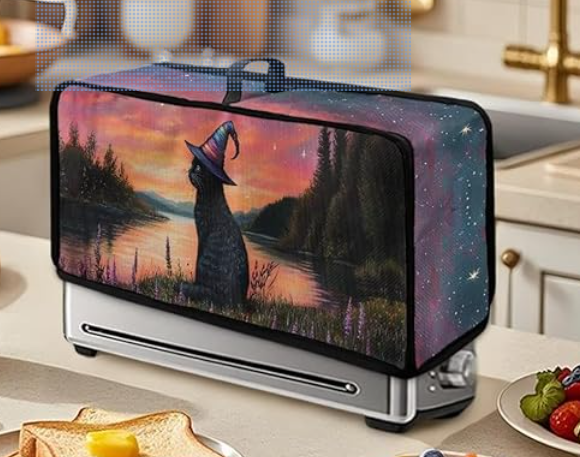
The Vine platform, he observed, operates on a variable reward schedule, a potent psychological driver. Upon logging into the exclusive "reviewers only" website, participants are presented with an unpredictable assortment of items. Most days, the offerings are "nothing worthwhile," filled with "pink plastic disposable party plates" or "a toaster cover with a cat wearing a witch hat." However, "occasionally, there will be genuinely useful things like super nice light fixtures, tools and plumbing parts, an EV charger, and even some clothing." This intermittent reinforcement, where desirable items appear just often enough amidst a sea of undesirable ones, compels users to check the platform frequently, anticipating the next "score." This mechanism is a cornerstone of addictive design, keeping users engaged and constantly seeking the elusive high of a valuable find.
The scarcity principle further amplifies this effect. Products often appear in limited quantities and are quickly claimed, creating a sense of urgency. Mr. Money Mustache recounted checking the Vine page daily, "even when I didn’t actually need anything," driven by the fear of missing out on a potentially valuable item. This constant vigilance and rapid decision-making bypass rational thought, leading to impulsive orders. Examples of items he procured, beyond practical construction supplies, included a "ridiculous Eagle shirt" and "super-realistic artificial plants," highlighting the program’s capacity to induce purchases that might otherwise be deemed frivolous. He even involved friends and coworkers, sharing the "bounty" and the "fun of laughing at some of the ridiculous products available," further normalizing and embedding the behavior. A "totally-not-photoshopped cold plunge" was also listed among the "scores."

The Unintended Consequences: A Conflict of Values and Time
As the experiment progressed, Mr. Money Mustache noticed a growing unease. The constant influx of packages led to an overflowing recycling bin, contradicting his core values of minimizing waste and environmental impact. The time spent unpacking, photographing, and batch-writing reviews, though efficient, was time he "would rather spend doing something else." His son and girlfriend began to "laughing at some of my more frivolous purchases," prompting him to "discreetly tuck away the boxes" to evade scrutiny—a clear indicator of the behavior’s problematic nature. The initial joy of "free stuff" was increasingly overshadowed by the hidden costs of time, environmental footprint, and a creeping sense of consumerist compulsion.
The program’s design, he noted, also contributed to reviewer fatigue and frustration. The search functionality was "crap," with no options to filter or sort results, forcing users to "look through everything" regardless of relevance. This deliberate design, he surmised, demonstrated Amazon’s disregard for the reviewers’ time, treating them as "low-wage workers rather than any form of VIP." Furthermore, the "hilariously bureaucratic AI-based evaluation system" would occasionally flag "totally tame, factual reviews" for "Not meeting our Community Standards" without explanation, requiring tedious edits and re-submissions. These frustrations, while annoying, paradoxically contributed to his eventual disengagement by diminishing the perceived value of participation.

Financial and Tax Realities: The True Cost of "Free"
A critical aspect of the Amazon Vine program, often overlooked by participants, is the tax implication. Amazon tracks the estimated retail value (ERV) of all products received and issues a 1099-NEC form to participants at the end of the year. This means the "free" items are considered taxable income. Mr. Money Mustache reported receiving approximately $7,000 worth of items in 2025, which initially translated to an estimated tax liability of $1,750, assuming a marginal tax rate of 25%.
However, a crucial update from experienced Vine reviewers highlighted a potential reduction in this tax burden. Many argue that the fair market value of an item, once opened and reviewed, is significantly less than its retail value, often by as much as 80%. This "50/200 rule" or similar principles, when applied, could reduce the declared taxable income and consequently the tax bill. In Mr. Money Mustache’s case, this advice suggested his tax liability for the "pure nonsense" items (estimated at $1,000) could drop from $250 to a mere $50. This clarification underscores the complex financial nuances of participation and the need for due diligence regarding tax obligations. He noted that about 75% of his acquired items were for commercial use in his business, effectively converting them into income-generating assets rather than pure personal consumption.

Broader Implications: Work, Autonomy, and the "One More Year Syndrome"
Mr. Money Mustache drew profound life lessons from his Amazon Vine experience, connecting it to broader themes of work, autonomy, and financial independence. The repetitive, often frustrating tasks of sifting through irrelevant products, reviewing items, and navigating a clunky system, devoid of any creative input or decision-making power, mirrored the characteristics of unfulfilling conventional employment. He compared it to his 2017 Uber Driving experiment, where he immediately identified system improvements but lacked the authority to implement them.
This realization reinforced the immense value of "Fuck You Money" – the financial freedom that allows individuals to choose their work, dictate their terms, and avoid situations where they are merely cogs in a machine. After 20 years of financial independence, the Vine program served as a stark reminder of the importance of being "the boss" of one’s own time and efforts. The experience also shed light on the "One More Year Syndrome," where individuals, even when financially able to retire, continue working due to ingrained habits, fear of the unknown, or a subconscious addiction to the routine and perceived benefits of their job. The compulsive checking of Vine offerings, even when not needed, echoed this phenomenon.

Disengagement and the Path to "Badassity"
The turning point for Mr. Money Mustache came with the realization that his Vine habit was a form of "laziness and as a form of procrastination," diverting him from activities that genuinely brought joy and fulfillment. His recovery involved a deliberate application of behavioral science principles. Instead of explicitly canceling his Vine account, he employed the "Keystone Habit" trick, remapping his browser bookmark for the Vine page to his "Badassity Tracker"—a personal chart of daily habits aimed at improving physical and mental well-being. Now, clicking the former Vine bookmark directs him to a reminder to engage in exercise, effectively replacing an undesirable habit with a positive one.
This strategic disengagement highlights the power of environmental design and habit modification in overcoming addictive patterns. He acknowledged that publicly detailing his Vine experience might violate the program’s terms and conditions, potentially leading to his removal. However, the educational value of the experiment, he felt, outweighed this risk.

The Amazon Vine journey, though seemingly a minor personal anecdote, offers significant insights into the pervasive influence of digital platforms on consumer behavior. It underscores how carefully constructed incentive systems can leverage fundamental human psychological vulnerabilities, leading to unintended consequences like overconsumption, time waste, and a subtle erosion of personal values. Mr. Money Mustache’s account serves as a cautionary tale and a call to continuous self-reflection, urging individuals to question their habits, assess the true costs of perceived "freebies," and prioritize activities that align with their long-term goals and values. The story emphasizes that even small course corrections in daily habits can lead to profound differences in life’s trajectory, reinforcing the core tenets of mindful living and financial autonomy.