
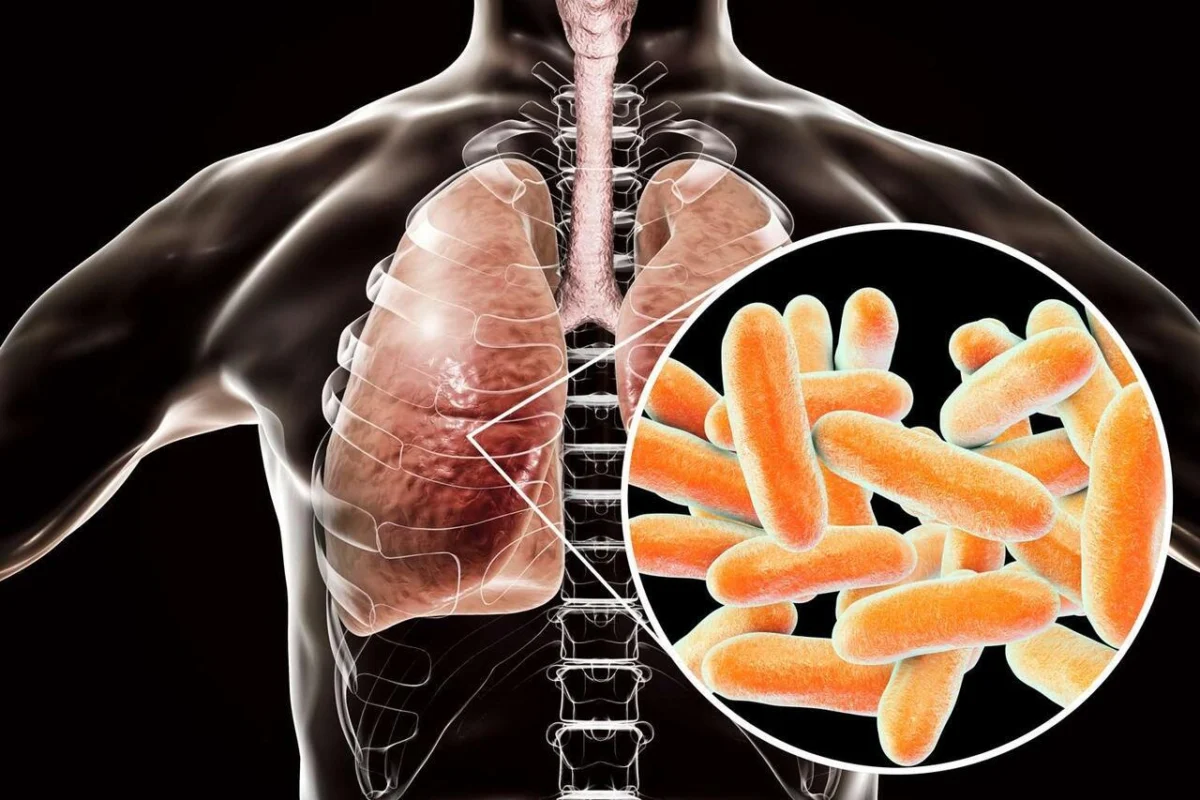
New York City health officials are intensively tracking a burgeoning outbreak of Legionnaires’ disease, a severe form of pneumonia, primarily concentrated in several affluent neighborhoods on Manhattan’s Upper East Side. The cluster of cases has seen a rapid increase since its initial detection, prompting immediate public health advisories and a comprehensive investigation into the source, suspected to be a contaminated water cooling tower. The escalating numbers underscore the persistent public health challenge posed by environmental pathogens in dense urban environments and highlight the critical importance of vigilant surveillance and rapid response protocols.
Chronology of the Outbreak and Official Response
The first indications of a developing public health concern emerged on Saturday, July 3, when health authorities reported a cluster of 10 confirmed cases of Legionnaires’ disease. This initial notification triggered an immediate investigation by the New York City Department of Health and Mental Hygiene (DOHMH). The situation quickly escalated; by late Sunday, July 4, the number of confirmed cases had risen to 14, indicating a concerning trajectory. The most recent update, provided by officials on July 5, confirmed 18 cases, all presenting with symptoms consistent with the severe respiratory illness.
The affected areas are specifically clustered within three contiguous zip codes: 10028, 10128, and 10075. These areas encompass a significant portion of the Upper East Side, a densely populated residential and commercial district known for its numerous high-rise buildings, many of which utilize water cooling towers as part of their climate control systems.
Upon identifying the cluster, the DOHMH swiftly activated its public health response protocols. This included issuing an urgent public health advisory on July 3, urging residents and those who have visited the specified zip codes since late June to monitor for flu-like symptoms. Dr. Alister Martin, New York City Health Commissioner, emphasized the importance of immediate medical consultation for anyone experiencing such symptoms. The DOHMH also launched an extensive environmental investigation, focusing on the rigorous testing of all cooling towers within the identified geographic radius, a standard procedure in Legionnaires’ disease outbreaks. Owners of buildings with cooling towers that test positive for Legionella bacteria are being directed to undertake full remediation measures without delay.
Understanding Legionnaires’ Disease: A Clinical Overview
Legionnaires’ disease is a serious and potentially fatal form of pneumonia caused by the bacterium Legionella pneumophila and related species. Discovered in 1976 following an outbreak at an American Legion convention in Philadelphia, the disease typically presents with a range of symptoms that can easily be mistaken for influenza, making early diagnosis challenging. Common symptoms include fever, chills, headache, muscle aches, and fatigue. As the infection progresses, more severe respiratory symptoms develop, such as a persistent cough (which can sometimes produce blood), shortness of breath, and chest pain. Some patients may also experience gastrointestinal symptoms like nausea, vomiting, and diarrhea, as well as neurological symptoms such as confusion or altered mental status.
The incubation period for Legionnaires’ disease usually ranges from 2 to 10 days, though it can extend up to two weeks. While the disease is treatable, primarily with antibiotics like macrolides (e.g., azithromycin) or fluoroquinolones (e.g., levofloxacin), timely diagnosis and initiation of treatment are crucial. Left untreated, Legionnaires’ disease can lead to severe complications, including respiratory failure, septic shock, multi-organ failure, and ultimately, death. The overall fatality rate can range from 5% to 30%, depending on the patient’s underlying health conditions and the promptness of medical intervention. As of the current reports, no deaths have been associated with this particular Upper East Side outbreak, which is a positive indicator of rapid public health action and potential early diagnosis.
The Science Behind the Spread: Legionella and Water Systems
Unlike many other infectious diseases, Legionnaires’ disease is not transmitted from person to person. Instead, individuals contract the illness by inhaling aerosolized water droplets or mist containing the Legionella bacteria. These bacteria are naturally occurring in freshwater environments, such as lakes and streams, but they can become a public health threat when they proliferate in man-made water systems. Legionella thrives in warm, stagnant water, particularly within temperatures ranging from 68°F to 122°F (20°C to 50°C), making certain artificial environments ideal breeding grounds.
Key sources for Legionella amplification and aerosolization include:
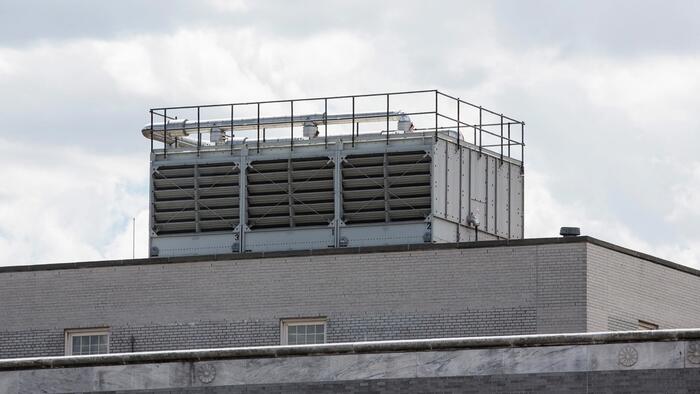
- Cooling Towers: These large structures, typically found on rooftops of commercial and industrial buildings, are used to cool water that circulates through air conditioning systems. They release water vapor into the atmosphere, which can carry the bacteria over considerable distances.
- Hot Tubs and Spas: Warm temperatures and aeration create an ideal environment for bacterial growth and aerosolization.
- Large Plumbing Systems: Hospitals, hotels, and other large buildings with complex water systems can harbor Legionella in their pipes, showerheads, and faucets, especially if maintenance is inadequate.
- Decorative Fountains and Misters: Any system that creates fine water droplets can pose a risk.
In the current Upper East Side outbreak, health officials have identified a water cooling tower as the probable source of the bacteria. Cooling towers are a common vector in urban Legionnaires’ outbreaks due to their function of releasing fine water mist into the air, which can then be carried by winds, potentially infecting individuals who breathe in the contaminated aerosols. The DOHMH’s focused investigation on testing all cooling towers in the affected zip codes is a direct response to this known mode of transmission.
New York City’s Public Health Response
The New York City Department of Health and Mental Hygiene has been at the forefront of managing this unfolding public health situation. Their response has been multi-faceted, encompassing surveillance, investigation, communication, and mitigation efforts.
Upon the initial detection of a cluster, the DOHMH activated its epidemiologic surveillance network to identify and track new cases, gather patient information, and establish potential links. This involved interviewing patients about their recent activities and locations visited to pinpoint common exposures. Simultaneously, environmental health teams were deployed to the Upper East Side to conduct site visits and collect water samples from suspected sources, particularly cooling towers.
Public communication has been a critical component of the DOHMH’s strategy. Through official statements and social media channels, including their @nycHealthy X (formerly Twitter) account, they have issued advisories to residents and visitors of zip codes 10028, 10128, and 10075. These advisories emphasize vigilance for symptoms and immediate medical attention if symptoms arise. Importantly, the DOHMH has also sought to reassure the public by stating: "This is not an issue with any building’s plumbing system. It is safe for you to drink water, bathe, shower, cook, and use your air conditioner." This clarification is vital to prevent unnecessary panic and ensure residents continue to use air conditioning, especially during periods of extreme heat, which the city often experiences in early July. Misinformation regarding water safety could lead to other health risks, such as heat-related illnesses.
The DOHMH’s proactive stance includes directing building owners whose cooling towers test positive for Legionella to undertake immediate and thorough remediation. This typically involves cleaning and disinfecting the cooling towers to eliminate the bacterial contamination. Such measures are crucial not only to halt the current outbreak but also to prevent future occurrences from the identified source.
Vulnerable Populations and Critical Prevention Measures
While anyone can contract Legionnaires’ disease, certain individuals are at a significantly higher risk of developing the illness and experiencing severe complications. These vulnerable populations include:
- Individuals aged 50 and older: The immune system’s efficacy often declines with age.
- Smokers and Vapers: Smoking and vaping damage the lungs, making them more susceptible to respiratory infections.
- People with chronic lung diseases: Conditions such as emphysema, chronic obstructive pulmonary disease (COPD), or asthma compromise lung function.
- Individuals with weakened immune systems: This includes people undergoing chemotherapy, organ transplant recipients, those with HIV/AIDS, or individuals on immunosuppressant medications.
- People with underlying medical conditions: Diabetes, kidney failure, or liver disease can also increase susceptibility.
Given these risk factors, public health advisories are particularly crucial for residents within the affected zip codes who fall into these categories. Prompt medical consultation upon symptom onset is paramount for these individuals to ensure early diagnosis and effective treatment, which can significantly improve outcomes and prevent fatalities.
Prevention of Legionnaires’ disease primarily revolves around maintaining water systems to prevent Legionella growth. For cooling towers, this involves regular cleaning, disinfection, and adherence to water management plans. Building owners and facilities managers play a critical role in implementing these preventative measures.
Historical Precedent: Past Outbreaks in NYC
New York City has unfortunately experienced significant Legionnaires’ disease outbreaks in the past, serving as stark reminders of the disease’s potential impact and the ongoing need for robust public health infrastructure. These prior events have shaped the city’s current surveillance and response protocols.
One notable and recent outbreak occurred in Central Harlem in 2025, also in Manhattan. That cluster sickened 114 people and tragically resulted in seven deaths. This event undoubtedly influenced the swiftness and scope of the DOHMH’s current response on the Upper East Side. The Harlem outbreak, like many others, was linked to contaminated cooling towers, reinforcing their role as primary culprits in urban settings.
Another major outbreak that left a lasting impact on New York City’s public health policy occurred in the Bronx in 2015. This was one of the largest Legionnaires’ outbreaks in the city’s history, sickening 128 people and causing 12 deaths. The 2015 Bronx outbreak led directly to the implementation of stringent new regulations for cooling towers across New York City. These regulations, codified under Local Law 77 of 2015, mandate that all cooling towers be registered with the DOHMH, undergo regular inspections, be tested for Legionella at least quarterly, and adhere to specific maintenance and disinfection protocols. Building owners are also required to develop and implement comprehensive water management plans for their cooling towers. These regulations were designed precisely to prevent future outbreaks like the one currently unfolding on the Upper East Side.

Regulatory Framework and Building Management Responsibilities
The current outbreak on the Upper East Side will undoubtedly test the effectiveness of these post-2015 regulatory measures. New York City’s stringent cooling tower regulations place a significant responsibility on building owners and managers to ensure their systems are properly maintained and regularly tested.
The DOHMH’s investigation includes verifying compliance with these regulations among buildings in the affected zip codes. If a cooling tower is identified as the source, the subsequent remediation process is critical. This typically involves:
- Immediate shutdown of the contaminated cooling tower.
- Thorough cleaning to remove biofilm, scale, and sediment where Legionella can thrive.
- Disinfection with high levels of biocides to kill remaining bacteria.
- Flushing and refilling the system.
- Re-testing to confirm the absence of Legionella before the tower is brought back online.
Failure to comply with these directives or negligence in maintaining cooling towers can result in significant fines and penalties for building owners, in addition to the public health consequences. This legal framework underscores the city’s commitment to preventing Legionnaires’ disease and holding property managers accountable for maintaining safe environmental conditions.
Broader Implications and Future Preparedness
The growing Legionnaires’ outbreak on the Upper East Side carries several broader implications. For the immediate future, it necessitates continued heightened vigilance from both public health officials and the community. The rapid increase in cases within a short timeframe indicates an active source of transmission, and the challenge lies in swiftly identifying and neutralizing it to prevent further infections.
Economically, prolonged outbreaks, even if contained, can impact local businesses and tourism, though the current scale is unlikely to cause widespread disruption. However, the costs associated with public health investigations, testing, remediation, and medical treatment for affected individuals are substantial.
From a public health policy perspective, this outbreak serves as a critical stress test for New York City’s existing regulatory framework and surveillance capabilities. It prompts questions about the frequency and thoroughness of inspections, the adherence of building owners to maintenance protocols, and the effectiveness of rapid response mechanisms. Lessons learned from this outbreak will likely inform future adjustments to city regulations and public health strategies, ensuring continuous improvement in protecting residents from environmental pathogens.
Moreover, in an era of climate change, where cities experience more frequent and intense heat waves, the reliance on cooling systems like air conditioners and their associated cooling towers is only expected to increase. This trend could potentially heighten the risk of Legionella proliferation if maintenance and regulatory oversight do not keep pace. Therefore, proactive measures, continuous innovation in water management technologies, and robust public awareness campaigns will be essential components of future urban public health preparedness strategies.
Conclusion
The current Legionnaires’ disease outbreak on Manhattan’s Upper East Side is a serious public health concern, with 18 confirmed cases and an ongoing investigation to identify and neutralize the source. New York City’s DOHMH is actively engaged in tracking the outbreak, testing cooling towers, and providing critical public health guidance. While the disease can be severe, early detection and treatment with antibiotics are highly effective, and there have been no reported fatalities in this current cluster. The city’s prior experiences with Legionnaires’ outbreaks have led to stringent regulations for cooling tower maintenance, which are now being rigorously applied. As the investigation progresses, continued public awareness, adherence to health advisories, and the diligent efforts of public health officials and building managers will be crucial in containing this outbreak and safeguarding the health of New York City residents.

