
Peter Adeney, widely known by his influential moniker Mr. Money Mustache, a prominent figure in the Financial Independence, Retire Early (FIRE) movement, is embarking on a significant four-month lifestyle experiment, relocating to Culdesac Tempe, Arizona. This innovative community, lauded as the United States’ first purpose-built car-free neighborhood, will serve as the backdrop for Adeney’s latest demonstration of deliberate life change and the practical application of his long-held philosophies on freedom and sustainable living. The move, commencing December 1st, signals a new chapter for Adeney, transitioning from the intense child-rearing phase to exploring new personal and communal frontiers, all while advocating for a paradigm shift in urban development.
A New Chapter for a FIRE Pioneer
Adeney’s journey into early retirement began in 2005, driven primarily by a desire for "freedom." This freedom, he articulated, was fundamentally about dedicating his prime hours to fatherhood, anticipating the demanding nature of a career in technology would conflict with the full-time responsibilities of raising children. Eighteen years later, his foresight has proven accurate, with early retirement affording him the flexibility to navigate life’s complexities, including significant personal hardships, while fostering new experiences. His son, affectionately known as Little MM in his writings, has now completed high school, marking the near conclusion of the intensive child-raising period that shaped much of Adeney’s initial retirement phase.
This personal milestone has opened the door for a new form of "freedom chip" investment: a temporary relocation to a warm, sunny environment specifically chosen for its progressive urban design. Culdesac Tempe, a community Adeney has previously lauded for its walkability, bikeability, and car-free ethos, represents an ideal testbed for his long-championed ideals of efficient, community-centric living. The decision to temporarily uproot from his long-time Colorado base underscores his commitment to continuous personal growth and challenging the comforts of routine, even after achieving financial independence.
Culdesac Tempe: A Blueprint for Car-Free Urbanism
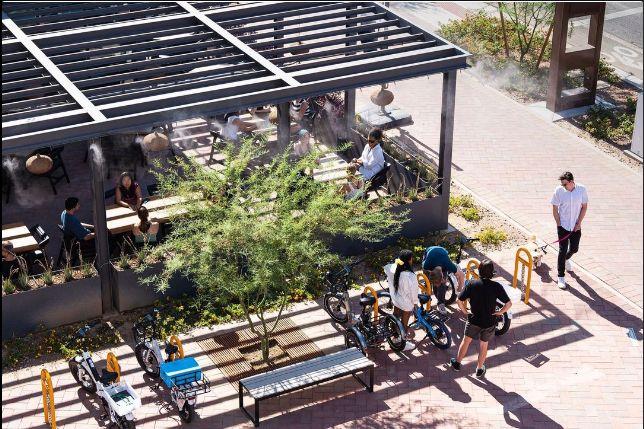
Culdesac Tempe stands as a groundbreaking development in urban planning within the United States. Located in Tempe, Arizona, this 1,000-person community, which opened its first phase in 2023, is explicitly designed around human-centric mobility rather than automotive dominance. Developed by Culdesac, Inc., the project seeks to demonstrate that vibrant, economically viable neighborhoods can thrive without personal car ownership as a prerequisite. Residents are encouraged to walk, bike, or utilize public transit, with the community featuring extensive pedestrian pathways, bike lanes, and direct access to Tempe’s light rail system.
The design principles of Culdesac Tempe incorporate mixed-use zoning, integrating residential units with retail, dining, and communal spaces within a compact footprint. This intentional design fosters spontaneous interactions, reduces commute times, and promotes a healthier, more active lifestyle. The absence of traditional parking lots allows for more green spaces, public plazas, and amenities, fundamentally altering the urban fabric and prioritizing community engagement over vehicular infrastructure. From an environmental perspective, car-free communities offer significant reductions in carbon emissions and local air pollution, aligning with broader sustainability goals. Economically, residents often benefit from substantial savings on car payments, insurance, fuel, and maintenance, redirecting these funds towards other investments or leisure activities—a core tenet of the FIRE movement.
The Tempe Transition: Logistics and Lifestyle Adjustments
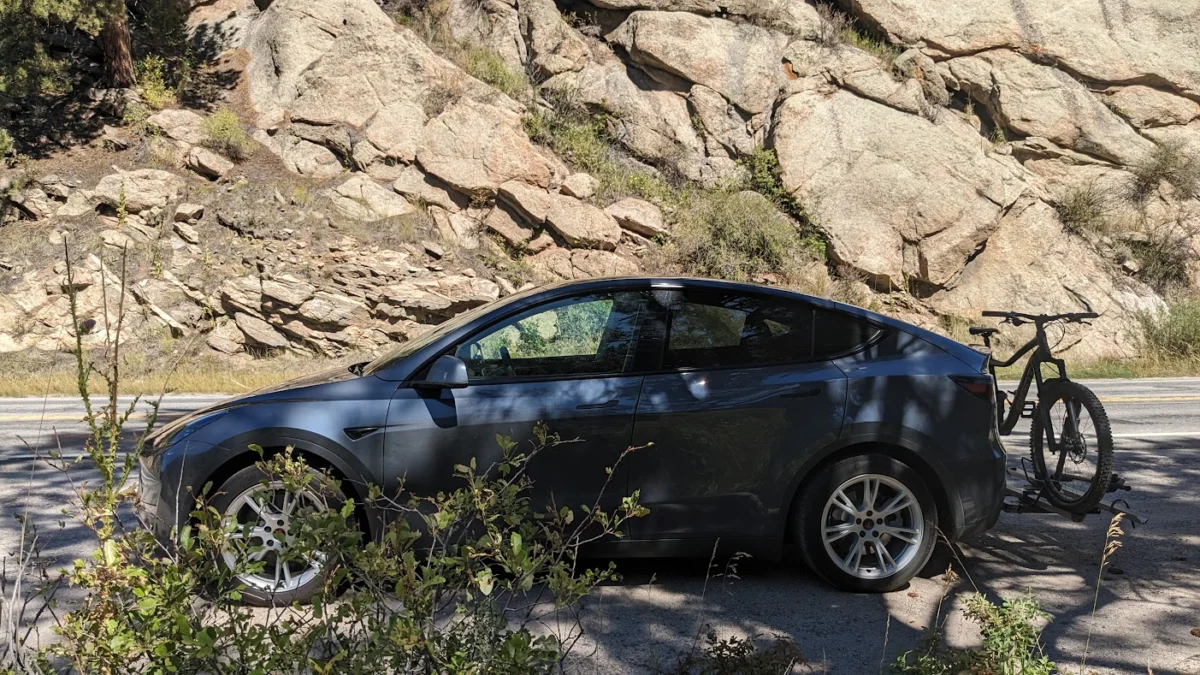
Adeney’s move to Culdesac Tempe is meticulously planned as a four-month immersion, beginning December 1st. He will undertake an "epic road trip" from Colorado, transporting essential belongings, tools, gadgets, and his mountain bike in his Tesla Model Y. This vehicle, however, will primarily serve as an electric moving truck. Upon arrival, it will be parked offsite, allowing Adeney to fully embrace the car-free lifestyle offered by Culdesac. This mirrors his usual practice in Colorado, where cars are reserved for heavy hauling or inter-city travel, a need that is further mitigated in Tempe by its robust light rail access and onsite bike, scooter, and car-sharing options provided by the community.
For the duration of his stay, Adeney has secured a spacious two-bedroom apartment within Culdesac Tempe. His son will join him for the initial journey and will subsequently alternate months between Arizona and Colorado, ensuring continued connection with both parents. This arrangement highlights the flexibility and intentional design of life post-early retirement, allowing for complex familial dynamics to be managed alongside personal pursuits. Back in Colorado, Adeney plans to rent out a portion of his home—a two-bedroom main floor and a separate lower-level apartment—to a trusted acquaintance. This strategy not only ensures the property is cared for but also embodies a classic "Mustachian" principle: generating income while enjoying new experiences, thereby maximizing financial efficiency.
Designing a New Life: Intentions and Activities in Arizona
The core motivation behind this temporary relocation, beyond escaping the Colorado winter, is to "invent a whole new life." Adeney acknowledges that this will involve moving away from the familiar comforts and established community of his home, presenting both a significant change and a challenge. He views such deliberate discomfort as essential for maintaining a life rich in meaning and joy, a consistent theme in his writings.
While the precise daily itinerary remains fluid, Adeney has outlined several key intentions for his time in Arizona:
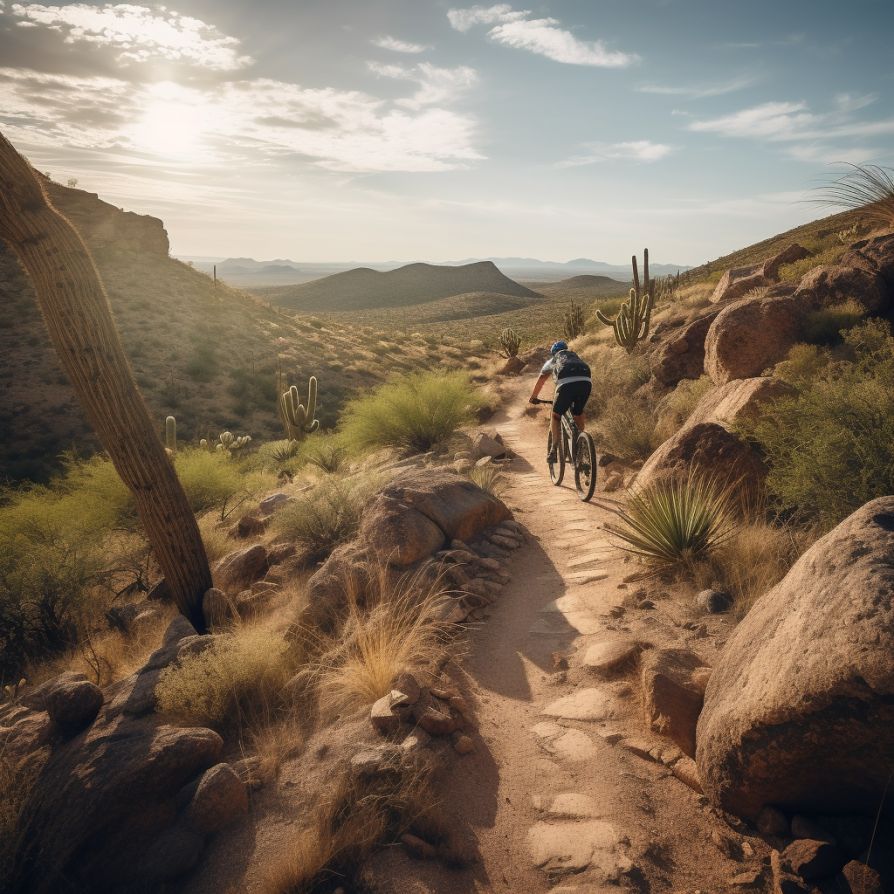
- Active Exploration: He plans to extensively explore the Tempe and greater Phoenix area on foot and by bike, discovering local trails and urban landscapes. The prospect of mountain biking in Arizona’s unique desert terrain is a particular draw, promising new athletic challenges and scenic experiences.
- Community Engagement: A major focus will be meeting new people within the Culdesac community and beyond. He intends to actively participate in local events, join meetup groups, and foster new social connections.
- Volunteering and Contribution: He expresses interest in volunteering his time and skills, potentially engaging in community improvement projects or contributing to local initiatives. This aligns with his broader philosophy of giving back and being an active participant in society.
- Learning and Growth: The unfamiliar environment is expected to push him out of his comfort zone, forcing him to adapt and learn new routines and social dynamics. This experiential learning is central to his concept of purposeful change.
These activities are not merely leisurely pursuits but are integrated into a larger framework of personal development, emphasizing physical activity, social connection, and intellectual stimulation—all hallmarks of a well-rounded and intentionally designed retired life.
Beyond Personal Growth: Advocating for Sustainable Urban Development
While deeply personal, Adeney’s experiment in Tempe carries a significant public dimension. He openly admits to a "bigger picture" purpose: to leverage his platform to advocate for urban innovation. His first-layer goals—having an exceptional winter, meeting new people, and enjoying himself—are intertwined with a broader aspiration: to contribute to the success of Culdesac Tempe. He hopes its triumph will serve as a powerful example, encouraging the development of similar car-free neighborhoods across the United States. This, he believes, could fundamentally and permanently improve how American cities are built and expanded in the future, shifting away from car-dependent sprawl towards more sustainable, human-scaled communities.
This advocacy resonates with a growing movement among urban planners and environmentalists who champion smart growth principles, mixed-use developments, and enhanced public transit. Data from organizations like the U.S. Census Bureau and various urban planning think tanks consistently highlight the significant time and financial burden of car ownership and commuting on American households. By showcasing a viable alternative, Adeney aims to accelerate the cultural and policy shifts necessary for broader adoption of such models. His influence within the FIRE community, which often prioritizes financial efficiency and intentional living, makes him a potent messenger for this cause.
The Broader Call to Action: Embracing Deliberate Life Changes
Beyond the specific advocacy for car-free cities, Adeney’s move serves as a profound statement on the importance of "trying deliberate life changes." He frames his personal experiment as an invitation for his readership to also embrace new challenges and question the status quo. In a comfortable, prosperous society, he observes, there’s a natural human tendency towards inertia—to settle for "good enough" with Netflix, comfort foods, and occasional luxury purchases. He argues against this passive acceptance, urging individuals to set their "life treadmill to just a bit of a steeper, healthier incline setting."
This philosophy is deeply informed by his past experiences and reading. He recounts a monumental life change at age 24, moving alone to the U.S. from Canada, leaving behind family and friends. He reflects on the courage and organizational skills required for that leap, acknowledging that such bold moves become harder with age and comfort. Yet, he thanks his past self daily for that act of courage, recognizing how profoundly it shaped his present, improved life.
His current perspective is also bolstered by literature, specifically referencing Dr. Anna Lembke’s "Dopamine Nation." This book, which he describes as insightful, posits that the brain establishes a baseline for happiness based on the most challenging experiences one undertakes. Engaging in "hard things" can make everyday life seem more fantastic by contrast, while eliminating all hardship can lead to a bland, unmotivated existence. This concept of "strategic hardship" underpins his desire to intentionally seek out new, potentially difficult experiences like reinventing his life in a new community.
He encourages a variety of "positive experimentation": forcing a move to a better place, pursuing a new job with better work-life balance, challenging the body with harder physical work and exposure to varied temperatures and movements, or expanding social circles through new groups. The specific action is less important than the commitment to purposeful change, which, by its very nature, will feel difficult. And, he concludes, "hard things are good."
Economic and Environmental Footprint of Car-Free Living
The economic advantages of car-free living are substantial and often underestimated. The average cost of owning and operating a new vehicle in the U.S. exceeded $12,000 annually in 2023, according to AAA. By eliminating this expense, individuals can significantly boost their savings rate, aligning perfectly with FIRE principles. Furthermore, a reduced reliance on fossil fuels contributes to a smaller carbon footprint, supporting environmental sustainability goals. Culdesac Tempe’s strategic location, with direct light rail access, further amplifies these benefits, connecting residents to the broader metropolitan area without needing a personal car. This connectivity allows residents to enjoy the amenities of a larger city while benefiting from the localized, pedestrian-friendly environment of their community.
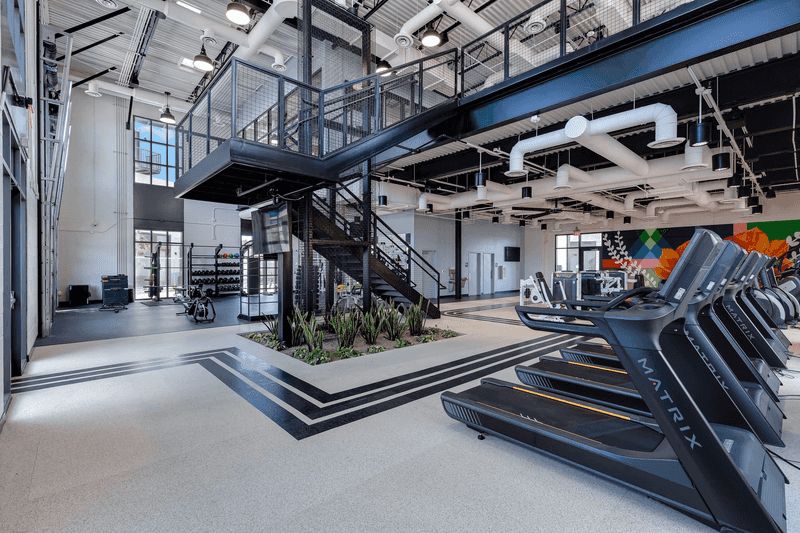
The development also represents a more efficient use of urban land. Traditional car-centric planning dedicates vast amounts of space to roads and parking lots, which could otherwise be used for housing, green spaces, or community facilities. Culdesac’s model frees up this land for more productive and aesthetically pleasing uses, creating a higher quality of life for its residents.
Conclusion: An Evolving Journey of Financial Independence and Experiential Wealth
As Mr. Money Mustache embarks on this latest chapter, his four-month residency in Culdesac Tempe is more than a personal retreat; it is a public demonstration of an evolving philosophy. It marries his long-standing advocacy for financial independence and intentional living with a burgeoning interest in sustainable urban development and the profound benefits of embracing life’s challenges. The experiment is designed to be temporary, with no concrete plans beyond his return to Colorado at the end of March. However, he anticipates layering on "new adventures" as this new phase of life unfolds, even hinting at the possibility of establishing an "MMM Mountain Retreat" someday.
His journey continues to inspire a global audience to question conventional wisdom, optimize their lives for freedom, and actively cultivate experiences that enrich their existence. By deliberately stepping into the unknown, Mr. Money Mustache reinforces a core tenet of his brand: that true wealth extends beyond financial assets to encompass a richness of experience, personal growth, and a positive impact on the wider world. His ongoing thoughts and updates on the Culdesac experiment are being documented and made accessible to his community, inviting collective learning from this unique venture into car-free, community-centric living.

