
The landscape of financial technology in Central America and the Caribbean is undergoing a period of rapid transformation, marked by the entry of sophisticated credit platforms, the evolution of digital asset infrastructure, and the modernization of core banking systems. This week’s developments in Guatemala, El Salvador, and Aruba underscore a broader regional trend: the deployment of high-tech solutions to bridge the gap between traditional financial services and the unbanked or underbanked populations. From AI-driven microcredit in Guatemala to self-custodial digital wallets in El Salvador and cloud-native core banking in Aruba, the intersection of technology and finance is redefining economic participation across these emerging markets.
Guatemala Welcomes AI-Powered Microcredit via CreditYa
In a significant move for the Guatemalan Micro, Small, and Medium Enterprise (MSME) sector, the Colombian financial services firm YUMIVI S.A.S. has officially launched CreditYa. This AI-powered credit assessment platform represents the company’s first international expansion outside of Colombia, signaling a strategic focus on the Northern Triangle of Central America. CreditYa is designed to function as a digital microcredit ecosystem, offering small-scale, rapid financing to individuals and entrepreneurs who have traditionally been excluded from the conventional banking system due to a lack of formal credit history.
The platform was founded by Wingston Oswaldo González Reyes with the intent of leveraging alternative data to determine creditworthiness. In many emerging markets, traditional banks rely heavily on collateral and formal employment records—barriers that often prevent small business owners from securing the capital necessary for growth. CreditYa addresses this by utilizing advanced data analytics and artificial intelligence to process a user’s "digital footprint." This includes transaction patterns, mobile usage data, and other non-traditional indicators to provide a preliminary credit assessment within minutes.
According to María Gabriela, the Regional Operations Lead for CreditYa, the launch in Guatemala is part of a long-term commitment to democratizing financial services. She emphasized that in the Guatemalan market, business opportunities are often time-sensitive. Small-scale entrepreneurs frequently face sudden surges in demand or unexpected equipment failures that require immediate liquidity. CreditYa’s model allows users to download an application, complete identity verification, and receive funding, in most cases, within 24 hours. This speed is a critical differentiator in a region where traditional bank loan approvals can take weeks.
To ensure stability and regulatory compliance, CreditYa has established strategic partnerships with local payment gateways and data processing providers. Beyond lending, the company has pledged to work with community organizations to provide financial literacy programs. This holistic approach aims to ensure that the influx of digital credit leads to sustainable economic growth rather than increased debt cycles for vulnerable populations.
El Salvador Becomes the Hub for Tether’s New Global Wallet Infrastructure
While Guatemala focuses on micro-lending, El Salvador continues to solidify its position as a global laboratory for digital asset adoption. Tether, the issuer of the world’s most widely used stablecoin (USDT), has launched "tether.wallet," a self-custodial digital wallet designed to bring international financial infrastructure directly to individual users. Often referred to as "The People’s Wallet," this solution aims to simplify the complexities associated with blockchain technology, making it accessible to those who have been marginalized by the traditional global banking system.

The launch follows Tether’s strategic decision last year to establish its formal headquarters in El Salvador. This move was prompted by the country’s pioneering Digital Asset Issuance Law, which provided a clear regulatory framework for crypto-asset companies. Tether’s CEO, Paolo Ardoino, noted that the company’s technology is already utilized by more than 570 million people globally, primarily as a backend layer for liquidity and settlement. The introduction of a consumer-facing wallet represents a pivot from being a mere infrastructure provider to a direct service provider.
A key feature of tether.wallet is its emphasis on self-custody. Unlike centralized exchanges where the platform holds the users’ private keys, tether.wallet ensures that users maintain exclusive control over their assets. All transactions are signed locally on the user’s device. To lower the barrier to entry, the wallet utilizes human-readable identifiers. Instead of the long, alphanumeric strings typically used as wallet addresses—which are prone to transcription errors—users can send funds using simple identifiers similar to email addresses.
The wallet supports a variety of assets, including USDT (pegged to the US dollar), USAT, XAUT (gold-backed), and Bitcoin. This versatility is particularly relevant in El Salvador, where Bitcoin is legal tender but many citizens and businesses prefer the stability of dollar-pegged assets for daily transactions. Ardoino described the wallet as a "natural evolution" of Tether’s role, preparing for a future where humans, machines, and AI agents will require seamless, high-speed transactional capabilities.
Aruba’s AIB Bank Initiates Digital Transformation with Finastra
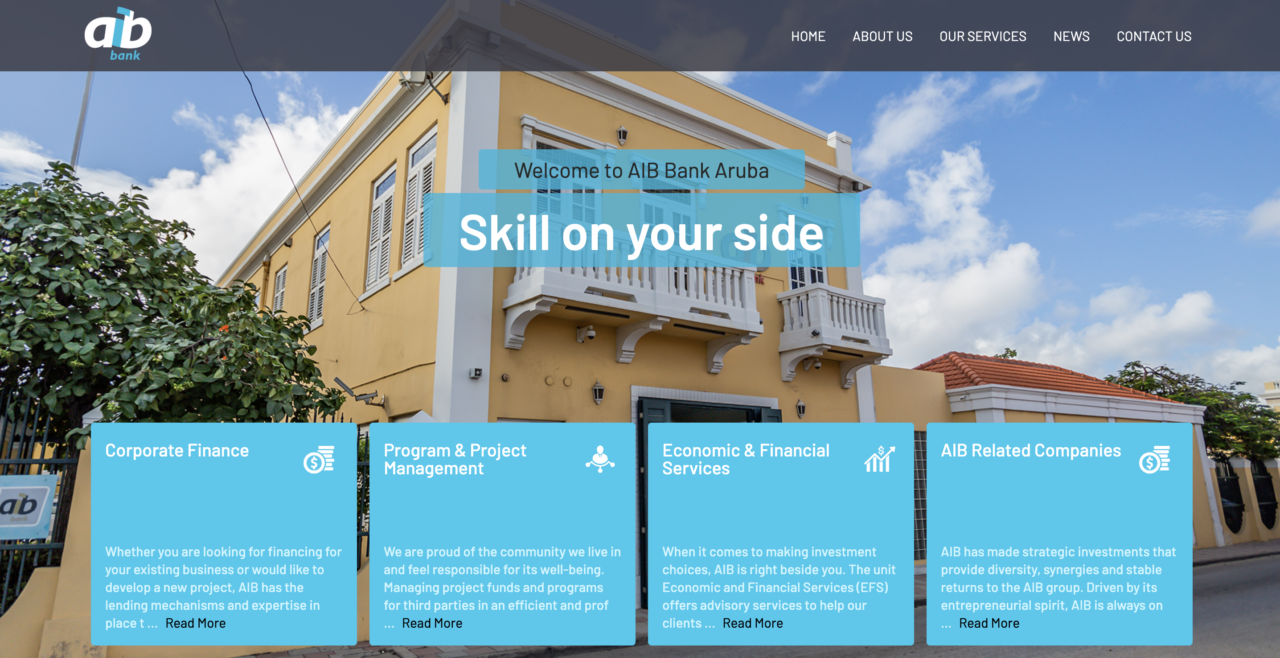
Further south in the Caribbean, Aruba is witnessing a major shift in its domestic banking sector. AIB Bank, a prominent privately owned financial institution with nearly $2 billion in assets, has partnered with the UK-based fintech giant Finastra to implement the "Finastra Essence" core banking solution. This deployment is the cornerstone of AIB Bank’s ambitious strategy to launch the first fully digital bank in Aruba.
Founded in 1987 and headquartered in Oranjestad, AIB Bank has historically specialized in loan syndication, corporate lending, and project management. However, the acquisition of a commercial bank prompted a need for a modern technological foundation that could support retail digital services. Finastra Essence is a cloud-native, SaaS-based platform that provides the agility required to offer real-time transactions, enhanced security, and personalized digital experiences.
Frendsel Giel, the Managing Director of AIB Bank, stated that the partnership positions the bank at the forefront of innovation in the Caribbean. The goal is not merely to update existing systems but to create a scalable platform that can support long-term growth across the region. By moving to a digital-first model, AIB Bank aims to meet the rising expectations of a tech-savvy consumer base that demands mobile-centric banking services.
Finastra, formed in 2017 through the merger of D+H and Misys, brings massive scale to this partnership. The company serves approximately 80% of the world’s top 50 banks and facilitates an estimated $7 trillion in transactions daily. For a regional player like AIB Bank, tapping into Finastra’s global expertise allows them to bypass the limitations of legacy infrastructure and adopt international best practices in digital security and customer engagement.

Chronology of Regional Fintech Integration
The current surge in fintech activity in the region can be traced back to a series of regulatory and economic shifts over the last three years. In 2021, El Salvador’s adoption of Bitcoin as legal tender served as a catalyst, drawing global attention to the region’s potential for digital asset innovation. This was followed by the 2023 Digital Asset Issuance Law, which provided the legal certainty necessary for Tether to relocate its headquarters.
In Guatemala, the launch of CreditYa follows a period of increased interest in the "fintech-as-a-service" model. Colombian and Mexican fintechs have increasingly looked to the Northern Triangle as a growth market, citing the high mobile penetration rates and the significant percentage of the population without access to formal credit.
In Aruba, the push for digital banking has been accelerated by the post-pandemic recovery. As a tourism-dependent economy, Aruba has sought to diversify its economic base and modernize its financial infrastructure to facilitate easier international payments and domestic digital commerce. The partnership between AIB Bank and Finastra, finalized in early 2024, represents the culmination of a multi-year strategic review of the island’s banking needs.
Supporting Data and Market Analysis
The data underlying these shifts suggests a significant opportunity for fintech providers. In Guatemala, MSMEs account for a substantial portion of the national GDP, yet estimates suggest that over 50% of these businesses lack access to formal credit. The "credit gap" in Central America is one of the highest in the Western Hemisphere, creating a vacuum that AI-powered platforms like CreditYa are designed to fill.
In the digital asset space, Tether’s dominance is well-documented. With a market capitalization exceeding $100 billion, USDT acts as the primary liquidity bridge in emerging markets. The move toward self-custodial wallets in El Salvador aligns with global trends following the collapse of several centralized crypto exchanges in 2022 and 2023, which heightened consumer demand for direct control over digital assets.
In Aruba, the transition to digital banking is supported by high internet penetration rates, which exceed 90% of the population. Despite this connectivity, the banking sector has remained relatively traditional. The shift toward platforms like Finastra Essence reflects a global trend where smaller, regional banks utilize "plug-and-play" core banking solutions to compete with larger international entities without the need for massive internal R&D departments.
Official Responses and Strategic Implications
The reactions from regional stakeholders have been largely positive, focusing on the potential for economic empowerment. Guatemalan business associations have noted that the arrival of CreditYa could provide a vital safety net for micro-entrepreneurs who are often forced to turn to informal, high-interest lenders.
In El Salvador, government officials have welcomed Tether’s expanded presence, viewing the "People’s Wallet" as a tool that complements the state’s efforts to modernize the economy. By providing a secure, user-friendly way to hold and transfer value, the wallet supports the government’s broader goal of reducing reliance on traditional remittance channels, which often charge high fees.
The strategic implications of these developments are twofold. First, they represent a shift from "importing" financial services to "localizing" global technology. Whether it is a Colombian firm adapting its AI for Guatemala or a UK giant providing the backbone for an Aruban bank, the technology is being tailored to local regulatory and cultural contexts. Second, these moves signal a maturing of the fintech sector in Central America and the Caribbean. The focus has moved beyond simple payment apps to complex credit scoring, self-sovereign identity, and full-stack digital banking.
Broader Impact and Future Outlook
The long-term impact of these initiatives will likely be seen in increased financial inclusion and regional economic integration. As more Guatemalans build credit profiles through CreditYa, they will eventually become eligible for larger loans and more complex financial products, fueling a cycle of upward mobility. In El Salvador, the success of Tether’s wallet could serve as a blueprint for other emerging markets looking to bypass traditional banking hurdles through stablecoins.
In Aruba and the wider Caribbean, the success of AIB Bank’s digital transformation may prompt a wave of similar modernizations among other regional lenders. As legacy systems are replaced by cloud-native solutions, the cost of banking is expected to decrease, and the speed of innovation is expected to increase.
Ultimately, the week’s news from Guatemala, El Salvador, and Aruba paints a picture of a region that is no longer content to stay on the periphery of the global fintech revolution. By embracing AI, blockchain, and cloud computing, these nations are building a more resilient and inclusive financial future. The success of these projects will depend on continued regulatory clarity and the ability of technology providers to maintain security and trust in these rapidly evolving markets.

