
In a notable shift from his long-standing advocacy for extreme frugality, Mr. Money Mustache (MMM), a prominent figure in the Financial Independence, Retire Early (FIRE) movement, has publicly disclosed his annual spending for the past year, revealing a significant increase to approximately $30,000. This follows an intentional "abundance experiment" initiated two years prior, which saw him challenge his own established habits by purchasing a Tesla Model Y and deliberately exploring increased discretionary spending. The revelation, detailed in a recent blog post, offers a unique insight into the evolving financial philosophy of a figure who once championed a sub-$20,000 annual budget, while still demonstrating a lifestyle far below the means afforded by his substantial investment portfolio.
The Genesis of the Abundance Experiment
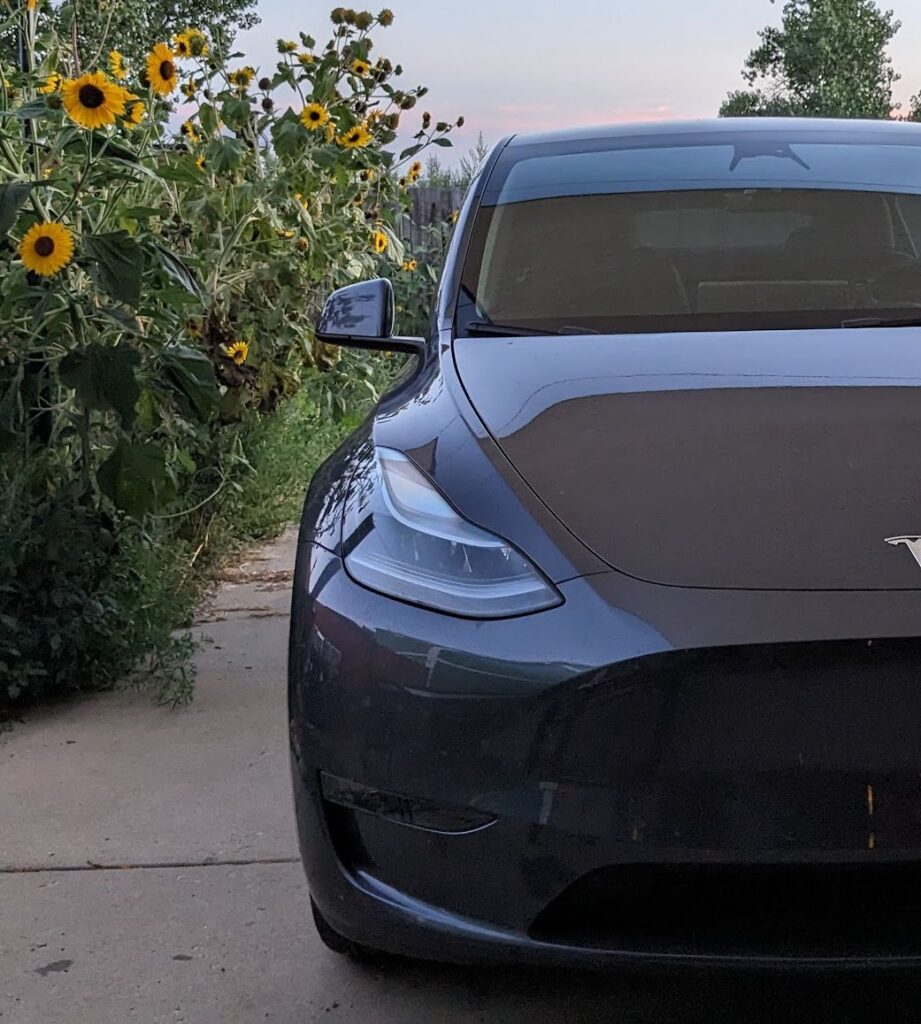
The journey towards this increased spending began in April 2023, when Mr. Money Mustache penned a blog post titled "Why Buy Model Y," outlining his decision to acquire a Tesla. This move marked a departure from the stringent frugality many of his followers had come to associate with his brand, leading to what he humorously acknowledges as a "loss of credibility among the faithful." The purchase was framed not as a lapse in discipline, but as a deliberate first step in an experiment to try and spend more money, embracing an "abundance mindset" after years of optimized thrift.
At the time, he expressed an aspiration to adjust his habits and realign his financial approach, envisioning "the next forty-eight years of the Good Life." This sentiment signaled a potential evolution in his philosophy, moving beyond mere financial independence to explore how wealth could actively enhance life experiences. The experiment aimed to test the boundaries of his comfort with spending, challenging the ingrained habits of extreme saving that characterized his early retirement.
Two Years of Intentional Discretionary Spending
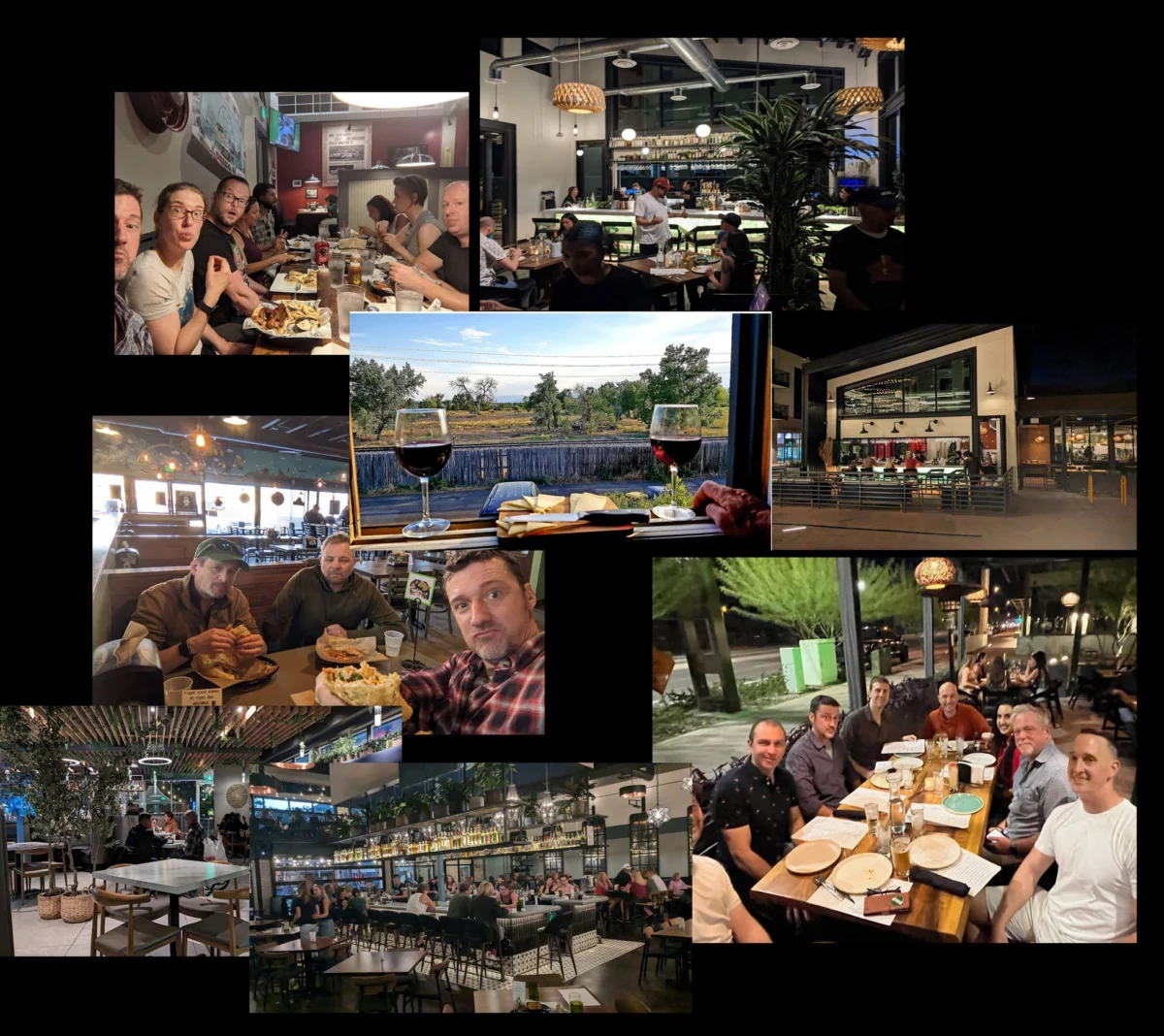
Over the subsequent two years, Mr. Money Mustache embarked on a period of more liberal spending, enjoying what he described as a "marvelous time traveling everywhere." His lifestyle adjustments included dining out in "stylish restaurants," booking hotels based on "niceness rather than cheapness," and opting for "reduced torture" seats on airplanes. Notably, he also relaxed his grocery habits, allowing himself to shop at higher-priced stores like Whole Foods without concern, alongside his existing memberships at Costco and Sam’s Club.

The period was rich with experiences. Highlights included attending multiple late-night Electronic Dance Music (EDM) concerts with his son and visiting three Meowwolf immersive art venues, including a Christmas Day road trip from Tempe, Arizona, to Las Vegas. The author also spent a significant portion of the year as a single man, which provided an open schedule for impromptu meetups with friends, exploring new places, and meeting new people. This phase was characterized as a "year of adventurous transition," feeling subjectively longer and more impactful than a mere twelve months.
Despite this conscious increase in discretionary spending, Mr. Money Mustache initially deferred tracking the precise financial impact, immersed in the enjoyment of these experiences. It was only recently, while informally coaching a friend and comparing spending notes, that he compiled a detailed accounting of his expenditures.
Unpacking the 2024 Budget: A Detailed Financial Snapshot
Upon compiling and summing his transactions for the past year, the results were, even to him, surprising. While his overall spending had indeed increased, particularly in travel-related categories, the "big-picture effect was still pretty minimal." His annual expenses, depending on how business expenses and the car are accounted for, moved from an average of $20,000 to approximately $30,000. This figure excludes the significant "hidden subsidy" of a paid-off house.
Here is a breakdown of his expenditures, differentiating between personal and business card usage:
| Category | From Personal Card | From Business Card | Total | Details |
|---|---|---|---|---|
| Groceries | $5,465.56 | $494.83 | $5,960.39 | For him, his young adult son (about half the time), and guests. |
| Restaurants | $2,145.11 | $98.48 | $2,243.59 | Restaurants utilized for "special fun" rather than routine sustenance. |
| Travel | $3,982.00 | $2,176.77 | $6,158.77 | Business travel included attendance at events like Camp Fi and other professional conferences, blending work with leisure. |
| Utilities | $1,909.51 | $0 | $1,909.51 | Standard household utilities. |
| Amazon/House | $949.64 | $2,604.46 | $3,554.10 | Approximately 75% of business-related Amazon/house spending was for construction materials for clients (often friends), reimbursed via invoice, with the remainder being personal household items. |
| Booze | $250.67 | $0 | $250.67 | Primarily wine and other beverages for entertaining guests. |
| Healthcare | $813.20 | $2,723.46 | $3,536.66 | Cost-effective healthcare through Sedera Health Sharing and a Direct Primary Care (DPC) subscription. Also included advanced blood tests for screening and learning. |
| Automobile | $2,191.68 | $233.53 | $2,425.21 | Covers car insurance and registration for the Tesla Model Y. Depreciation is not included in this figure, which would make the true cost of ownership higher. |
| Phone+Internet | $1,410.56 | $1,410.56 | Includes $50 per month for Gigabit Internet and $25-30 per month for Google Fi mobile service, plus taxes. | |
| Property Taxes | $2,577.30 | $2,577.30 | A relatively low figure given the estimated $500,000-$600,000 value of homes in his neighborhood, reflecting efficient local taxation or specific homestead exemptions. | |
| Total | $20,284.67 | $9,742.09 | $30,026.76 |
Comparing Eras: The Evolution of MMM’s Spending
Comparing this $30,000 budget to his 2019 spending of roughly $20,000, the increase is approximately 50%. While substantial, Mr. Money Mustache notes that this rise is "only a bit higher" considering the significant inflation experienced in recent years, particularly since 2022. The consumer price index (CPI) has risen by over 18% since January 2019, making the real-dollar increase less dramatic than the nominal percentage suggests.
The allocation of funds also shifted. More was spent on travel and recreational activities, reflecting the "abundance mindset," while less was allocated to home renovations. This was partly due to his increased travel, which reduced the time available for house projects. Healthcare costs represent a new category, as he was self-insured in 2019.
Despite the increase, his spending remains well within the sustainable withdrawal rate for a $1 million investment nest egg, a benchmark widely recognized in the FIRE community. Given that his actual investments are "quite a bit higher," particularly after "recent years of crazy economic growth and the never-ending stock market rally," he confirms he is still "way under budget" in terms of his financial capacity. This reinforces his financial security and the success of his early retirement planning, even as his spending habits evolve.
The Cornerstone of Savings: Debt-Free Living
A critical factor enabling Mr. Money Mustache’s modest budget, even with increased discretionary spending, is the absence of housing costs. Having paid off his home "long ago," he avoids mortgage payments, which represent the largest expense for most households. Furthermore, his inclination for DIY home maintenance eliminates expenses for professional services like lawn mowing, plumbing, and handyman work.
While he acknowledges that taking out a large mortgage at the low 3% interest rates of 2021 and investing the principal in stock index funds would have been "optimum financial" strategy, potentially doubling that capital, he prioritizes the "great peace of mind" derived from being debt-free. This psychological benefit, he argues, is a valuable use of money. An additional, often overlooked, financial advantage of owning his home outright is the ability to forgo traditional house insurance, saving him an estimated $2,000 per year and further boosting the effective return on his mortgage payoff.
Strategic Healthcare: A Proactive Approach
Mr. Money Mustache’s healthcare strategy reflects his broader approach to finance and well-being: proactive, cost-effective, and focused on prevention. He attributes his minimal actual medical expenses to "good health and good luck." However, he maintains two layers of health support: a membership with a Direct Primary Care (DPC) medical clinic at $107 per month, and a high-deductible plan with Sedera, a health sharing organization, at $201 per month.
The combined cost of $308 per month is notably lower than the cheapest "Bronze plan" available through standard health insurance markets. This arrangement provides him with personalized medical support, zero deductibles for most typical medical needs, and a safety net against larger, unforeseen medical bills. He emphasizes that his highest priority is arranging his daily life for "maximum health" to minimize the need for medical intervention. He also acknowledges his limited experience with the traditional healthcare system due to his consistent good health, framing his advice as based on his personal, largely successful, strategy rather than comprehensive medical expertise.
Beyond the Numbers: The Philosophy of "Optimization" and Happiness
Reflecting on his experiment, Mr. Money Mustache consistently asks whether he can improve or change aspects of his life to maximize his good fortune. He draws upon a principle of happiness: "Fixing your persistent problems is more effective than just doubling down on things that are already good in your life."
He identifies many aspects of his life—family, friends, relationships, health, food, and daily activities—as already optimal. The primary "annoyance" he currently faces is "physical chaos," stemming from space-intensive hobbies like construction and music within his "pretty small house," which is "basically maxed out." He expresses a desire to double his workshop space from a 2-car, 440 square foot garage to approximately a thousand square feet. However, he also values his current location, views, and neighbors, making a move undesirable unless a "perfect opportunity" for a larger space on his block arises. This pragmatic approach underscores his continued commitment to optimization, even in the realm of personal comfort and space.
Future Aspirations: Addressing "Physical Chaos" and Long-Term Visions
In the longer term, Mr. Money Mustache playfully mentions a "mountain compound with its own cliffs and stream" as a "maybe" on his wish list, illustrating it with an AI-generated image. However, he quickly grounds this aspiration in reality, acknowledging that his current life is "overbooked with joyful things" and his existing house and HQ Coworking space already present extensive to-do lists. He questions whether adding "another place" would genuinely increase his happiness, indicating a mature understanding that accumulation does not always equate to increased well-being. This idea remains "on the shelf" until he is willing to trade it for an existing commitment, such as selling his current house or the coworking space.
This perspective highlights a core tenet of the FIRE philosophy: distinguishing between needs and wants, and understanding the diminishing returns of wealth beyond a certain point. His focus remains on the quality of life derived from his current choices and commitments, rather than ceaseless acquisition.

Implications for the FIRE Movement and Financial Independence
Mr. Money Mustache’s spending reveal and reflections carry significant implications for the broader FIRE movement. His initial departure from extreme frugality with the Tesla purchase sparked debate, as it challenged the foundational principles for some adherents. However, the subsequent budget analysis demonstrates that even with a conscious effort to increase spending for greater enjoyment, his expenditures remain remarkably modest relative to his wealth and far below the average American household.
This evolution suggests that financial independence is not merely about reaching a savings target and then maintaining a minimal existence. Instead, it can involve a dynamic process of self-actualization, where wealth serves as a tool to address persistent problems and enhance life experiences, as long as it aligns with personal values. His journey offers a model for post-FI life, where individuals can explore what true "abundance" means for them, balancing financial security with experiential richness, without necessarily reverting to consumerist habits. The "Optimization Council" concept, which he referenced from a 2019 article, underscores this ongoing learning and community engagement in maximizing life’s returns.
Market Update: Considerations for Electric Vehicle Purchases
In a separate but related note, Mr. Money Mustache included a timely observation regarding electric vehicle (EV) purchases. He mentioned the potential disappearance of the $7,500 federal EV tax credit with a change in presidential administration, advising that the immediate future might present the "cheapest chance to buy" models like the Tesla Model Y or Model 3. He noted that both new and used prices for these vehicles are currently at record lows. He also provided a referral code, which offers an additional $1,000 discount on a new Tesla purchase, an example of leveraging small savings even within an "abundance mindset." This advisory provides practical consumer information relevant to his initial "abundance experiment" purchase.
As Mr. Money Mustache looks ahead to 2025, he expresses excitement for "loads of abundance and piles of challenging stuff" on his to-do list, emphasizing an ongoing commitment to learning and adaptation in his financially independent life. His journey continues to offer valuable insights into the practicalities and philosophies of living a rich life, both financially and experientially, long after achieving early retirement.

