
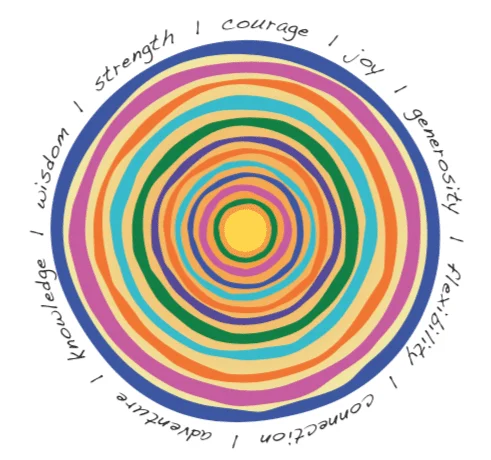
Society’s pervasive emphasis on youth often casts a shadow over the natural process of aging, leading to a collective tendency to shun or devalue later life. This societal inclination, while unfortunate, presents an opportunity for individuals to actively cultivate an "aging with gusto" mindset. This proactive approach, championed by programs like the Vital Aging Network’s "Aging with Gusto," underscores the profound impact our perceptions of aging have on our actual experience of it.
"How we think about aging has a big impact on how we age," explains Donna Comer, coordinator and facilitator for Aging with Gusto. This program, an initiative of the Vital Aging Network, is dedicated to fostering positive self-perceptions and a more appreciative view of others as they grow older. The rationale behind this focus is not merely psychological; it is supported by compelling scientific evidence. Research consistently indicates a strong correlation between positive attitudes towards aging and increased lifespan. Studies, such as those cited in the original article, suggest that individuals with more optimistic views on aging can live, on average, 7.5 years longer than their more pessimistic counterparts.
The implications of negative self-perception in aging are particularly concerning. Individuals who internalize the belief that they are a burden to others often experience a diminished sense of self-worth. This can significantly elevate their risk of developing depression and experiencing social isolation. Both of these conditions are recognized as serious health threats, often referred to as "silent killers" for older adults, contributing to a decline in overall health and well-being.
The Power of Positive Perceptions
The assertion that positive views of aging are crucial is echoed by prominent figures in the field of aging and longevity. Jo Ann Jenkins, CEO of AARP and author of Disrupt Aging: A Bold New Path to Living Your Best Life at Every Age, is a vocal advocate for this perspective. Jenkins emphasizes that the current generation of older adults is not only living longer but is also actively redefining what it means to age, challenging long-held stereotypes in the process.
This paradigm shift was vividly illustrated at an arts and aging conference attended several years ago. The keynote speaker invited audience members to role-play the physical manifestations of aging at 70, 80, and 90. The volunteer portraying 70 exhibited slow, tentative steps. The 80-year-old depicted a more pronounced decline, leaning on a cane and pausing frequently for breath. The 90-year-old was envisioned in a wheelchair. However, the prevailing narrative was dramatically challenged when an actual 90-year-old, revealed to be a marathon runner, sprinted into the auditorium and onto the stage, instantly dispelling the audience’s preconceived notions of frailty and immobility associated with advanced age.
AARP has also effectively highlighted this disconnect between perception and reality through various initiatives. One notable example is a video developed by AARP where millennials were asked to demonstrate what they believed "old" looked like. Their portrayals included struggling with text messages, navigating imaginary stairs with difficulty, and an inability to perform basic physical tasks like push-ups. The subsequent reveal, where these millennials encountered actual older adults effortlessly performing these and more demanding activities, elicited expressions of astonishment. This underscores a societal deficit in understanding the capabilities and vitality of older individuals.
While aging can unfortunately be accompanied by ageism – the tendency to stereotype older persons as debilitated, unworthy of attention, or unsuitable for employment – these perceptions are not inherent to the aging process itself. The Vital Aging Network and its "Aging with Gusto" program aim to dismantle these harmful stereotypes by promoting a more nuanced and appreciative understanding of aging.
Longevity and Lifestyle: Insights from Blue Zones
The concept of actively fostering a long and fulfilling life is also central to the work of longevity expert Dan Buettner. In his seminal book, The Blue Zones: Lessons for Living Longer from the People Who’ve Lived the Longest, Buettner identifies regions of the world where people live exceptionally long and healthy lives. His research highlights nine key habits that contribute to this remarkable longevity, offering a tangible framework for individuals seeking to add years and potentially decades to their lives.
While the specific details of Buettner’s nine habits were not enumerated in the original article, their general principles often revolve around lifestyle choices that promote physical, mental, and social well-being. These commonly include dietary patterns rich in plant-based foods, regular moderate physical activity integrated into daily routines, strong social connections, a sense of purpose, and stress-reduction techniques. The implications of these findings are profound, suggesting that a significant portion of our longevity and quality of life in later years is within our control, influenced by the daily choices we make.
The Broader Societal Impact and Implications
The societal tendency to devalue aging has significant implications beyond individual well-being. It can lead to a loss of valuable experience and wisdom within the workforce and community. Age discrimination in employment, for instance, deprives companies of skilled and experienced individuals, while societal neglect can lead to the marginalization of older adults, diminishing their contributions and sense of belonging.
The "Aging with Gusto" initiative and similar programs represent a crucial societal counter-narrative. By fostering a more positive and empowering view of aging, these efforts aim to:
- Combat Ageism: Directly challenge and dismantle negative stereotypes associated with aging.
- Promote Active Aging: Encourage older adults to remain engaged in their communities, pursue lifelong learning, and maintain healthy lifestyles.
- Enhance Intergenerational Connections: Foster understanding and collaboration between different age groups, recognizing the mutual benefits of shared experiences and perspectives.
- Improve Public Health Outcomes: By reducing social isolation and depression, and encouraging healthy habits, these initiatives can contribute to better overall health and reduced healthcare burdens for older populations.
The implications of this shift in perspective extend to public policy and resource allocation. A society that values and supports its aging population is more likely to invest in programs and services that promote well-being, accessibility, and continued engagement for older adults. This includes advocating for age-friendly communities, accessible healthcare, and opportunities for continued employment and volunteerism.
A Call to Action and Future Directions
The message from organizations like the Vital Aging Network and thought leaders like Jo Ann Jenkins and Dan Buettner is clear: aging is not an inevitable decline, but a phase of life that can be embraced with vitality and purpose. The "Aging with Gusto" program, accessible through AgingWithGusto.com, and the wealth of information available from BlueZones.com, offer resources and guidance for individuals looking to cultivate this positive outlook.
The related podcast episodes mentioned in the original article – featuring figures like Rabbi Laura Geller, Anna Dixon, Richard Eisenberg, and Carl Honoré – further underscore the growing discourse around embracing aging with a bolder, more positive approach. These discussions highlight the importance of proactive retirement planning that includes mental and emotional preparedness for aging, strategies for improving well-being in later years, and learning from communities that have mastered the art of longevity.
In conclusion, while societal attitudes towards aging may be slow to change, the power of individual mindset cannot be overstated. By actively adopting an "aging with gusto" perspective, individuals can not only enhance their own longevity and quality of life but also contribute to a broader societal shift that recognizes and celebrates the invaluable contributions of older adults. The journey of aging is a testament to life’s continuum, and approaching it with enthusiasm, purpose, and a positive outlook is the most effective way to truly live it.

