
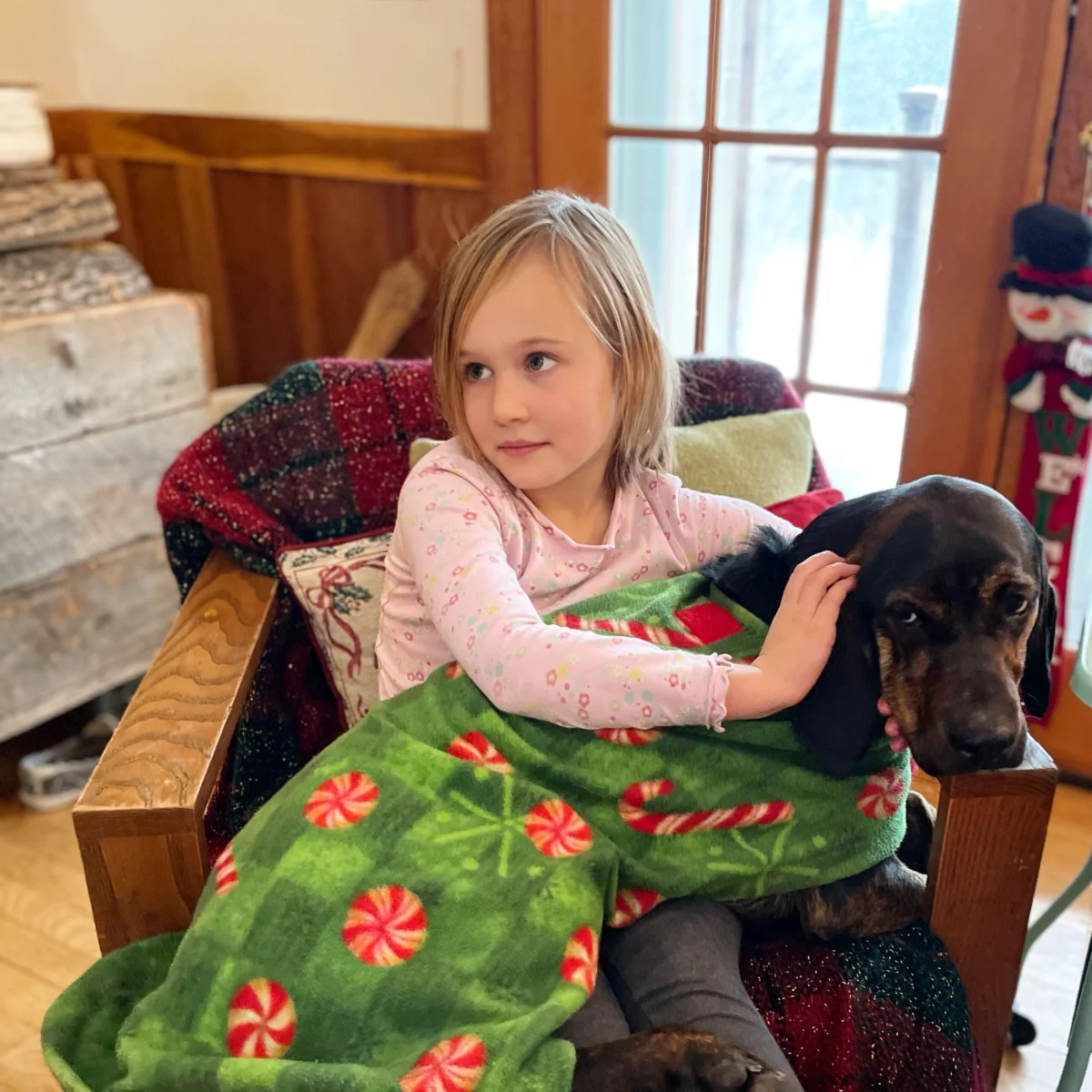
The adoption of a rescue animal is frequently framed as a singular act of altruism, yet for many families, the subsequent reality involves a complex intersection of behavioral health challenges, significant financial investment, and difficult ethical decisions. A recent case involving a Vermont-based family and a hound mix named Genevieve, colloquially known as Gigi, provides a comprehensive look into the limits of modern veterinary intervention and the logistical pressures placed on households when a pet suffers from severe Canine Separation Anxiety (CSA). Despite a four-month period of intensive rehabilitation and an expenditure exceeding $2,300, the family was ultimately forced to rehome the animal, highlighting a growing discourse regarding pet-lifestyle compatibility and the specialized needs of working dog breeds in domestic settings.
The Origin and Integration of Genevieve the Hound
The chronology of the case began in late September 2022, when an emaciated hound mix was discovered in a rural Vermont yard. The animal showed signs of prolonged exposure to the elements, including numerous scratches and significant malnourishment. Initial efforts to locate an owner were unsuccessful; the dog lacked identification tags and a microchip, and local advertisements yielded no inquiries. Based on the animal’s breed characteristics and the regional context of Northern New England, veterinary experts and the finders hypothesized that the dog was likely a "washout" or a lost member of a bear-hunting pack.

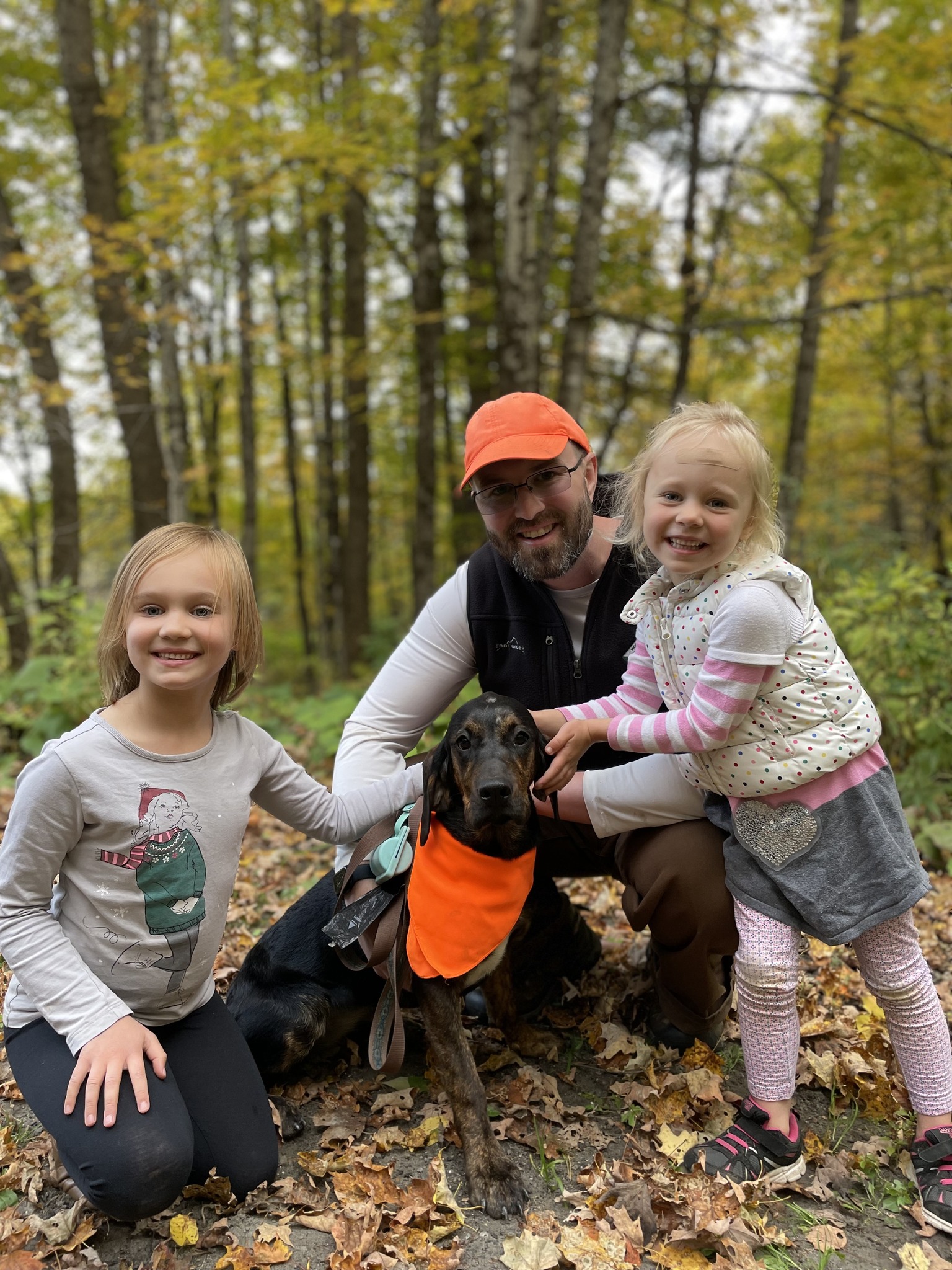
On October 3, 2022, the family officially took custody of the dog, naming her Gigi. While the animal demonstrated a calm temperament in the presence of humans and was successfully crate-trained for nighttime sleeping, a critical behavioral pathology emerged: the dog was incapable of being left alone. This condition, often exacerbated in rescue animals with histories of neglect or pack-oriented upbringing, manifested as immediate and severe panic attacks whenever the owners departed the premises.
Clinical Presentation of Severe Separation Anxiety
Canine Separation Anxiety is a recognized psychological condition characterized by distress and destructive behaviors when an animal is separated from its primary attachment figures. In Gigi’s case, the symptoms were at the extreme end of the clinical spectrum. Reports indicate that the dog would begin a "panic cycle" within five minutes of the family’s departure. This cycle included vocalization, pacing, and involuntary elimination (urination and defecation) within her crate—a behavior that is particularly notable given that dogs typically avoid soiling the areas where they sleep.
The family’s experience aligns with data from the American Veterinary Medical Association (AVMA), which suggests that up to 20% of the canine population may suffer from some form of separation anxiety. However, the intensity of Gigi’s reaction proved resistant to standard environmental modifications, necessitating a multi-disciplinary approach involving behavioral, technological, and medical interventions.
The Intervention Phase: Training, Technology, and Medicine
Over a four-month period, the owners engaged in an exhaustive attempt to stabilize the animal’s behavior. The intervention was divided into three primary categories:
1. Behavioral Modification:
Under the guidance of a professional dog trainer, the family implemented a desensitization regimen. This involved "micro-departures"—leaving the house for intervals as short as 30 seconds to gradually build the dog’s tolerance. Despite consistent application, the dog remained unable to surpass a five-minute threshold of solitude without descending into a panic state.
2. Technological Monitoring and Reinforcement:
The family utilized remote monitoring systems to track the dog’s distress levels in real-time. This included a standard indoor camera followed by a specialized camera-and-treat-dispenser combo. The latter was intended to provide positive reinforcement for calm behavior through remote delivery. However, the dog’s high state of arousal rendered her uninterested in food rewards during the periods of separation, a common occurrence in severe anxiety cases where the animal’s "fight or flight" response overrides the drive for sustenance.

3. Pharmacological Intervention:
When behavioral and environmental changes failed, the family turned to veterinary medicine. The treatment plan included a escalating series of medications:
- Anti-anxiety stabilizers: Intended to lower the animal’s baseline stress.
- Sedatives: Used to induce a state of calm during departures.
- Tranquilizers: Employed as a last resort to prevent the physical manifestations of panic.
The failure of these medications to produce a clinical improvement suggested that the dog’s anxiety was deeply rooted in her instinctual need for a "pack" environment, likely a vestige of her previous life as a hunting hound.
The Economic Impact of High-Needs Pet Ownership
One of the most salient aspects of this case is the financial transparency provided by the owners. While the average annual cost of owning a dog in the United States typically ranges from $700 to $1,500 according to ASPCA data, the four-month tenure with Gigi resulted in a total expenditure of $2,373.25.

A detailed breakdown of these costs reveals the hidden financial risks associated with rescue animals:
- Medical and Veterinary Care: $1,053.98 (includes initial vaccinations, spaying, and multiple follow-up visits for anxiety).
- Behavioral Support and Equipment: $352.10 (professional training, specialized cameras, and treat dispensers).
- General Supplies and Nutrition: $422.17 (high-quality food, beds, and toys).
- Administrative and Legal: $545.00 (foster organization fees and municipal licensing).
The owners noted that this expenditure was more than double the annual cost of their previous pet, a retired racing Greyhound. This disparity underscores the unpredictable nature of pet ownership and the necessity of "sinking funds" or emergency savings for families adopting animals with unknown histories.
The Decision to Rehome and Official Findings
By early 2023, the family concluded that the situation was unsustainable. The requirement for 24-hour human presence precluded the family from attending school events, religious services, or recreational activities together. The psychological toll on the household, including the stress of returning to a panicked and soiled animal, led to the decision to surrender Gigi to a foster-based rescue organization.
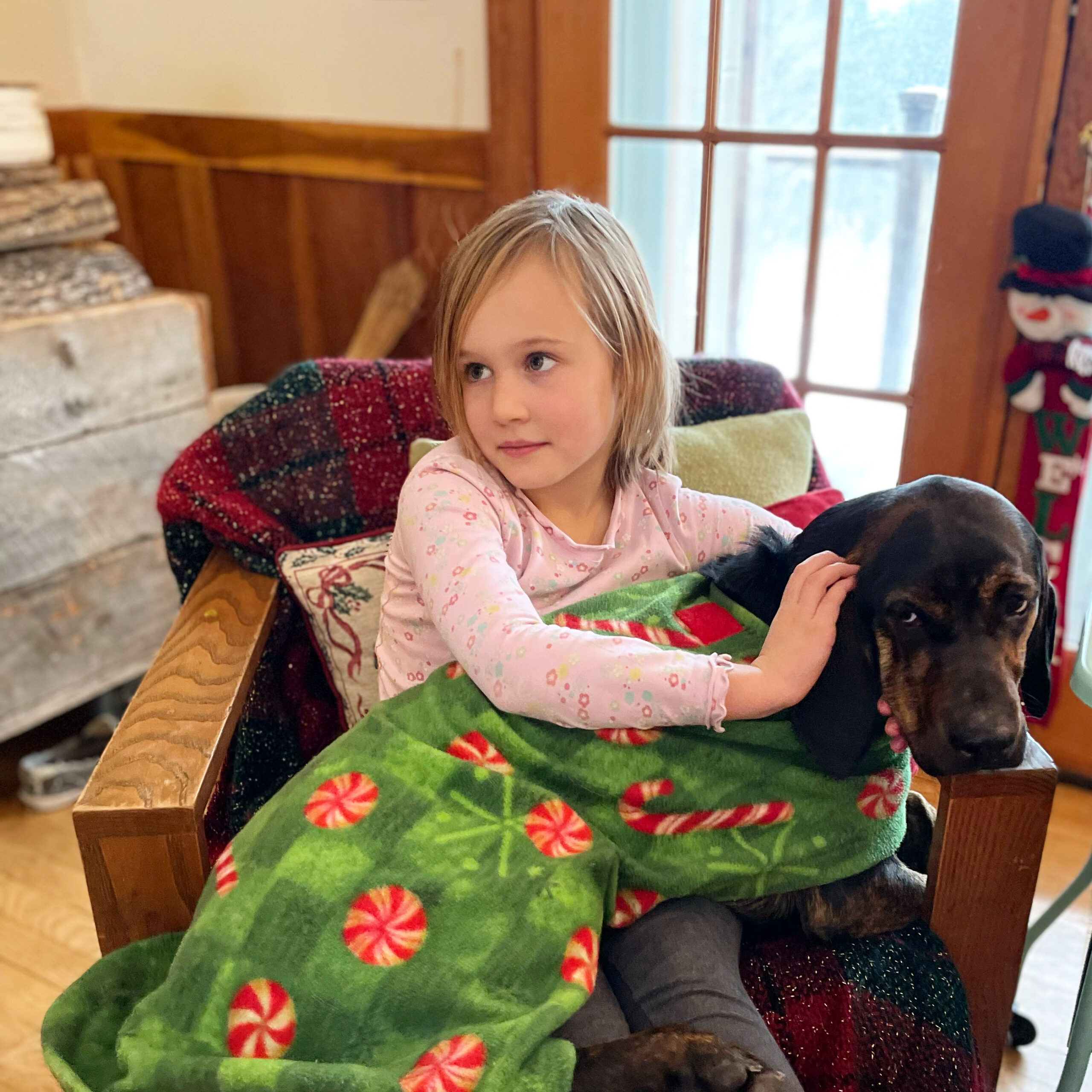
Upon re-entering a foster environment, the rescue organization made a critical discovery: Gigi’s anxiety vanished when she was in the presence of other dogs. The organization confirmed that while the dog could not be left alone by humans, she was perfectly stable as long as she had a "canine pack." This finding supported the initial theory that her background as a hunting dog had conditioned her for constant communal living.
The rescue organization successfully placed Gigi in a permanent home with multiple other dogs. Reports from the new owners indicate that the animal is thriving, reinforcing the concept that "rehoming" is not a failure of care, but rather a realignment of the animal’s specific needs with an appropriate environment.
Broader Implications for the Rescue Community
This case serves as a vital data point for the "Right Dog, Right Home" movement within the animal welfare community. It highlights the importance of breed-specific traits and the reality that some dogs, particularly those from working backgrounds, may not be suited for a standard suburban or rural single-pet household, regardless of the level of care provided.
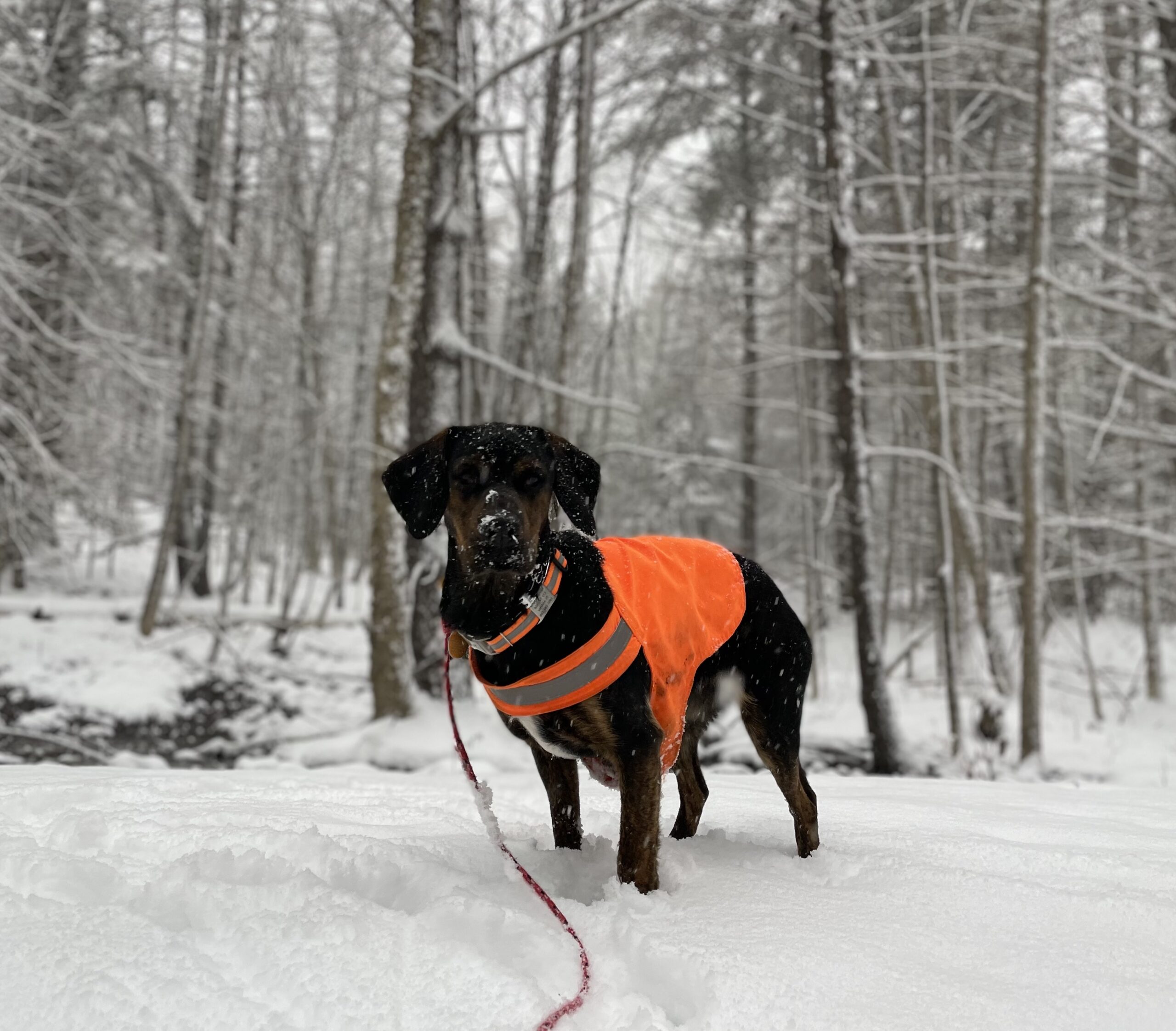
The psychological impact on the surrendering family is also a significant factor. The owners reported feelings of "failure" and "heartbreak," sentiments that are common among families who must rehome pets. However, professional analysis suggests that the family’s decision to seek a more compatible environment for the dog was ultimately an act of responsible ownership. By ensuring the dog was spayed, vaccinated, and transferred to a reputable rescue, they provided a bridge from a life of neglect to one of stability.
Conclusion and Future Outlook
The Gigi case concludes with a shift in the family’s approach to pet interaction. For the foreseeable future, the household has transitioned to "dog-sitting" for local friends, a solution that allows for canine companionship without the logistical and financial burdens of full-time ownership of a high-needs animal. This model provides the family with the freedom to pursue an active lifestyle while still contributing to their local pet community.
In a brief update regarding recent environmental challenges, the family also noted their recovery from the significant Vermont floods of July 2023. While their residence remained dry, the infrastructure of their property sustained damage, serving as another reminder of the unexpected costs and logistical hurdles faced by rural homeowners. As they move forward, the lessons learned from the "Gigi saga" remain a cornerstone of their approach to financial planning and family priorities, emphasizing that successful pet ownership requires a balance of heart, head, and household reality.

