
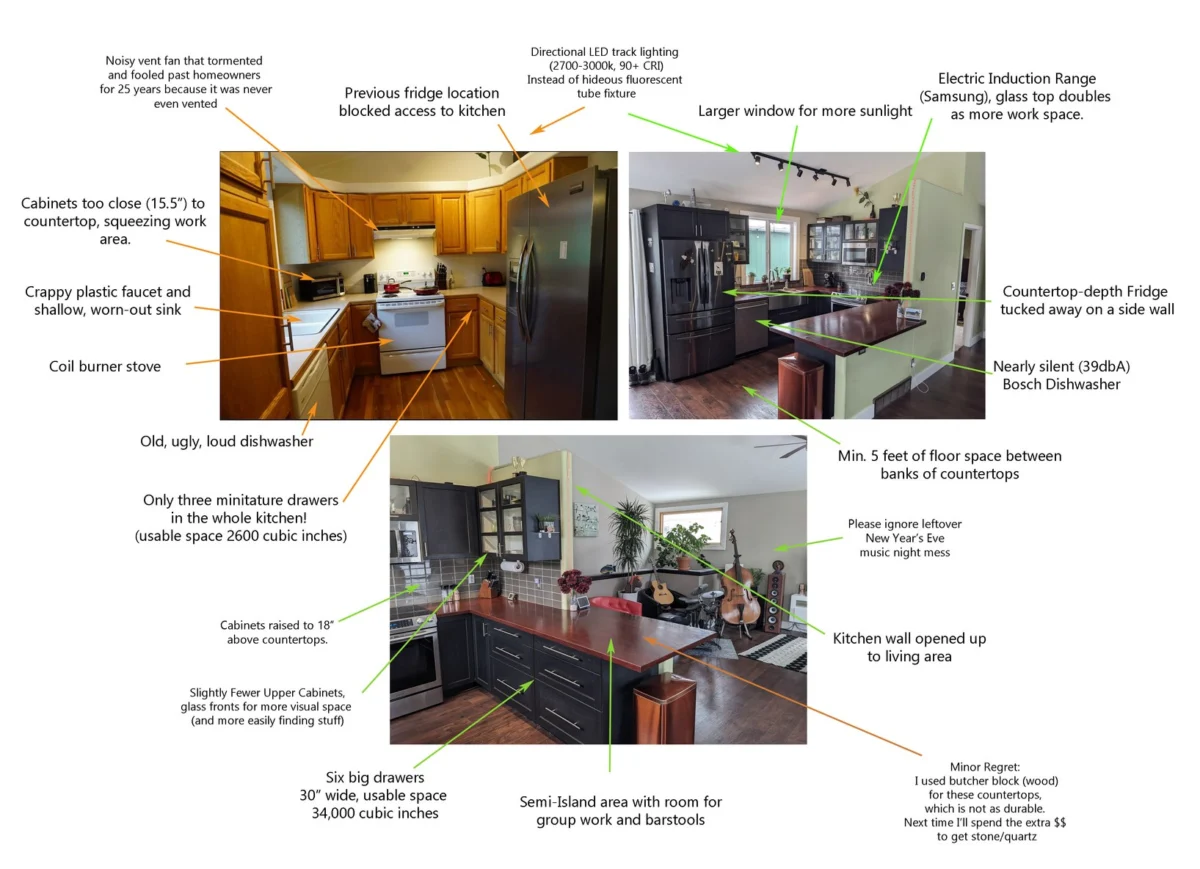
In an era defined by escalating housing costs and a persistent shortage of skilled tradespeople, a growing number of homeowners are turning to do-it-yourself (DIY) kitchen renovations as a strategic pathway to enhance property value, improve functionality, and achieve significant financial savings. This trend underscores a broader shift in consumer behavior, where the traditional model of relying solely on professional contractors is being supplemented by informed, hands-on approaches to home improvement. The kitchen, often regarded as the heart of the home, represents one of the most impactful areas for such endeavors, offering substantial returns on investment both in financial terms and in daily quality of life.
The Kitchen: More Than Just a Culinary Space
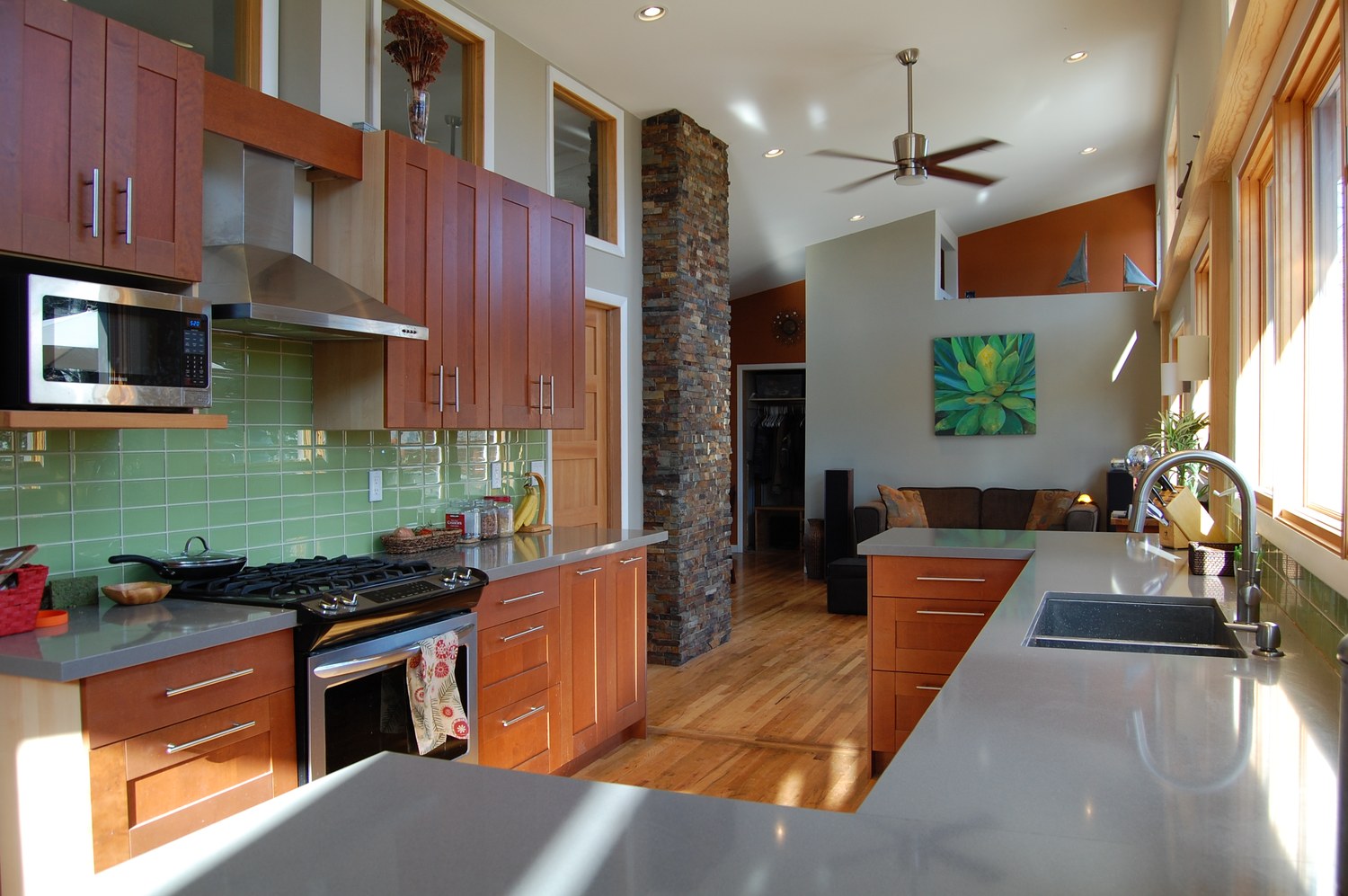
The modern kitchen transcends its primary function of food preparation, evolving into a multifaceted hub for family life, social gatherings, and even remote work. Its design and amenities significantly influence a home’s overall appeal and market value. A well-appointed, highly functional kitchen is a key selling point in today’s competitive real estate landscape, directly impacting buyer interest and property valuations. For many, the kitchen is where children complete homework, important family discussions unfold, and celebrations naturally converge. This central role necessitates a space that is not only aesthetically pleasing but also robust, efficient, and adaptable to diverse needs.
Navigating the Economic Landscape of Home Renovation
The current economic climate presents a dual challenge for homeowners considering renovations. On one hand, housing prices have seen unprecedented surges in recent years, driven by a stark imbalance between supply and demand. According to the National Association of Realtors, the median existing-home sales price in the U.S. has consistently risen, reaching record highs in various markets. This escalation makes homes with desirable, modern amenities, such as updated kitchens and bathrooms, particularly attractive, often leading to competitive bidding wars and inflated prices for move-in-ready properties.
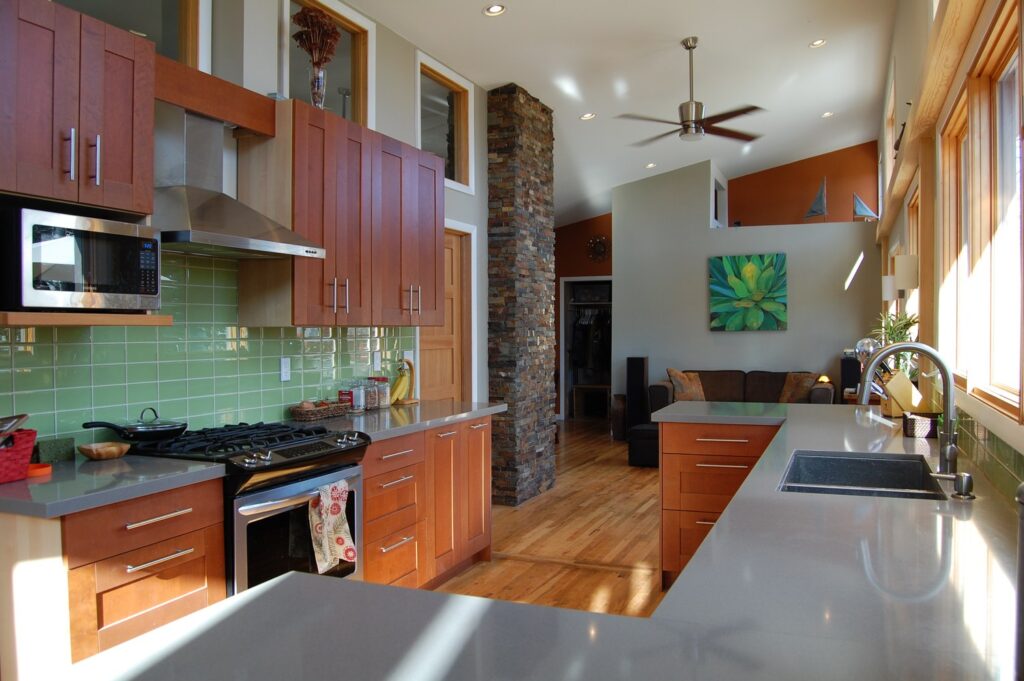
Conversely, this demand has outstripped the availability of skilled labor. A persistent shortage of qualified tradespeople—including plumbers, electricians, and carpenters—has resulted in longer project timelines and significantly higher labor costs. Industry reports, such as those from the National Association of Home Builders (NAHB), frequently highlight the challenges of finding skilled workers, citing an aging workforce and a declining interest in vocational trades among younger generations. This deficit means that professional renovation quotes for a kitchen remodel can range anywhere from $25,000 to upwards of $75,000 for a moderately sized project. Breaking down these figures reveals an incredibly high labor rate, often between $100 and $300 per hour, presenting a compelling financial incentive for homeowners to undertake portions of the work themselves.
The Financial Imperative: Value Creation Through DIY
The financial implications of a kitchen renovation are profound. Beyond the immediate cost savings on labor, a strategically executed kitchen upgrade can generate substantial additional value. Studies by Remodeling Magazine’s annual Cost vs. Value report consistently show that kitchen remodels offer one of the highest returns on investment among home improvement projects. A minor kitchen remodel, for instance, can recoup 70-80% of its cost at resale, while a major remodel can still yield significant returns. For investment properties, an upgraded kitchen translates directly into higher rental income and increased asset appreciation.
Moreover, the principles learned during a kitchen renovation are highly transferable. Kitchens and bathrooms share many underlying structural and utility requirements. Mastering the skills for one effectively empowers a homeowner to tackle the other, unlocking further potential for savings and value creation across the entire property. This capability offers a sense of "God-like power," as one renovation specialist described it, to transform living spaces according to personal vision and financial prudence.
The Renovation Journey: A Phased Approach
Undertaking a kitchen renovation requires meticulous planning and execution. The process can be broken down into several critical stages, each demanding careful consideration to ensure both functional excellence and aesthetic appeal.

1. Regulatory Compliance: The Permit Process
Before any demolition begins, understanding local building codes and permit requirements is paramount. In most jurisdictions, any work involving significant alterations to plumbing, electrical systems, or structural components (like removing walls) necessitates a permit. While rules vary globally, the overarching principle is to ensure the work is done correctly, safely, and to code. Securing permits is not merely a bureaucratic hurdle; it safeguards against potential legal issues during resale, ensures insurance validity, and, most importantly, guarantees the safety and structural integrity of the home. Even if an inspection is not strictly enforced in certain areas, adhering to professional standards ensures peace of mind and prevents future problems.
2. Comprehensive Cost Estimation and Strategic Sourcing
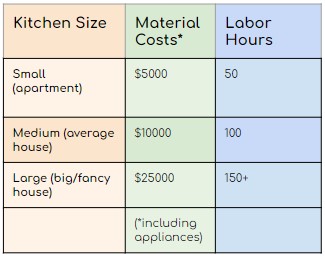
Accurate budgeting is the bedrock of a successful renovation. Costs fluctuate dramatically based on material choices, appliance selections, and the scale of the project. A basic framework for material costs, excluding labor, might range from $5,000-$10,000 for a small, functional kitchen to $20,000-$30,000+ for a large, high-end installation. These figures typically include appliances but are subject to significant variation.
- Cost-Efficient Sourcing Strategies:
- Online Retailers: Platforms like Amazon have revolutionized access to plumbing fixtures, hardware, and even smaller appliances, often at prices significantly below traditional big-box stores. For example, a modern sink that once cost $600 might now be available for under $200, and quality faucets for less than $100.
- Clearance and Overstock: Regularly checking clearance sections at home improvement stores, lumberyards, and specialty shops can yield substantial savings on tiles, flooring, and even cabinet components.
- Wholesale and Direct-to-Consumer: For larger purchases like cabinets or specific flooring types, exploring wholesale suppliers or direct-to-consumer models can bypass retail markups.
- Reclaimed Materials: For certain design aesthetics, salvaged wood, vintage fixtures, or repurposed elements can add unique character while reducing costs.
3. Strategic Layout and Structural Modifications
Modern kitchen design emphasizes openness, functionality, and ample space. Older homes often feature small, compartmentalized kitchens. The primary principle in renovating such spaces is to increase perceived and actual square footage, enhance natural light, and improve flow.
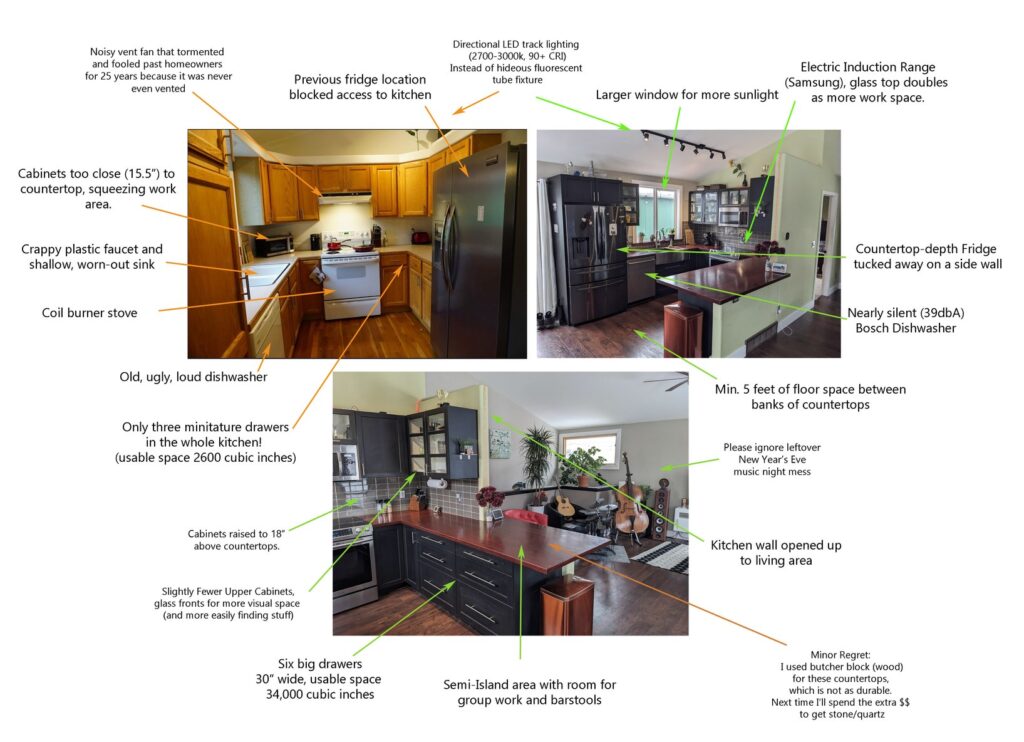
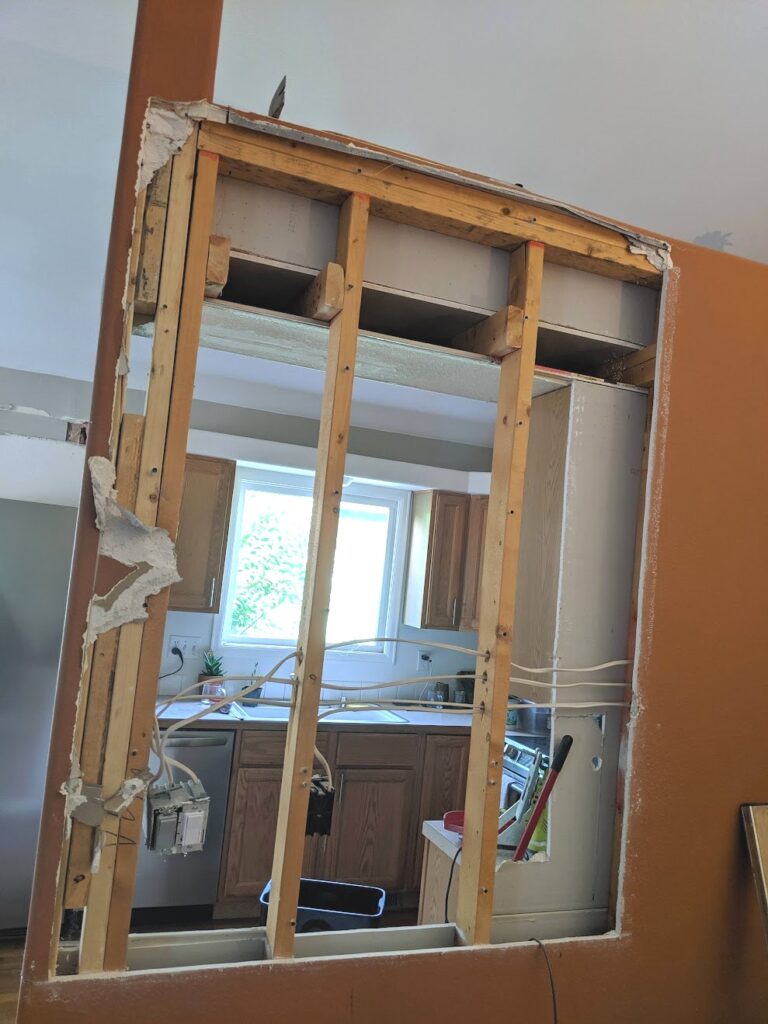
- Opening Up Spaces: Removing unnecessary walls between the kitchen and adjacent living areas is a common and highly effective strategy. This often transforms a cramped kitchen into a spacious, integrated living environment, ideal for contemporary lifestyles.
- Identifying Load-Bearing Walls: This critical step requires caution. While a general rule of thumb involves assessing wall orientation relative to joists and beams, and checking for double top plates or large headers, a definitive assessment by a structural engineer or experienced builder is always recommended. Incorrectly removing a load-bearing wall can lead to severe structural damage and safety hazards.
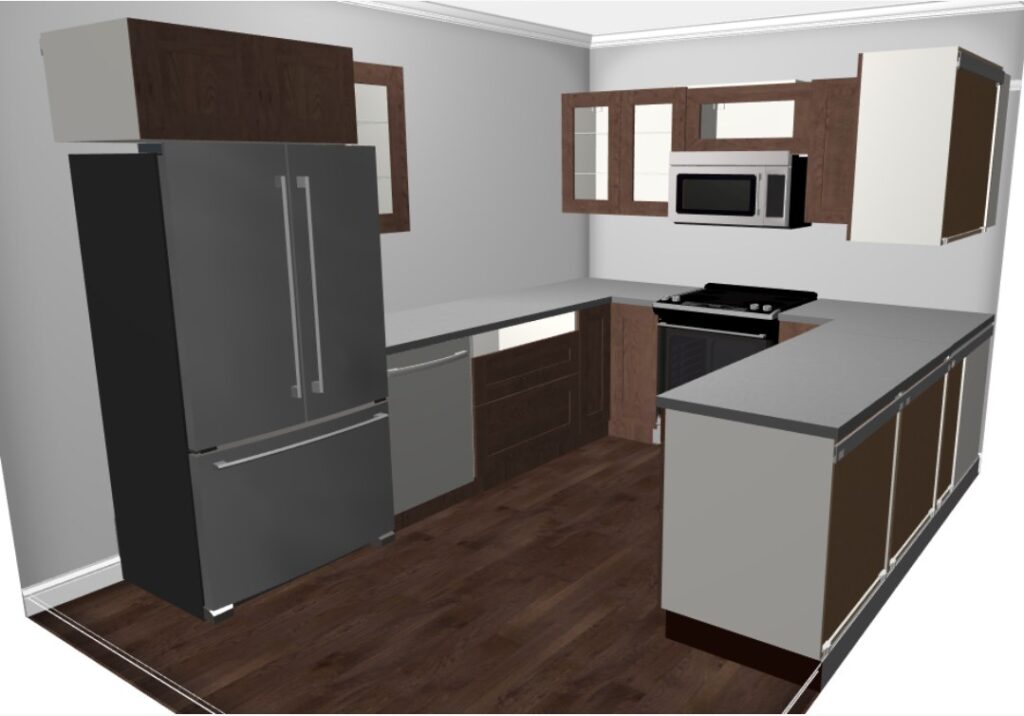
- Ergonomics and Workflow: Effective kitchen layouts prioritize the "work triangle" (refrigerator, sink, and range) for optimal efficiency. Modern design also considers ample counter space, smart storage solutions, and clear pathways to prevent congestion. Tools like the free IKEA Kitchen Planner are invaluable for visualizing layouts in 3D, allowing homeowners to experiment with different configurations before committing to a design.
4. Framing and Essential Utility Installations
Once the layout is finalized and any walls are removed or added, the core infrastructure of the kitchen takes shape.
- New Wall Construction: While often focused on removal, some renovations require building new walls—for instance, to create recesses for built-in appliances or to define the base of a new island. Precision in framing ensures that cabinets, countertops, and appliances fit seamlessly.
- Plumbing Systems: This stage involves rough-ins for the sink, dishwasher, and refrigerator water line. Modern plumbing often utilizes PEX (cross-linked polyethylene) tubing, which is flexible, durable, and easier for DIY installation compared to traditional copper or PVC, significantly reducing labor. Proper venting is crucial for drainage and preventing sewer gas entry. Understanding the basics of drain slope, trap installation, and fixture connections is essential for a leak-free system.
- Electrical Systems: Kitchens are power-intensive areas, requiring dedicated circuits for major appliances (refrigerator, dishwasher, oven, microwave) and general-purpose circuits for outlets. Current codes (e.g., the 2020 National Electrical Code in the U.S.) mandate specific requirements, such as a minimum of two 20-amp small appliance branch circuits for countertop receptacles, and GFCI (Ground Fault Circuit Interrupter) protection for all outlets near water sources. While potentially intimidating, learning basic electrical wiring principles, coupled with strict safety protocols (always turn off power!), can allow homeowners to install new outlets, lighting, and even run new circuits. For connections to the main electrical panel, a hybrid approach of DIY wiring with professional final hookup is often a safe and cost-effective compromise.
5. Interior Finishes: Drywall and Flooring

With the "guts" of the kitchen in place, it’s time to enclose the walls and prepare the floor.
- Drywall Installation: Achieving smooth, plumb walls is crucial for the subsequent installation of cabinets and backsplashes. Techniques involve precise measuring, cutting, fastening to studs, and the critical process of taping and mudding seams to create a seamless surface. Proper priming is essential for paint adhesion and an even finish.
- Flooring Selection and Installation: This step typically follows drywall and initial painting. Popular kitchen flooring options include:
- Engineered Wood: Offers the look of hardwood with improved stability and moisture resistance.
- Luxury Vinyl Plank (LVP): Highly durable, waterproof, and available in a wide array of styles mimicking wood or stone, making it ideal for high-traffic, spill-prone areas.
- Ceramic or Porcelain Tile: The gold standard for durability, water resistance, and longevity, especially in households with high activity. However, it can be colder and harder underfoot.
6. Cabinetry and Countertops: The Visual and Functional Core
These elements define the kitchen’s aesthetic and provide essential storage and workspace.
- Cabinet Installation: This stage involves assembling and mounting cabinets. Traditional cabinets require careful leveling and shimming to ensure a straight and square installation. IKEA’s rail-based system offers an alternative, simplifying alignment and allowing for easier adjustments.
- Countertop Selection: Countertops are a significant investment and a focal point.
- Stone (Quartz, Granite, Marble): Highly durable, aesthetically premium, and easy to clean. Quartz is particularly popular for its consistency, stain resistance, and minimal maintenance. While costing $60-$120 per square foot, the long-term satisfaction and value retention often outweigh the initial expense.
- Solid Wood/Butcher Block: Offers warmth and a natural aesthetic but requires more maintenance (oiling, sealing) and is susceptible to scratches and water damage.
- Tile: A more budget-friendly and DIY-friendly option, but grout lines require regular cleaning and can become stained.
- The "psychology factor" suggests that a higher initial investment in a durable, low-maintenance material like stone leads to long-term satisfaction, whereas cost-saving compromises can lead to daily annoyances.
7. Fixtures and Appliances: Bringing the Kitchen to Life
These elements transform the structural shell into a functional kitchen.
- Sink and Faucet Installation: Modern sinks and faucets are more accessible and affordable than ever, with many high-quality, stylish options available online for a fraction of historical prices. Installing the sink drain system involves connecting the sink basket, garbage disposal (if applicable), tailpieces, and P-trap to the wall drain, ensuring proper sealing and alignment.
- Appliance Acquisition: The appliance market has seen a trend of "feature deflation," where quality and features increase while prices remain stable or even decrease.
- New Appliances: Offer warranties, the latest energy-efficient technologies, and a guaranteed working condition.
- Used Appliances: Can offer significant savings (up to 75% off retail) but carry inherent risks. Dishwashers and washing machines are particularly risky due to potential hidden water damage or mechanical failures. Refrigerators, ovens, and ranges are generally safer bets. When buying used, thorough testing before purchase is crucial. Additionally, appliances stored in unheated environments during freezing winters risk burst pipes and valves, rendering them inoperable.
8. The Finishing Touches: Backsplash, Lighting, and Details

These final elements elevate the kitchen from functional to truly spectacular.
- Backsplash: Beyond protecting walls from splashes, a backsplash is a key design element. Tiling the entire wall from counter to ceiling can create a luxurious, custom look that significantly boosts perceived value, as evidenced by properties selling at premium prices primarily due to such details. Materials range from ceramic and porcelain tiles to natural stone, glass, and even metal.
- Lighting: A layered lighting scheme is essential. This includes task lighting (under-cabinet lights for workspaces), ambient lighting (recessed cans or ceiling fixtures for general illumination), and accent lighting (pendants over an island or decorative fixtures). Smart lighting systems can further enhance functionality and ambiance.
- Paint and Hardware: A fresh coat of durable, washable paint suitable for kitchen environments ties the room together. New cabinet pulls and knobs are an inexpensive way to update the entire aesthetic.
- Ventilation: A high-quality range hood is vital for removing cooking fumes, grease, and moisture, contributing to air quality and preventing damage to cabinets and walls.
Conclusion: Empowerment Through Skill and Strategy
The journey of renovating a kitchen, while demanding, offers profound rewards. It not only yields a highly personalized, functional, and aesthetically pleasing space but also empowers homeowners with invaluable skills and a deeper understanding of their homes. In a housing market where professional services are increasingly costly and supply-constrained, the ability to undertake significant home improvements independently represents a powerful financial tool and a source of immense personal satisfaction. By combining strategic planning, diligent research, and a willingness to learn, homeowners can transform their kitchens, create substantial equity, and foster a more joyful and sustainable living environment. This comprehensive approach ensures that the "most joyful room in the house" is not just a dream but a tangible reality, built with smart choices and empowered effort.

