

Nearly two decades into a lifestyle of early retirement, a prominent figure in the Financial Independence, Retire Early (FIRE) movement has shed light on a nuanced challenge: the profound double-edged nature of complete personal freedom. While the advantages of this autonomy, such as dedicated family time and the pursuit of passions like health, community building, and creative endeavors, are widely celebrated, the absence of external obligations can inadvertently foster a subtle yet insidious form of self-sabotage. This revelation, shared after almost nineteen years of living independently, underscores a critical aspect of human psychology often overlooked in the idealized vision of retirement: the intrinsic need for structure and intentionality, even when conventional responsibilities are absent.
The Double-Edged Sword of Unfettered Freedom
For many, the concept of achieving financial independence and retiring early represents the pinnacle of personal liberation – a non-stop pursuit of self-actualization unburdened by the demands of traditional employment. However, this article posits that such a state, while initially appearing idyllic, can paradoxically expose an individual’s true strengths and weaknesses. The spectrum of outcomes, as observed, ranges from debilitating complacency, characterized by a drift towards unproductive habits, to extraordinary philanthropic endeavors or the creation of impactful organizations. This stark contrast suggests that the presence of ample financial resources and unlimited time does not inherently guarantee fulfillment; rather, it amplifies an individual’s pre-existing self-management capabilities.

Early retirement, particularly for those who have meticulously planned and saved, often brings an initial surge of activity. The individual in question recounts a decade marked by intense parental involvement, extensive home renovation projects, adventurous travels, public speaking engagements, and prolific blogging. This period exemplified the positive utilization of newfound freedom, channeling energy into meaningful pursuits. However, a noticeable shift occurred in recent years, characterized by a gradual decline in self-driven initiative. The once automatic engagement with construction projects or focused writing sessions gave way to increasing periods of passive distraction, often involving digital devices and a pervasive feeling of wishing for more energy and focus.
The Genesis of Self-Sabotage and the Quest for Resilience
This deceleration prompted a deeper dive into health and wellness strategies, encompassing daily habits, conscious avoidance of excessive comfort, and a general commitment to physical and mental well-being. While these strategies, when consistently applied, yielded tangible benefits, a recurring pattern emerged: the sustained implementation proved elusive. Despite acquiring valuable knowledge and successfully integrating new practices for a time, a persistent internal resistance would eventually manifest, leading to inconsistent application and a shortfall in desired accomplishments. This cyclical struggle highlighted a critical insight: the very freedom that was hard-won was being inadvertently weaponized to avoid tasks that, while beneficial, felt difficult or inconvenient.
This phenomenon is not unique to early retirees; it resonates with broader psychological principles of procrastination and self-regulation. Studies by behavioral economists and psychologists often highlight the human tendency to prioritize immediate gratification over long-term benefits, especially when external accountability is diminished. For individuals in positions of complete autonomy, the internal "boss" must be exceptionally robust to counteract this innate inclination. The author’s realization was profound: true freedom isn’t merely the absence of external coercion, but the disciplined application of that freedom towards higher values, a principle often forgotten when the initial novelty of retirement wears off.

The Paradigm Shift: Hesitation as a Catalyst for Action
The turning point involved a radical re-framing of internal resistance. Instead of viewing the feeling of reluctance as a signal to defer or avoid a task, it was consciously re-interpreted as an immediate trigger for action. This counter-intuitive approach transforms internal friction from a barrier into a launchpad. For example, the protracted internal monologue preceding a workout – involving ideal timing, perfect conditions, and elaborate preparation – was replaced by a direct command: "I don’t feel like it. AHA! Self-sabotage detected. I am now putting on my shoes and walking to the gym." This direct, non-negotiable response to hesitation proved transformative.
This methodology, while seemingly simple, taps into principles of cognitive behavioral therapy (CBT) and habit formation. By interrupting the habitual thought pattern that leads to procrastination and replacing it with an immediate, predetermined action, individuals can bypass the rationalization process that often derails good intentions. This approach underscores the idea that motivation often follows action, rather than preceding it. The initial discomfort of overriding reluctance is quickly supplanted by the satisfaction of accomplishment and the physiological benefits of the activity itself, reinforcing the new behavioral loop.
Empirical Application: The Workout Regimen and Tangible Results
The most immediate and demonstrably successful application of this revised mindset was in physical fitness. Despite recognizing workouts as a highly effective use of time for overall life improvement, consistency had been a persistent issue. The old pattern of waiting for optimal conditions led to sporadic efforts and commensurate "lackluster fitness." The adoption of the "hesitation-as-trigger" strategy yielded immediate and dramatic results. Daily gym attendance became the norm, driven not by perpetual enthusiasm, but by the conscious interception of internal resistance.

Over a four-month period, this shift in attitude translated into significant physical gains: a ten-pound increase in lean muscle mass, a return to strength and flexibility levels reminiscent of a much younger age, and a pervasive feeling of physical rejuvenation. This outcome provides compelling anecdotal evidence for the efficacy of the method, suggesting that mental discipline can indeed unlock latent physical potential. Beyond the gym, this technique was extended to other areas: increased running frequency, more consistent engagement with collaborative work environments, and even the discipline required to produce this very article despite the allure of easier distractions.
The Role of Extreme Motivation: Enter David Goggins
A pivotal external catalyst for this internal transformation was exposure to the philosophy and life story of David Goggins, an ultra-endurance athlete and former Navy SEAL renowned for pushing the boundaries of human resilience. A podcast interview detailing Goggins’s journey from a childhood marred by abuse and psychological trauma to an adult life characterized by an almost compulsive pursuit of extreme physical and mental hardship served as a stark re-calibration point. Goggins’s accomplishments – from enduring multiple near-death experiences to qualify for the SEALS, to completing multi-day ultra-marathons and setting world records in feats of endurance like pull-ups – provided an extreme counterpoint to the author’s comparatively comfortable, albeit under-achieving, life.
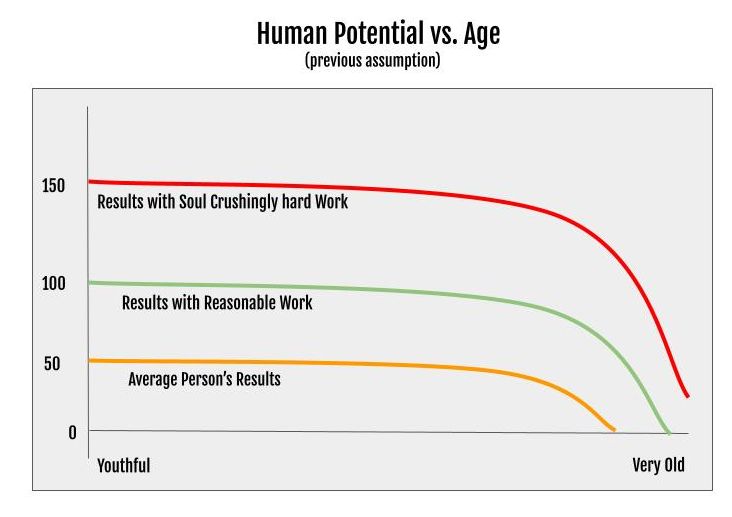
While the author explicitly stated no desire to emulate Goggins’s extreme lifestyle, the profound takeaway was the realization that most perceived human limitations are mental constructs rather than inherent physical barriers. Goggins’s narrative powerfully illustrated that the "ceiling" of human capability is far higher than conventionally assumed. This perspective shift fundamentally altered the perception of personal potential, moving from a fixed, limited view to one of expansive, largely untapped capacity. The simplicity of Goggins’s mantra, "You already fuckin’ know what to do," resonated deeply, serving as a direct challenge to internal excuses and a potent call to action.
Sustaining Momentum: A Broader Spectrum of Inspiration
The initial impact of Goggins’s message was reinforced by a deliberate immersion in similar motivational content. This included Goggins’s audiobooks, Peter Attia’s "Outlive," and Jocko Willink’s "Extreme Ownership." These works, while sometimes debated in academic circles for their "bro science" or "toxic masculinity" elements, were selectively absorbed for their core messages of discipline, responsibility, and relentless self-improvement. The strategy involved extracting actionable insights and discarding what didn’t align, emphasizing the importance of finding external sources of energy and inspiration that foster personal growth.
This approach highlights the continuous nature of motivation. Even after a significant breakthrough, maintaining momentum often requires regular replenishment of inspiration and a conscious engagement with narratives and philosophies that encourage striving. For the author, exposure to individuals who exemplify high achievement and disciplined work ethic serves as a powerful antidote to complacency, fostering a desire to optimize daily output and leverage hard-won freedom for maximum positive impact.
Societal Implications and Expert Perspectives
The insights gleaned from this personal journey hold broader societal implications, particularly for an aging population and the growing interest in early retirement movements like FIRE. While financial planning for retirement is paramount, this narrative underscores the equal importance of psychological preparation. Experts in gerontology and positive psychology frequently emphasize the need for purpose, social engagement, and structured activity to maintain mental and physical well-being in retirement. A study by the National Bureau of Economic Research, for instance, found that retirees who engaged in more active and purposeful activities reported higher levels of life satisfaction and lower rates of depression.
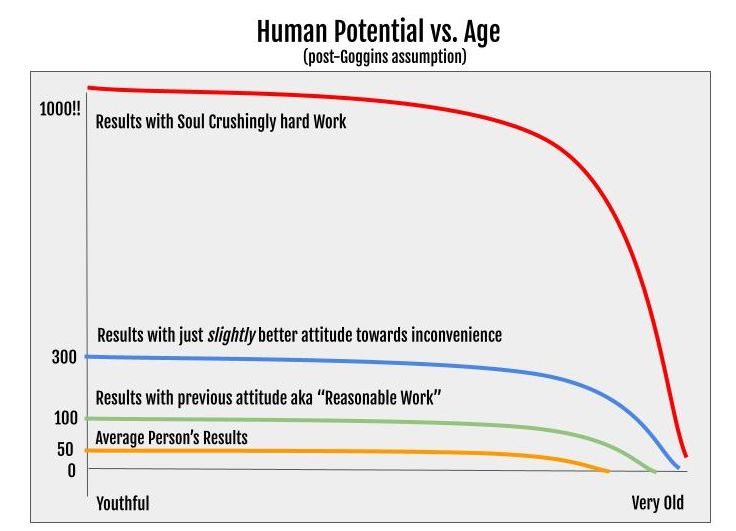
The challenge of "too much freedom" is a recognized phenomenon, sometimes termed the "paradox of choice" applied to life’s trajectory. When all external constraints are removed, the sheer number of possibilities can be overwhelming, leading to inaction or a drift towards less fulfilling pursuits. This article’s findings suggest that cultivating an internal locus of control and developing a robust system for self-discipline are crucial skills, not just for entrepreneurs or high-performers, but for anyone seeking to thrive in an environment of maximal autonomy.
The re-framing of hesitation as a trigger for action offers a practical, accessible technique for combating procrastination and increasing personal agency. This method aligns with contemporary understanding of neuroplasticity, suggesting that consistent, intentional behavioral changes can re-wire neural pathways, making desired actions more automatic over time. As society grapples with increasing longevity and evolving work-life paradigms, the ability to self-motivate and find purpose outside of conventional structures will become increasingly vital. The journey described serves as a compelling case study for harnessing internal resistance as a powerful tool for sustained personal growth and the meaningful utilization of life’s most precious commodity: time.

