
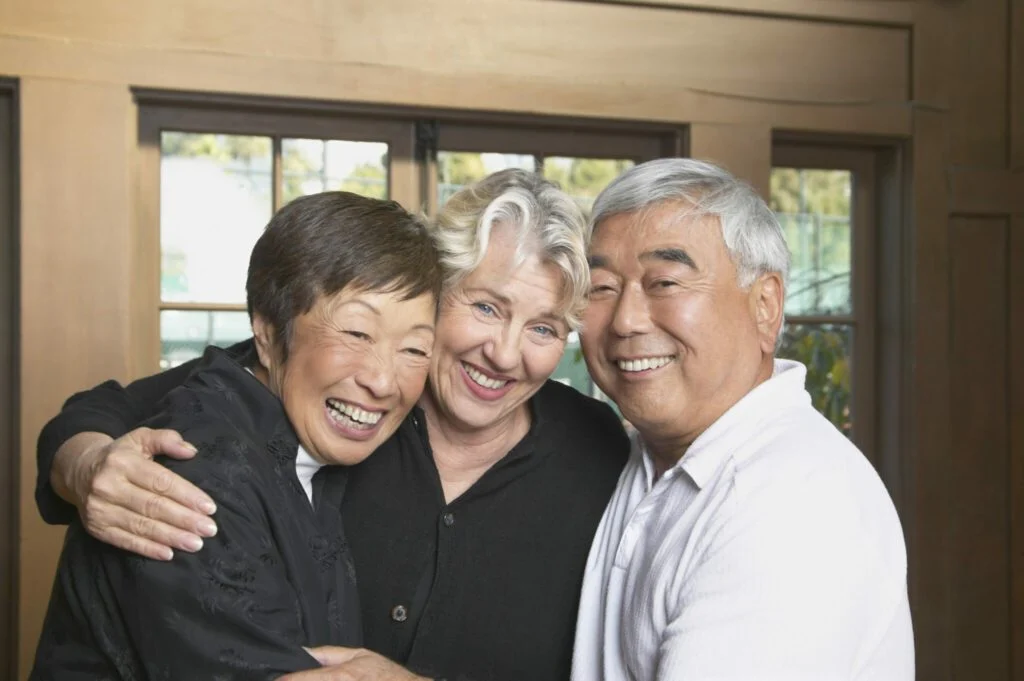
The very definition of retirement is undergoing a profound transformation, shifting from a period of cessation and perceived endpoint to one of continued engagement and elevated influence. For decades, the term "retired" carried a singular connotation: an abrupt halt to professional life, often dictated by an arbitrary age like sixty-five or the cessation of a paycheck. This traditional view encompassed a spectrum of circumstances, from financial independence allowing for leisure to the stark realities of declining health or involuntary job termination. It painted a picture of removal, of a life stage nearing its conclusion, a final act before an inevitable fade. However, contemporary societal shifts and evolving personal trajectories are challenging this antiquated notion, compelling a re-evaluation of what it truly means to transition out of traditional employment.
Historically, retirement was a relatively straightforward concept. Upon reaching a certain age, often coinciding with eligibility for social security or pension benefits, individuals would step away from the workforce. This withdrawal was frequently viewed as a reward for years of labor, a period of well-deserved rest. The imagery associated with this phase of life was often passive: contented individuals in rocking chairs, enjoying quiet reflection, or engaging in gentle hobbies. This idealized portrayal, reinforced by advertising and cultural narratives, presented retirement as a serene, almost placid, interlude. It suggested a disengagement from the active currents of society, a gentle glide towards the twilight years.
However, this established paradigm began to fray several decades ago, a process accelerated by a confluence of economic, social, and demographic factors. The increasing life expectancy in developed nations, coupled with advancements in healthcare, has meant that individuals are living longer, healthier lives post-traditional employment. This demographic reality means that the years formerly considered the "retirement" phase can now span two or even three decades, a significant portion of an adult lifespan. Furthermore, economic shifts, including the decline of defined-benefit pension plans and the rise of the gig economy, have altered the financial landscape for many. This has led to a greater need for individuals to continue working, either out of necessity or a desire for financial security.
The concept of "retiring from" something is no longer sufficient to encapsulate the reality of this life stage. The word requires a crucial addition: "to." Today, individuals are not merely retiring from a job; they are retiring to a new chapter, which often involves new pursuits, contributions, and even continued income generation. The act of describing oneself simply as "retired" can now carry an unintended implication of stagnation, a declaration of having "stopped," of possessing nothing of value to contribute or share. This perception is increasingly at odds with the vibrant and active lives many individuals are leading after leaving traditional careers.
The Shifting Landscape of Post-Employment Life
The traditional imagery of retirement, characterized by placid contentment and a withdrawal from societal engagement, is increasingly being challenged by a more dynamic and multifaceted reality. While some commercials still depict serene seniors enjoying leisure, a growing number of advertisements showcase active, engaged older adults participating in sports, pursuing new educational endeavors, and contributing to their communities. This shift reflects a broader societal recognition that age does not inherently equate to inactivity or disengagement.
Several key factors have contributed to this evolution:
- Increased Life Expectancy and Healthspan: Advances in medicine and public health have significantly extended average lifespans. Crucially, the "healthspan" – the period of life spent in good health – has also increased, allowing individuals to remain active and capable for longer. According to the World Health Organization, global life expectancy at birth has increased by more than 5 years since 2000, reaching 73.4 years in 2019. This extended period of vitality necessitates a rethinking of life stages beyond traditional retirement.
- Economic Realities and Financial Planning: The decline of robust pension systems and the increasing cost of living have made it necessary for many to continue working beyond traditional retirement ages. Data from the U.S. Bureau of Labor Statistics indicates a rising trend in labor force participation among older adults. In 2022, the labor force participation rate for individuals aged 65 and over was approximately 19.1%, a notable increase from earlier decades. This suggests that for many, post-employment life is not about idleness but about financial prudence and security.
- The Rise of the "Second Act": Many individuals are actively seeking new challenges and opportunities after leaving their primary careers. This "second act" can take many forms, including starting new businesses, pursuing volunteer work, engaging in lifelong learning, or contributing their expertise in new capacities. The emphasis is shifting from a cessation of activity to a reorientation of purpose and engagement.
- Technological Advancements: The digital age has opened up new avenues for connection and contribution. Online platforms, remote work opportunities, and digital learning resources allow individuals to remain connected and engaged regardless of their physical location or traditional employment status. This accessibility empowers individuals to pursue new interests and maintain social connections.
- Evolving Perceptions of Aging: There is a growing societal awareness that age is not a barrier to contribution and fulfillment. Movements advocating for age inclusivity and challenging ageist stereotypes are gaining traction. This cultural shift is encouraging individuals to embrace their later years as a period of continued growth and impact.
In this era, where the world faces complex challenges, the notion of disengagement implied by the word "retirement" feels increasingly anachronistic and even detrimental. The current global climate, marked by rapid technological change, environmental concerns, and social shifts, demands the collective wisdom, experience, and energy of all individuals, regardless of age. The opportunity and responsibility to contribute are more pressing than ever.
Embracing Seniority: A New Paradigm of Engagement
The author, Dr. Thelma Reese, a distinguished scholar and author in the field of aging and adult development, posits a fundamental redefinition of this life stage. She argues that instead of "retiring," individuals are arriving at a state of "seniority." This term carries with it an inherent acknowledgment of experience, a privilege earned not through deliberate effort but through the sheer act of living. Seniority, in this context, is not merely about age but about the accumulated knowledge, resilience, and wisdom that comes with navigating a full life.
This concept of seniority is imbued with an aura of respect and esteem. When we refer to a "senior partner," a "senior officer," or a "senior student," we implicitly acknowledge a level of experience, expertise, and often, leadership. This implied status within seniority is not just about rank; it also carries an intrinsic sense of responsibility. It suggests a capacity to guide, to mentor, and to contribute meaningfully to the collective good.
In the current climate of upheaval, the emergent presence and amplified voice of seniors can serve as a powerful source of strength and inspiration. By actively listening, engaging, and demonstrating the adaptability honed through years of experience, seniors can merge with and amplify the power of younger generations. This collaborative approach, characterized by resilience, an embrace of new ideas, and the judicious application of learned lessons, positions seniors as indispensable central players in the transformative changes our world requires.
The traditional idea of retirement, with its connotations of idleness and withdrawal, is demonstrably over. The era of passive retirement has given way to the active engagement of seniority. This new paradigm emphasizes continued contribution, leveraging the unique insights and capabilities that come with age and experience. It is a call to action, urging individuals to recognize their enduring value and to actively participate in shaping the future.
The Implications of the "Seniority" Model
The shift from "retirement" to "seniority" has significant implications across various societal domains. Economically, it could lead to a more robust and experienced workforce, with older adults contributing their skills and institutional knowledge. This can help bridge talent gaps and foster intergenerational collaboration within organizations.
Socially, embracing seniority promotes a more inclusive and age-diverse society. It challenges ageist stereotypes and recognizes the ongoing value and contributions of older individuals. This can lead to stronger community bonds and a greater sense of purpose for those in their later years.
Politically, the amplified voice of seniors can bring a unique perspective to policy discussions. Their lived experiences can inform decision-making on issues ranging from healthcare and social security to education and environmental policy. This can lead to more comprehensive and equitable solutions that benefit all age groups.
Culturally, the emphasis on seniority encourages a greater appreciation for the wisdom and experience of older generations. It fosters a sense of continuity and legacy, ensuring that valuable knowledge and traditions are passed down. This can enrich cultural narratives and promote a deeper understanding of history and societal evolution.
Dr. Reese’s framework encourages a proactive and purposeful approach to the later stages of life. It is a call to action for individuals to reframe their post-career years not as an end, but as a vital and dynamic continuation of their life’s journey, characterized by continued growth, contribution, and impact. The concept of seniority offers a compelling vision for a future where age is not a barrier to engagement but a testament to a lifetime of learning and a catalyst for continued positive change.

